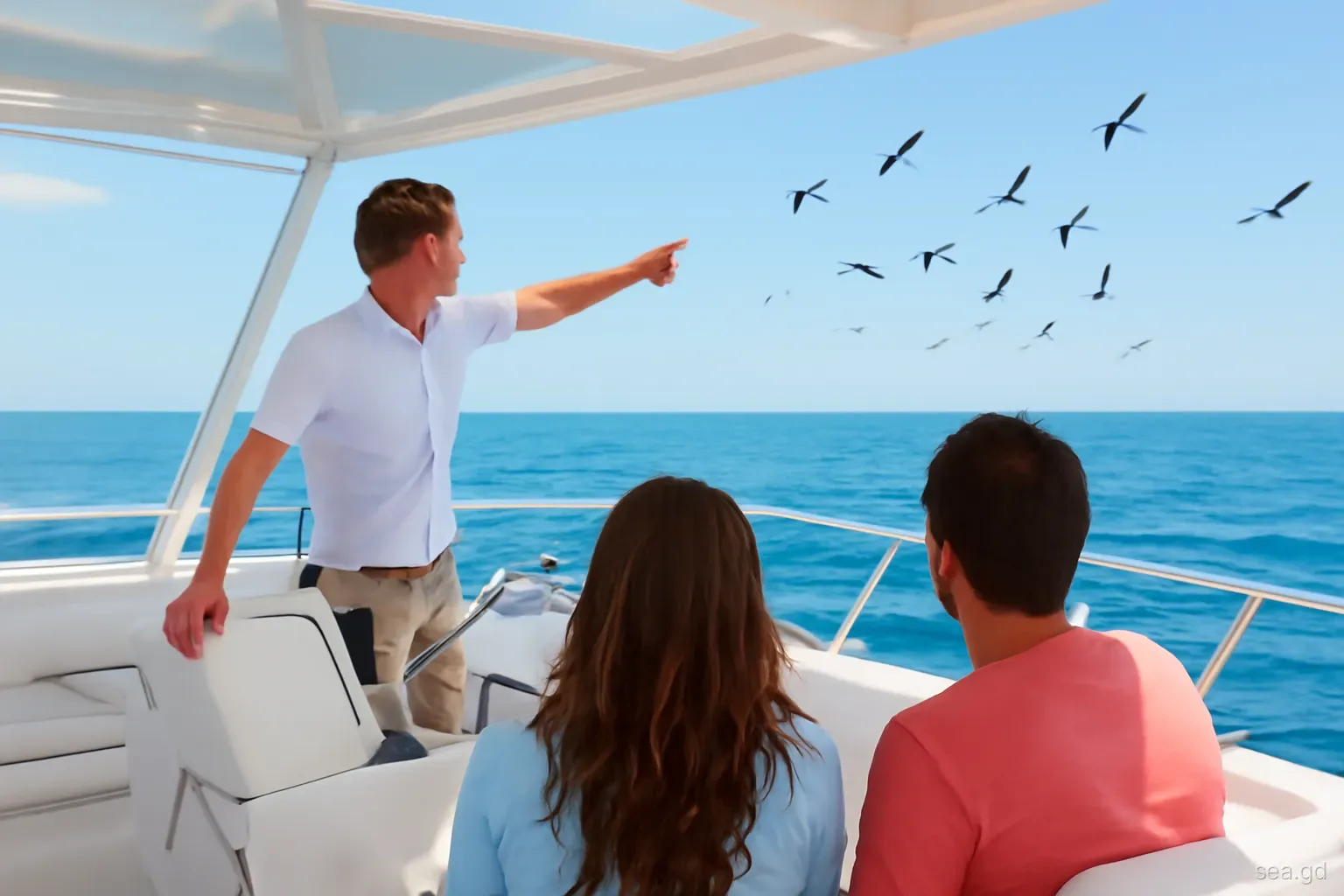
Most visitors who fish in Grenada do it once, on a chartered boat, with a few hours to make it count. The difference between a memorable day and an expensive boat ride usually comes down to choices made before leaving the dock: the length of the trip, the boat, the skipper's approach, and a clear understanding of what is included and who keeps the fish.
Grenada's charter fleet is small compared with big game destinations such as Puerto Rico or the US Virgin Islands. That has advantages, because many skippers are lifelong local fishermen who know the grounds intimately, but it also means fewer options at short notice, especially in peak season. This page explains how charters work, what to compare and what to ask, so the trip you book matches the trip you want.
How fishing charters in Grenada are organised
Charters generally operate from the St George's area, including the Lagoon and the marinas around it, and from the south coast bays where yachts and smaller boats are kept. Many include pickup from hotels around Grand Anse and the south-west, which saves arranging a taxi in the dark before an early start. In Carriacou, fishing trips are more informal and are often arranged through guest houses or local boat owners; after Hurricane Beryl, availability there has been uncertain, so ask ahead.
Most charters are private: you book the whole boat for your group, usually up to around four to six anglers depending on its size. Some operators offer shared trips where individuals join others, which reduces the cost but means taking turns on the rods. Trips are usually sold as half days of around four hours or full days of around eight, with some boats offering three-quarter days.
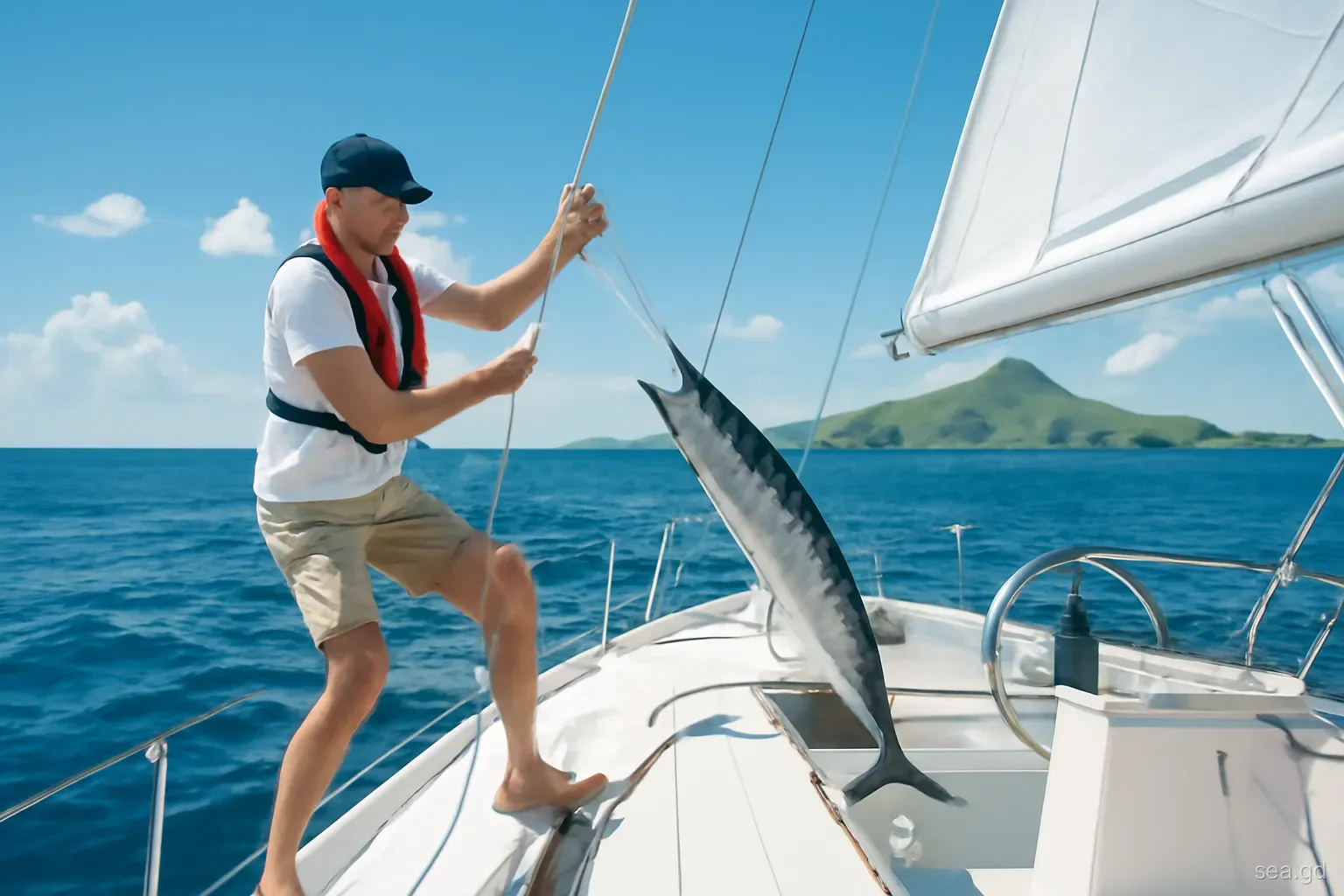
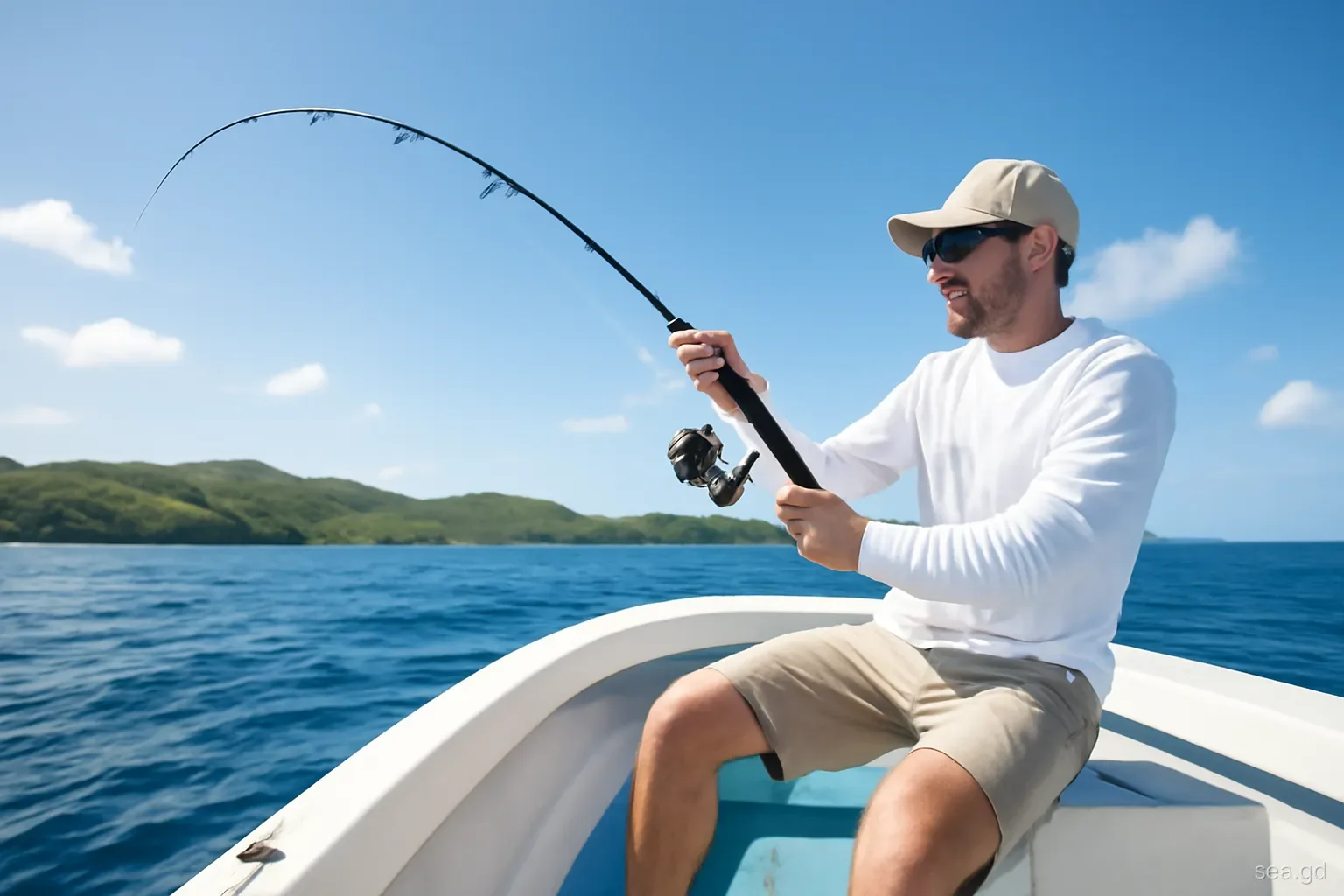
Boats range from open fibreglass pirogues and small centre-consoles used for inshore and bottom fishing, to purpose-built sportfishing boats with flybridges, outriggers and fighting chairs. The larger boats are more comfortable in the rough seas of the trade-wind season and carry heavier tackle for marlin, while smaller boats can be excellent for tuna, wahoo and jigging on calmer days. Ask for photographs of the actual boat you will be on, not just the operator's flagship, because some businesses run more than one vessel and the difference in comfort can be considerable.
Half day or full day?
Half days suit beginners and families. Four hours is enough to troll the drop-offs off the west coast, catch some tuna, barracuda or mahi in a good season, and be back by lunchtime. They are also the sensible choice for anyone unsure about seasickness.
Full days are for billfish. Marlin fishing is a numbers game: hours of trolling for a handful of strikes. A full day allows the skipper to run to the most productive grounds, fish the bite times, and change tactics if the first area is quiet. Most serious anglers hoping for a blue marlin book a full day or several days.
Three-quarter days are a compromise. Where available, six-hour trips give more time on the grounds without the fatigue of a full day in the sun.
Bottom fishing and jigging can be shorter. Trips targeting snapper, grouper and jacks over the banks often need less running time, so a half day can be productive.
What it costs and what is included
Charter prices change and differ by boat size, trip length, season and what is included, so treat any figure as a starting point and confirm in writing. As a rough guide, private half-day trips on smaller boats have commonly been quoted somewhere in the region of several hundred US dollars, with full days on larger sportfishing boats running to well over a thousand. Shared trips are priced per person and are cheaper. Prices in Grenada are often quoted in US dollars; at the fixed peg, EC$2.70 equals US$1.
A standard charter usually includes the boat, skipper and mate, fuel for the planned trip, rods, reels, lures and bait, and often soft drinks and water. Some include snacks or lunch on full days. Things that may not be included are hotel transfers, alcohol, fishing licences if required, and gratuities for the crew. Ask whether a deposit is required, what happens if the trip is cancelled for weather, and whether the price covers a set number of anglers or the whole boat.
Tipping the crew is customary, especially the mate, who rigs baits, clears lines and handles fish all day. Something in the region of fifteen to twenty per cent of the charter fee, shared between the crew, is a common benchmark in Caribbean sport fishing, adjusted for the service you received.
Questions to ask before you book
A good operator will answer these readily. Vague answers are a warning sign:
- What species are you catching at the moment, and what is a realistic expectation for a trip of this length?
- How large is the boat, how many anglers does it take, and does it have shade, a toilet and seating?
- Is the skipper licensed and is the boat insured for passengers? Are life jackets and safety equipment on board?
- What is your policy on billfish? Most reputable boats release billfish; ask how they handle them.
- Who keeps the catch? Some boats keep part of the catch to sell, which is common local practice; agree in advance if you want fish for dinner.
- What happens if the weather is bad: refund, rebooking or partial charge?
- Is hotel pickup included, and what time does the boat leave?
- Can you accommodate children, beginners or someone prone to seasickness?
Who keeps the fish: a source of misunderstandings
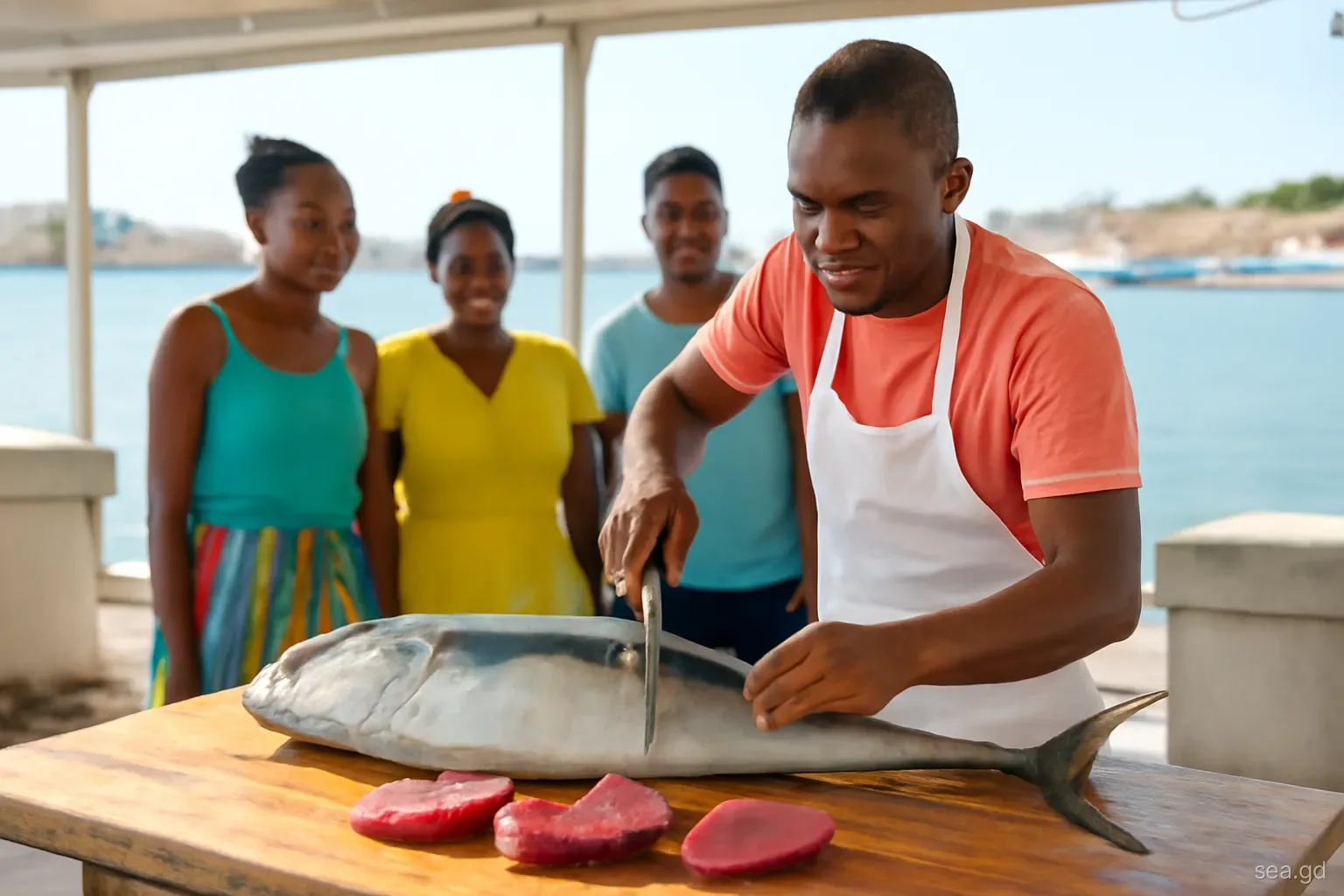
In many Caribbean fisheries, including Grenada's, it is normal for the boat to keep some or most of the catch. Fish sales help cover fuel and crew costs, and the skipper may have regular buyers. Visitors from places where the angler takes everything home can be surprised, and occasionally upset, if this is not agreed beforehand.
The simple solution is to ask. Many operators are happy for guests to take a fillet or two for dinner, and some hotels and restaurants will cook a guest's catch for a fee. If you are staying in self-catering accommodation, say so and agree how much you would like to keep. Bring a cool bag and ice if you plan to carry fish back, because a fillet left in a hot car for an afternoon is not worth eating.
Billfish are a separate case. Reputable crews release marlin and sailfish, often after a quick photograph taken with the fish in the water. If you want a trophy, modern practice is a fibreglass replica made from measurements and photographs, not killing the fish.
Mistakes first-time charter clients make
The most common mistake is booking a half day and expecting a marlin. It happens, but the odds are low; set expectations to match the trip. The second is ignoring seasickness. Trade-wind seas can be lumpy, and someone who is unwell for four hours spoils the day for the whole group. Take seasickness medication the night before and again in the morning, eat a light breakfast, avoid alcohol the night before and stay in the fresh air.
Others include forgetting sun protection on a boat with limited shade, wearing dark-soled shoes that mark the deck, bringing large hard suitcases instead of soft bags, and booking the last day of a holiday, which leaves no room for weather cancellations. A further mistake is arriving late. Charter crews plan departures around light, tide and the run to the grounds, and a half hour lost at the dock is a half hour less fishing, with no reduction in price. Finally, choose operators on more than price. A cheaper boat with poor safety equipment or a skipper who is unfamiliar with the grounds is not a bargain.
Frequently asked questions
How much does a fishing charter cost in Grenada?
Prices vary with boat size, trip length and season. Private half-day charters on smaller boats commonly cost several hundred US dollars, and full days on larger sportfishing boats often exceed a thousand. Shared trips are cheaper per person. Always confirm the current price, what it includes and the cancellation policy in writing.
Do you need a fishing licence to go on a charter in Grenada?
On a licensed charter boat, anglers generally do not need to arrange anything themselves, but rules can change. Ask your operator whether any licence or fee applies to visitors and whether it is included in the price. Private boat owners fishing independently should check with the Fisheries Division.
Can you keep the fish you catch on a Grenada charter?
It depends on the operator. Many boats keep part of the catch to sell, which is common local practice, but most will let you take some fish for dinner if you ask in advance. Billfish such as marlin and sailfish are normally released. Agree catch arrangements before leaving the dock.
Are fishing charters suitable for children?
Many operators welcome children, particularly on half-day trips on calmer days, when the action is quicker and the hours shorter. Check that the boat has child-sized life jackets, shade and a toilet. Smaller tunas, barracuda and bottom fish give children frequent bites, which keeps them interested.
How much should you tip a fishing crew in Grenada?
Tipping is customary. A common benchmark in Caribbean sport fishing is around fifteen to twenty per cent of the charter price, shared between skipper and mate, adjusted for the service received. Cash is preferred, in US or Eastern Caribbean dollars, handed over at the end of the trip.