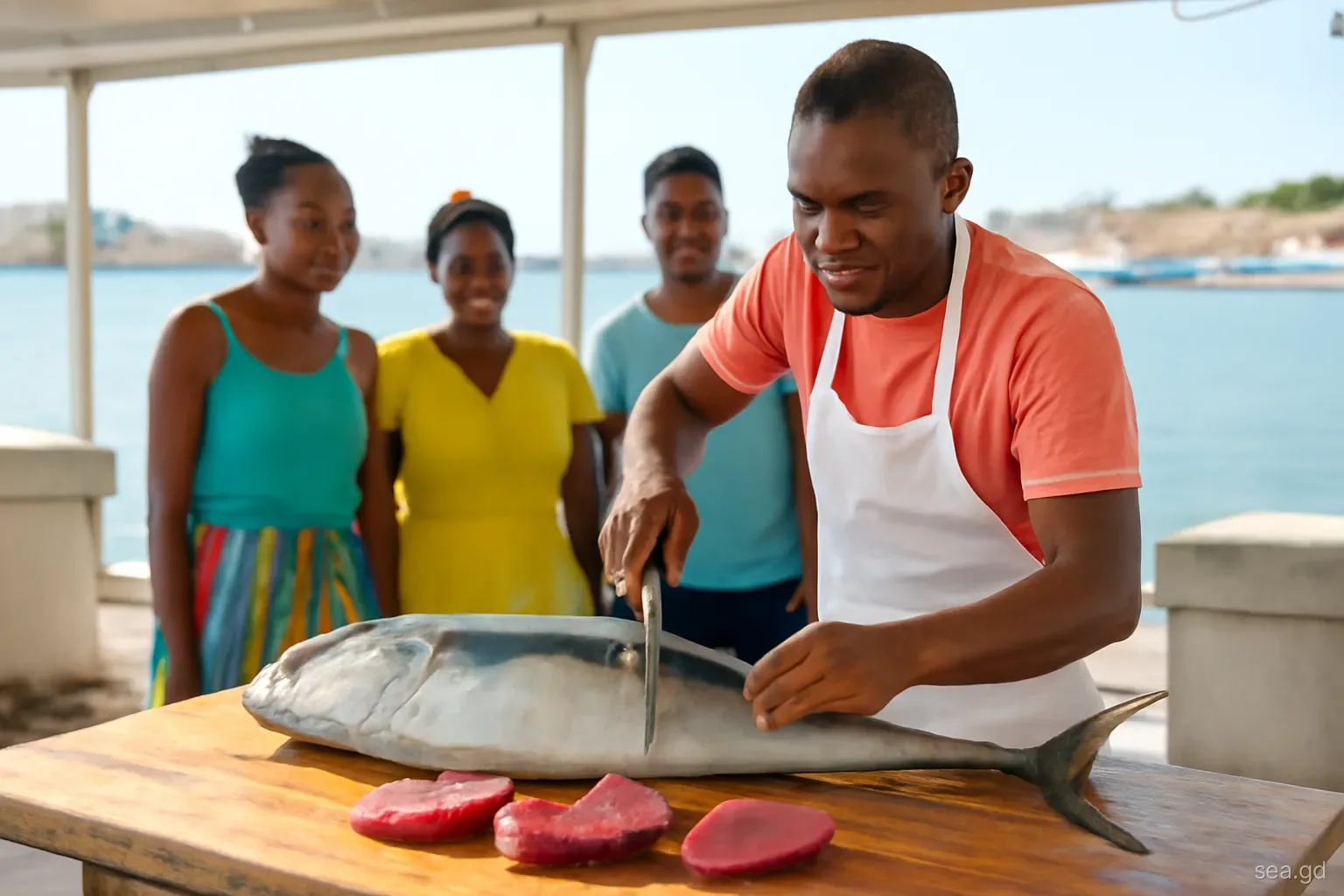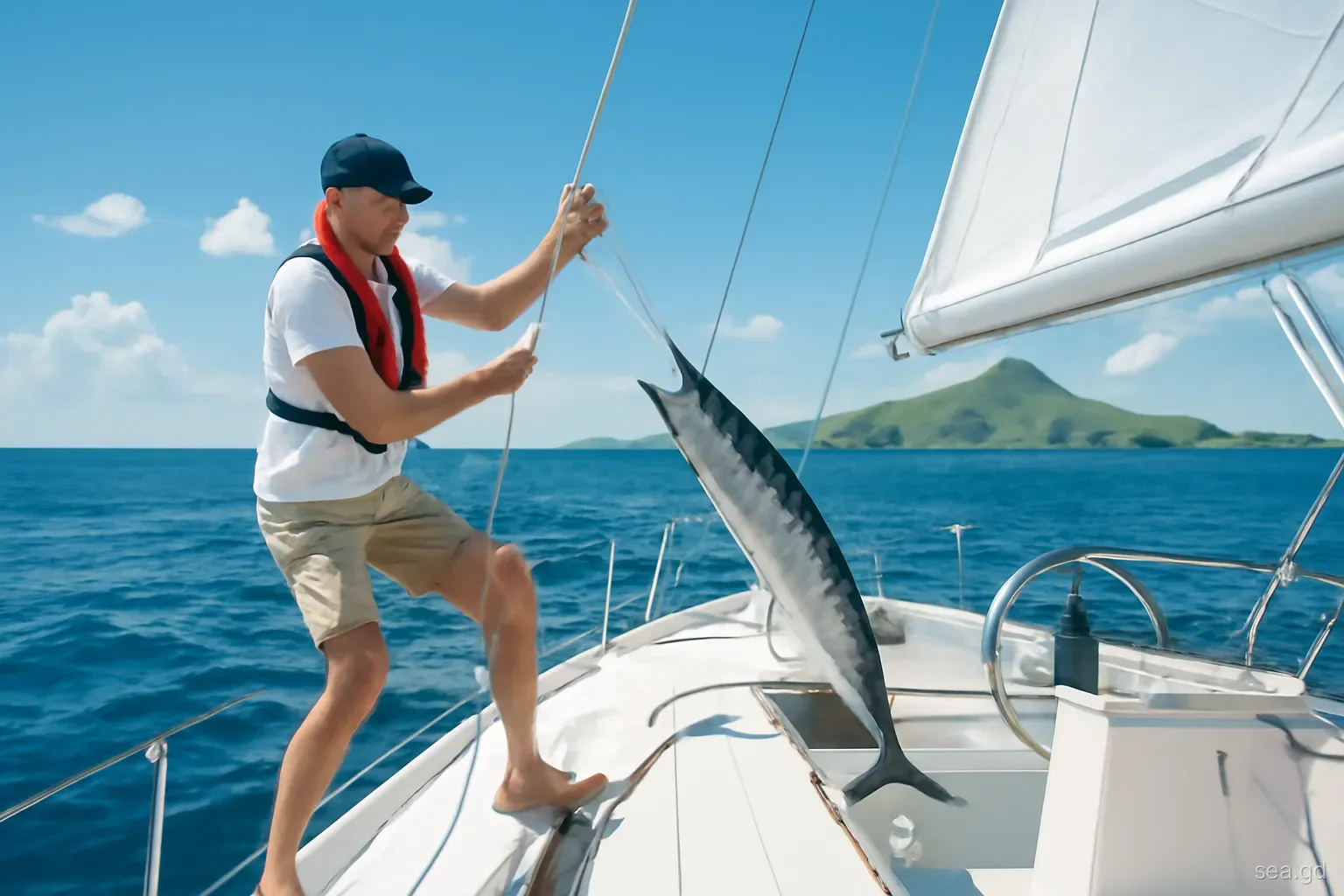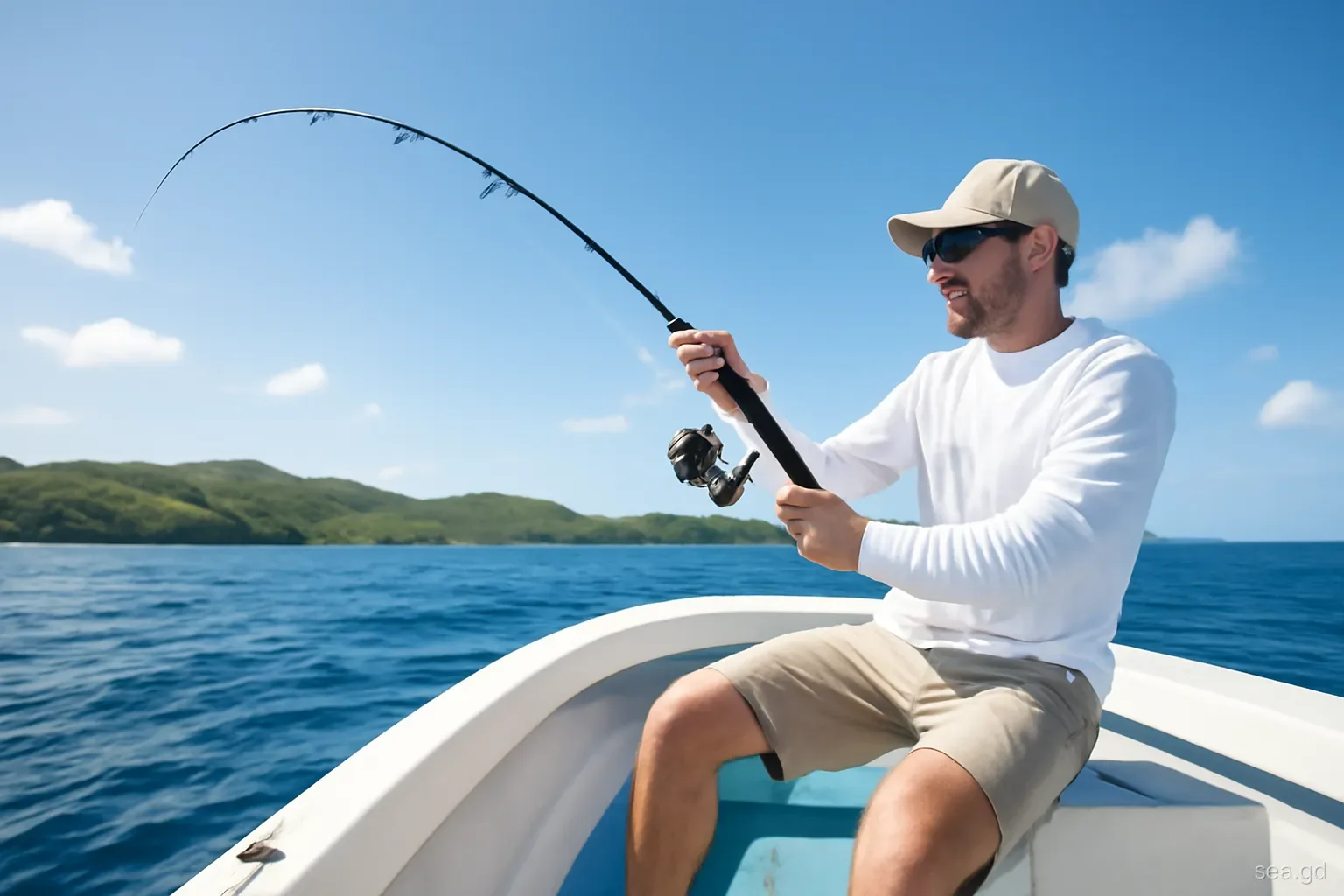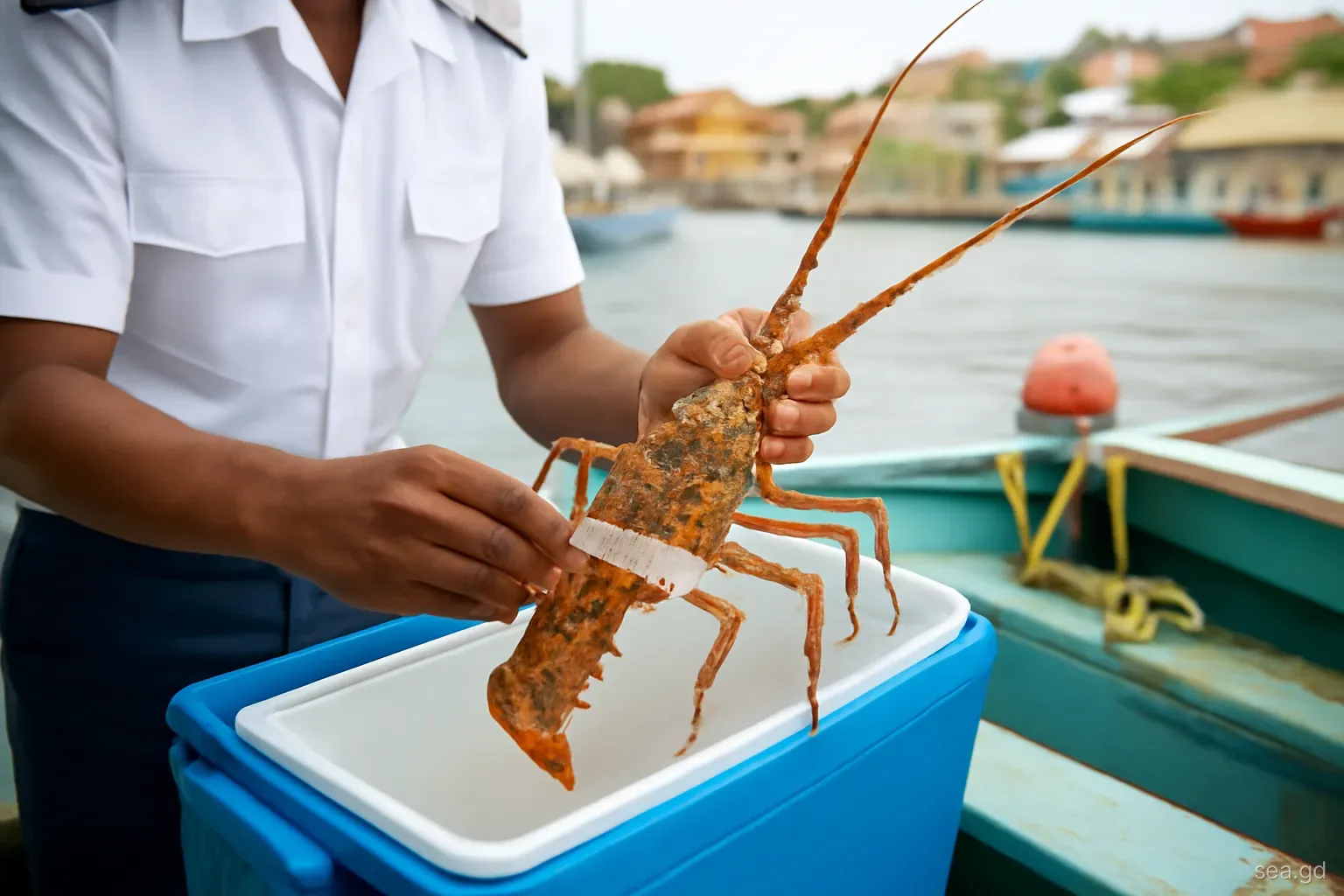
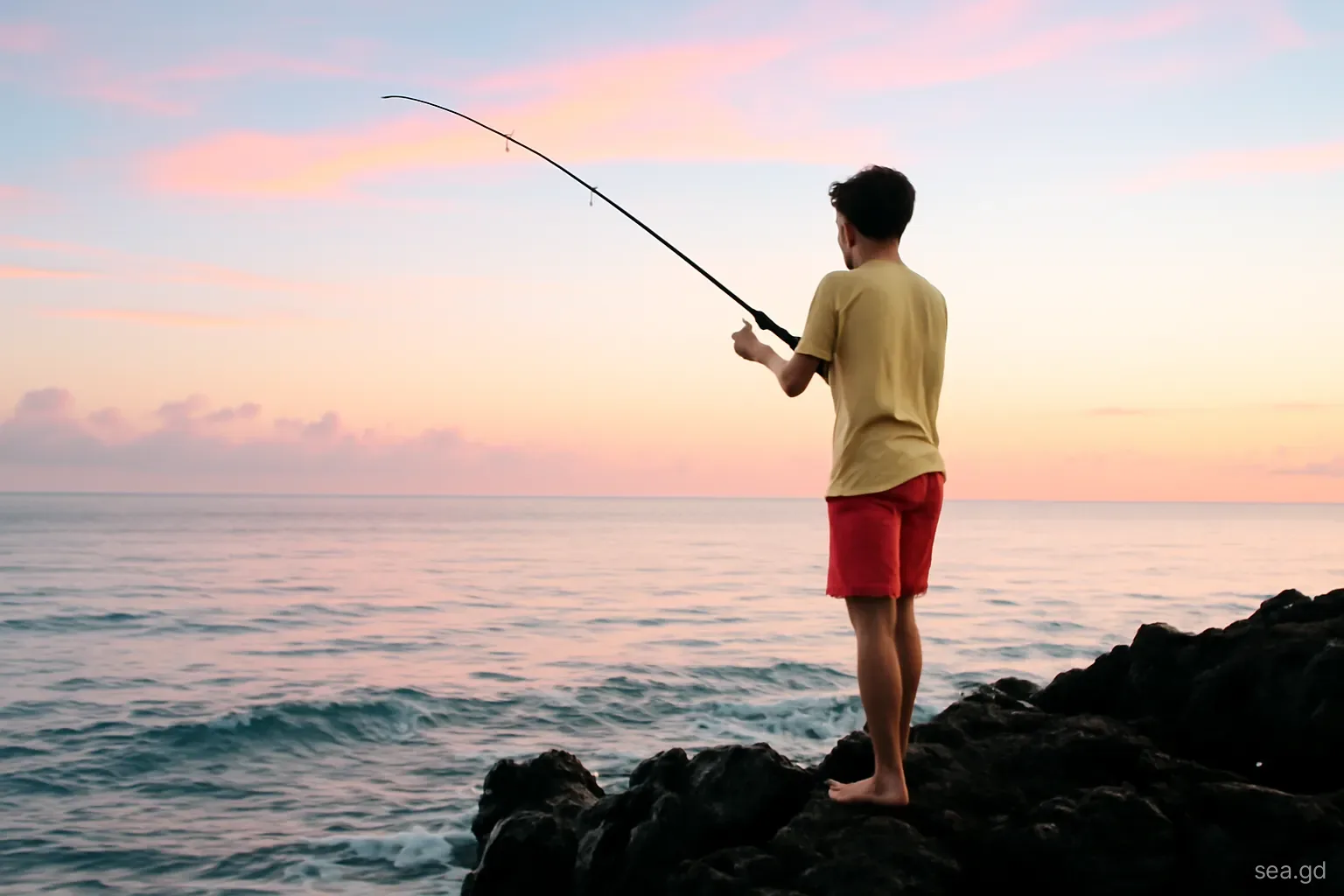
Walk along almost any stretch of Grenada's coast at dawn and you will see someone fishing: a man on the rocks with a hand line wrapped around a bottle, children with bamboo poles on a jetty, a fisherman wading at the edge of a beach with a cast net. Shore fishing here is an everyday activity, mostly for food, and it is one of the cheapest and most relaxed ways for a visitor to fish.
Expect modest fish rather than trophies. Jacks, small barracuda, needlefish, grunts, small snappers and the occasional larger predator chasing bait close to shore make up most catches. With a light spinning rod and a handful of lures, though, those fish give a lot of fun, and an early-morning session on the rocks is a good way to see the coast waking up. This page covers where to try, how to rig, when to go and how to fit in with local anglers.
Where shore fishing works
The most productive shore spots share a few features: deeper water within casting range, structure such as rocks or a reef edge, and moving water that brings bait past. In Grenada that usually means rocky points and headlands rather than the middle of long sandy beaches. On the south-west coast, the rocky ends of bays around Point Salines and Lance aux Épines meet these criteria, as do many of the small points between bays along the south coast.
On the leeward west coast, the water deepens quickly, which brings bigger fish close to shore, but much of the coast north of St George's around Molinière and Beauséjour is a marine protected area where all fishing is banned. Fishing from the rocks there, even with a rod, is illegal. Farther north along the west coast, toward Gouyave and Victoria, the shoreline is rugged, and local fishers use their own spots; ask before setting up beside someone.
The windward east coast is rougher, with Atlantic swell crashing onto rocks and beaches. It can produce fish, but the conditions make rock fishing dangerous for anyone unfamiliar with them. Jetties and harbour walls are another option, but they are working spaces: never cast near boats coming and going, and ask permission where a wall belongs to a business, marina or the port.
What you are likely to catch
Jacks. Bar jacks, horse-eye jacks and blue runners are the most common predators near shore. They hunt in packs, hit lures hard and fight well above their size.
Barracuda. Small to medium barracuda patrol rocky shorelines and harbours. Use a short wire trace, because their teeth cut monofilament easily, and handle them carefully. Larger barracuda are generally not eaten locally because of ciguatera risk.
Needlefish. Long, thin fish with beak-like jaws that skitter across the surface after small lures. Fun on light tackle but difficult to hook.
Grunts, small snappers and squirrelfish. Reef fish that live among rocks and take baited hooks, popular with local children and good in a fish broth.
Bonito and small tunas. Occasionally schools of little tunny chase bait within casting range of points, signalled by birds diving and splashing at the surface.
Other species. Snook and tarpon are present in parts of the Caribbean around river mouths, mangroves and harbours, and are occasionally reported around Grenada, but they are not reliable targets for a visitor.
A light-tackle set-up that covers most situations
You do not need heavy gear. A compact travel kit covers most shore fishing around Grenada:
- A spinning rod of about two to two and a half metres, rated roughly for 10 to 20 pound line, which casts small lures well and can handle a decent jack.
- A matching spinning reel spooled with braided line and a few metres of fluorocarbon or monofilament leader.
- A short length of wire trace for barracuda.
- Small metal spoons and casting jigs, which imitate the sprats and baitfish that predators chase close to shore.
- A few soft plastic lures and shallow-running plugs for working along rocks.
- Small hooks and sinkers for bait fishing; local fishers often use cut fish, sprats or squid.
- Pliers, a towel, a hat and water, plus a small cool bag with ice if you plan to keep fish.
- Tackle is sold at marine chandleries around the yacht centres in the south and in some stores in St George's, but selection is limited, so bring specialist lures from home.
When to fish from shore
Dawn and dusk are by far the best times. In low light, predators move into shallow water to hunt bait, and the sea is often calmer early in the morning before the trade winds pick up. A session from first light for two hours is usually more productive than an afternoon in full sun. Grenada lies close to the equator, so the sun rises and sets at roughly similar times year-round, with dawn around six o'clock and dusk shortly after six in the evening, varying by about an hour across the year.
Tidal range in Grenada is small, generally well under a metre, so tides matter less than in many places. Current and wind matter more: moving water along a point is good, and a light onshore breeze can push bait close in. After heavy rain, the murky water near river mouths can attract jacks and other predators feeding on washed-out food, though very dirty water slows fishing down.
Seasonally, shore fishing is possible all year. The winter months bring stronger trade winds and occasional northerly swells onto the west coast; on those days, rocks become dangerous and sheltered bays are a better bet.
Safety and mistakes on the rocks
Rock fishing is one of the more dangerous forms of fishing worldwide, and Grenada's volcanic rocks can be sharp, slippery and wave-washed. Watch the sea for several minutes before choosing a spot, because sets of larger waves often arrive after a calm spell. Never fish from rocks that are wet from recent waves, wear shoes with good grip, and keep a clear route back to higher ground. On the Atlantic coast and during winter swells on the west coast, stay off exposed rocks altogether.
Common mistakes include fishing alone at dawn without telling anyone where you are, walking over rocks covered in sea urchins in bare feet, leaving fishing line and hooks behind where they tangle birds and injure people, and handling barracuda or other toothy fish without pliers. Sun exposure catches people out too: the first hour of light is gentle, but by nine o'clock the sun is strong.
Finally, check where you are. Fishing inside a marine protected area is illegal, and some beaches near hotels discourage fishing because of swimmers. Casting over swimmers or snorkellers is dangerous and will quickly end your welcome.
Fitting in with local anglers
Ask before joining. Many local anglers have favourite spots they have fished for years. A greeting and a question about how the fishing is going are welcome; setting up a metre away without asking is not.
Respect the purpose. For many people on the rocks, fishing is about food for the family. Avoid crowding their lines or casting across them.
Share knowledge, not just catch. Local fishers know which fish are good to eat and which to avoid, which baits work and where the fish are biting. Visitors who listen often learn more in an hour than from any website.
Keep it clean. Take all line, packaging and bait containers away. Discarded line is a hazard to birds, turtles and people.
Consider kayak fishing. Where kayak hire is available, paddling a short distance from shore extends your range over reef edges while keeping costs low. Wear a buoyancy aid, stay close to the coast and avoid boat channels.
Frequently asked questions
Can you fish from the beach in Grenada?
Yes, shore fishing is common and generally open to anyone outside marine protected areas. Rocky points and the ends of bays are usually more productive than open sand. Avoid casting near swimmers or in hotel swimming areas, and remember that fishing is banned within MPAs such as the Molinière-Beauséjour area.
What is the best bait for shore fishing in Grenada?
Local anglers often use cut fish, sprats, squid or small live baitfish. For lure fishing, small metal spoons and casting jigs imitate the baitfish that jacks and barracuda chase near shore. Asking local fishers what is working on the day is the quickest way to find the right bait.
Do you need a licence to fish from shore in Grenada?
Recreational shore fishing for personal consumption has traditionally been treated differently from commercial or vessel-based fishing, and local people fish freely from the rocks. Rules can change, so if you plan regular fishing during a longer stay, confirm with the Fisheries Division. Marine protected area rules always apply.
Is it safe to eat fish caught from shore in Grenada?
Small reef fish, jacks and similar species are commonly eaten. Avoid eating large barracuda and very large reef predators because of the risk of ciguatera poisoning. Fish caught near harbours or drains after heavy rain may also be best avoided. Local fishers' advice on species and size is the best guide.
When is the best time of day to fish from shore?
Dawn and dusk are usually the most productive times, when predators move into shallow water to feed and seas are often calmer. Midday in bright sun is generally slow. Because tidal range in Grenada is small, light, current and wind matter more than tide times.