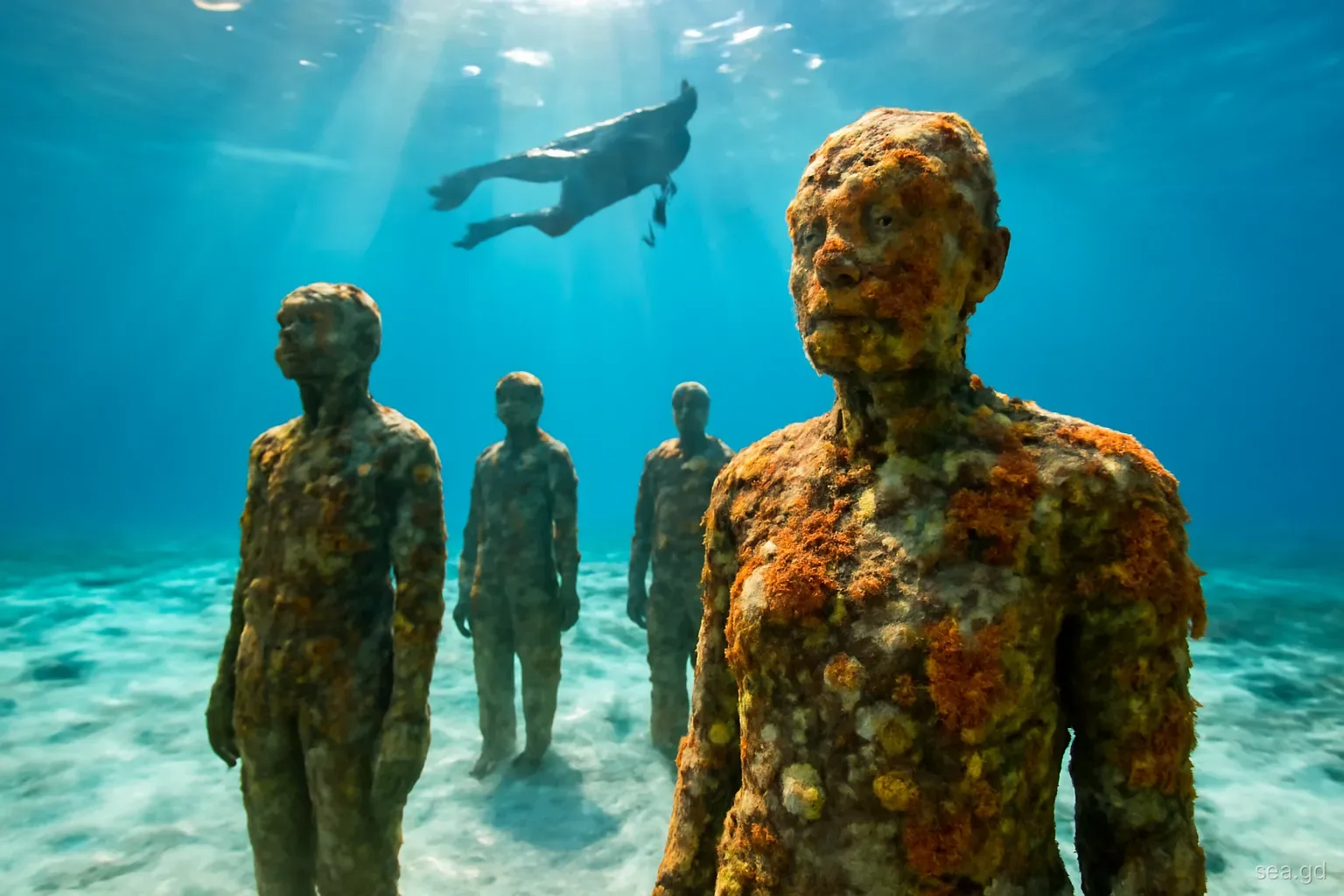
In September 2004 Hurricane Ivan tore across Grenada, damaging or destroying the great majority of buildings on the island and leaving its reefs battered too. Less than two years later, in the clear, sheltered water of Moliniere Bay on the west coast north of St George's, a young British sculptor and diving instructor named Jason deCaires Taylor began lowering concrete human figures onto the sand. Nobody had built anything quite like it before.
The Moliniere underwater sculptures are widely described as the world's first underwater sculpture park open to the public. They have since become one of Grenada's best-known images, a template copied from Mexico to the Canary Islands, and an ongoing experiment in whether art can do the work of a reef. Understanding how and why the park was made changes what you see when you float above it.
A bay in need after Ivan and Emily
Moliniere Bay lies in the parish of St George, between the capital and the fishing villages further up the leeward coast, in a stretch of small coves backed by steep green hillside. It had long been a snorkelling and diving area, with fringing reef around Moliniere Point and the neighbouring bays. Ivan in 2004, followed by Hurricane Emily in 2005, which hit Carriacou and the north of Grenada, left parts of the reef in the area broken and smothered.
Coral recovers slowly, and divers and snorkel boats concentrating on the surviving patches add pressure. The thinking behind the sculptures was partly practical: create a new attraction on bare sand that would draw visitors away from fragile natural reef, while providing hard surfaces where corals, sponges and fish could settle. The area had also been designated as a marine protected area, the Moliniere-Beausejour MPA, which gave a framework for managing visitors and banning fishing.
That combination of art, tourism and conservation is why the project took hold. It offered something new to look at, it took nothing away from the existing reef, and it promised over time to add habitat rather than consume it.
The artist and his method
Who he is. Jason deCaires Taylor trained as a sculptor in London and worked as a diving instructor in the Caribbean and elsewhere, which is how the two strands of his work came together. Grenada was where he first combined them on a large scale.
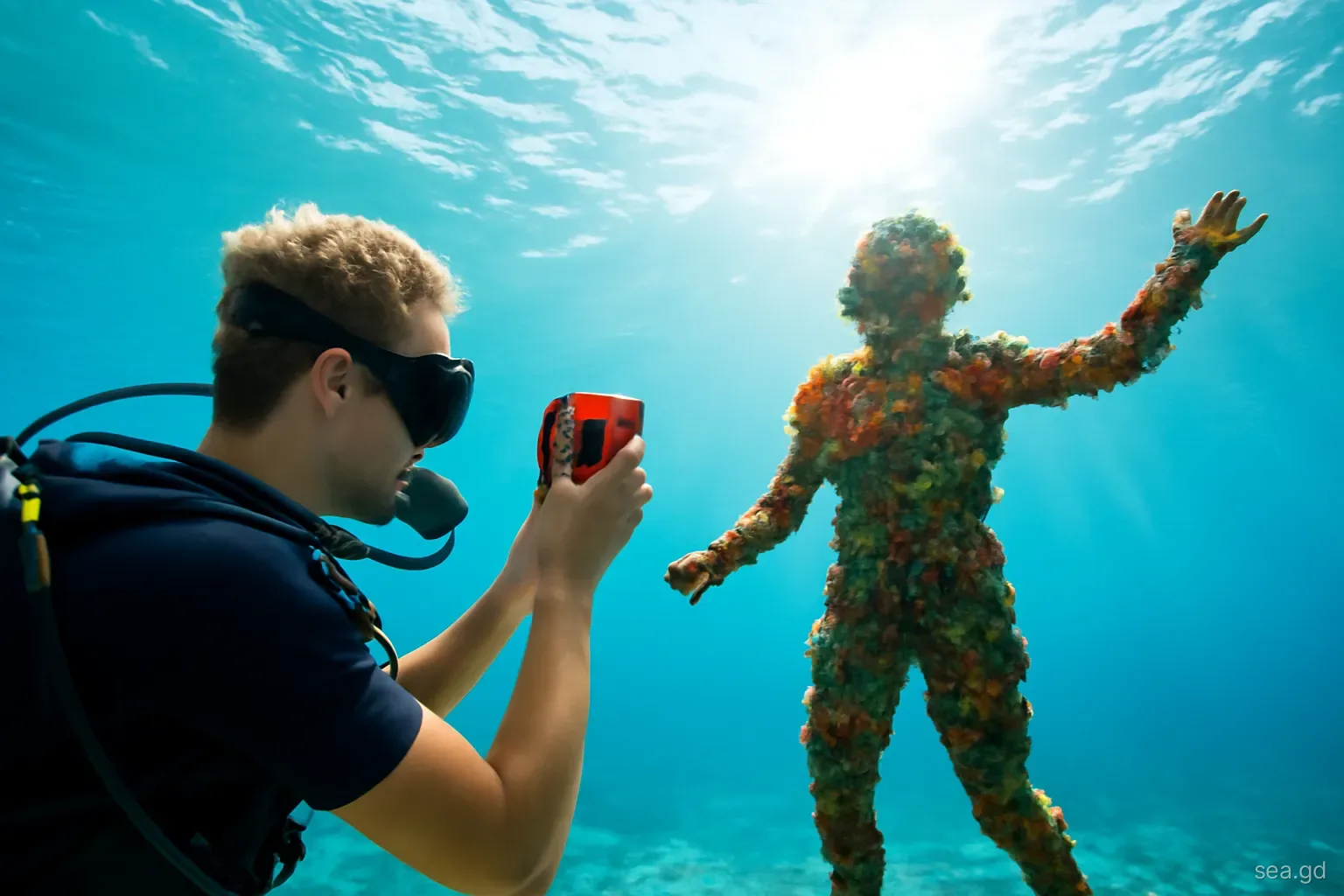
Casting real people. Many of the Grenada figures were cast from living people, often local residents, using moulds taken from their bodies and faces. The result is that the faces on the seabed are portraits of real Grenadians, which gives the work a specific local identity rather than generic statuary.
Materials built for the sea. The figures are made from a marine-grade cement chosen to be pH-neutral and durable underwater, reinforced and given textured surfaces so that coral larvae and other organisms can attach. They were designed to be colonised from the start.
Placement on sand. The works were set on sandy patches rather than on living reef, in shallow water where light supports growth and where snorkellers can see them from the surface.
Art that changes. Taylor has always presented the transformation as part of the work. The sculptures were never meant to stay clean and grey; their value lies in how the sea alters them.
The first works and how the park grew
The first pieces went down in 2006. Among the best known from the early years are Vicissitudes, installed in 2007, a ring of children standing hand in hand on the sand; The Lost Correspondent, a man seated at a desk with a typewriter; The Un-Still Life, a table set with a jug and a bowl of fruit; and Grace Reef, a group of reclining female figures cast from a Grenadian woman and scattered across the bottom, periodically half-buried and uncovered by shifting sand.
After Taylor's initial installations, further works by other artists, including Grenadian sculptors, were added in later years, and the collection is now usually counted at more than sixty-five pieces spread around the bay. They lie mostly at depths of a few metres down to around eight, with the arrangement following the sand patches between reef areas.
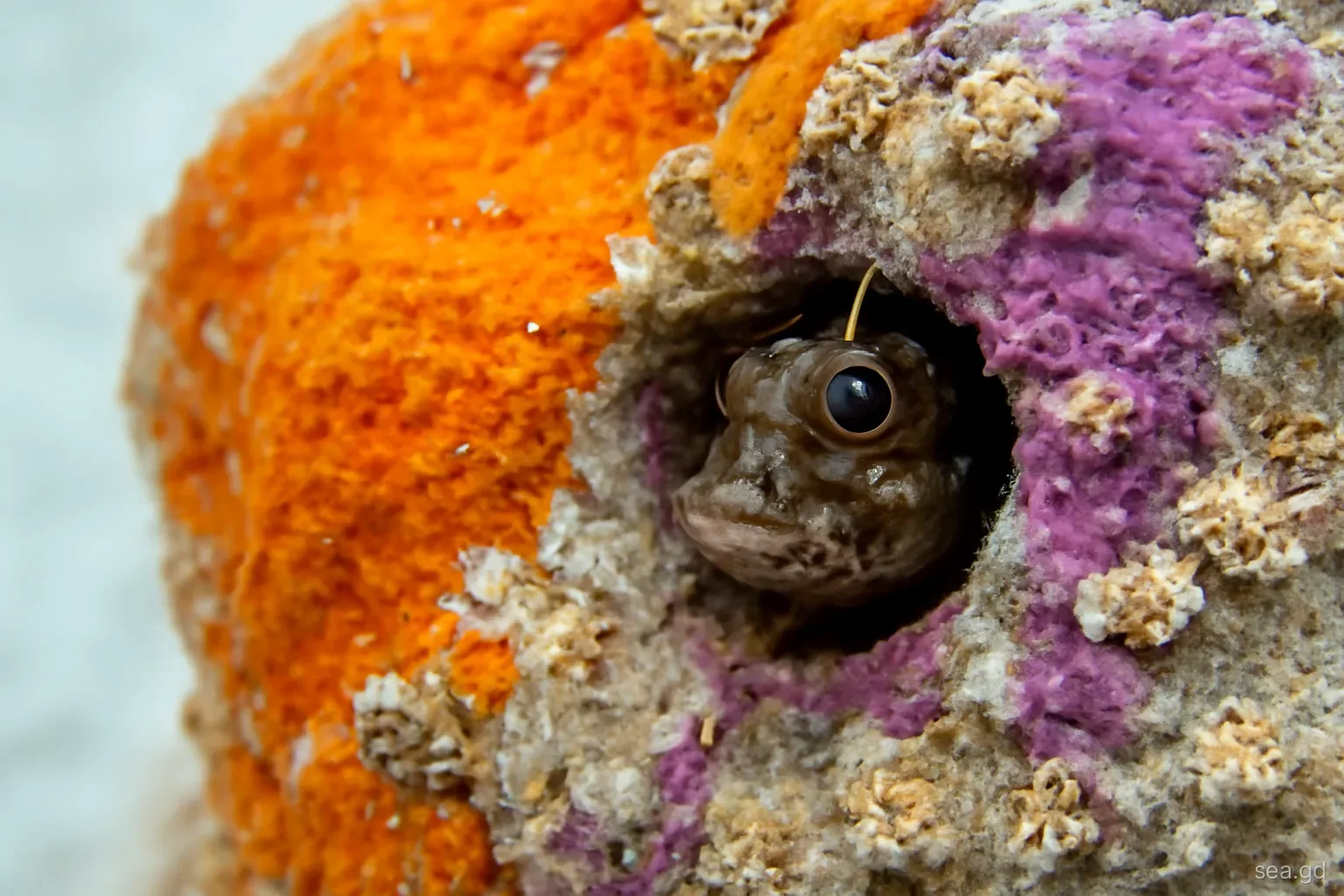
Over almost two decades the sea has done exactly what was intended. Many figures are now thickly encrusted, their features blurred by sponge and coral growth. Some have been damaged by swell and storms, or by visitors standing on them. The park looks very different from the photographs taken in its first years, which is a point worth understanding before you visit.
What Grenada started
A global movement. The attention the Grenada sculptures received led Taylor to larger projects: the underwater museum MUSA off Cancún in Mexico, begun at the end of the 2000s, Ocean Atlas in the Bahamas, and the Museo Atlántico off Lanzarote in the Canary Islands, among others. Underwater art installations now exist in many countries, and Moliniere is generally regarded as the starting point.
An image of Grenada. The circle of children in particular has become one of the most reproduced images of the island, used in tourism promotion and international media. The park is regularly cited in lists of the world's remarkable sights.
A debate about artificial reefs. Marine scientists continue to discuss how much artificial structures add to reef ecosystems compared with simply attracting fish from nearby. The sculptures do provide habitat; whether they increase overall reef life or mainly move it around depends on the site. That debate is healthy and is part of what makes the park interesting.
A source of income. Boat operators, dive shops, water taxi drivers and guides along the south and west coasts earn a living taking visitors to the bay, and the protected-area fees support management.
The park and the protected area today
The sculptures sit inside the Moliniere-Beausejour Marine Protected Area, which covers the stretch of coast from around Moliniere Point south towards Beausejour, including neighbouring bays such as Dragon Bay and Flamingo Bay. The protected area is managed by the Fisheries Division, with wardens on the water, moorings for boats and rules banning fishing, anchoring and the collection of anything living or dead.
Visitors pay a per-person protected-area fee, normally collected through tour operators or directly by the management, and the amount has been revised in recent years, so confirm the current figure when you book. Private boats use designated moorings rather than dropping anchor.
Management has to balance two pressures that the park itself created. Its fame brings many visitors, especially on days when cruise ships are in St George's, and crowded boats and inexperienced snorkellers are the main source of physical damage. Its success also depends on the water quality of the wider coast, which is affected by runoff from the hills, sewage and sediment. Both are reasons the protected-area rules are enforced rather than treated as suggestions.
How to see the park with its story in mind
Knowing the background changes how you visit. A few suggestions for getting more from the trip than a quick look and a photo:
- Ask your guide which works are by Taylor and which were added later; many guides know the history of individual pieces and the people they were cast from.
- Look closely at faces and hands, where the casting detail survives longest, and notice how growth differs between upward-facing and shaded surfaces.
- Visit the neighbouring natural reef on the same trip and compare the two. The contrast is the clearest demonstration of what the project was trying to do.
- Resist the urge to touch, stand on or pose against the figures. The organisms covering them are the art now, and broken growth does not come back quickly.
- Remember that you are inside a marine protected area. Fees, mooring rules and the ban on fishing and collecting are part of what keeps the park alive.
- If you return after some years, look out for how a particular figure has changed; repeat visitors often find this the most rewarding part.
Frequently asked questions
Who created the Grenada Underwater Sculpture Park?
The park was founded by British sculptor Jason deCaires Taylor, who installed the first pieces in Moliniere Bay in 2006. Other artists, including Grenadian sculptors, have added works in later years. Taylor went on to create underwater museums in Mexico, the Bahamas and Spain.
Why was the sculpture park built?
It was created after hurricanes damaged reefs in the area, with the aims of providing new surfaces for marine life to colonise, drawing visitors away from fragile natural reef, and creating a distinctive attraction that combined art, tourism and conservation.
Is it really the first underwater sculpture park in the world?
It is widely described as the first underwater sculpture park open to the public. Isolated underwater statues existed before, such as the Christ of the Abyss in Italy, but Moliniere was the first planned collection of underwater artworks designed as a park.
How many sculptures are there?
Counts usually put the collection at more than sixty-five works, though figures vary depending on how groups are counted and whether damaged pieces are included. Some sculptures are single figures, others groups of many.
Where exactly is the sculpture park?
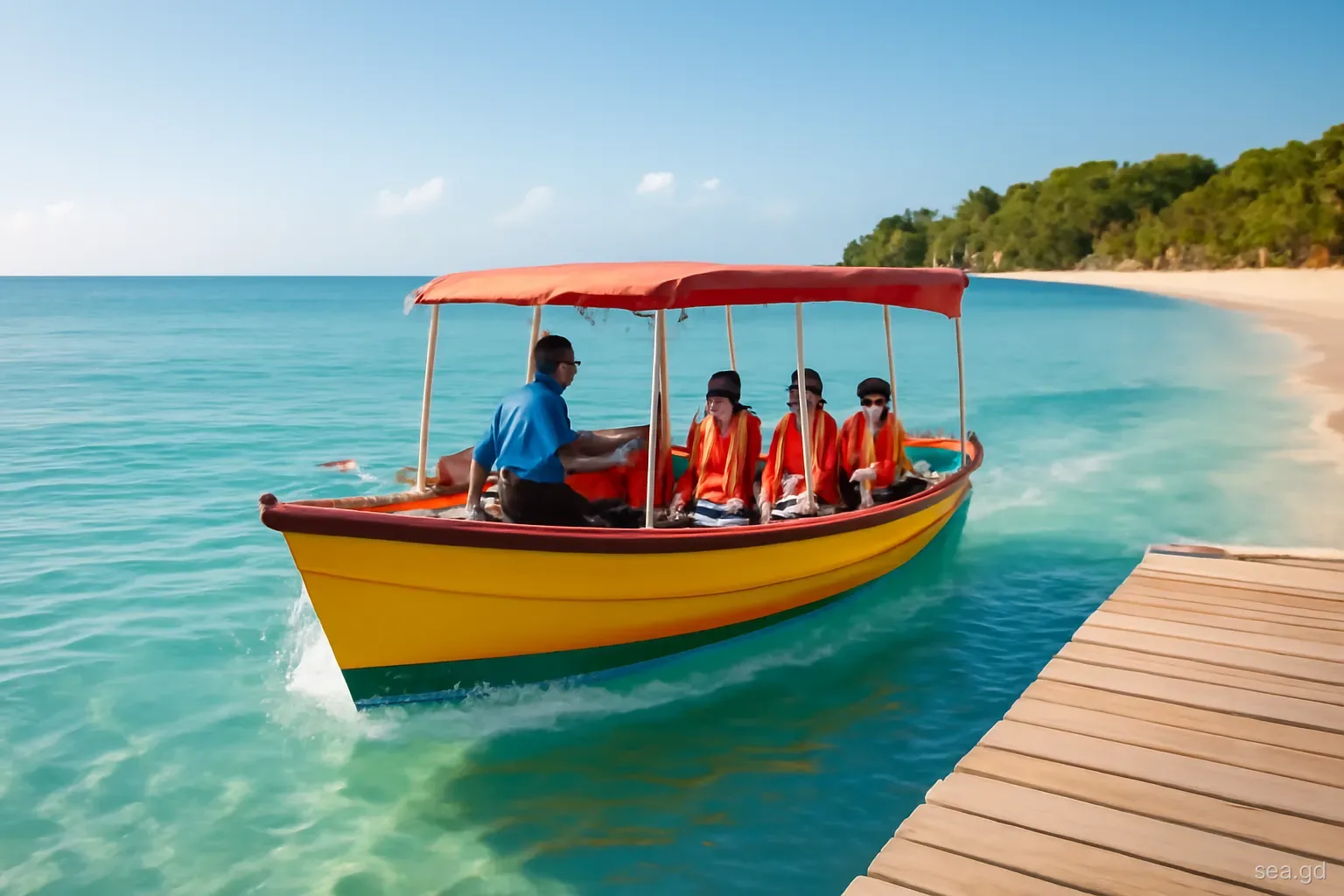
It is in Moliniere Bay on Grenada's west coast, in the parish of St George, north of St George's. It lies within the Moliniere-Beausejour Marine Protected Area and is reached by boat from Grand Anse, St George's or nearby marinas.