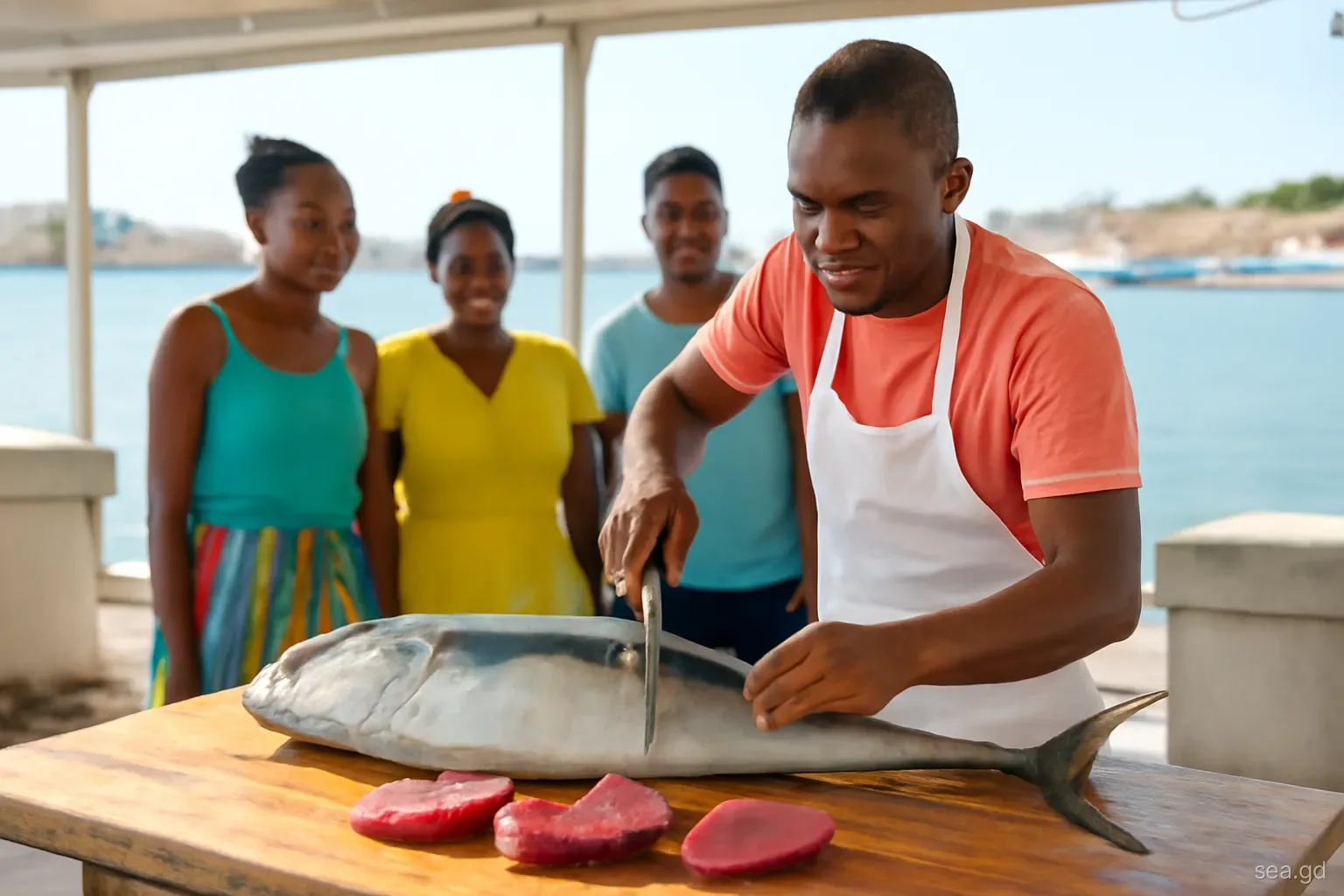
For many Grenadians, the best fish of the week does not come from a restaurant but from the market or straight off a boat. Grenada's fishing industry ranges from longline boats that stay out for days chasing yellowfin tuna for export, to small open pirogues that leave the beach before dawn and return by midday with snapper, jacks and mahi-mahi. Following fish from the sea to the table is one of the best ways to understand the island.
Whether you have caught your own fish on a charter, are buying for a self-catering kitchen or simply want to see the fishing economy at work, this page explains how the fleet operates, where and how to buy fresh fish, how to clean and store it in the heat, and how Grenadians typically cook it.
How Grenada's fishing fleet works
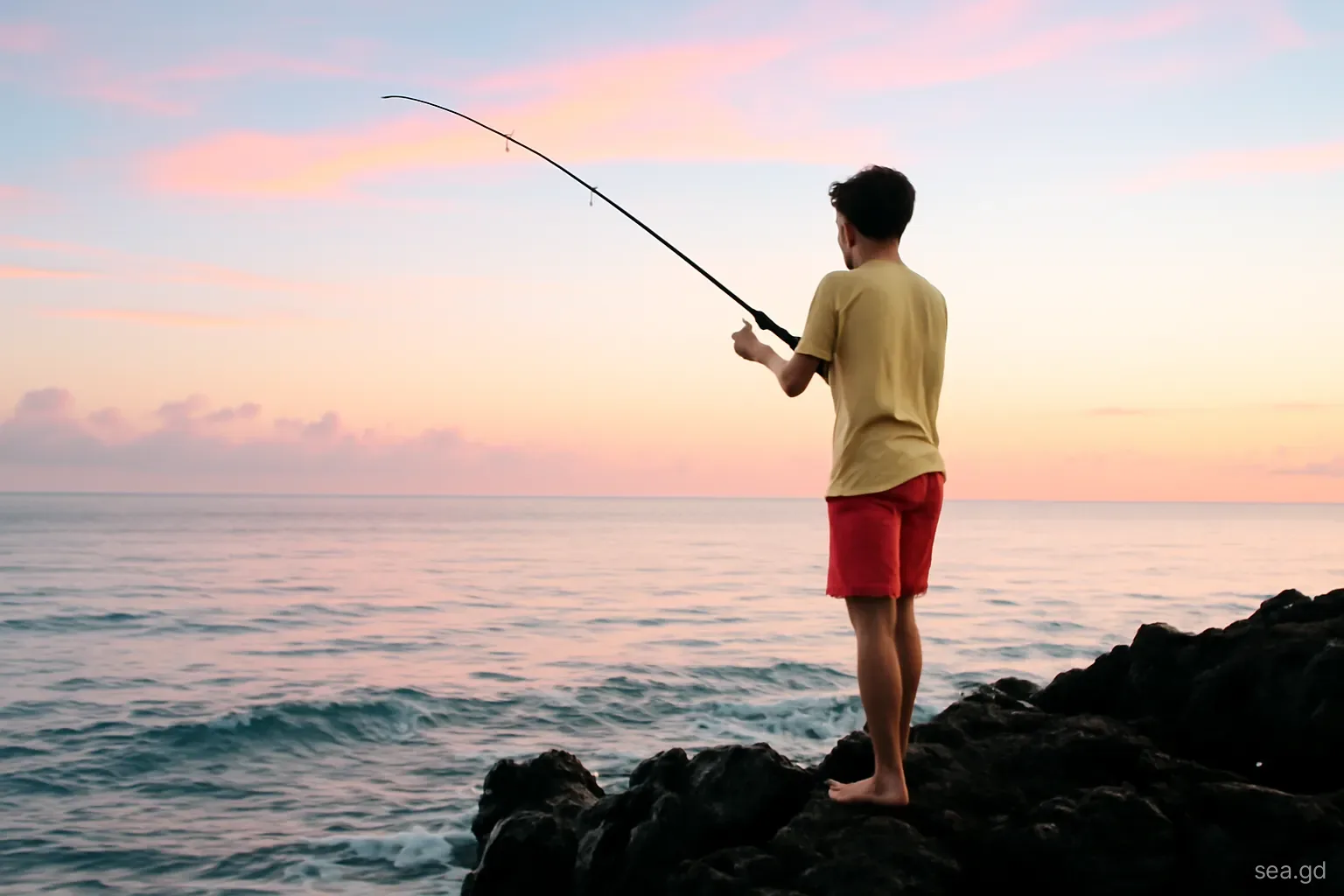
Grenadian fisheries fall into two broad groups. The first is the small-scale, artisanal fleet: open wooden or fibreglass pirogues and slightly larger boats, powered by outboard engines, operating from beaches and small harbours all around Grenada, Carriacou and Petite Martinique. These boats troll for pelagics, set traps, fish with hand lines on reefs and banks, and in some places use seine nets close to shore. Their catch supplies local markets, vendors and restaurants.
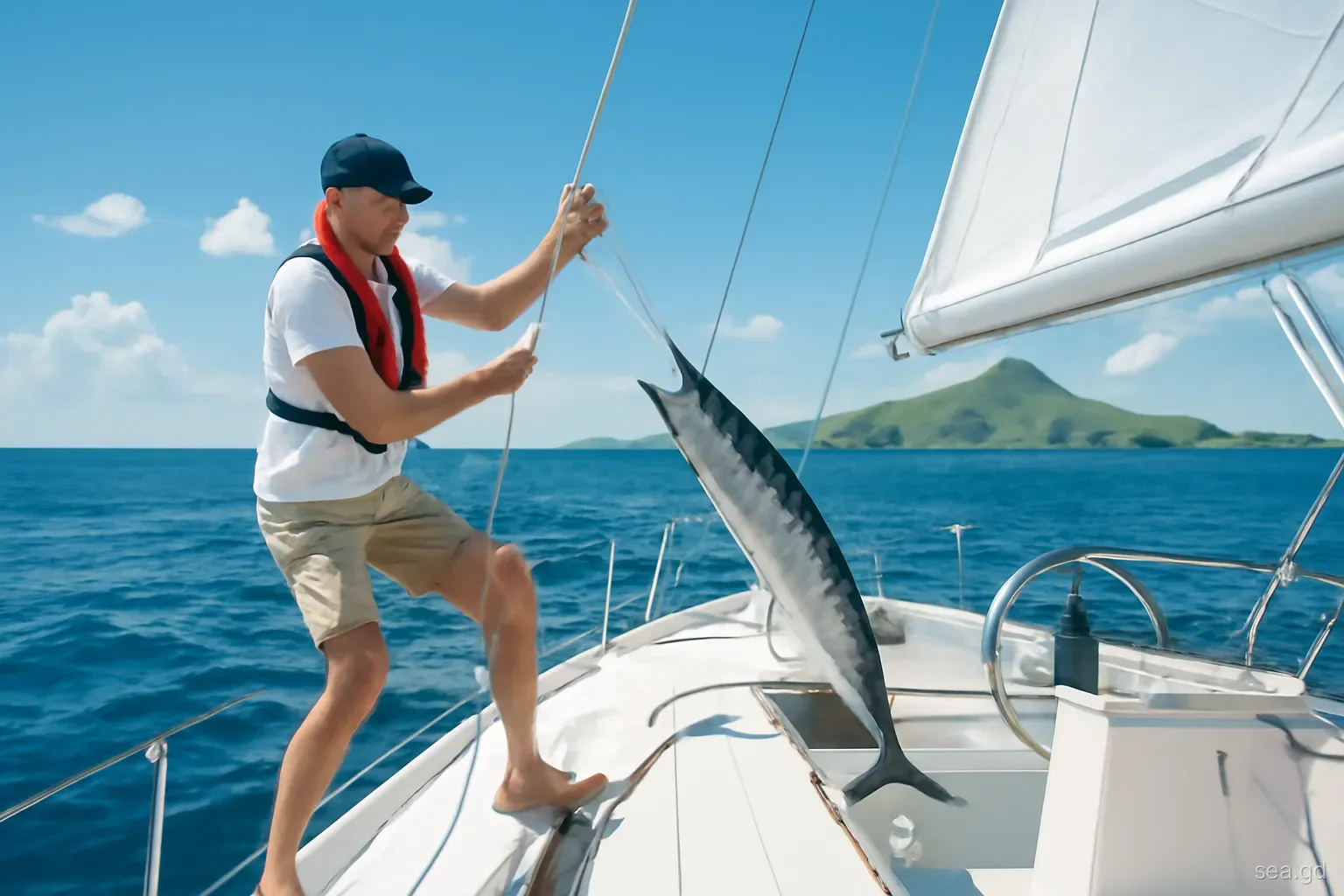
The second is the longline fleet, which has grown over recent decades and targets yellowfin tuna, along with swordfish and other pelagics. Longliners set lines carrying many baited hooks across miles of open sea, staying out for several days. Grenville on the east coast, Gouyave on the west and St George's are important longline bases, and much of the best tuna is exported fresh by air, mostly to North American markets. What is not exported, including smaller tuna and bycatch species, feeds the local market.
Fishing is weather-dependent and risky work. Rough trade-wind seas, the threat of hurricanes and rising fuel costs all affect supply and prices. Hurricane Ivan in 2004 damaged or destroyed many boats on the main island, and Hurricane Beryl in 2024 devastated the fishing communities of Carriacou and Petite Martinique; recovery is ongoing.
Where to buy fresh fish
St George's fish market. The main market in the capital, on Melville Street near the bus terminus and the waterfront, is where many residents buy fish. Arrive in the morning for the best choice, as fish sells quickly once the boats are in.
Gouyave. The town in St John is widely known as Grenada's fishing capital, with a strong fishing culture and a market where catches come ashore. It is also the home of the weekly Fish Friday street food event, where fish and seafood are cooked and sold in the evening.
Grenville. The east coast town has a busy fish market serving St Andrew, and is an important base for longline boats.
Beach landings. In many villages, fishers sell directly from the boat as it lands. Watch for people gathering on the beach when a pirogue comes in. It is informal, cash-only and first come, first served.
Supermarkets. Larger supermarkets around Grand Anse and the south coast sell frozen and some fresh fish, which is convenient but usually less fresh than market fish.
Seasons, shoals and busy days
Supply in the markets follows the sea. In the trade-wind months, roughly December to April, pirogues trolling offshore bring in more mahi-mahi and wahoo, and tuna is usually plentiful; in calmer summer months, reef fish and tuna make up more of what is on offer. Rough weather keeps small boats ashore, and after a few windy days the market tables can be thin and prices higher.
One of the most distinctive local catches is jacks, small silvery schooling fish that come close to shore at certain times of year. On the west coast, and especially around Gouyave, a shoal of jacks can bring out a beach seine crew, with people on the sand hauling the long net in by hand. Jacks are sold cheaply in quantity and are usually fried whole or cooked in broth.
Demand also follows the calendar. Fish is in particular demand around Easter, when many Grenadian families eat fish rather than meat on Good Friday, and in the run-up to Christmas. Shoppers who want a specific fish on those days should arrive at the market very early or order from a vendor in advance.
Buying fish at a Grenadian market: what to know
Fish markets work slightly differently from supermarket counters. A few points help visitors buy well and avoid misunderstandings:
- Bring cash in Eastern Caribbean dollars; card payment is rarely available.
- Fish is usually priced by the pound. Prices vary by species, season and supply, so ask the price per pound before the fish is weighed.
- Look for bright, clear eyes, red gills, firm flesh that springs back when pressed and a fresh sea smell. Dull eyes, brown gills and a strong odour mean the fish is past its best.
- Ask the vendor to scale, gut and cut the fish into steaks or fillets; this is normally offered, sometimes for a small extra charge.
- Bring a cool bag with ice, especially if you have a long drive back to your accommodation.
- Arrive early. By late morning the best fish is often gone, particularly on Fridays and before holidays.
- Be patient and polite. Markets are social places; a greeting before asking prices goes a long way.
Cleaning and storing your own catch
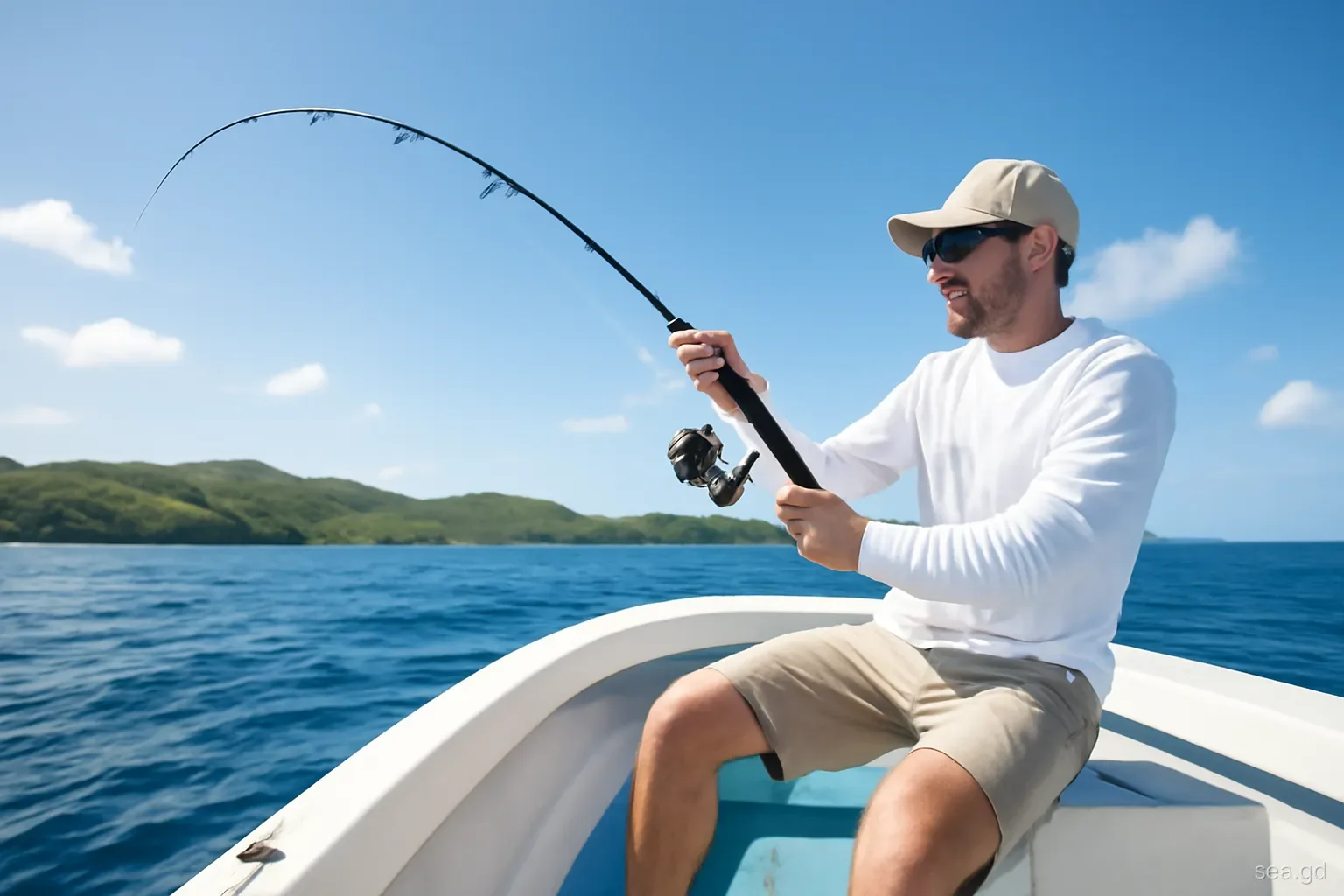
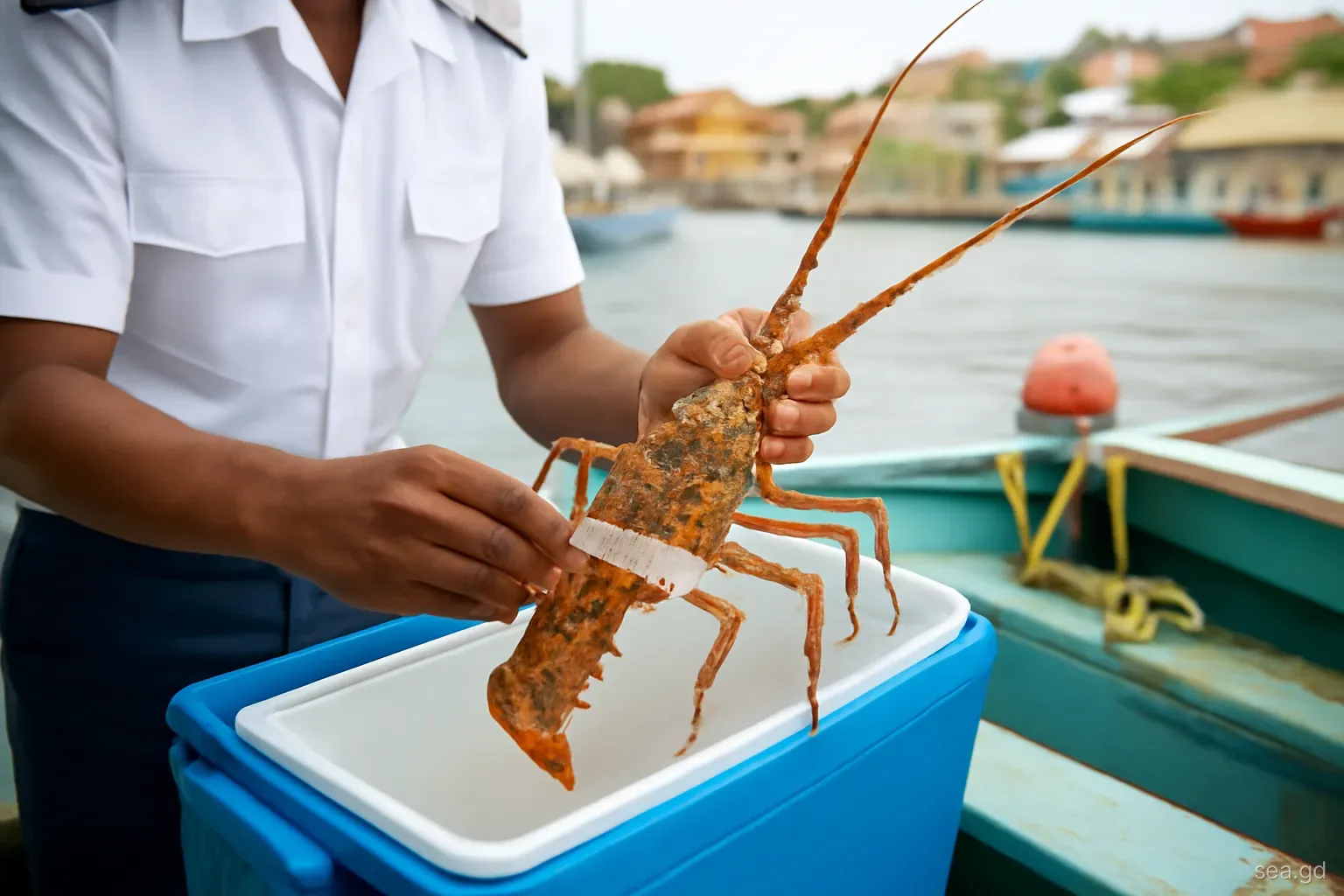
If you have caught fish on a charter, the crew will often clean it for you. If not, or if you are on your own boat, handle fish quickly to keep quality high in tropical heat:
- Bleed the fish as soon as it is landed by cutting through the gills and letting it bleed into the sea or a bucket. This improves flavour and keeps flesh firm.
- Put it on ice immediately. Fish deteriorates fast at Caribbean temperatures; a slurry of ice and seawater chills it fastest.
- Scale reef fish with the back of a knife or a scaler, working from tail to head. Pelagics such as tuna, wahoo and mahi are usually skinned instead.
- Gut the fish by slitting the belly from vent to gills and removing the innards, then rinse the cavity with clean water.
- Fillet or cut into steaks, keeping fillets cold and dry, wrapped in plastic or in a sealed container.
- Refrigerate and eat within a day or two, or freeze. Tuna intended for raw dishes must be very fresh and properly chilled.
- Dispose of scraps responsibly at sea, away from beaches and swimming areas, rather than on the shore.
How Grenadians cook fish
Grenadian fish cookery is built on seasoning. Fish is commonly washed with lime or lemon and salt, then marinated with a green seasoning made from chives, thyme, garlic, onion, hot pepper and other herbs, before frying, stewing or grilling. Fried fish with bakes or with rice and peas is everyday food, and a steaming bowl of fish broth, with fish, ground provisions, dumplings and herbs, is a favourite remedy and comfort meal.
Tuna, wahoo and mahi-mahi are excellent grilled as steaks, and appear in many restaurants as the fish of the day. Jacks and other small fish are often fried whole until crisp. Saltfish, dried salted cod, is a staple ingredient in dishes such as saltfish souse and oil down, the national dish, though it is imported rather than caught locally. Lambi, the local name for conch, is served curried, stewed or as souse.
For visitors cooking their own catch in a holiday rental, simplicity works best: season with lime, salt, garlic and herbs, grill or pan-fry, and serve with local ground provisions such as breadfruit, dasheen or sweet potato from the market. Many restaurants and some hotels will cook a guest's catch for a fee if asked in advance.
Frequently asked questions
Where is the main fish market in St George's?
The main fish market in St George's is on Melville Street, near the bus terminus and the waterfront. It is busiest in the morning, when boats have landed their catch. Arrive early for the best selection, bring cash in Eastern Caribbean dollars and a cool bag with ice.
Why is Gouyave called the fishing capital of Grenada?
Gouyave, in the parish of St John on the west coast, has a long tradition of fishing, a large fishing community and an active fishing harbour. It is also an important base for boats that fish for tuna and other pelagics, and hosts the popular weekly Fish Friday street food event.
Can restaurants in Grenada cook fish you caught yourself?
Some restaurants and hotels will cook a guest's catch, particularly around the south coast and Grand Anse, usually for a fee and with some notice. Ask in advance, bring the fish already cleaned and chilled, and agree the price and preparation style beforehand.
What fish is best to buy in Grenada?
Fresh yellowfin tuna, mahi-mahi, wahoo and snapper are among the most popular choices. Availability depends on the season and the day's catch. Pelagic species such as tuna, wahoo and mahi carry very little ciguatera risk, while very large reef predators are best avoided.
How should fresh fish be stored in the Caribbean heat?
Bleed fish immediately after catching, chill it straight away on ice or in an ice and seawater slurry, and keep fillets cold and dry in a sealed container. Refrigerate and eat within a day or two, or freeze it. Fish left warm for even a few hours deteriorates quickly.