The Underwater Sculpture Park is on almost every list of things to do in Grenada, and its photographs are spectacular. Most visitors enjoy it. A noticeable minority come back underwhelmed, usually because what they found was not what the pictures promised. The gap between expectation and reality is the single biggest factor in whether the trip feels worthwhile.
This page sets out, plainly, what the sculptures look like now, what the experience involves, the downsides guidebooks tend to skip and which kinds of visitor are likely to love or regret the trip. It is not an argument against going; for many people it is a highlight. It is an attempt to make sure you go for the right reasons.
What the photographs do not show
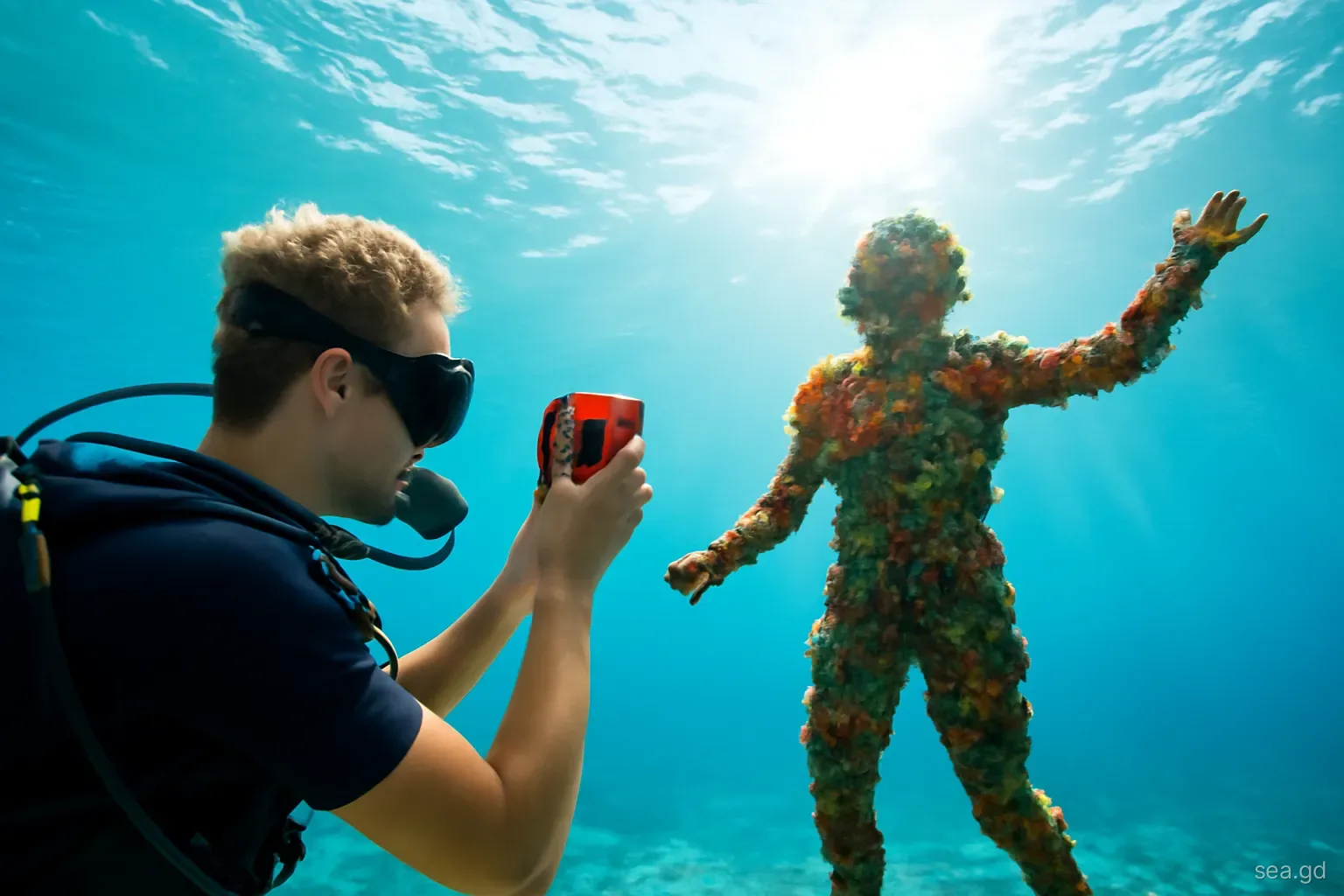
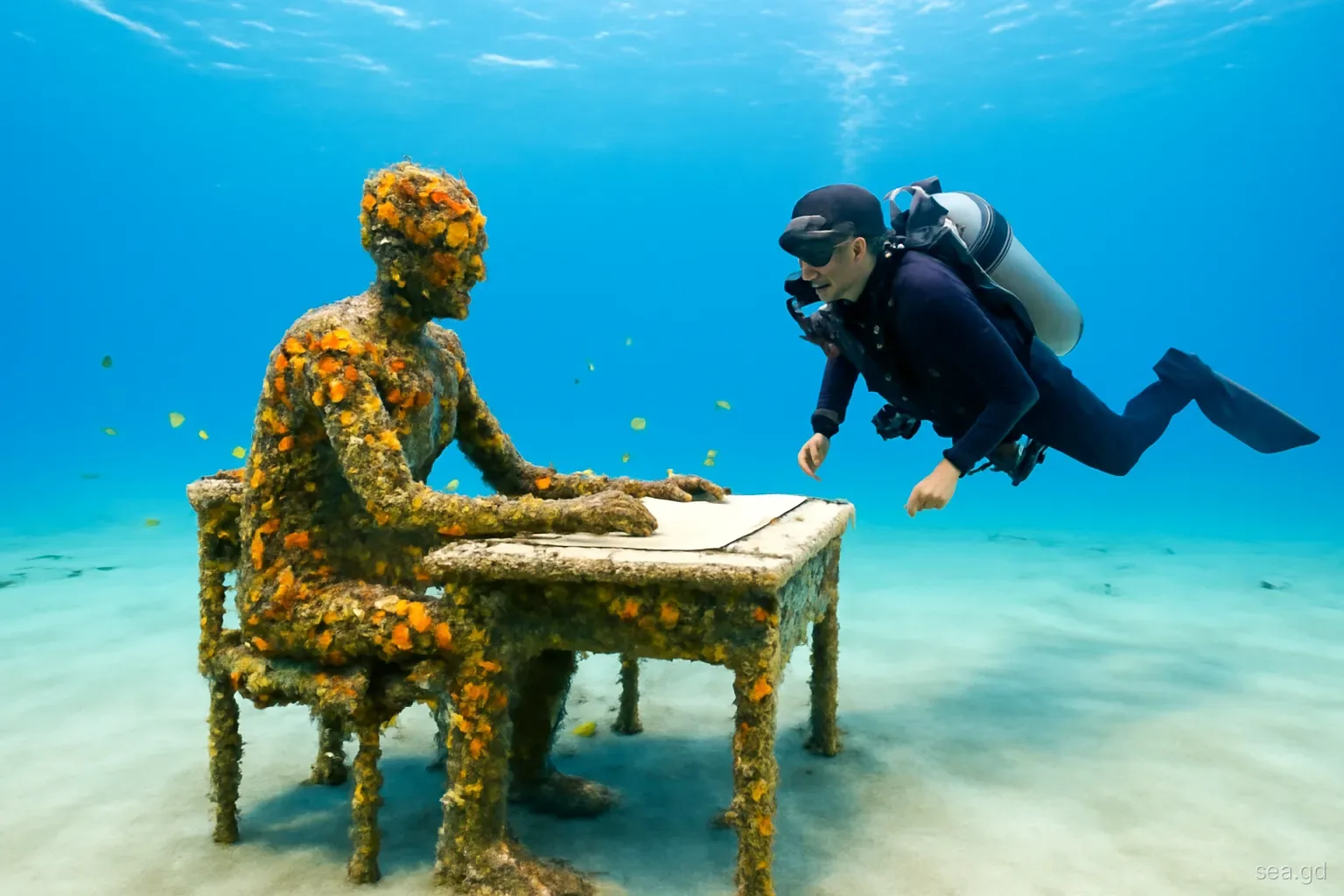
The sculptures are heavily overgrown. Most widely shared images date from the early years, when the figures were clean and grey with crisp faces. After nearly two decades many are thickly coated in sponges, algae and coral, and some faces are barely recognisable. That was the artist's intention, but it surprises people.
They are smaller and more spread out than expected. The pieces are life-size or smaller, scattered across several sand patches in the bay. You will not see sixty-plus works on one snorkel; a typical guided swim covers the main groups and a handful of others.
Colours are muted. Professional photographs are usually colour-corrected and taken in ideal light. To the naked eye at a few metres, the scene is blue-green with patches of colour on the growth.
Visibility varies. On a calm, sunny morning after dry weather the water can be very clear. After heavy rain or with a northerly swell it can be murky, and the figures appear only when you are right above them.
The experience itself
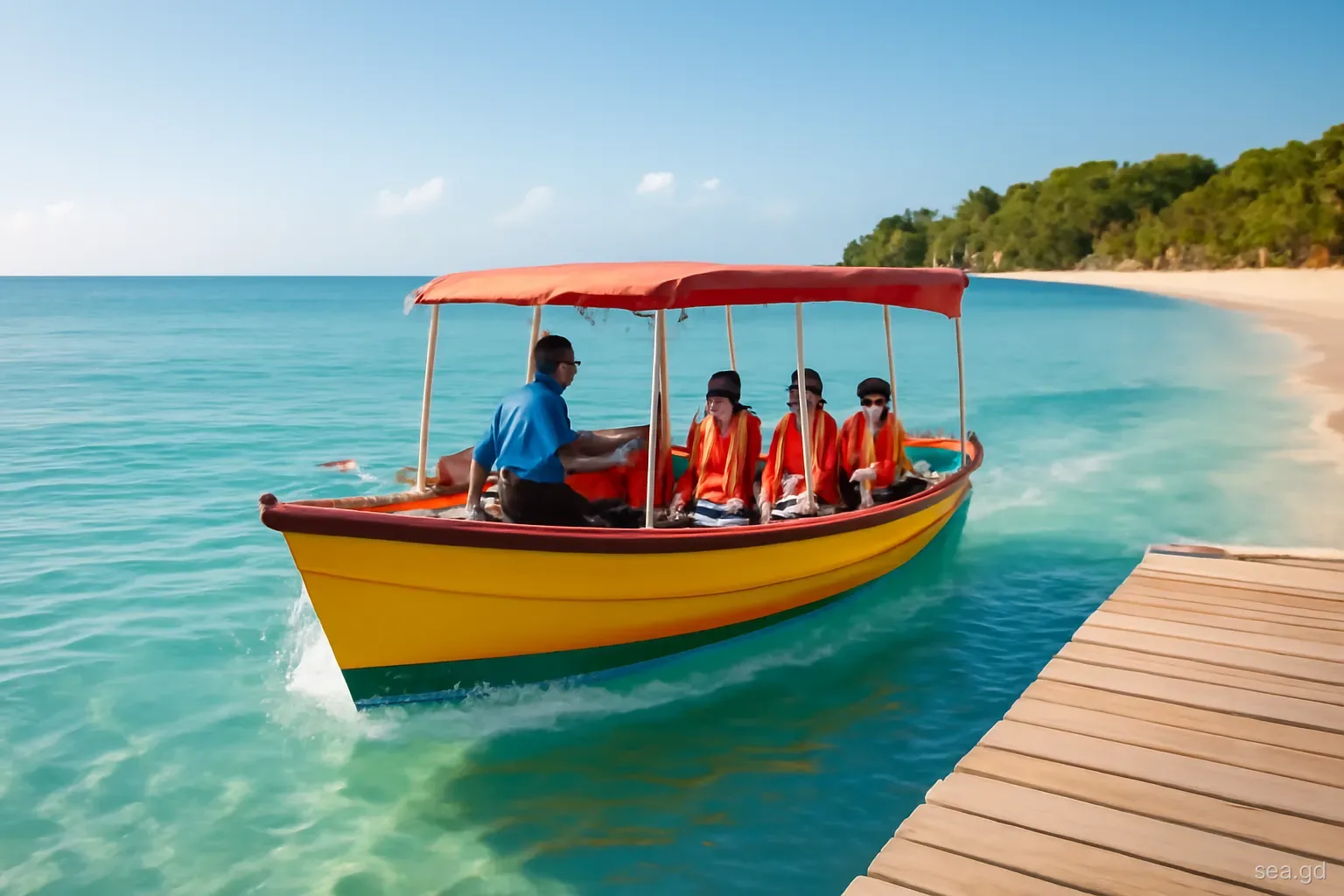
A typical trip involves a twenty- to thirty-minute boat ride from the Grand Anse area, forty-five minutes to an hour in the water, and often a second stop at a reef or beach. In the water you float face down behind a guide, moving from one group of figures to the next. The water is warm and usually calm, and the main works are shallow enough to see from the surface.
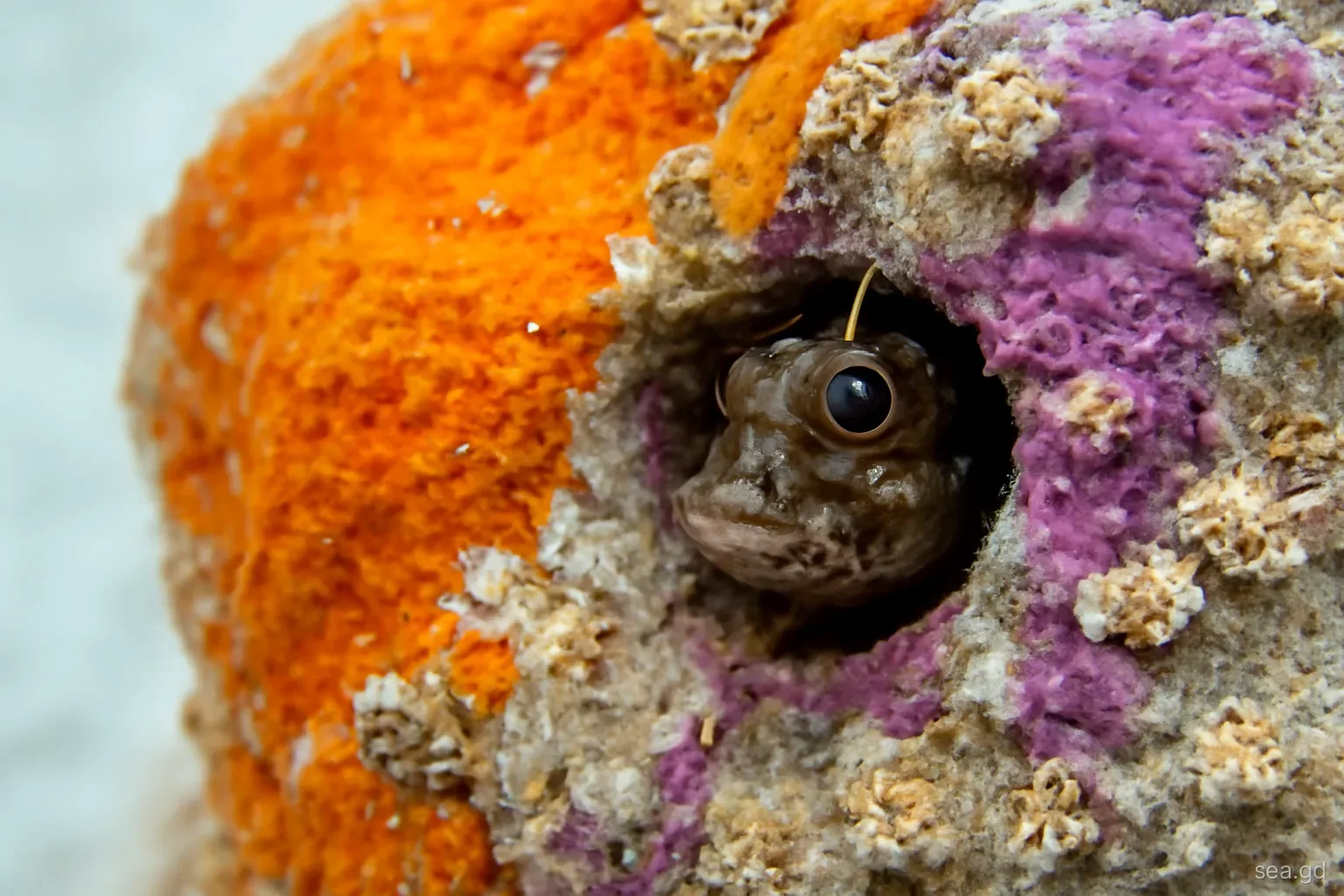
The best moments tend to be quiet ones: hovering above the circle of children as light moves across the sand, finding a fish sheltering under a seated figure, or seeing a face emerge from the growth. The atmosphere is strange and slightly haunting, which is part of the appeal and unlike any natural reef.
The fish life on the sculptures themselves is moderate. Neighbouring natural reef, around Moliniere Point and in the nearby bays, generally has more coral and fish, which is why good trips include both.
The downsides guidebooks skip
None of these is a reason to stay away, but each is worth knowing before you book.
- Crowds on cruise-ship days. When several ships are in St George's, excursion boats arrive at similar times and the bay can feel busy, with large groups in the water around the best-known works.
- Fees on top of the trip price. A per-person marine protected area fee applies, and the amount has been revised in recent years. Some operators include it; others add it. Ask.
- Short time at the park on some trips. Combined cruises may give the sculptures only a brief stop. If the park is your priority, choose a trip built around it.
- Sun exposure. Floating face down for an hour burns backs and legs badly. A rash vest is not optional for most people.
- Seasickness. The boat ride is short, but bobbing at a mooring while others get ready can unsettle sensitive stomachs.
- Damage from other visitors. You may see people standing on or touching the figures. It is against the rules and harmful; guides should stop it, and you can ask them to.
Who will love it
Art and culture lovers. The park is first and foremost an artwork, and visitors interested in sculpture, Caribbean history or environmental art usually find it moving and memorable.
Curious snorkellers. Anyone comfortable in open water who enjoys looking closely will find plenty to see, especially if they treat the growth on the figures as part of the interest.
Divers. From below the sculptures are more striking, and the dive is gentle enough to be enjoyed by new and experienced divers alike.
Repeat visitors. People returning after some years often find the changes fascinating, seeing how a particular figure has been transformed.
Families with confident children. Many children find the faces and figures intriguing, and the shallow water and guided format suit them well.
Who might be disappointed, and what to do instead
Those expecting a pristine statue garden. If clean, sharply defined sculptures are what you want, the reality will disappoint. Look at recent, uncorrected photographs before you book to calibrate expectations.
Reef-fish enthusiasts with limited time. If colourful coral and abundant fish are the priority, a natural reef such as Flamingo Bay or Dragon Bay in the same protected area, or a reef dive elsewhere, may suit better. Many trips combine both.
Nervous or non-swimmers. Being pushed into open water you are not comfortable with spoils the experience. A glass-bottom boat or a calm-beach snorkel elsewhere may be more enjoyable.
Visitors with a single day on a busy cruise schedule. If the only available slot is midday on a five-ship day, expect crowds. A different excursion may give more for the time.
Is it good value?
Compared with other half-day sea trips in Grenada, a sculpture park snorkel sits in the middle of the price range, and the protected-area fee adds a modest amount on top. Prices vary by operator, group size and what is included, and they change, so compare a few offers and confirm what each covers before deciding.
Value depends less on the headline price than on what you actually get in the water. A cheap trip that gives you twenty crowded minutes and no guide is poor value; a slightly more expensive small-group trip with a guide who swims you round the main works and adds a reef stop is usually the better deal. For divers, adding the park as one dive of a two-tank trip is an efficient way to include it.
Remember that part of what you pay supports the management of the protected area, its wardens and moorings. That is money that helps keep the bay worth visiting.
Questions to ask yourself before booking
A minute of honest reflection usually tells you whether the park belongs in your plans or whether another trip would suit you better.
- Do you enjoy art and stories as much as wildlife? If so, the park will likely reward you; if you want fish above all, a reef may suit you better.
- Are you comfortable floating in water deeper than your height for most of an hour, or would a vest and a guide make you comfortable?
- Have you seen recent, unedited images of the sculptures, so you know what overgrown figures look like?
- Do you have flexibility to choose a calm morning, or is your only option a busy midday slot?
- Would you rather dive than snorkel, and is there a two-tank trip that includes the park?
- Is anyone in your group likely to be seasick or nervous on a small boat?
How to make it worth it
If you decide to go, a few choices tilt the odds strongly in your favour.
- Book a small-group trip built around the park, with a guide who swims with the group, rather than a crowded cruise that stops briefly.
- Go in the morning, on a calm and sunny day, preferably after dry weather, and avoid days with several cruise ships in port if you can.
- Bring or hire a mask that fits and test it on the boat. Wear a rash vest.
- Read about the history and the main works beforehand so you know what to look for and why the figures look the way they do.
- Ask for a stop at the natural reef nearby, which completes the picture.
- Consider diving if you are certified; the perspective from below transforms the experience.
- Treat the figures as living reef, keep your hands and fins off them and enjoy watching them at a distance.
Frequently asked questions
Is the Underwater Sculpture Park worth visiting?
For most visitors who swim comfortably and know what to expect, yes. It is a unique artwork in a beautiful setting. Those expecting clean statues or abundant reef fish are more likely to be disappointed. Combining it with a natural reef stop improves the trip.
How many sculptures will you see on a snorkel trip?
A typical guided snorkel covers the best-known groups, including the ring of children, and a handful of other works. The collection of more than sixty-five pieces is spread around the bay, and some lie deeper or in less-visited areas.
Is the sculpture park better for snorkellers or divers?
Both enjoy it. Snorkellers see the overall layout clearly from the surface; divers get closer views of faces, details and marine life. Divers often rate the experience more highly because of the perspective from below.
When is the sculpture park least crowded?
Early mornings and days without several cruise ships in St George's are quieter. Late spring and the autumn shoulder season tend to be calmer for visitor numbers. Your operator can advise on which days are busiest.
Why do the sculptures look different from photos?
Many popular photographs were taken in the park's first years and are colour-corrected. Since then, sponges, algae and corals have grown over the figures. The transformation is intentional, turning the sculptures into an artificial reef.