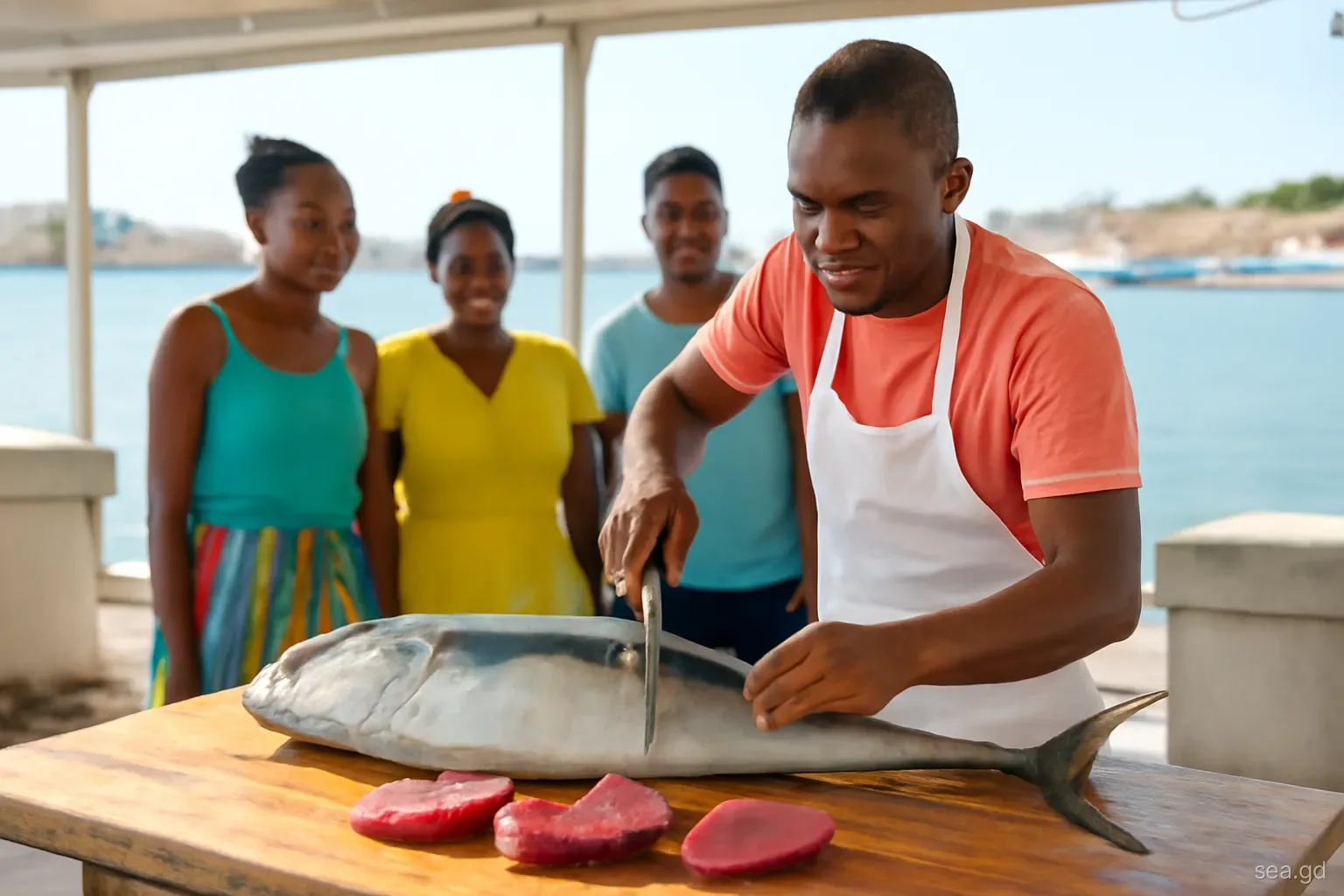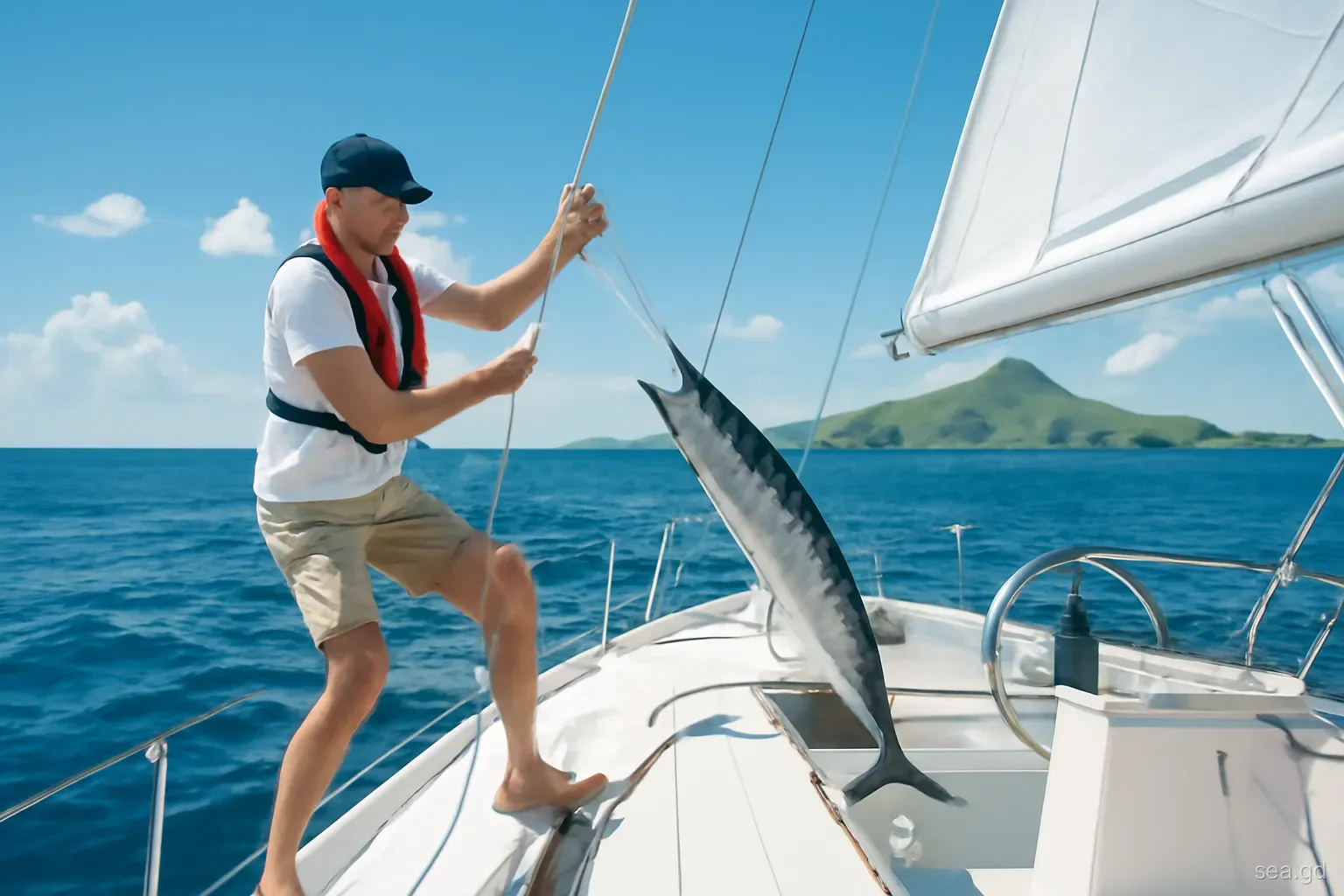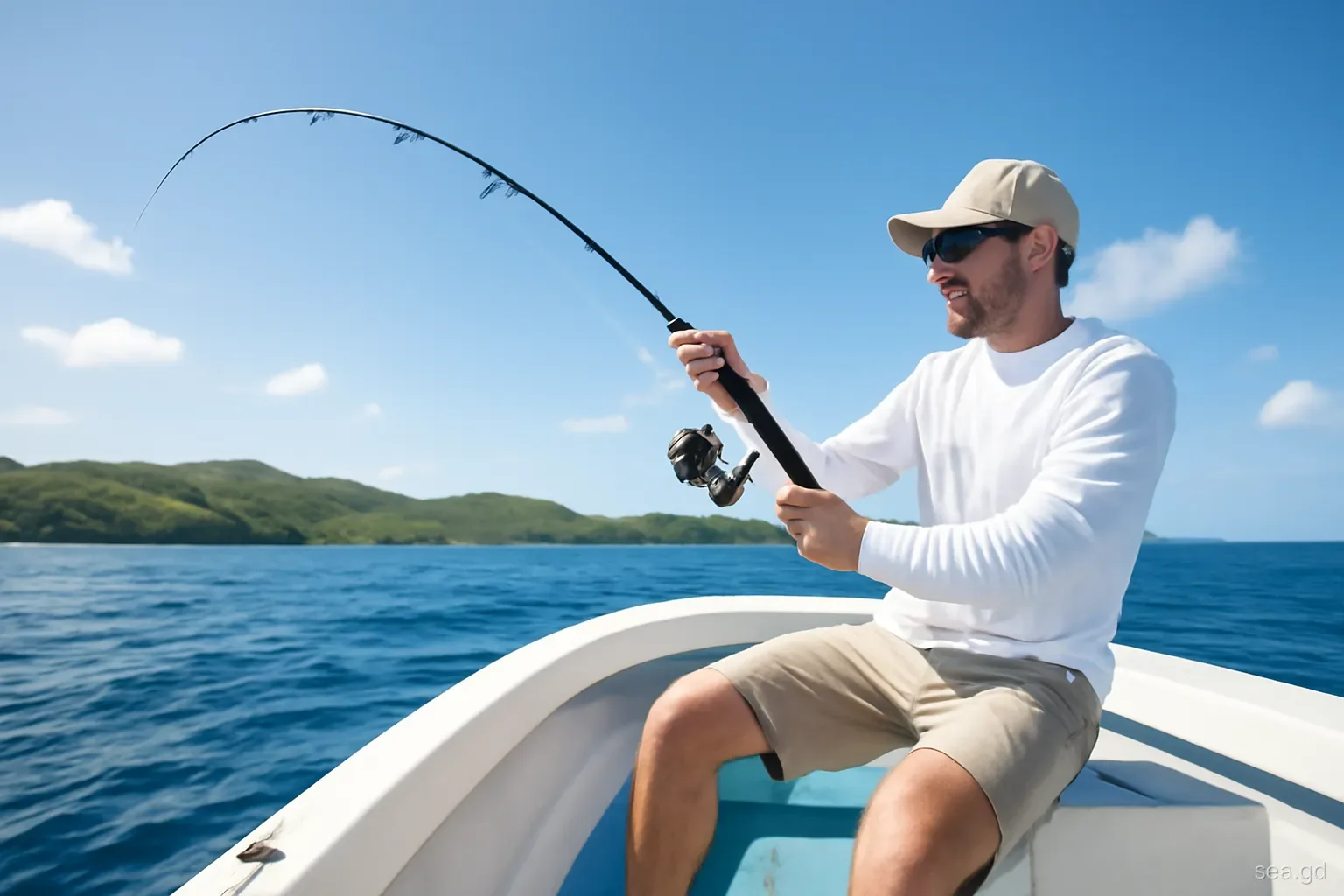
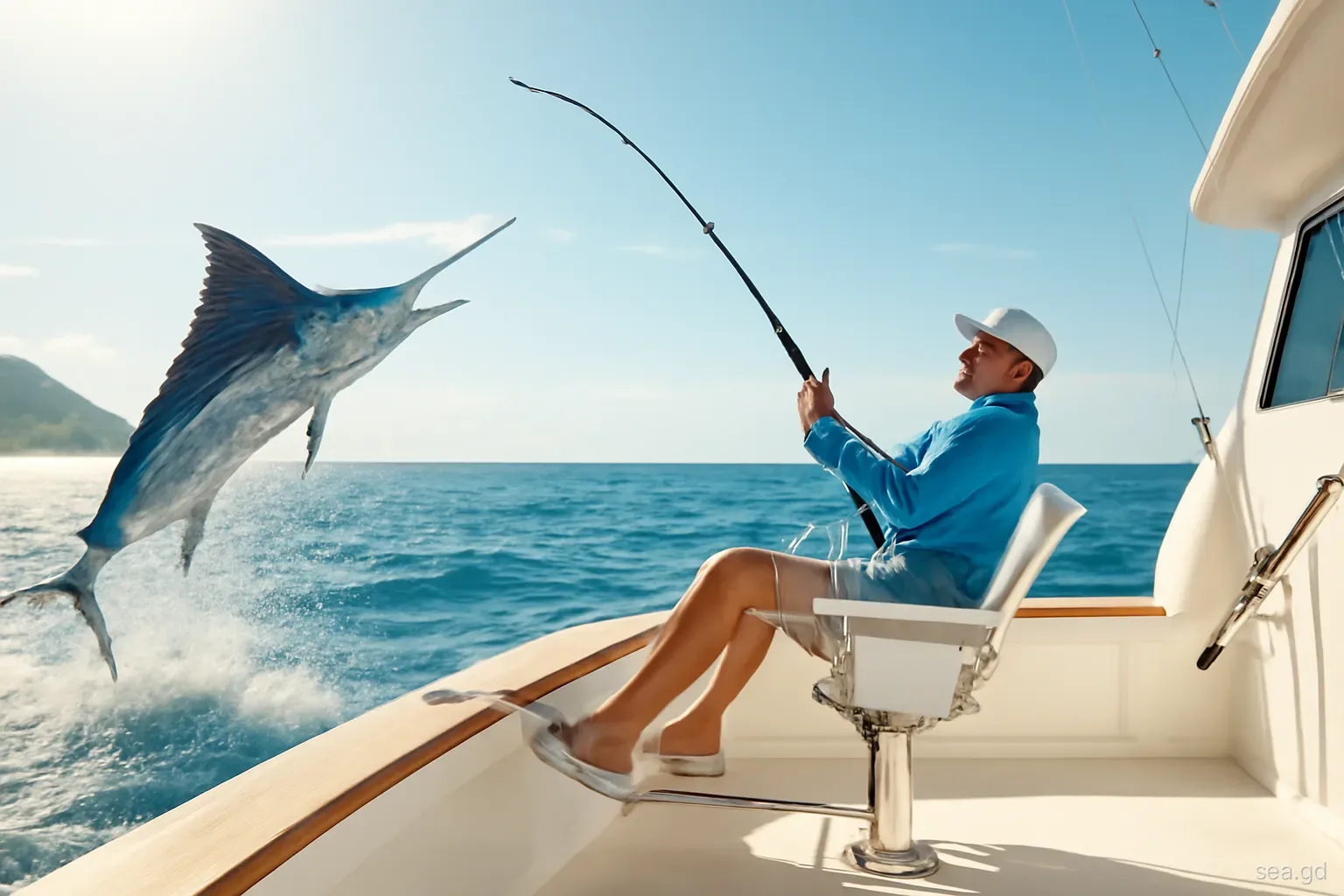
Grenada sits where deep Atlantic and Caribbean water runs close to land. Off the west coast the seabed falls steeply into the Grenada Basin, and to the north and south lie banks and ledges where currents push bait up toward the surface. That geography is why billfish, tuna, wahoo and mahi-mahi can be found within a relatively short run of St George's, and why the island has hosted a serious billfish tournament for decades.
There is no closed season for most sport fishing, and something is always biting. But the mix of species shifts through the year with water temperature, wind, currents and the movement of bait. This calendar sets out what local skippers generally expect month by month, so you can match a trip to the fish you most want to catch. Treat it as a guide to likelihood rather than a promise; pelagic fish move, and a good week can turn up in any season.
Why the season matters less here than in some places
In northern destinations such as the Bahamas or Florida, a few months of cold water bring a clear off-season. Grenada lies around 12 degrees north, and sea temperatures stay warm all year, typically between the mid and high twenties Celsius. The big pelagic species are present in most months, which is why many charter boats run year-round and why commercial longliners from Grenville, Gouyave and St George's land tuna throughout the year.
What does change is concentration. In some months a species turns up in numbers, as it follows bait schools or migrates through the region; in others it is a lucky bonus. Wind also shapes the season. The trade winds are typically strongest from about December to April, which brings choppier offshore conditions but also stirs up the surface and concentrates bait along current lines. Summer and early autumn tend to be calmer and hotter, with more rain and, occasionally, tropical weather that can keep boats in harbour.
Floating sargassum weed, which arrives in varying amounts most years, matters too. Weed lines and patches are magnets for small fish and therefore for mahi-mahi and other predators, though heavy mats can foul lures and make trolling frustrating.
Species by season: what skippers generally expect
Blue marlin. The prize of Grenada's waters and present in most months. Many local skippers regard the period from roughly late autumn through spring as the most productive, and the Spice Island Billfish Tournament is traditionally held in January for that reason. Summer fish are possible, and some of the larger individuals have been reported outside peak months.
Sailfish. Most associated with the cooler, windier months, roughly December to March, when they can be encountered in good numbers off the west coast. Sailfish are usually released.
White marlin. Less common than blues and sailfish, and generally a bonus catch in the first half of the year.
Wahoo. Fast, toothy and excellent eating. Wahoo are usually most reliable from around November to March, often caught along drop-offs and banks on high-speed lures.
Mahi-mahi. Known locally as dolphin or dolphinfish, and unrelated to dolphins. Typically most abundant in the winter and spring months, especially around floating weed and debris.
Yellowfin tuna. Caught through much of the year by the commercial fleet. For sport anglers, schools of yellowfin under feeding birds are a highlight of many spring and early summer trips.
Blackfin tuna, skipjack and little tunny. Smaller tunas, locally often lumped together as bonito, are common year-round and give fast, fun action on light tackle.
Barracuda, kingfish and jacks. Inshore and reef-edge species available throughout the year, often filling gaps on slow offshore days.
Inshore and bottom fishing: the steady year-round option
Not every trip has to chase pelagics. The reefs, ledges and banks around Grenada and the Grenadines hold snapper, grouper, hinds, jacks and grunts throughout the year, and bottom fishing is less affected by the seasonal movements that make offshore fishing hit-and-miss. On a windy trade-wind day when the open sea is uncomfortable, a skipper may suggest fishing in the lee of the island or over a nearby bank instead.
Bottom fishing is also where local regulations and conservation concerns matter most. Groupers and large snappers grow slowly and gather to spawn at predictable times and places, which makes them vulnerable to overfishing. Many conscientious skippers limit how many large reef fish they keep and release spawning-size fish. Marine protected areas, including the Molinière-Beauséjour reserve on the west coast, the Woburn and Clarkes Court Bay area in the south and the Sandy Island Oyster Bed area in Carriacou, are closed to fishing altogether.
Month-by-month at a glance
The following summary reflects broad patterns described by local charter skippers and the tournament calendar. Years vary, and recent local reports beat any chart:
- January to March: peak billfish period for many boats, with sailfish and blue marlin; wahoo and mahi-mahi usually good; strong trade winds and lumpy seas offshore. Tournament season.
- April to May: winds ease; blue marlin still active; yellowfin tuna and mahi often good; generally pleasant conditions for full days offshore.
- June to August: calmer, hotter weather; tuna and smaller pelagics dominate; blue marlin possible; sargassum can be heavy in some years.
- September to October: the quietest season for visitors and charter bookings; rain, heat and the peak of hurricane season. Fishing can still be productive on settled days.
- November to December: winds build and the billfish season starts to pick up; wahoo arrive in better numbers; a popular time for boats preparing for the January tournament.
Weather, sea state and comfort
Fish are not the only factor in timing a trip. The trade-wind months that bring good billfish fishing also bring the roughest seas. Offshore swells of two metres or more are routine when the trades blow hard, and the boats run out into open water where the wind has a long fetch. People prone to seasickness should take precautions or choose half-day trips on the more sheltered west coast during that season.
The calmer months from about April to August are kinder to passengers, and summer mornings can be glassy. September and October bring the highest rainfall and the peak of the hurricane season. Grenada lies near the southern edge of the main hurricane belt and is struck less often than islands farther north, but it is not immune, as Ivan in 2004 and Beryl in 2024 showed. Charter operators cancel when tropical weather threatens, and a flexible schedule is the best protection.
Time of day matters too. Most offshore trips leave early, because conditions are often calmer in the morning and many skippers like to be on the grounds at first light. Some boats run afternoon half days, which can be productive when tuna feed late in the day.
How to time a fishing trip around your target species
If a particular fish is the goal, a few simple steps improve the odds considerably:
- Decide on a primary target. Billfish, wahoo, tuna and bottom fish need different tactics and sometimes different boats.
- Match the month to the target using the broad patterns above, then ask two or three charter operators what has been caught in recent weeks.
- Book a full day rather than a half day for billfish. The best grounds can be a long run from the dock, and marlin fishing rewards hours on the water.
- Build in a spare day. Strong trade winds or a passing tropical wave can cancel a trip; having a second date keeps the plan alive.
- Ask how the boat handles catch and release. Most crews release billfish and keep some tuna, wahoo or mahi for eating; agree expectations before you leave.
- Check tournament dates. During the Spice Island Billfish Tournament in January, many of the best boats and crews are committed, which can make charter booking harder.
Frequently asked questions
What is the best month for deep-sea fishing in Grenada?
For billfish, many skippers favour roughly December to April, with January a traditional peak. For tuna, mahi-mahi and general pelagic action, the spring months are often productive and calmer. Fishing is possible all year, so the best month depends on your target species and how much rough water you are willing to accept.
Can you catch blue marlin in Grenada all year?
Blue marlin are found in Grenada's waters in most months, though catch rates vary. Many local skippers consider late autumn through spring the most productive period. A summer marlin is entirely possible but should be seen as a bonus rather than the expected outcome of a single trip.
What is the difference between mahi-mahi and dolphin in Grenada?
They are the same fish. In Grenada and much of the Caribbean, mahi-mahi is commonly called dolphin or dolphinfish. It has no connection to dolphins, the marine mammals, which are protected. Restaurant menus may use either name, and mahi is one of the most popular eating fish caught on charters.
Is fishing good during hurricane season in Grenada?
Fishing can be good on settled days between June and November, and summer often brings calm seas with tuna and other pelagics. The main issue is the risk of tropical weather, which can cancel trips at short notice. Keep plans flexible and follow official forecasts.
How far offshore do charters go to find billfish?
Grenada's deep water is relatively close to the west coast, so boats often begin fishing within a short run of port. The exact grounds depend on currents, bait and recent reports, and a full-day billfish trip may range widely along drop-offs and banks. Ask your skipper about the typical run time.