Grenada is a good place to learn to sail for reasons that have nothing to do with marketing. The water is warm enough that capsizing is a lesson rather than an ordeal, the trade winds are steady enough to practise in, and the sheltered lagoons and south-coast bays give beginners flat water within sight of strong, consistent breeze outside. Add a yachting community that brings in instructors and a long local tradition of boat handling, and most of the ingredients are already there.
What varies is how you go about it. A child joining a club dinghy programme, an adult who wants to skipper a charter yacht in two years and a visitor who just wants three days on the water need very different routes. This page sets out the main options, what recognised certificates mean, and how to judge whether a course is worth your money.
Dinghy sailing: where most locals start
Small-boat sailing is the foundation in Grenada, as it is in most sailing nations. Youth programmes have traditionally been run around the St George's area, with the Grenada Yacht Club on the lagoon long associated with junior sailing, and the national sailing association coordinating training and representing Grenada in regional competition. Programmes, fees and schedules change with volunteers and funding, so ask directly about what is running when you arrive.
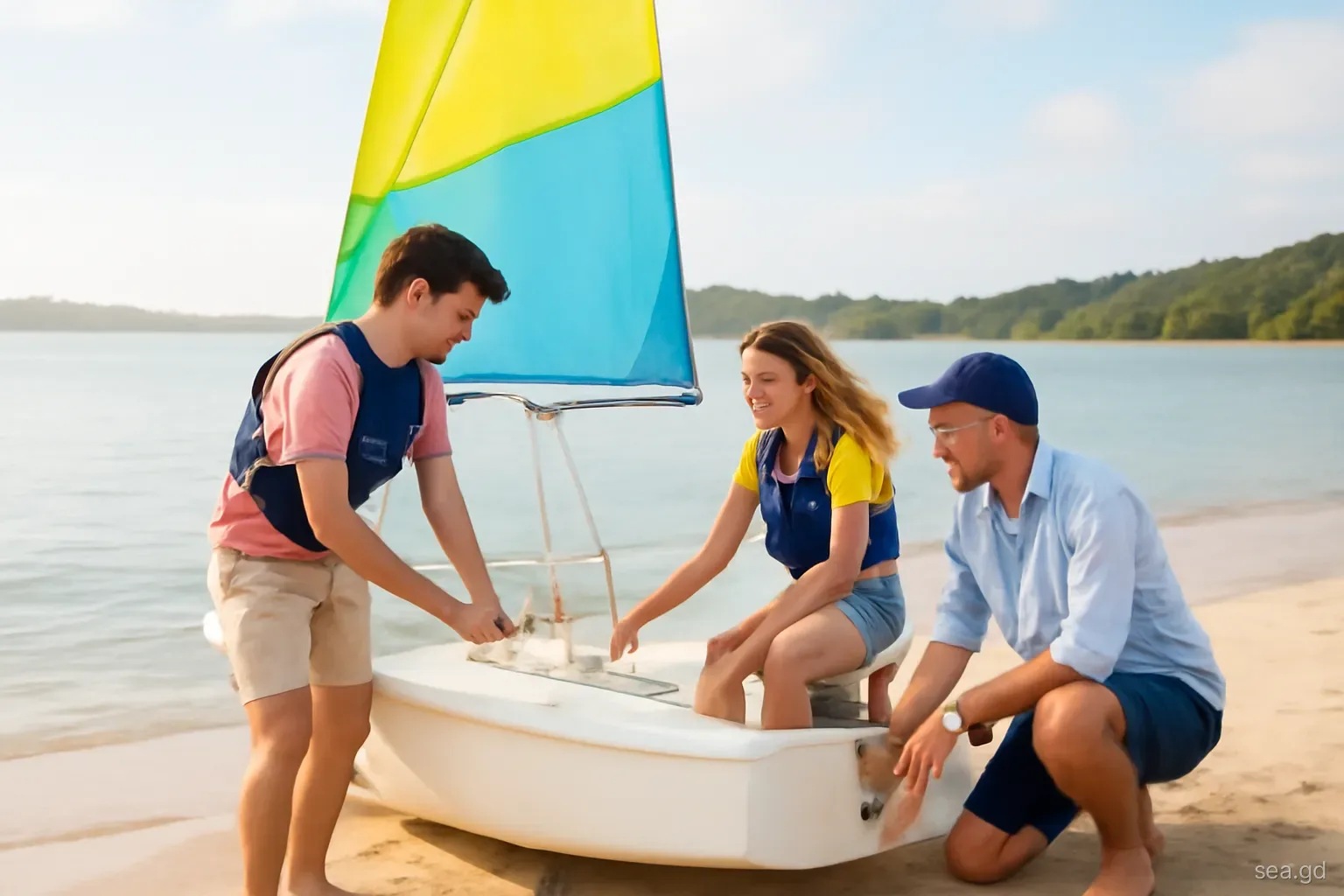
Children usually begin in single-handed trainers such as the Optimist, a small, forgiving boat in which the sailor does everything: steering, trimming and deciding where to go. Older juniors and adults move on to faster single-handers such as the Laser (now often sold as the ILCA) or to two-person boats. The skills learned there, feeling the wind on your face, reading gusts on the water and steering by sail trim rather than instruments, are the same ones that make a good yacht skipper later.
For visiting families, the realistic option is often a short taster or holiday course rather than a season-long programme. Some resorts on the south-west coast keep small dinghies or beach catamarans for guests, which is a reasonable first experience, though it is not structured instruction.
Keelboat and cruising courses for adults
Recognised schemes. Two certification systems dominate cruising instruction in the Caribbean: the British RYA scheme and the American ASA scheme. Both are widely accepted by charter companies as evidence of competence, and both progress from crew-level courses to skipper-level qualifications. Some charter bases in the region run these courses aboard their yachts; availability in Grenada changes, so confirm the school is currently accredited.
Crew-level courses. Entry courses such as the RYA Competent Crew or the ASA basic keelboat course teach how to handle lines and sails, steer, keep a lookout, tie the essential knots and behave safely aboard. They usually take several days of living or sailing aboard and assume no experience.
Skipper-level courses. The next steps, such as RYA Day Skipper or the ASA bareboat chartering course, cover passage planning, anchoring, mooring, navigation lights, tides, weather and taking charge of a crew. Pre-course theory, often done online at home, saves expensive days afloat.
The International Certificate of Competence. Some charter companies, particularly those whose guests sail into European-style waters, ask for an ICC. In the Eastern Caribbean, charter companies more commonly look at a sailing CV and a skipper certificate, but check what your intended charter company requires before booking a course.
Why the local waters make good classrooms
Grenada offers a useful mix of conditions within a small area. St George's Lagoon and the inner reaches of the south-coast bays, such as Mount Hartman, Clarkes Court and Woburn, give flat water for first manoeuvres, man-overboard drills and anchoring practice. A short way offshore the full trade wind blows, so students can graduate to proper sailing without a long transit.
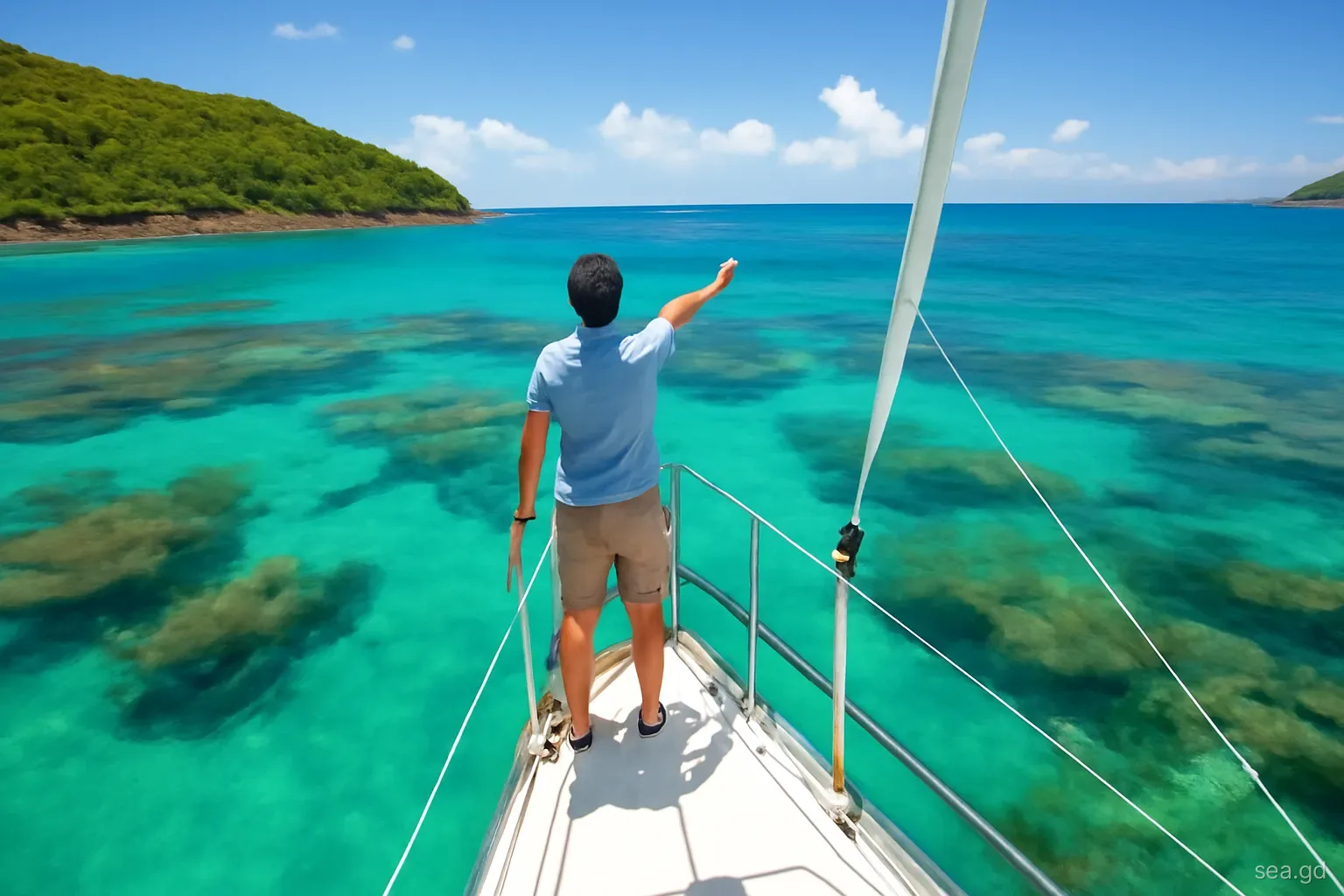
The south coast also teaches skills that cruising sailors elsewhere often lack. Its bays are fringed with reefs, so students learn to read water colour, use the sun behind them for pilotage, and enter narrow channels between reefs and markers. Those habits pay off across the whole Grenadines chain.
There are limits worth knowing. Tidal range in Grenada is small, well under a metre, so a course here gives little practice with strong tidal streams or big tidal heights. Students planning to sail in places such as the English Channel or Brittany should expect to add tidal training later. Night sailing and heavy weather are also usually covered in theory rather than practice on short courses.
Choosing a school or instructor: what to check
Grenada has no shortage of people willing to take you sailing. Fewer of them offer structured, accredited instruction. Before paying, ask for clear answers to the following:
- Is the school currently recognised by the scheme it claims, and will you receive a certificate issued by that scheme rather than a private one?
- Who is the instructor, what qualification do they hold, and how many students share the boat with them? Four or five students per instructor on a cruising yacht is typical; more dilutes your time at the helm.
- Is the boat suitable and maintained, with safety equipment such as lifejackets, a liferaft or tender, a VHF radio and a first-aid kit visibly in order?
- What happens in poor weather? A good school will rearrange rather than rush a syllabus in conditions beyond the course level.
- Is accommodation aboard included, and what about food, fuel, mooring and marine park fees? Prices for multi-day courses vary widely and change seasonally; get a written quote in US dollars or Eastern Caribbean dollars.
- Does the course end with an assessment or sign-off, and what counts as a pass?
Other ways to build experience
Certificates open doors, but sea time is what builds confidence. Grenada has a large population of cruising yachts, especially during the hurricane season when many boats base themselves on the south coast. Skippers sometimes look for crew for local races, delivery trips or passages north, and the morning cruisers' radio net and marina notice boards are where such requests often appear. Crewing for an experienced skipper is a fast way to learn, provided you take sensible precautions about who you sail with and what the arrangement involves.
Racing is another accelerator. Club and regional regattas through the season need crew, and a few days of round-the-cans racing teaches more about sail trim and boat handling than weeks of cruising. Traditional workboat racing, particularly around Carriacou's regatta in early August, shows a very different side of island sailing, though crewing on those boats is generally for people with local connections.
Finally, simply chartering a skippered yacht for a week and asking the skipper to teach you is a legitimate path. Tell the operator in advance that you want hands-on involvement, and choose a skipper who is willing to let you make mistakes.
What a first week on a cruising course looks like
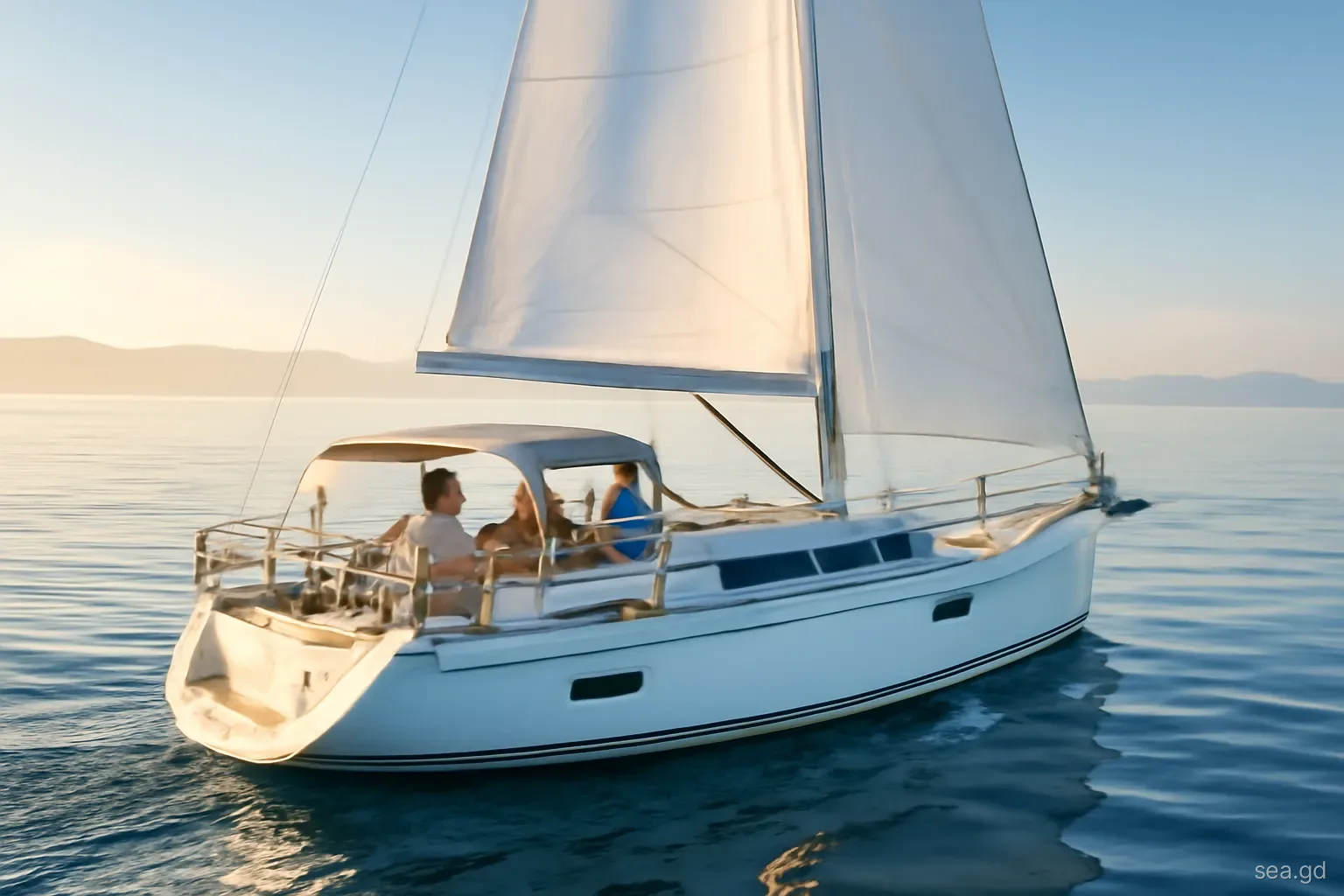
A typical live-aboard crew course begins with a safety briefing: lifejackets, harnesses, the location of fire extinguishers and the liferaft, how the VHF works and what to do if someone falls overboard. The first sail is usually short, in sheltered water, so students can practise tacking, gybing and steering a compass course before going outside.
Over the following days, the syllabus layers on skills: reefing in a building breeze, picking up a mooring, anchoring and checking the hold, coiling and stowing lines, rowing or driving the dinghy, and standing a lookout. Students take turns as helm, trimmer and navigator so that everyone experiences each role.
Short passages between south-coast bays or up the leeward coast give a taste of open-water sailing, and evenings are spent at anchor where the theory is reviewed. By the end, a student should be able to act as useful crew on any cruising yacht, which is the real goal of the first certificate, rather than to skipper alone.
Frequently asked questions
How old do children need to be to learn sailing in Grenada?
Junior dinghy programmes commonly start children at around seven or eight in small trainers such as the Optimist, provided they can swim confidently. Exact age limits depend on the club or programme running at the time, so ask the organisers what they require and whether a swimming test is part of enrolment.
Can a complete beginner charter a yacht in Grenada?
Not as a bareboat skipper. Charter companies require evidence of experience and usually a skipper-level certificate. A beginner can book a skippered or crewed charter and learn aboard, or take a crew-level course first and work up to skipper qualifications before chartering alone.
Is RYA or ASA better for sailing in the Caribbean?
Both are widely accepted by Caribbean charter companies. The choice often comes down to where you live and plan to sail later: RYA is standard in Britain and much of Europe, ASA in North America. What matters most is that the school is accredited and the instructor experienced.
How long does it take to learn to sail well enough to skipper?
Most people need a crew-level course, a skipper-level course and a meaningful amount of sea time in between, often several weeks spread over a year or more. Skipper certificates assume you have logged miles and nights aboard, not just completed classroom hours.
Do you need to be a strong swimmer to learn to sail?
You should be able to swim and be comfortable in the water, especially for dinghy sailing where capsizes are part of learning. Lifejackets or buoyancy aids are worn throughout good courses, but confidence in the water makes lessons safer and far more enjoyable.