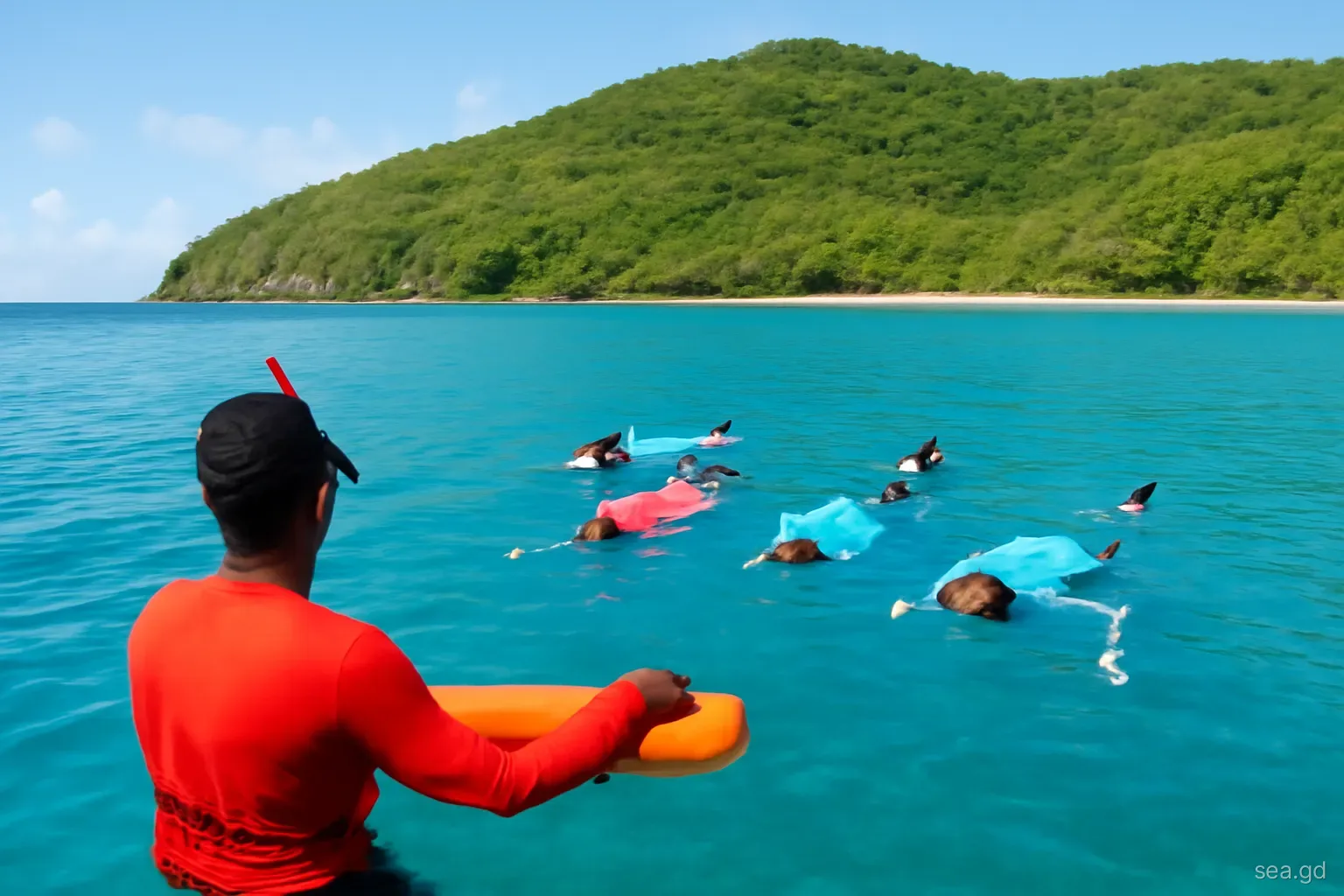
Most visitors to the Moliniere sculptures see them with a mask and snorkel, and most of the main works lie shallow enough for that to be a good way to do it. Yet plenty of people come back saying they saw only two or three figures, spent the hour adjusting a leaking mask, or could not work out where they were supposed to be looking. The difference between that and a memorable swim is mostly preparation and technique.
This page sets out a practical plan for snorkelling the park, from what to do on the boat to how to move from piece to piece, how to handle swell and other swimmers, and the mistakes that cost people the best views. It assumes you are going with a boat operator or guide, which is the sensible way to visit.
Is snorkelling the park right for you?
Comfort in open water matters more than fitness. You will be in water deeper than your height, without a beach to stand on, for up to an hour. If you can float calmly face down and breathe through a snorkel, you have the essentials.
Weak swimmers can still go. Tell the operator when booking. A buoyancy vest or snorkel vest lets you float effortlessly, and a good guide will keep you close and offer a float to hold. Many children and older visitors snorkel the park this way.
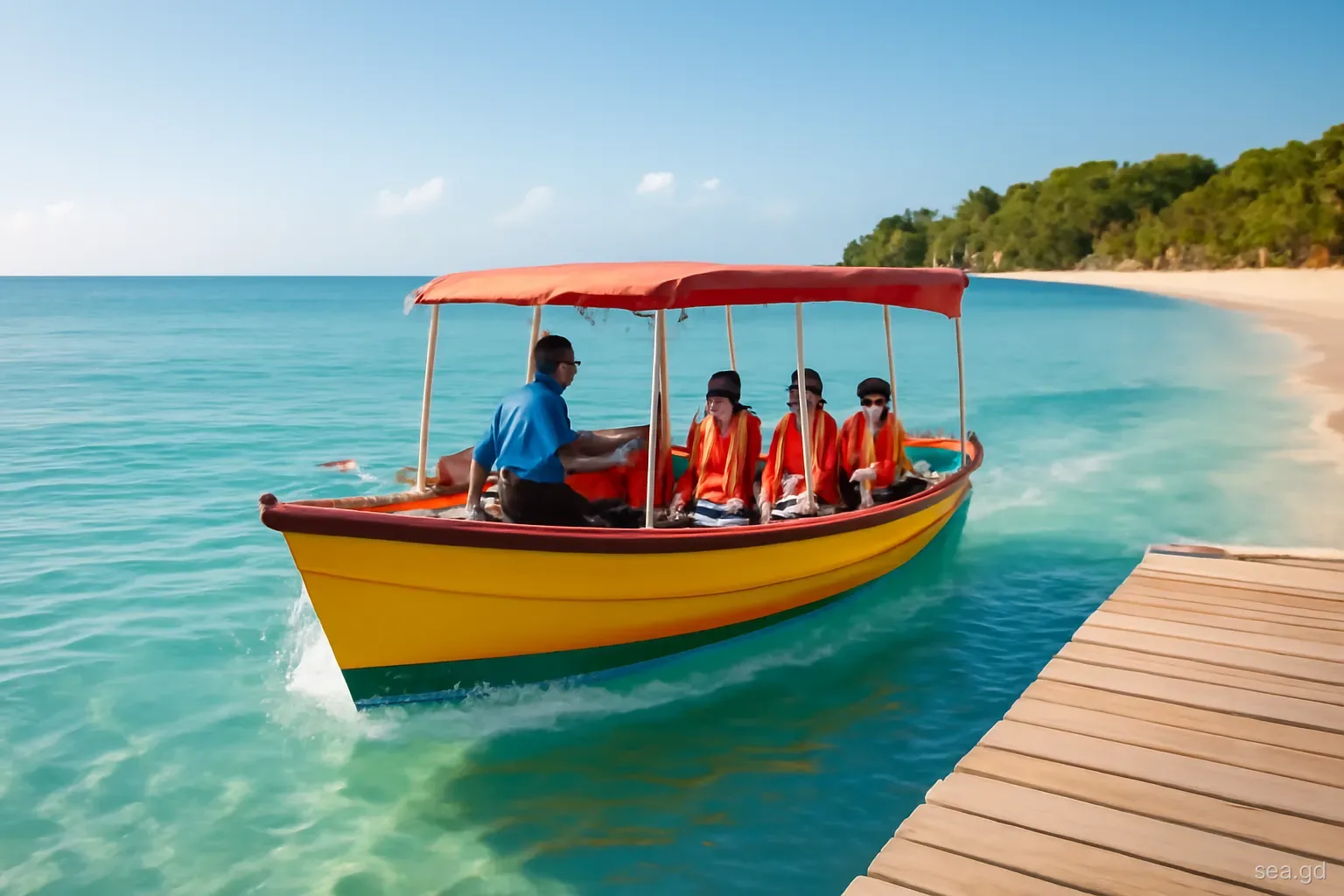
Non-swimmers have other options. Glass-bottom boats pass over the bay, although only the shallowest pieces show clearly through a hull window. That is a better choice than being pushed into the water against your instincts.
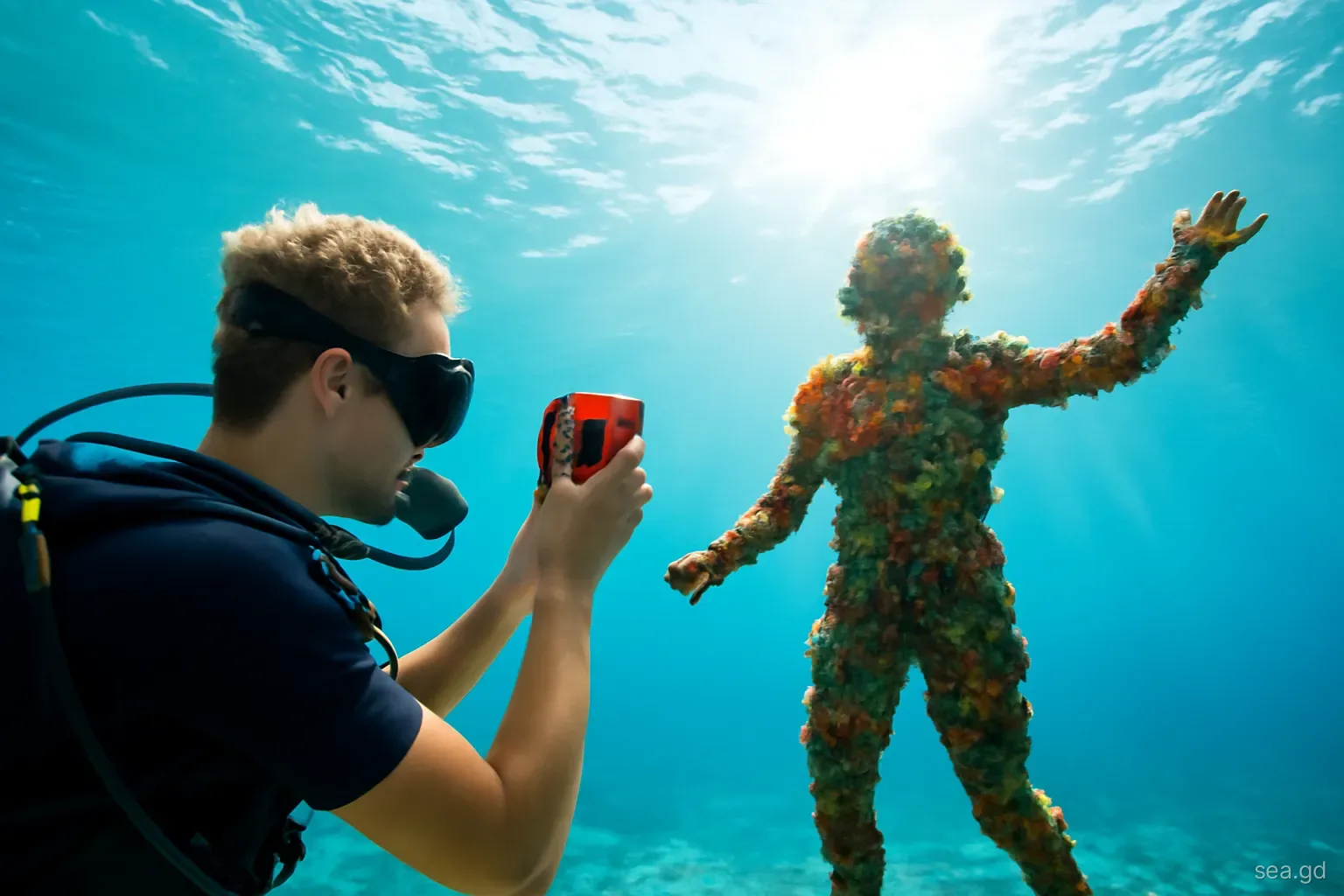
Divers see more detail; snorkellers see the layout. From the surface you get the overview: the shape of the circle, the arrangement of figures on the sand. Divers get faces and undersides. Many people do both on different days.
Before you get in the water
Five minutes of preparation on the boat decide how much of your swim goes on looking and how much on fiddling with equipment.
- Check your mask fit before the boat leaves: place it on your face without the strap, breathe in gently through your nose and see if it stays. If it falls off, ask for another. Bring your own mask if you have one that fits.
- Defog the lens with a little baby shampoo or anti-fog, rinse lightly and do not touch the inside again.
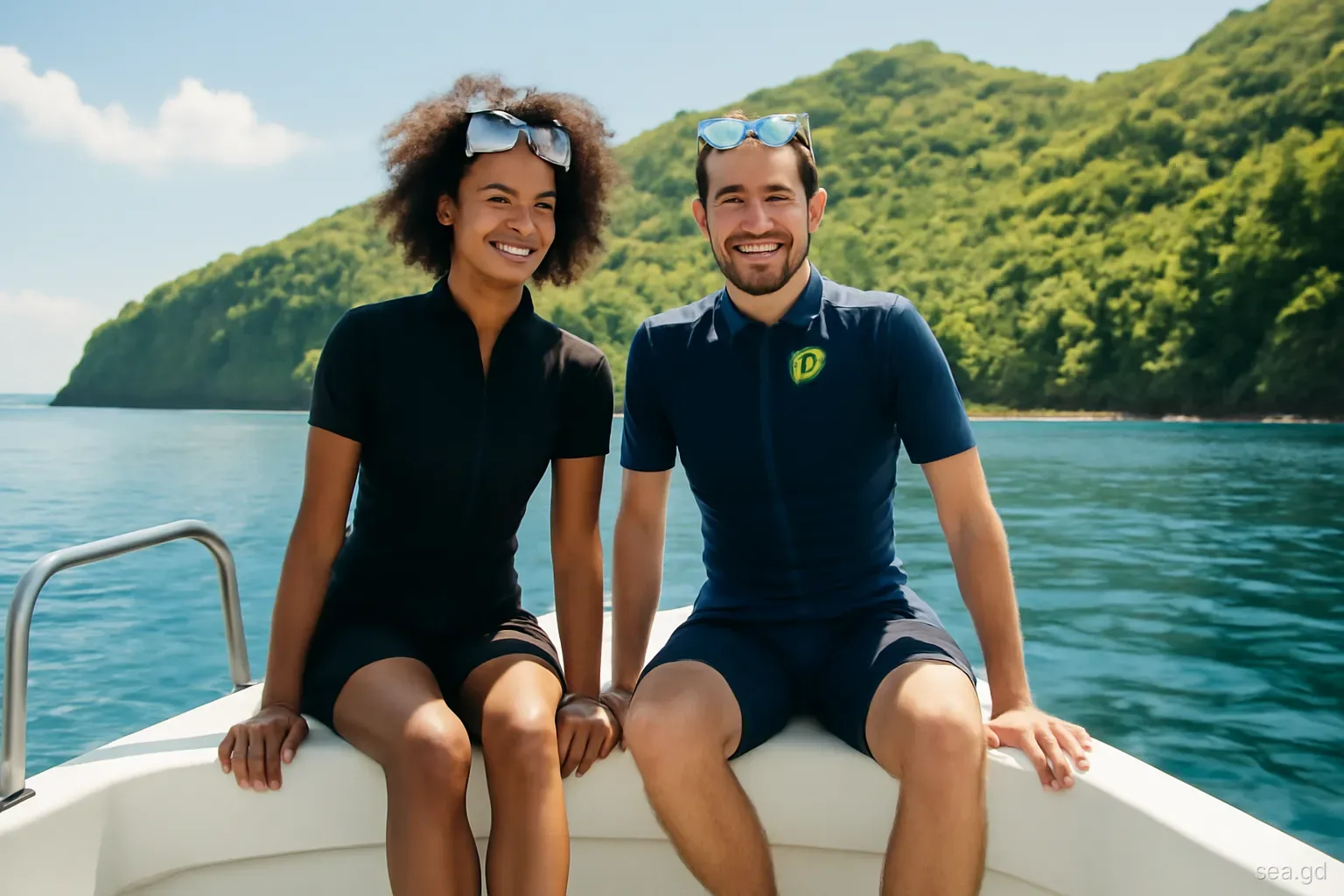
- Put on a rash vest or long-sleeved swim shirt. Floating face down for an hour under tropical sun burns backs and the backs of legs very quickly.
- Apply mineral-based, reef-safe sunscreen at least fifteen minutes before entering, or rely on clothing for most of your skin. Avoid spray sunscreens that leave slicks.
- Fit fins snugly; loose fins cause blisters and fall off. Put them on at the edge of the boat or in the water, not while walking on deck.
- Listen to the briefing: where the boat is moored, which direction the group will swim, the signal for regrouping and how long you will be in. Agree a buddy.
Moving between the sculptures
Most guided groups start with the best-known works while everyone is fresh. Your guide will usually tow a small float or swim with a brightly coloured marker. Stay within a few body lengths of it: the sculptures are spread over several sand patches separated by stretches of reef, sea grass and open sand, and swimming in the right direction is the hard part if you are on your own.
Keep your body flat on the surface with your legs behind you, and kick slowly from the hips with long fin strokes. Hands stay still by your sides or clasped in front. This position is the least tiring, keeps you from kicking up sand in shallow areas, and gives the clearest view straight down. Many beginners swim upright, which sinks the legs and makes them work hard for nothing.
When you reach a piece, stop and hover. Look at the whole group from above first, then move slowly around the edge to see it from different angles. Notice which way the figures face; in Vicissitudes the faces look outwards, so circling it shows you each child. Then wait for the guide to move on rather than heading off on your own.
Look for The Lost Correspondent, the man at his desk, and the scattered reclining figures of Grace Reef, which shift between half-buried and exposed as sand moves. Some pieces sit deeper and may only be clear on the calmest, brightest days.
Reading conditions on the day
Calm mornings are best. The west coast is in the lee of the island and usually calm, but wind can build a chop by afternoon. Morning trips tend to have flatter water and clearer views from the surface.
Light makes the difference. Bright overhead sun lights the sand and makes the figures stand out. On overcast days the sculptures look grey and flat from the surface.
Rain clouds the water. Heavy rain carries sediment off the hills into the bay. After a wet night visibility may be poor for a day or so, especially in the rainy season.
Winter swell occasionally intrudes. Northerly swells in the winter months sometimes reach the west coast, making the water surgy and murky. Operators may change the plan or reschedule; that is a sign of good judgement.
Cruise-ship days are busy. When several ships are in St George's, excursion boats bring large groups to the park at similar times. Ask your operator about quieter times or days.
Snorkelling with children or nervous swimmers
The park works well for families, but only if the water feels safe to everyone in the group. Practise first if you can: an hour at a calm beach such as Grand Anse or Morne Rouge with mask, snorkel and fins, before the boat trip, lets children learn to breathe through the snorkel and float face down where they can stand up at any moment. Arriving at Moliniere with that skill already in place changes the whole experience.
On the day, put children and nervous adults in snorkel vests, even if they swim well, and keep them on a float or holding an adult's hand at first. Hire masks in child sizes are not always available, so a well-fitting mask brought from home is worth its space in the luggage. Full-face snorkel masks are popular but some operators discourage them because of concerns about carbon dioxide build-up and difficulty clearing water; standard masks and snorkels are the safer choice.
Keep the first swim short and positive. Ten minutes over Vicissitudes followed by a rest on the boat is better than a tired, cold child who never wants to snorkel again. Many children find the faces of the figures fascinating rather than frightening, especially if someone explains beforehand that the statues are covered in living things.
Mistakes that spoil the swim
These are the problems guides see over and over, and nearly all are easy to avoid.
- Standing on a sculpture to rest or fix a mask. It breaks living growth and is against protected-area rules. Float on your back or hold the guide's float instead.
- Kicking up sand. Fins swung low over shallow sand cloud the water for everyone behind and smother the organisms on the figures.
- Drifting away from the group. Boats pass through the area. Stay with the guide and keep your head up briefly every few minutes to check where you are.
- Duck-diving without the skill. Uncontrolled descents end with fins hitting the figures. Only dive down if you are competent and the guide allows it.
- Ignoring seasickness. A short boat ride followed by floating face down in a slight swell can make people queasy. Take prevention before departure if you are prone.
- Losing the camera. Use a wrist strap or tether on action cameras; they sink fast and sand hides them quickly.
- Overrating the hire mask. A leaking mask ends more swims than anything else. Test it on the boat, not in the water.
Frequently asked questions
Can you snorkel the sculpture park without a guide?
It is possible on a private boat using the moorings, but a guide is strongly recommended. The sculptures are spread over several areas, boats move through the bay and the protected-area rules and fees apply. Guides also know where each piece lies.
How long do you spend in the water?
A typical guided snorkel at the park lasts forty-five minutes to an hour. Combined trips often add a second stop at a natural reef or a beach. Ask the operator how long you will be in the water when you book.
Is the sculpture park suitable for children?
Children who are comfortable in open water can snorkel the shallow works with a buoyancy vest and close supervision. Check minimum ages and child-sized equipment with the operator. Younger children often enjoy a glass-bottom boat more.
What should you bring for a snorkel trip?
Bring a well-fitting mask if you have one, a rash vest, reef-safe sunscreen, a towel, water, a hat for the boat and a dry bag for phones. Seasickness tablets are worth packing if you are prone.
Can you see the sculptures from the surface?
Yes, most of the main works are shallow enough to see clearly from the surface on a calm, sunny day. Deeper pieces and fine details are clearer to divers or skilled breath-hold divers.
Are there currents at the sculpture park?
Currents in the bay are usually mild, but water can move along the coast, especially with tides and swell. Stay with your group, follow the guide and tell them if you are tiring so they can bring you a float or the boat.