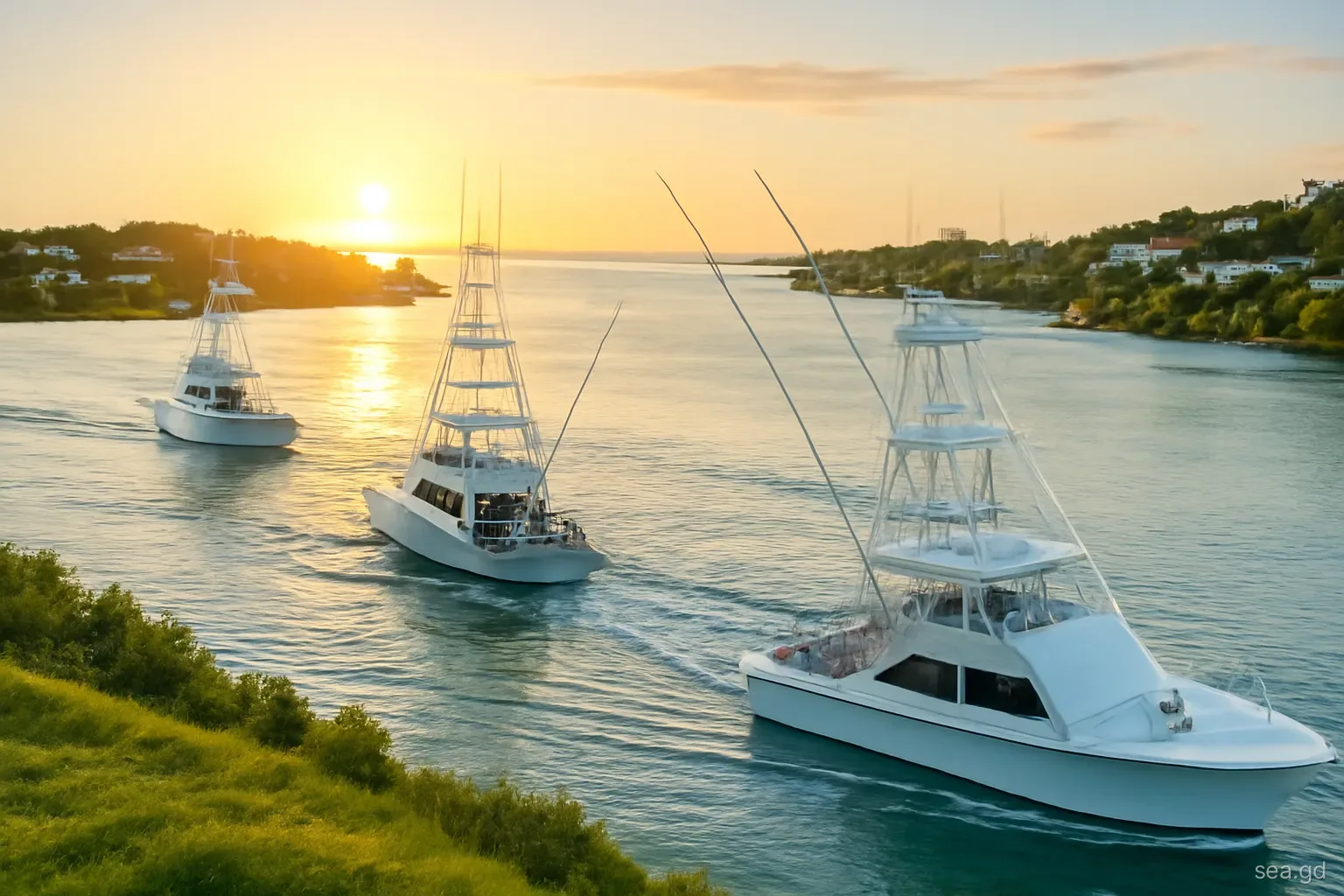
Every January, sportfishing boats from Grenada and neighbouring islands gather in St George's for the Spice Island Billfish Tournament, usually shortened to SIBT. It has run since the 1960s, which makes it one of the longest-running billfish tournaments in the Eastern Caribbean, and for many local skippers it is the high point of the fishing year.
For visitors, the tournament is both an event to watch and an indicator of how seriously the island takes its billfish. Modern editions centre on releasing marlin and sailfish rather than bringing them to the dock, and the scoring rewards that. This page explains how the tournament generally works, who takes part, what happens on shore, and how anglers and spectators can get involved. Formats, venues and dates are set by the organisers each year, so confirm details with them before planning travel around it.
A short history
The tournament grew out of the yachting and fishing community around St George's in the 1960s, at a time when sport fishing in the region was dominated by boats landing every fish for weighing. Over the decades, as concern grew about declining billfish populations in the Atlantic, the tournament shifted toward release. Like other leading Caribbean events, it moved to scoring systems in which released billfish earn points, verified by observers, photographs or video, rather than requiring fish to be killed.
The event has also become a social fixture. Teams come from Grenada and from islands such as Trinidad and Tobago, Barbados, St Lucia and Martinique, and in some years from farther afield. Many crews return year after year, and the tournament has helped train generations of Grenadian mates and skippers who also work on charter boats. Its base has moved over the years; recent editions have been associated with the marina area around the St George's Lagoon.
January was chosen for good reason. It falls within the period many local skippers consider the best for billfish, with steady trade winds, active currents and bait concentrated off the west coast. It also suits visiting teams from cooler countries, for whom a week on warm water in the depths of winter is part of the appeal.
How the fishing days work
Multiple fishing days. The tournament runs over several consecutive days, typically with fixed start and stop times each day announced over the radio. Boats can head to any legal grounds within the set boundaries, but must be fishing only within the official hours.
Release scoring. Points are awarded for billfish released, with blue marlin worth more than smaller species such as sailfish and white marlin. Releases are usually verified by an observer aboard or by photographic or video evidence, depending on the rules that year.
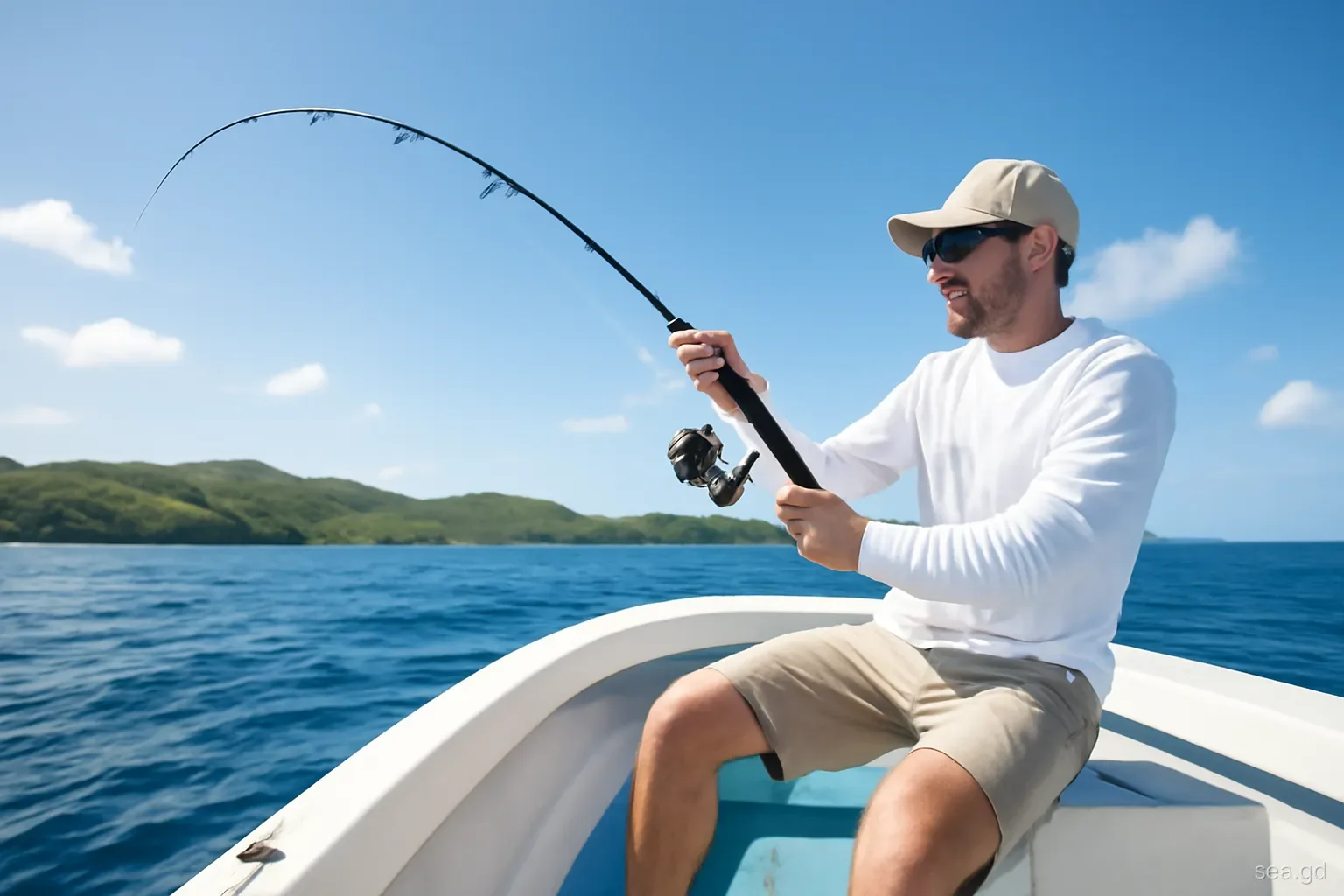
Tackle rules. Line classes, hook types and the number of rods are generally regulated under international game fishing standards. Circle hooks, which tend to hook fish in the jaw rather than the gut, are increasingly required for natural baits in billfish tournaments because they improve survival after release.
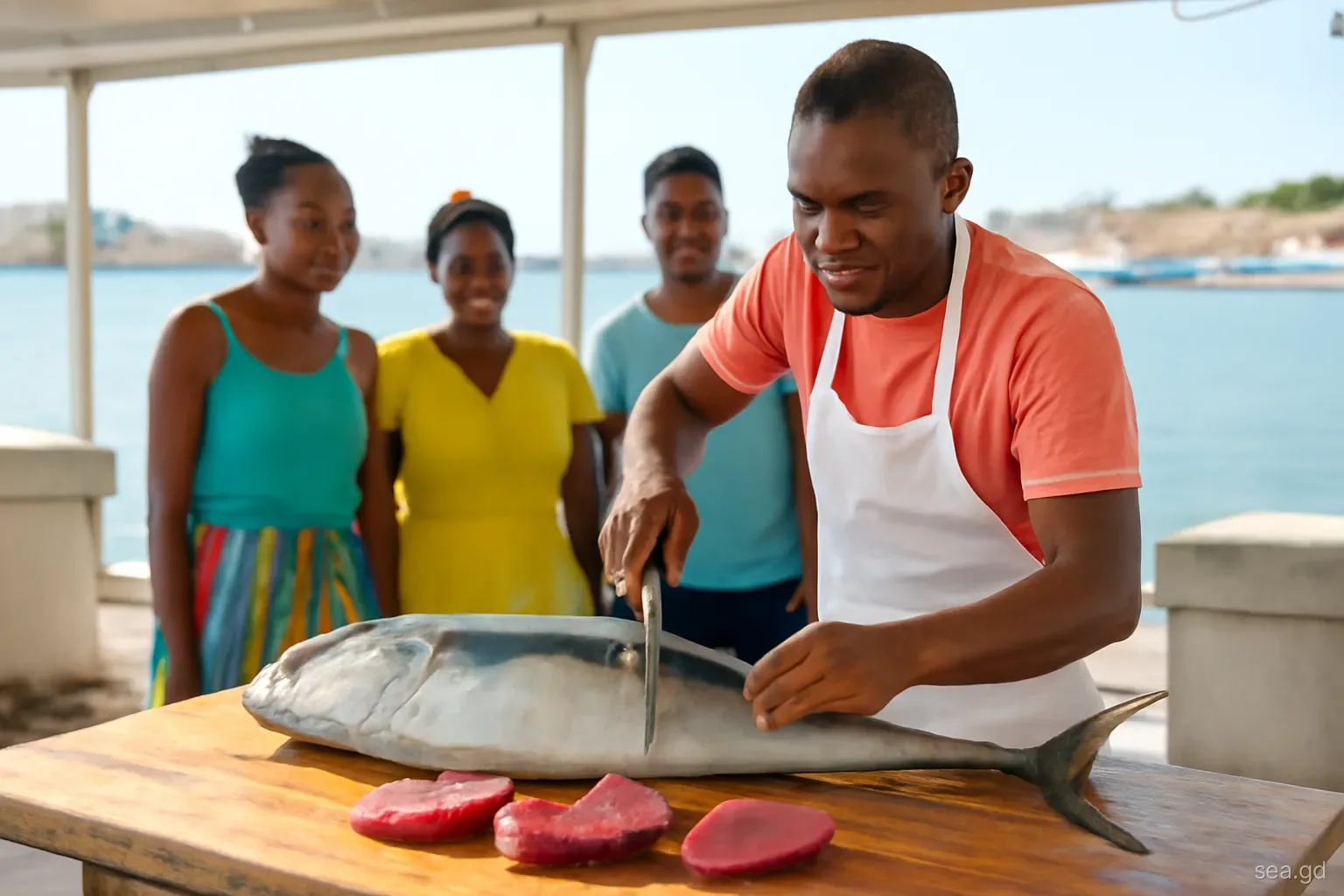
Gamefish categories. Alongside billfish, prizes have commonly been offered for the heaviest tuna, wahoo and mahi-mahi brought to the dock, which gives smaller boats and less experienced teams a realistic chance to place.
Daily reporting. Hook-ups and releases are typically radioed in to tournament control as they happen, so leaderboards change through the day. Shore-side followers often track progress through the organisers' updates, and the last hour of the final day can decide the overall result.
Angler and team awards. Prizes usually go to top boat, top angler, top lady and junior anglers, and sometimes to local boats and first-time participants.
On shore: weigh-ins, dock parties and atmosphere
The best part of the tournament for many spectators is the late afternoon, when boats return to the dock. Crews fly release pennants from their outriggers to show how many billfish they let go, and fish entered in the gamefish categories are brought to the scales in front of a crowd. Organisers have usually staged social events in the evenings, including a welcome party and a prize-giving at the end of the week.
Visitors who are not fishing can usually watch weigh-ins and enjoy the atmosphere around the marina, though access to some events may be limited to registered participants or ticket holders. Check the organisers' announcements for the year's schedule and venue. Hotels and guest houses around St George's and the south coast fill up in late January, partly because of the tournament and partly because it falls in the busy winter season.
For anyone interested in billfish science or conservation, the tournament also offers a chance to see how release fishing works in practice, and to talk to crews about what they are seeing on the water year to year.
Photographers should note that the most dramatic moments, the jumps and releases, happen far offshore. The best shore-side pictures come at the dock in the last hour of daylight, when crews hoist pennants, families greet returning boats and fish are carried to the scales.
How to take part as an angler
Teams need a boat, a crew and registration with the organisers. Visiting anglers without their own boat have several routes in:
- Contact the organisers well in advance to ask about entry fees, registration deadlines and the current rules.
- Ask charter operators whether they are entering the tournament with paying anglers. Some boats take charter clients as part of their team; others are fully committed to regular crews.
- Expect the cost of a tournament charter to be significantly higher than a normal full day, as it covers several days on the water, the entry fee and the crew's time.
- Read the tackle and release rules carefully, especially if you plan to bring your own equipment.
- Book accommodation and flights early; late January is a busy period.
- If you are a skilled angler without a team, ask around the marina in the days before the tournament; boats sometimes need an extra angler.
What to know before planning a trip around SIBT
A tournament trip is different from a normal fishing holiday. Keep these points in mind:
- Dates are announced by the organisers each year and can change; do not book non-refundable travel until they are confirmed.
- Charter availability for non-tournament fishing drops during the event, as many of the best boats and crews are committed.
- Billfish are released, so do not expect to take one home. Gamefish such as tuna and wahoo may be kept and often end up shared or sold.
- Trade winds in January can make offshore conditions rough. Anglers prone to seasickness should prepare.
- Non-anglers in your party may enjoy the shore events and the marina atmosphere, while beaches, the capital and the rainforest are a short drive away.
- Respect the competitive side: radio etiquette, fishing hours and boundaries are enforced, and disputes are settled by the tournament committee.
Why release-based tournaments matter
Atlantic blue and white marlin have been the subject of international concern for decades, with stock assessments by the International Commission for the Conservation of Atlantic Tunas indicating that both have been overfished. Most billfish caught in the Atlantic are taken as bycatch by commercial longline fleets, but recreational fishing still plays a part, and tournaments that killed every fish once set a poor example.
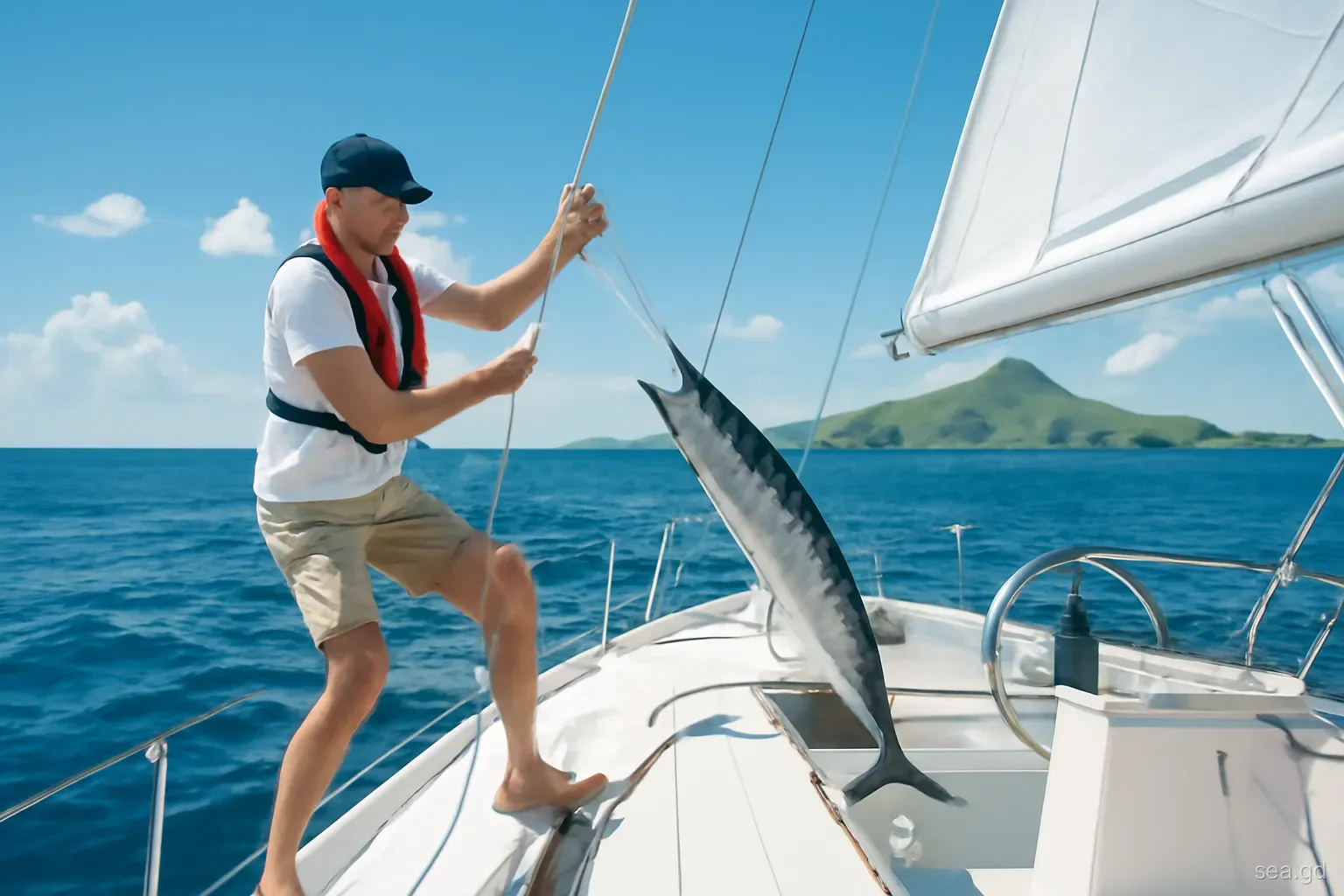
Release scoring, circle hooks and good handling change that. Studies of released billfish fitted with satellite tags show that most survive when they are brought in quickly, kept in the water and released without being dragged onto the deck. Tournaments such as SIBT also support tagging, which contributes data about where billfish travel. For visitors, the practical lesson applies to any charter in Grenada: choose a crew that releases billfish carefully, and leave the photograph with the fish still in the water.
Frequently asked questions
When is the Spice Island Billfish Tournament held?
The tournament is traditionally held in January, usually in the second half of the month, over several days. Exact dates are set by the organisers each year and can change, so check their announcements before booking travel. Late January falls in the busy winter season, so plan accommodation early.
Can spectators watch the Spice Island Billfish Tournament?
Yes, spectators can usually watch boats return and fish being weighed at the marina in the late afternoons, and enjoy the atmosphere. Some social events may be for registered teams or ticket holders. Confirm the year's venue and schedule with the organisers before going.
Are marlin killed in the tournament?
Modern editions are release-focused, awarding points for billfish that are caught and released, usually verified by observers or video. Marlin and sailfish are therefore released rather than brought to the dock. Other gamefish such as tuna, wahoo and mahi-mahi may be landed and weighed for separate prizes.
Can a visitor join a team without a boat?
Sometimes. Some charter boats enter the tournament with paying anglers, and teams occasionally need an extra angler. Contact the organisers and charter operators well in advance, and expect a tournament charter to cost considerably more than a normal day because it covers several fishing days and the entry fee.
Are there other fishing tournaments in Grenada?
Smaller fishing competitions and local events take place in some years, organised by clubs, communities or businesses, and dates vary. The Spice Island Billfish Tournament is the best known and longest established. Ask charter operators or check local event listings for current competitions during your visit.