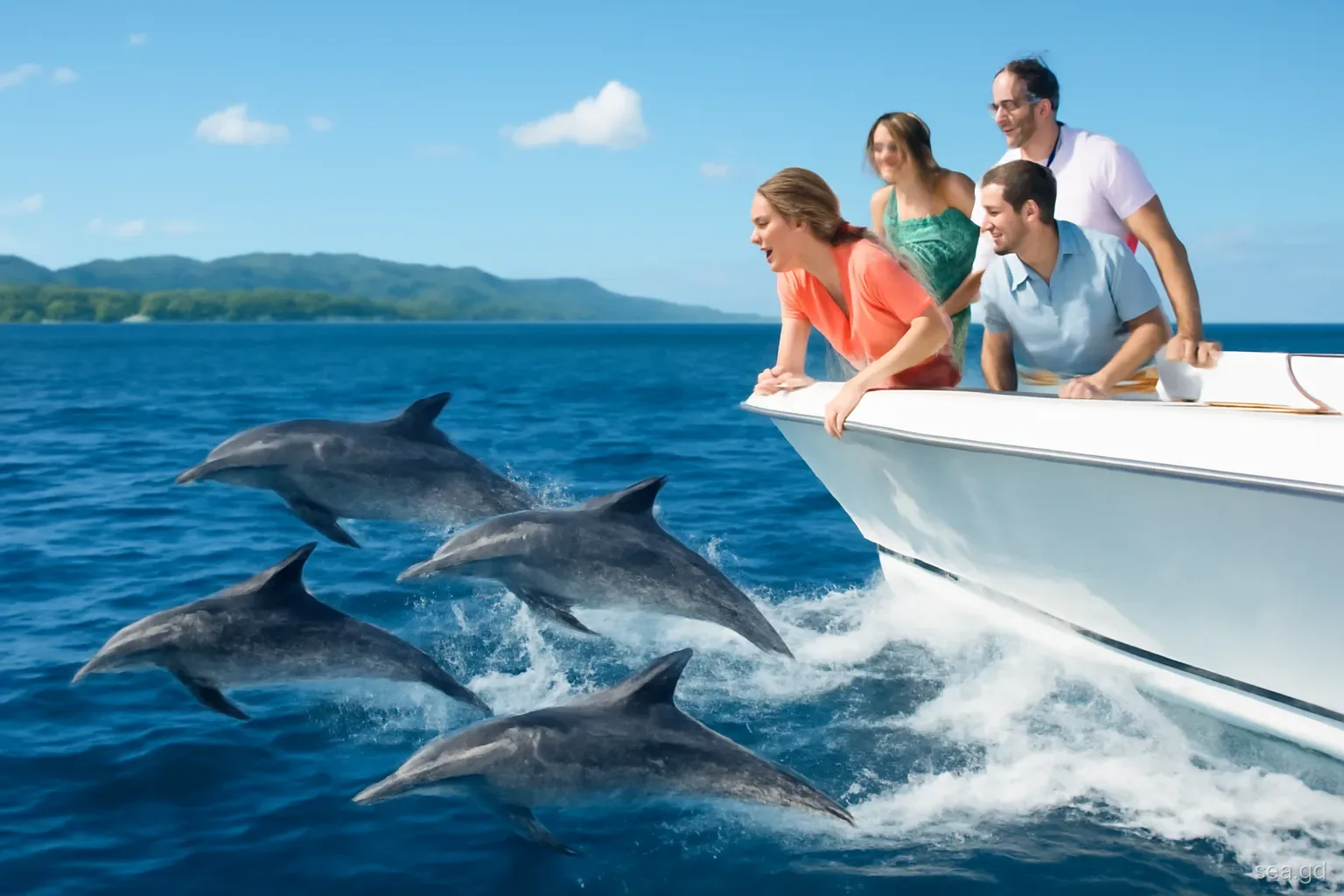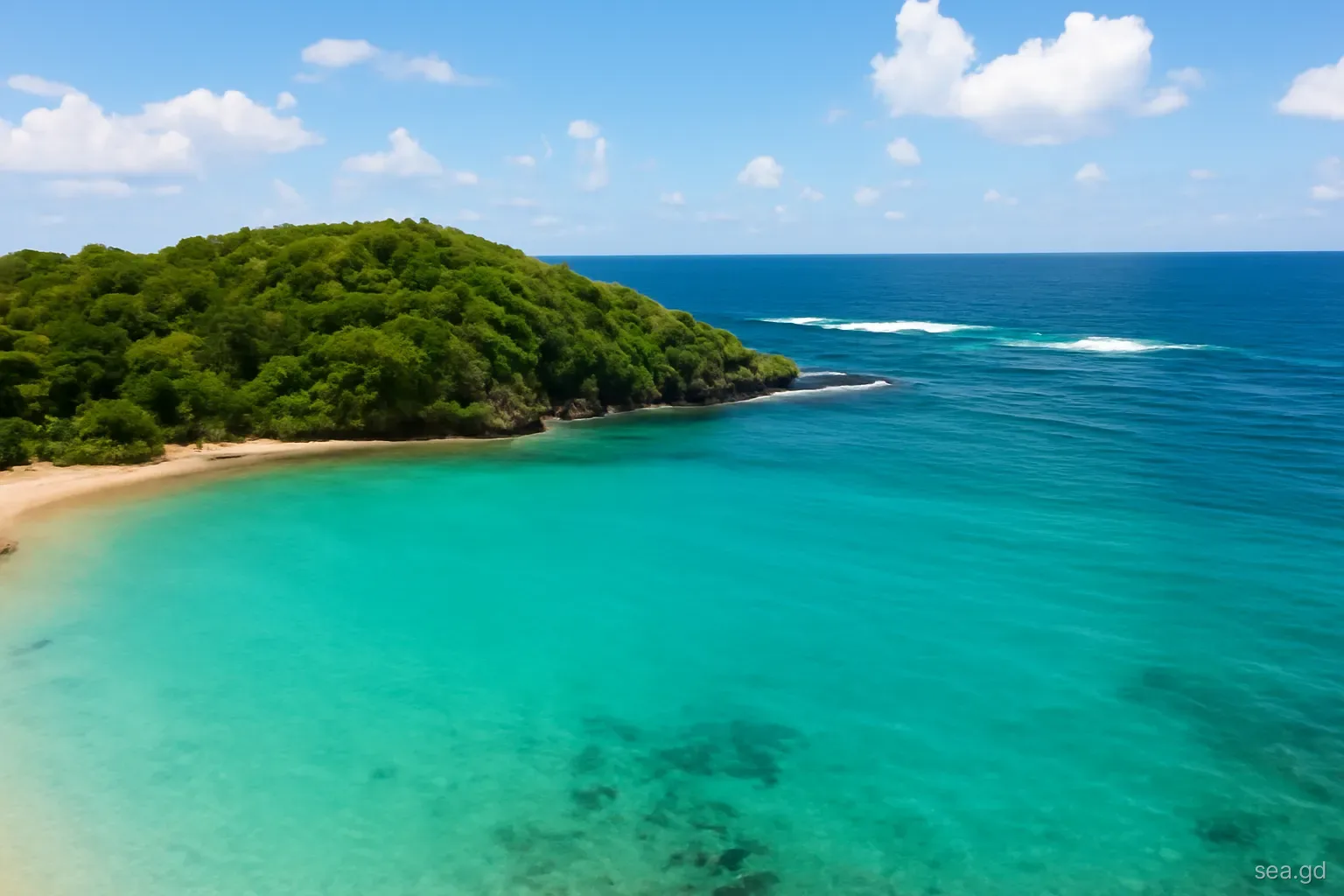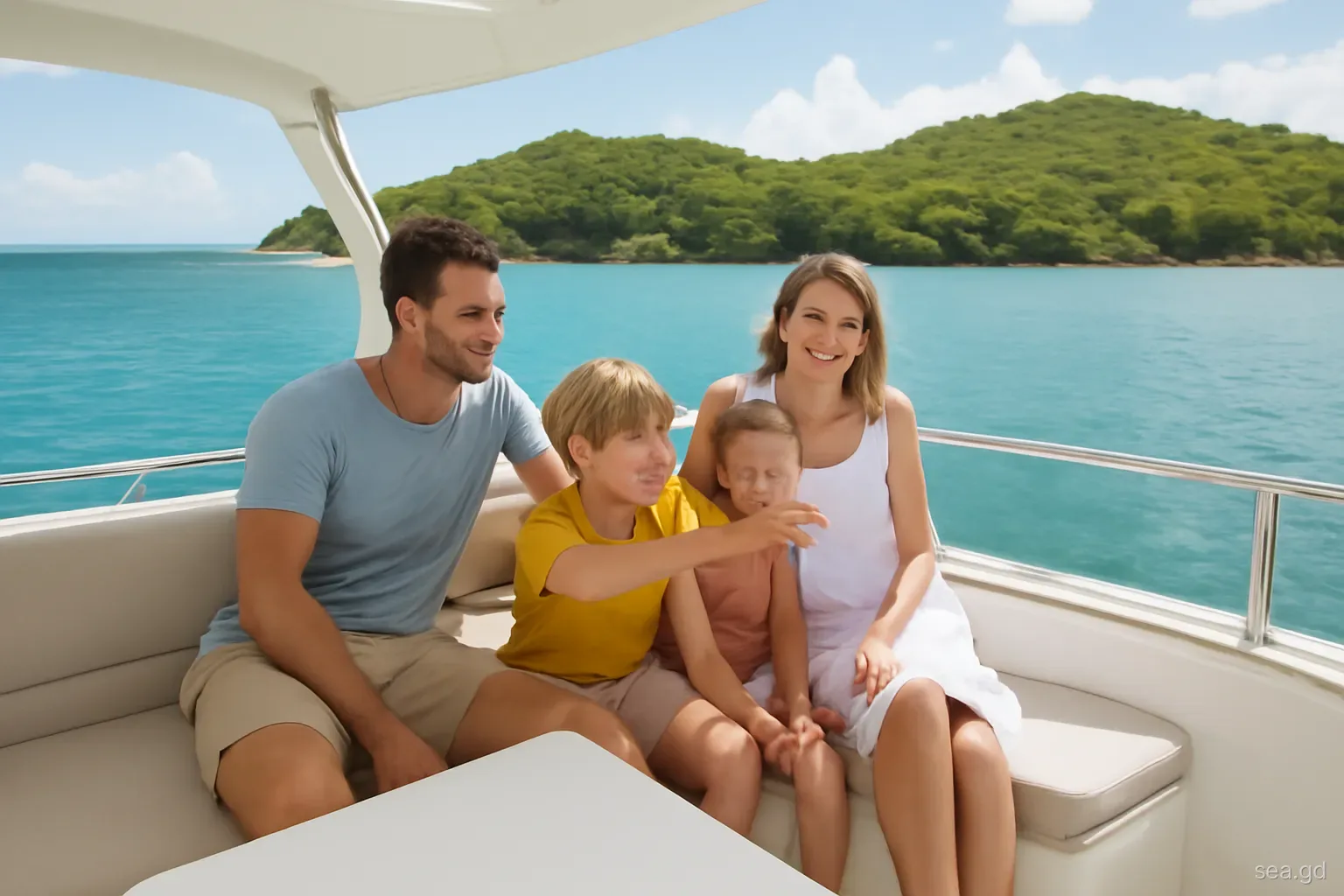
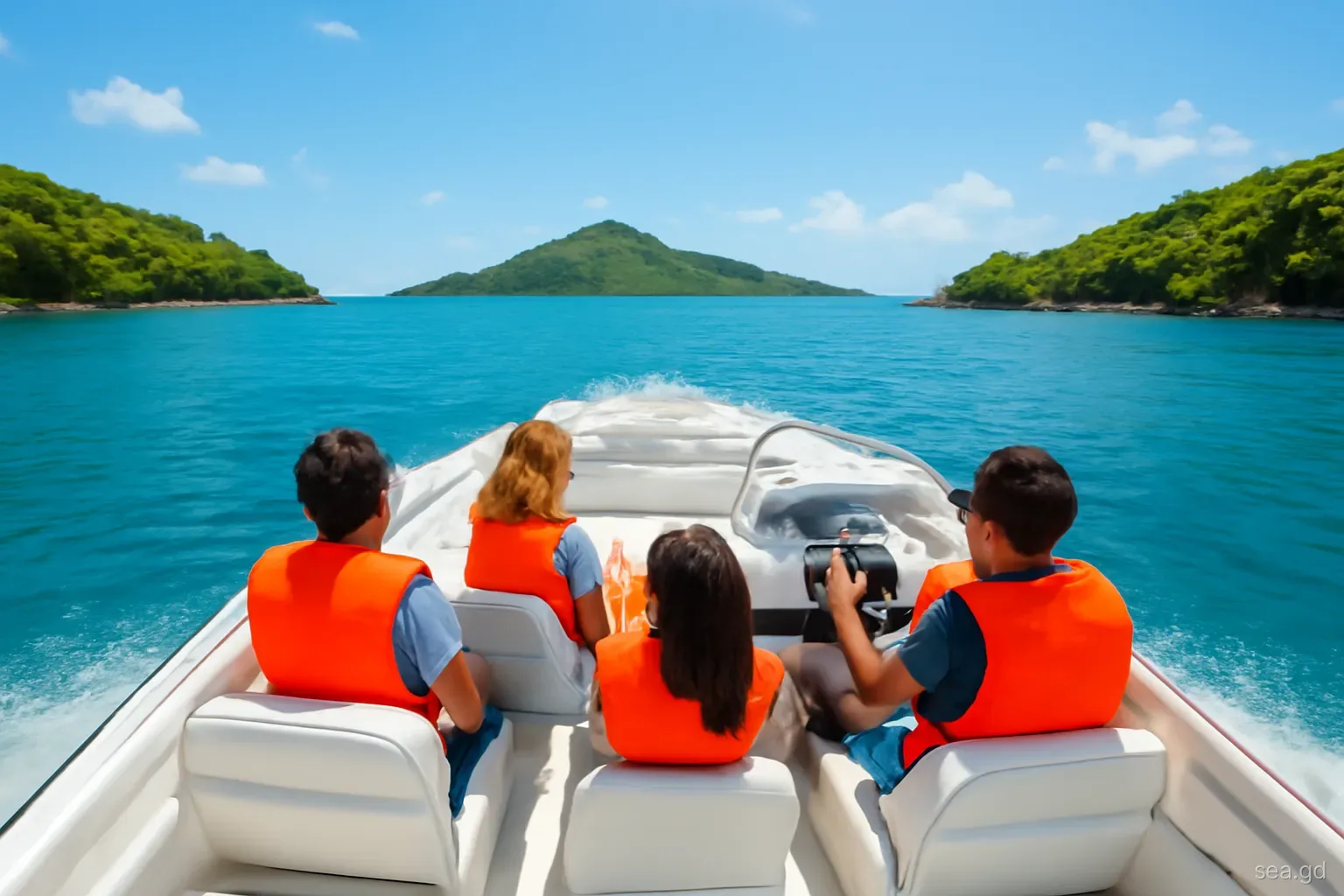
Carriacou sits in the middle of a scatter of small islands and cays, and the most rewarding way to see them is by boat. A day out can take in a sandbar, a reef, an uninhabited islet and the neighbouring island of Petite Martinique, all within a short run. Just to the north and east, however, the islands belong to another country, St Vincent and the Grenadines, and that border shapes what you can legally do.
This guide sets out the main routes from Carriacou, how boats are hired, how the international border works for day trippers and the practical points that make the difference between a smooth day and a frustrating one. Post-Hurricane Beryl, conditions on the ground have been changing, so check current arrangements before you travel.
The main destinations within Grenada's waters
Sandy Island. The low sandbar off Hillsborough Bay, with a fringe of reef, is the classic short trip and lies within the Sandy Island Oyster Bed Marine Protected Area. Boats drop you off and collect you later. Bring everything you need: there are no facilities.
White Island and Saline Island. Off the south-west tip of Carriacou, White Island has a small beach and reef, and Saline Island lies close by. These suit a half-day of swimming and snorkelling when the sea is calm.
Mabouya and the Tyrrel Bay area. Off the west coast, Mabouya Island is known to divers for nearby sites. Boats from Tyrrel Bay can combine a visit with a run along the coast to Paradise Beach.
Petite Martinique. Grenada's third inhabited island lies a few kilometres north-east of Carriacou, with a strong boatbuilding and seafaring tradition. A scheduled ferry links it with Carriacou, but a private boat lets you combine it with other stops.
The windward side. Windward village on Carriacou's north-east coast has long been a centre for building wooden sloops. The reef and islets off this coast are more exposed and are better visited with a local skipper who knows the passages.
Crossing into St Vincent and the Grenadines
Petit St Vincent, a private island resort, lies just east of Petite Martinique, and Union Island is a short run north of Carriacou. Both belong to St Vincent and the Grenadines. However close they look, going there means crossing an international border, which requires clearing out of Grenada and clearing in to St Vincent and the Grenadines, then repeating the process in reverse.
For yachts, that means visiting customs and immigration at Hillsborough before leaving and at a Vincentian port of entry, typically Clifton on Union Island, on arrival. For day trippers on a hired boat, it is the operator's job to know how clearance is handled, but you need your passport and should expect fees and paperwork. A boat that offers to run you across without any formalities is asking you to share its risk.
Rules, fees and procedures change, and the border was disrupted after Hurricane Beryl hit both countries in July 2024. Before planning a cross-border day, ask your operator exactly how clearance will work, how long it will take and what it costs, and allow for the fact that it eats into your time on the water.
Hiring a boat for the day
Most island-hopping trips are arranged directly with boat owners, guesthouses or dive shops rather than through large agencies. A simple sequence helps.
- Ask your accommodation who they use. Recommendations from hosts are the most reliable starting point on a small island.
- Agree the route, the stops and how long you will spend at each before you set off.
- Agree the price, the currency and whether fuel, snorkel gear and marine park fees are included.
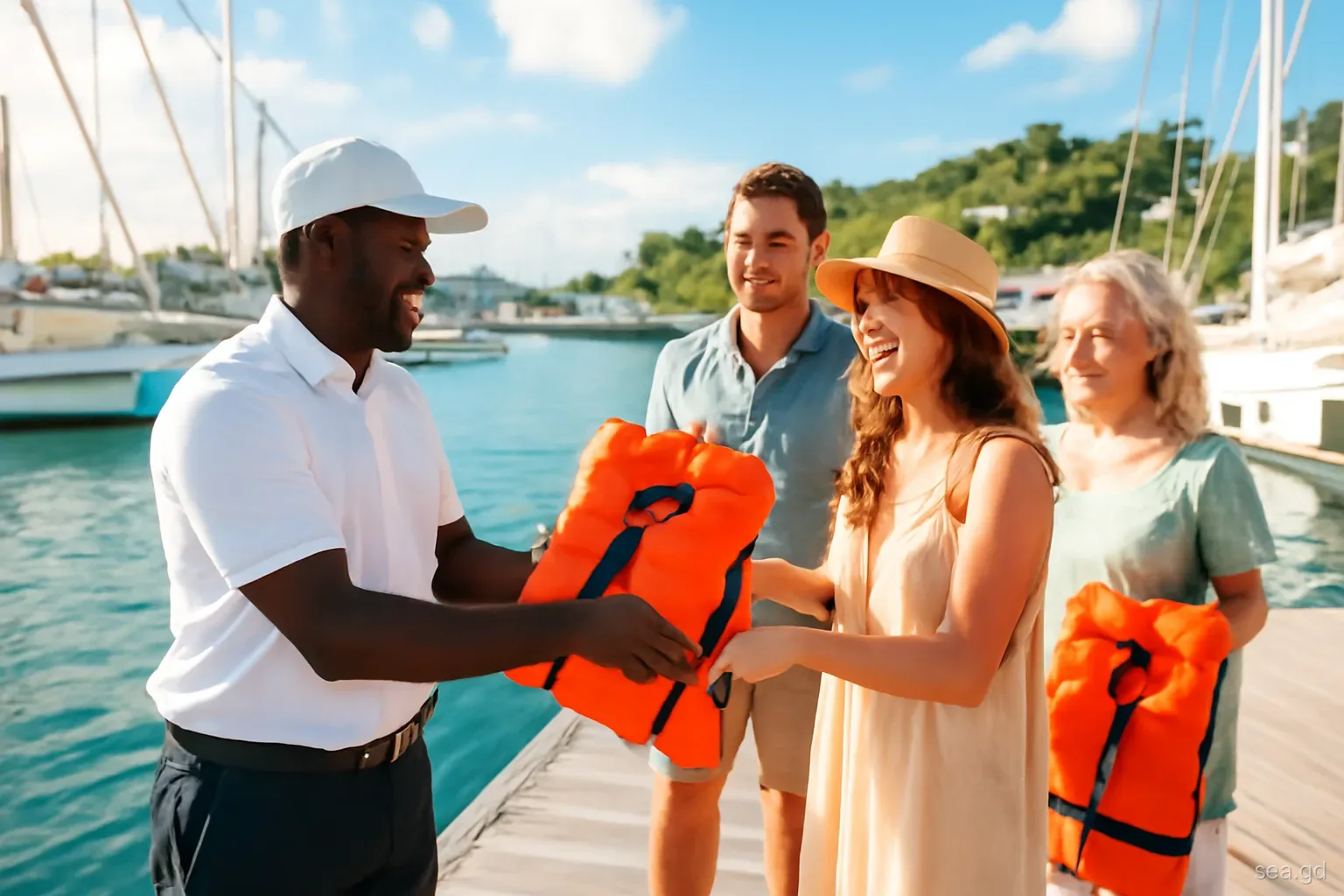
- Check that there are life jackets for everyone and some shade if you will be out all day.
- Pack water, food, sun protection and a dry bag. Few stops have shops.
- Agree what happens if the weather turns: shortening the route, sheltering or returning early.
- If crossing into St Vincent and the Grenadines, bring passports and confirm the clearance plan.
Sea conditions and the best time of day
The waters inside the reefs and on the leeward side of Carriacou are generally sheltered, while passages between islands are open to the trade-wind swell. Between December and April the trades are often fresh, and the run to Petite Martinique or around the windward side can be wet and bumpy in an open boat. From May to November the wind is often lighter, but tropical weather systems need watching, and an afternoon squall can build quickly.
Morning is usually the best time to be on the water. Light is good for seeing reefs through the surface, the wind is often lighter, and you can be heading back before afternoon showers. Skippers who know these waters read the reef by colour: dark patches are coral or seagrass, pale turquoise is sand, and brown or white water over shoals means stay clear.
If you suffer from seasickness, ask for a route that stays in the lee of the islands and avoid sitting at the bow, where motion is greatest.
Check the forecast the evening before and again in the morning, and ask the skipper honestly whether the planned route makes sense. Local boatmen watch the sea every day and know when the channel to Petite Martinique is worth crossing and when it is better to stay on the sheltered side and save the longer run for another day.
Common planning mistakes
Carriacou rewards relaxed travellers, but a few oversights can cost you a day.
- Assuming card payment. Boat hire is usually paid in cash. Make sure you have enough before leaving Hillsborough.
- Leaving passports behind on a cross-border day. Without them, you are not going.
- Packing too little water. Sandbars and islets have no shade and no shops. Bring more than you think you need.
- Ignoring the protected area rules. No standing on coral, no collecting shells or sea life, and pay the user fee where it applies.
- Relying on outdated information. Hurricane Beryl damaged boats, jetties and businesses across Carriacou and Petite Martinique. Confirm that the places you plan to visit are open and reachable.
- Overpacking the itinerary. Five stops in one day is mostly time in transit. Two or three, done well, make a better day.
Combining island-hopping with snorkelling and diving
Many visitors use a boat day around Carriacou to snorkel as much as to see the islands. The reef around Sandy Island, the patches off White Island and the shallows near Saline are all reachable in the same outing when conditions are calm, and an experienced skipper will pick the order according to the wind and the light. Snorkelling is best done in the morning before the breeze picks up and ruffles the surface.
Divers usually go with a dive centre rather than a general boat hire, because the better-known sites off Carriacou, such as Sisters Rocks and the wrecks near Mabouya, involve current and depth that need a guide. A dive shop may be willing to drop non-diving partners at a beach and collect them after the dive, which turns a dive day into an island-hopping day for the rest of the group.
Whatever the plan, remember that the reefs here are in a protected area and recovering from recent storms and warm-water bleaching. Keep fins off the coral, do not stand on reef flats when the water is shallow, and ask the skipper to use moorings where they exist rather than drop anchor near reef. Rangers from the protected area patrol and may ask to see that fees have been paid.
If you want to fish from the boat, say so before you go. Fishing is restricted in parts of the protected area, and a responsible skipper will know where it is allowed and where it is not.
Frequently asked questions
Can you visit Petite Martinique from Carriacou in a day?
Yes. A scheduled ferry links Carriacou and Petite Martinique, and private boats can take you directly or combine it with other stops. Check current ferry times locally, as services were disrupted after Hurricane Beryl.
Is a passport needed to visit Petit St Vincent or Union Island?
Yes. Both belong to St Vincent and the Grenadines, so you cross an international border. Clearing out of Grenada and into St Vincent and the Grenadines is required, with fees and paperwork. Confirm the process with your operator before you go.
How do you hire a boat in Carriacou?
Ask your guesthouse, a dive shop or boatmen around Hillsborough and Tyrrel Bay. Agree the route, timings, price and what is included before setting off, and pay in cash at the end or as agreed.
Is it safe to island-hop in small boats?
It generally is with an experienced local skipper, life jackets and sensible weather choices. Passages between islands can be rough in strong trade winds, so be ready to shorten the route and avoid crossing in squalls.
Are there marine park fees around Carriacou?
Yes. Much of the west coast, including Sandy Island and the Oyster Bed mangroves, lies within the Sandy Island Oyster Bed Marine Protected Area, where user fees apply. Ask whether your boat hire includes them.