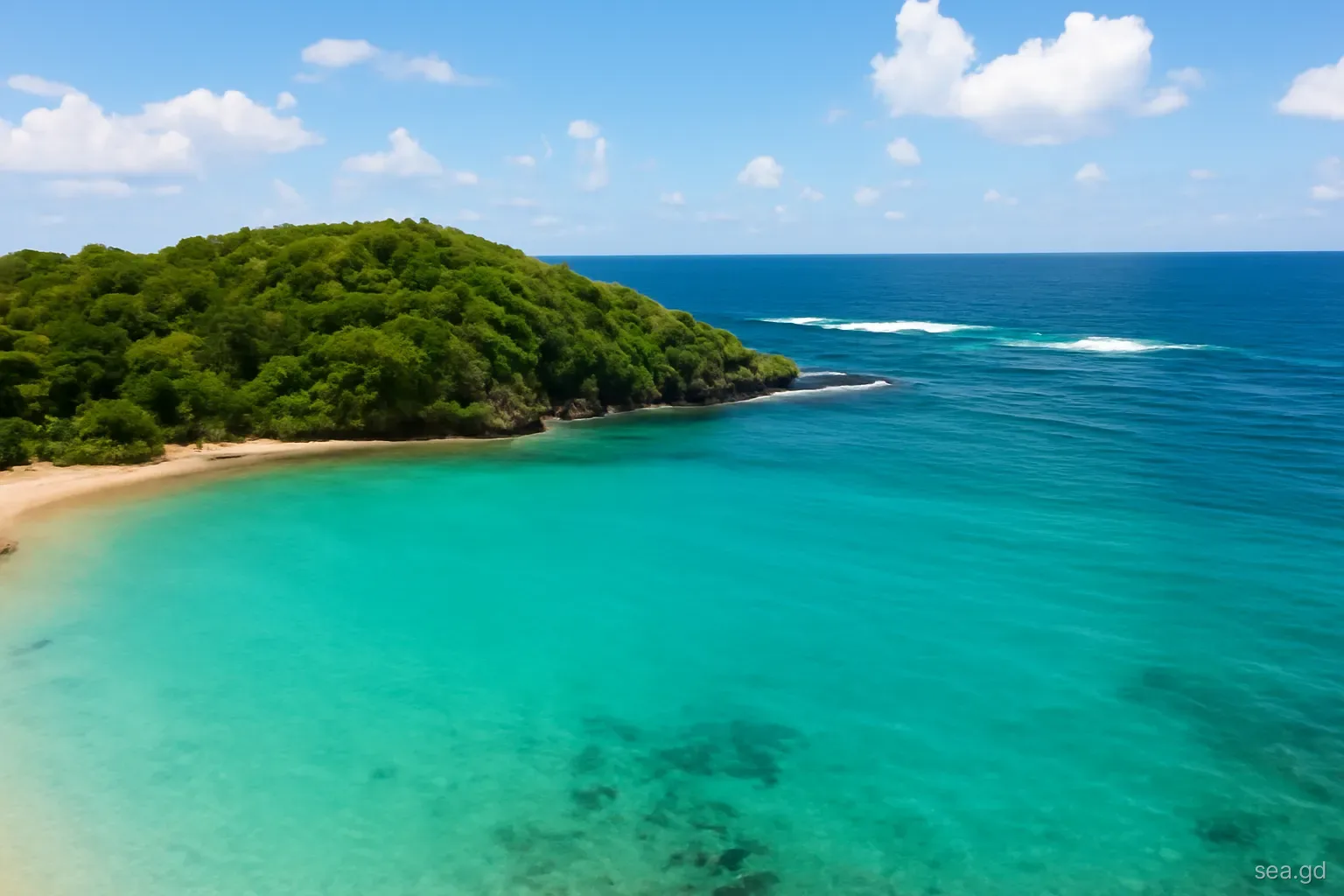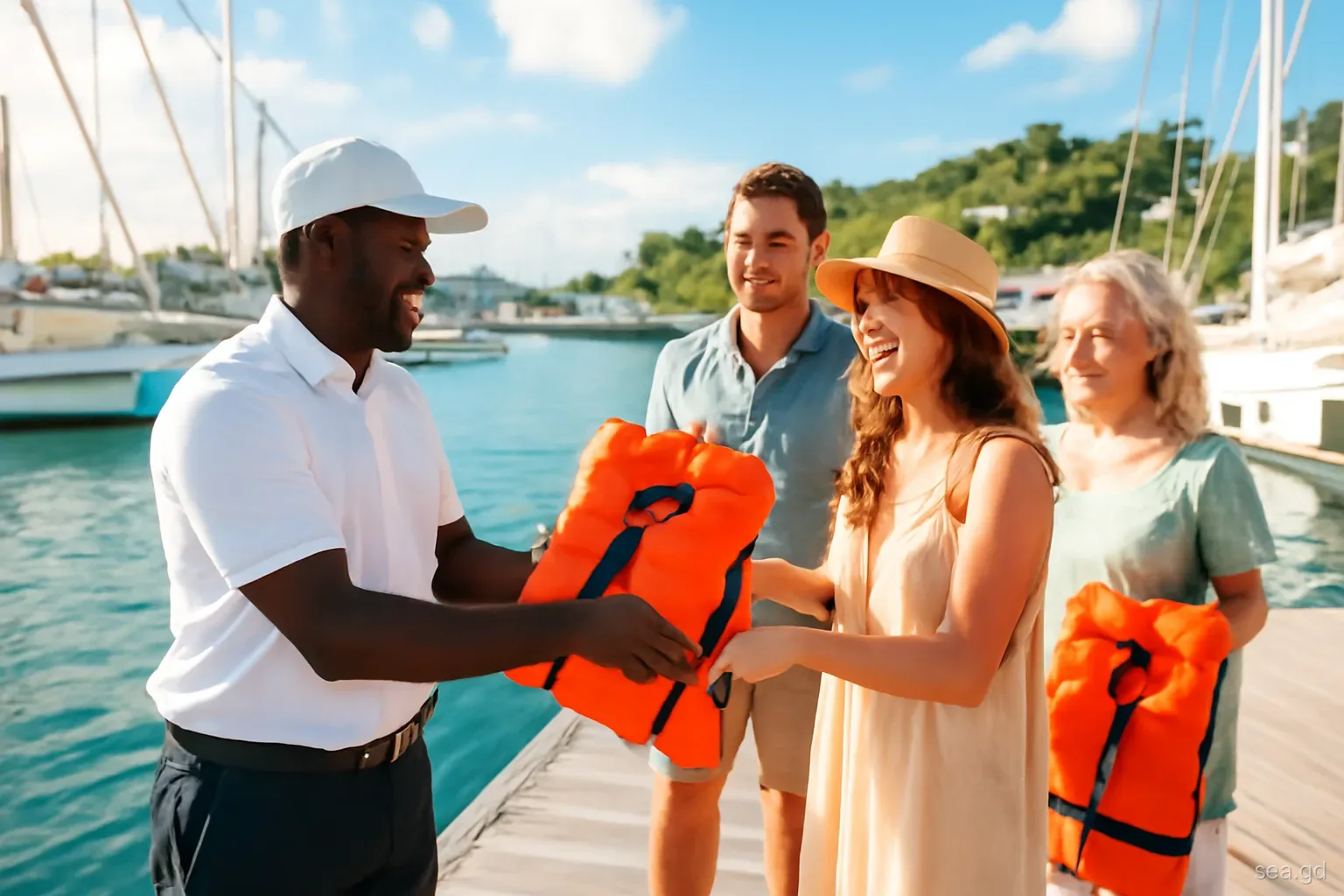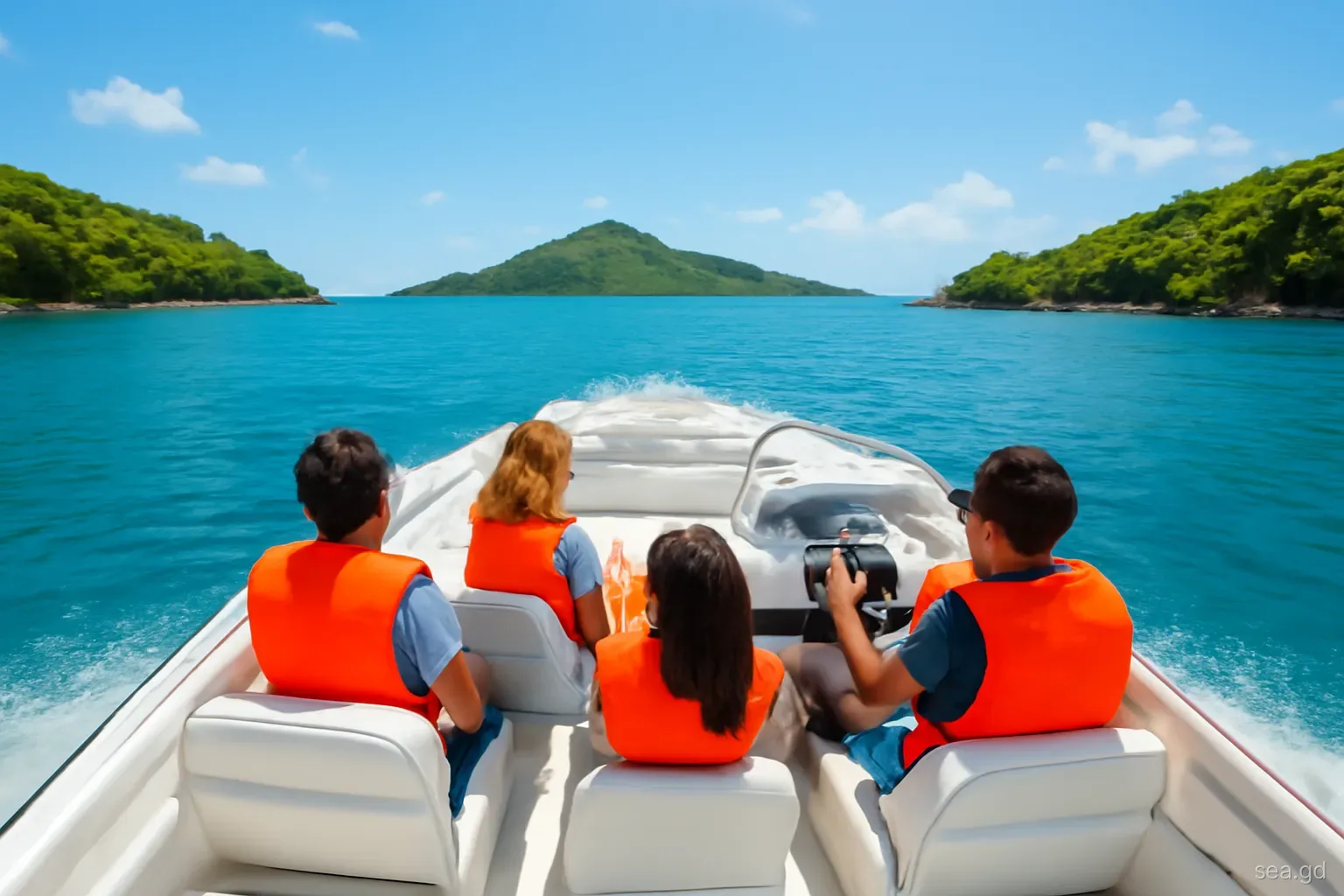
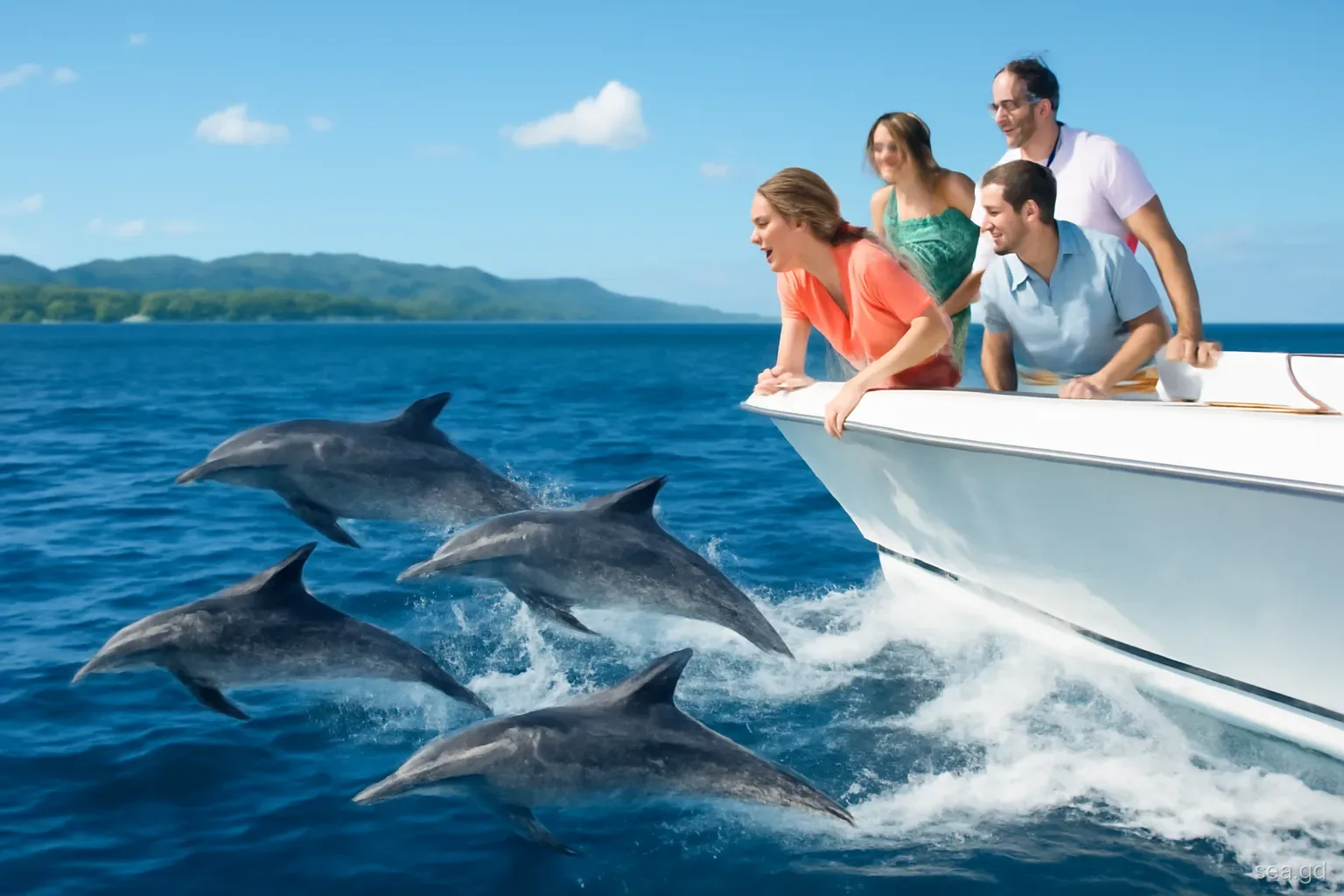
The sea off Grenada's west coast drops away quickly to deep water, and that deep water is home to dolphins for much of the year and visited by several species of whale. Dolphin sightings are common on boat trips along the leeward coast, and during the winter and spring months humpback whales pass through the eastern Caribbean. A few operators run dedicated dolphin and whale watching trips; many more report dolphins as a frequent bonus on snorkel and fishing outings.
Grenada is not a whale-watching destination on the scale of Dominica, and anyone expecting a guaranteed whale will be disappointed. But with realistic expectations, the right season and a responsible operator, a morning offshore can produce memorable encounters. This guide covers what you are likely to see, when, how trips work and how to make sure the animals are treated well.
What you are likely to see
Pantropical spotted dolphins. Among the dolphins most often reported off the Lesser Antilles, these move in active groups, sometimes large, and readily ride the bow wave of a moving boat. Adults are speckled with pale spots, which become more pronounced with age.
Spinner dolphins. Named for their habit of leaping and spinning on their long axis, spinners are slender with long beaks. They are often seen resting or socialising in the morning closer to shore and feeding offshore at night.
Bottlenose dolphins. Larger and more robust, bottlenose dolphins are seen less frequently but occur in the region, sometimes in smaller groups.
Short-finned pilot whales. Dark, blunt-headed and social, pilot whales live in family groups and are seen in deeper water off the islands throughout the year.
Humpback whales. Humpbacks migrate from northern feeding grounds to the Caribbean to breed and calve, and are mostly seen from around January to April. Sightings off Grenada are possible in this period but far from daily.
Sperm whales and others. Sperm whales inhabit the deep water along the island chain and are occasionally reported. Other species, including various beaked whales and false killer whales, are rare sightings.
How a dolphin and whale watching trip works
Dedicated trips usually leave in the morning from the St George's or Grand Anse area and head out along the west coast into deeper water. Spotting is done by eye: the crew watch for splashes, dorsal fins, the blow of a whale or seabirds such as boobies and frigatebirds diving on bait fish, which often means dolphins or tuna are feeding below. Some boats carry a hydrophone to listen for whales, though this is not standard.
Trips typically last between two and four hours. Much of that time is spent searching, which is part of the experience: flying fish skittering away from the bow, seabirds wheeling overhead and the sheer blue of deep water a short distance from shore. When dolphins are found, a good crew slows down, approaches gently and lets the animals decide whether to come to the boat.
Many snorkel catamarans, fishing charters and even the Carriacou ferry report dolphin sightings regularly, so a dedicated trip is not the only way to see them. If your main goal is whales, ask operators how many humpback sightings they have had that season before booking.
When to go
Dolphins can be seen year-round off Grenada, and morning trips often have the best chance, as spinner dolphins in particular tend to rest and socialise nearer the coast in the early part of the day. Calm conditions help enormously: on a flat sea, a fin or splash is visible from a long way off, while whitecaps hide them.
For humpback whales, the window is broadly January to April, with numbers in the eastern Caribbean peaking around February and March. This coincides with the dry season and the stronger trade winds, so pick a calmer day if possible and expect some motion offshore.
Pilot whales and sperm whales are not tied to a narrow season, but sightings are irregular. Treat them as a welcome surprise rather than the point of the trip.
Choosing a responsible operator
How a boat behaves around wild animals matters both for the animals and for the quality of the sighting. Widely used international guidelines for watching marine mammals translate into a few simple things to look for.
- The boat slows well before reaching the animals and approaches from the side or behind, never head-on.
- The crew keep a respectful distance from whales, especially mothers with calves, and do not chase, circle or cut off a group.
- Only a limited number of boats stay close to the same group at once, and time spent with them is limited.
- Animals are never fed, touched or encouraged to approach with noise or food.
- Swimming with whales is not offered. Entering the water near large whales is dangerous and stressful for the animals.
- The crew explain what you are seeing and why they are keeping their distance, rather than promising guaranteed close encounters.
Realistic expectations and common disappointments
The commonest disappointment is expecting whales on a short trip in the wrong season. Dolphins are the realistic target most of the year; whales are a seasonal possibility. Operators who promise a guaranteed whale, or who offer refunds on a "no sighting" basis without explaining the odds, deserve a few extra questions.
The second is photography. Dolphins move fast and surface briefly. A phone set to burst mode or a camera with a fast shutter speed helps, but the best memories often come from simply watching. Polarised sunglasses cut surface glare and make it easier to see animals just below the surface.
Context also matters. In neighbouring St Vincent and the Grenadines, a small aboriginal subsistence humpback hunt has long been permitted at Bequia under International Whaling Commission rules, which surprises many visitors. In Grenada, interest in whales is primarily about watching them, and responsible tourism helps make the case that marine mammals are worth more alive.
The rest of the offshore cast
A trip into deep water off Grenada is rarely only about mammals. Flying fish are almost guaranteed, bursting from the bow wave and gliding for surprising distances just above the surface. Brown boobies and magnificent frigatebirds patrol the coast, and red-billed tropicbirds, with their long white tail streamers, nest on cliffs and offshore rocks in parts of the Grenadines. Watching where seabirds gather is one of the crew's main tools for finding dolphins.
Schools of tuna sometimes break the surface while chasing bait, and sea turtles are occasionally seen resting at the surface closer to the coast. Large patches of sargassum seaweed drift past in some months, sheltering small fish, crabs and juvenile turtles; they look untidy but are a living habitat in open water.
The geology is striking too. From offshore, the steep green ridges of the west coast, the cliffs north of St George's and the deep valleys running down to the sea are easier to appreciate than from the coast road, and on clear days Carriacou and the Grenadines are visible to the north.
How to prepare for the trip
A little preparation makes a long search offshore more comfortable and improves your chances of seeing something.
- Ask the operator about recent sightings and choose a calm day if you have flexibility.
- Take seasickness medication before boarding if you are at all prone; offshore swell is more noticeable than inside the bays.
- Wear polarised sunglasses and a hat with a strap, and bring a light long-sleeved layer against sun and spray.
- Bring water, a small snack and reef-safe sun protection, even if drinks are provided.
- Keep a camera or phone ready on a lanyard, but agree with yourself to spend most of each encounter watching rather than filming.
- Listen to the crew's briefing on where to stand and how to move around the boat when animals appear, so everyone gets a view without crowding one rail.
Frequently asked questions
Can you see dolphins in Grenada?
Yes. Dolphins, especially spotted and spinner dolphins, are seen regularly off the west coast, and many snorkel, fishing and ferry trips report them. Sightings are never guaranteed, but morning trips on calm days give the best chance.
When is whale season in Grenada?
Humpback whales pass through the eastern Caribbean mainly from around January to April, with the best chances in February and March. Pilot whales and occasional sperm whales can appear at other times, but sightings are irregular.
How long is a dolphin watching trip?
Most dedicated trips last between two and four hours, much of which is spent searching offshore. Ask the operator about typical duration and their recent sighting record before booking.
Is it possible to swim with dolphins in Grenada?
Wild dolphins sometimes approach snorkellers, but deliberately chasing or swimming after them is discouraged because it disturbs their rest and social behaviour. Responsible operators let the animals choose whether to interact and never offer swimming with whales.
Is Grenada a good place for whale watching?
It offers chances rather than certainty. Dolphins are common, and humpbacks pass through in the first months of the year, but Grenada is not as established as Dominica for whale watching. Treat whales as a seasonal bonus.