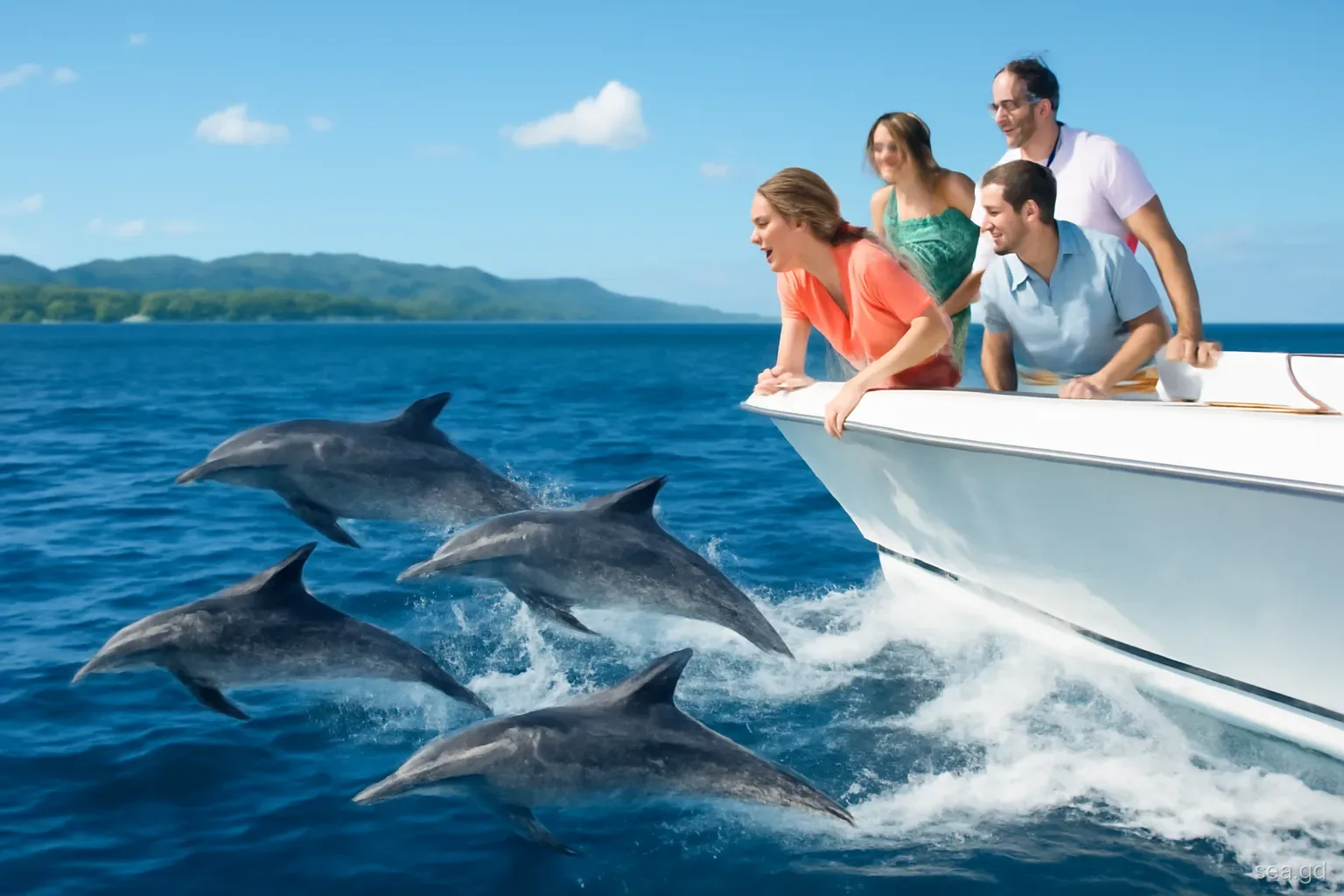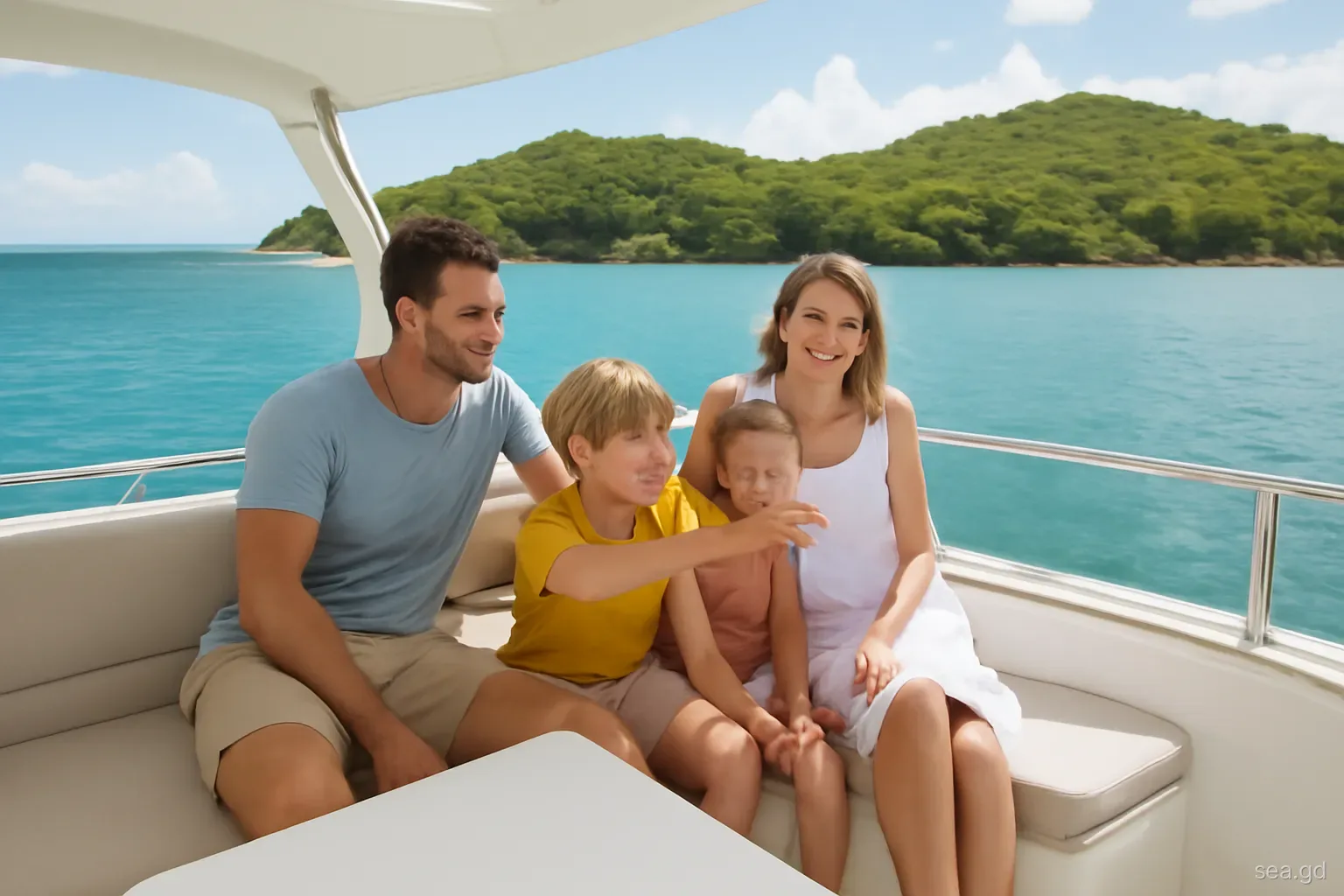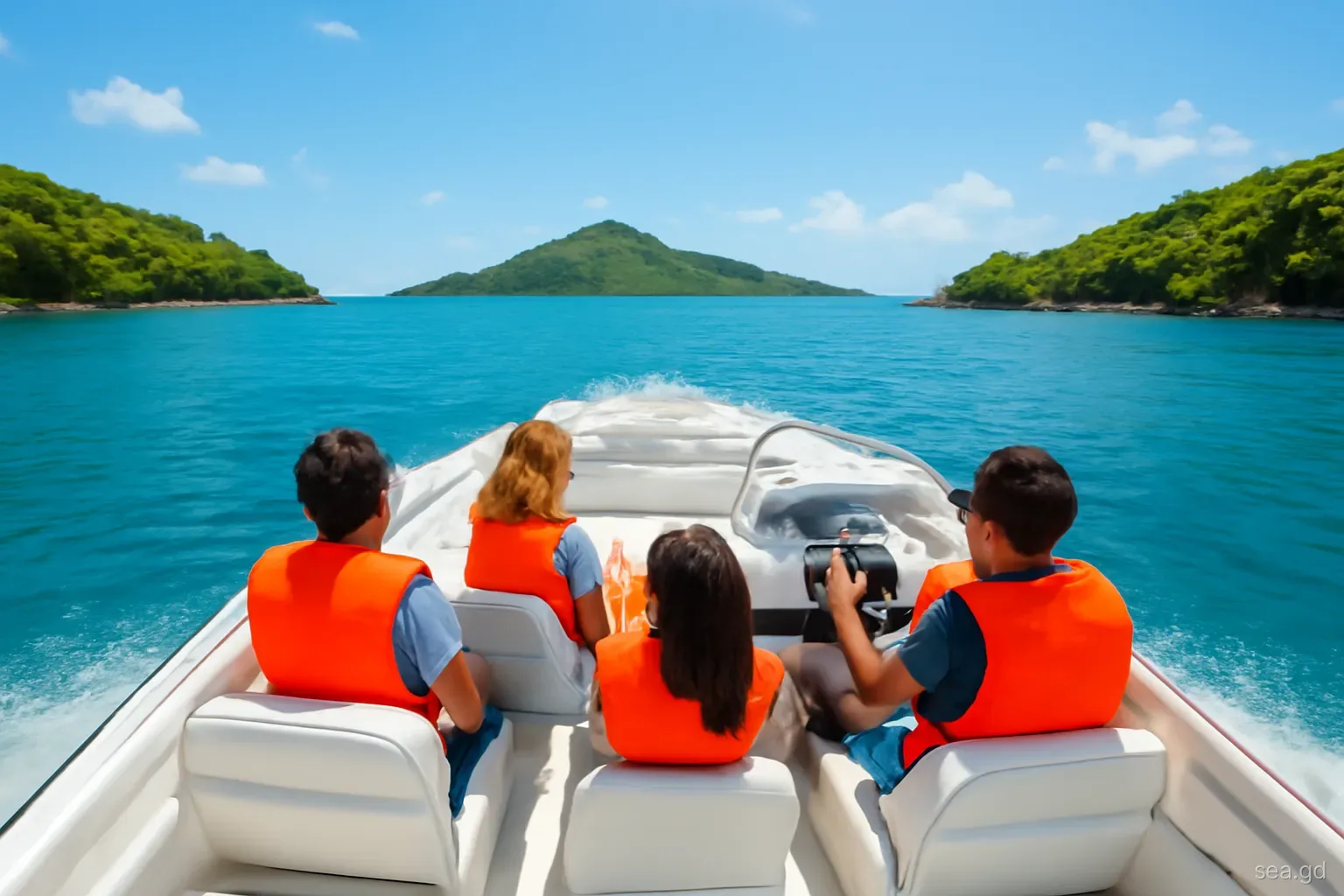
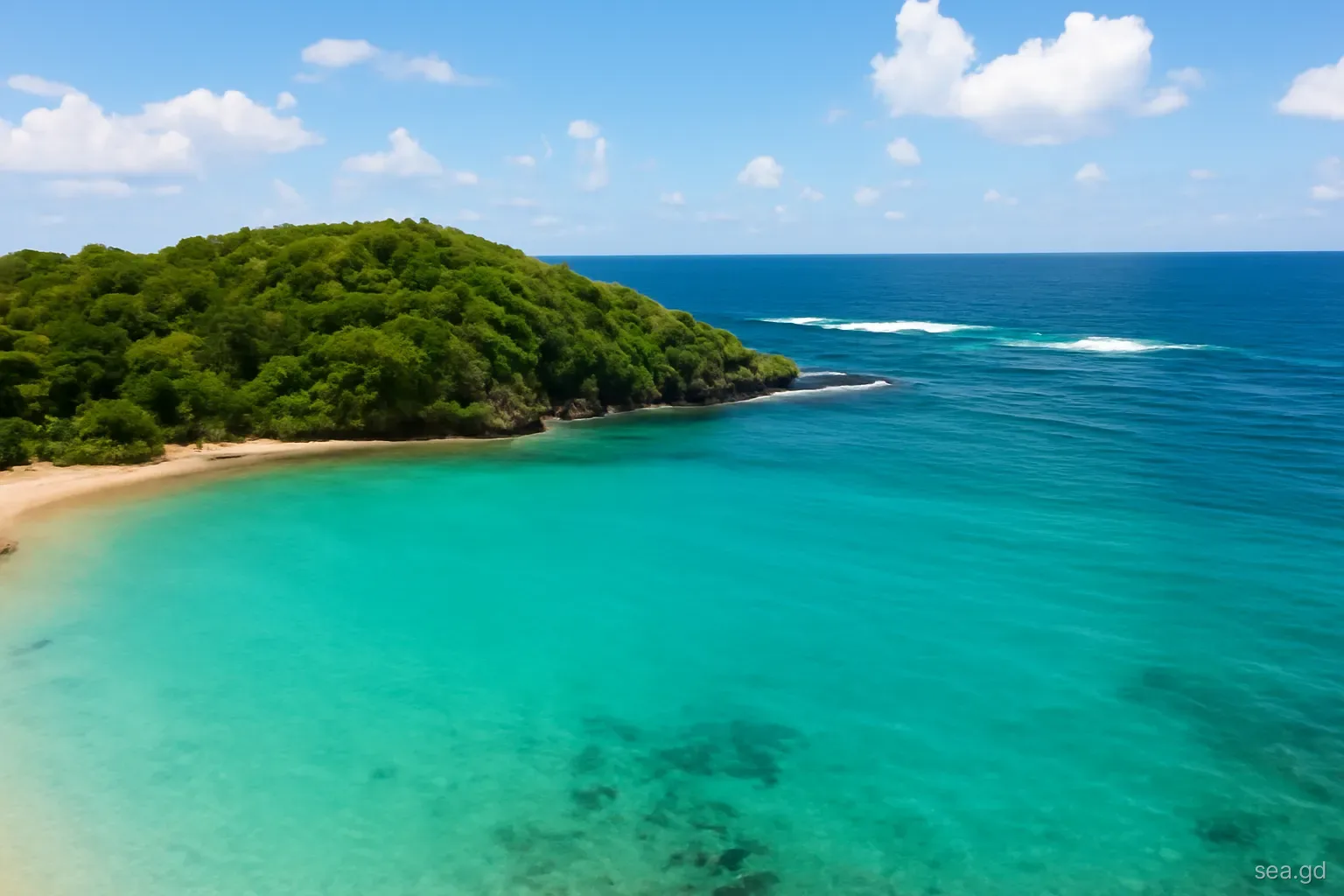
The single biggest factor in whether a Grenada boat trip feels like a gentle glide or a wet, lurching ride is not the boat or the crew but geography. Grenada is a mountainous island lying across the north-east trade winds. Its west coast sits in the lee of the hills, sheltered and usually calm. Its east coast faces the open Atlantic and takes the full force of wind and swell. Between Grenada and Carriacou lies an open channel that can be lively at any time of year.
Understanding that pattern, and how it shifts through the seasons, lets you choose trips that suit your stomach, plan crossings for the right time and know when a cancellation is sensible. This guide explains the conditions on each side of the island, month by month, and closes with practical advice for anyone prone to seasickness.
The three kinds of water around Grenada
The leeward west coast. From Point Salines north past Grand Anse, St George's and up towards Gouyave, the island's mountains block the trade winds. Most day trips, snorkel stops and sunset cruises run here, and on a typical day the sea is calm to gently rippled. The exception is when swell from distant storms wraps around the island, which mainly happens in winter.
The south coast. The deeply indented south coast, with bays such as Prickly Bay, Mount Hartman, Woburn and Port Egmont, offers well-protected water inside the bays. The coast outside, however, is more exposed to wind and swell from the east and south-east, so the stretch between bays can be bumpy.
The Atlantic east coast and the channels. The windward side of Grenada, from Levera down past Grenville to the south-east, faces the full Atlantic. Few pleasure trips run here, and conditions can be rough even on a sunny day. The channel north to Carriacou is open water too, with the trades on the beam and a westward-setting current, which is why the ferry crossing has its reputation.
Month by month: what to expect
December to April is the dry season and the peak of the trade winds. The strongest spells, often called the Christmas winds, typically arrive between December and February, when the trades can blow fresh for days at a time. Inside the west coast bays the water usually stays calm, but the passage north or south between bays can be spray-filled, and the channel to Carriacou is often rough. This is also the period when northerly ground swells, generated by winter storms far out in the North Atlantic, can reach the island and send surge into west-facing bays even in fine weather.
May and June are often a transition: the wind eases, the sea calms and the rainy season begins. Many sailors and snorkellers consider this one of the pleasantest periods on the water, although Saharan dust haze can reduce visibility in the air.
July to November is the rainy season and the Atlantic hurricane season, with the most active months usually August to October. Winds are often lighter, the sea frequently flatter, and many days are excellent for boat trips. But tropical waves bring squalls and heavy showers, and when a tropical storm or hurricane watch is issued, all trips stop. Grenada lies towards the southern edge of the main hurricane belt, but it is not outside it, as Hurricane Ivan in 2004 and Hurricane Beryl in 2024 showed.
Which trips are calmest
If seasickness is a worry, these choices tilt the odds strongly in your favour.
- West coast snorkel and day trips, particularly those staying between Grand Anse and Moliniere Bay, are usually the calmest option in any season.
- Sunset cruises within Grand Anse Bay are short and sheltered, and the boat spends much of the time at anchor or drifting gently.
- Larger catamarans ride more steadily than small monohulls or open pirogues, because their width resists rolling.
- Morning departures often meet lighter winds than afternoon ones, especially in the dry season.
- Trips inside the south coast bays, such as those exploring the mangroves or Hog Island area, stay in protected water.
- Avoid long open-water runs, such as a crossing to Carriacou in a small boat during the Christmas winds, if you are sensitive to motion. Flying is a fair alternative for that leg.
The Carriacou crossing and Kick 'em Jenny
The passage between Grenada and Carriacou is the trip most visitors remember for its motion. The fast ferry between St George's and Carriacou, which has docked at Hillsborough and more recently at Tyrrel Bay, usually takes around ninety minutes to two hours depending on the vessel and conditions, and the stretch north of Grenada is exposed to the trades and the swell coming through the channel. On a calm day it is pleasant; in the Christmas winds it can be uncomfortable for many passengers, and crew hand out bags for a reason.
North of Grenada lies Kick 'em Jenny, an active submarine volcano. The authorities maintain an exclusion zone around it, normally a radius of 1.5 kilometres, which is widened when the alert level rises. Boats route around it, and the Seismic Research Centre of the University of the West Indies monitors its activity. It is not a reason to avoid the crossing, but it is one reason skippers keep to established routes.
If you are prone to seasickness, sit on the lower deck towards the stern, in the open air if possible, and keep your eyes on the horizon. Avoid the bow and avoid reading or scrolling on your phone. The short flight between Maurice Bishop International Airport and Lauriston Airport on Carriacou is an alternative worth considering in rough weather.
Avoiding and managing seasickness
Seasickness is a mismatch between what your eyes see and what your inner ear feels. These steps help most people.
- Get a good night's sleep and avoid heavy drinking the night before. Fatigue and dehydration make it worse.
- Eat a light breakfast: plain bread, crackers or fruit rather than an empty stomach or a large fried meal.
- Take any seasickness medication before boarding, as directed. Over-the-counter tablets such as those containing meclizine or dimenhydrinate work best preventively, and prescription patches need to go on hours in advance. Ask a pharmacist or doctor which suits you, as some cause drowsiness.
- Once aboard, stay in the fresh air, near the middle of the boat and as low as practical, where motion is least.
- Look at the horizon or at a fixed point on land. Avoid looking at screens, books or the water close to the boat.
- Sip water and nibble plain snacks. Ginger biscuits or ginger sweets help some people.
- If you start to feel unwell, tell the crew early. They have seen it many times and can suggest a better spot, or, on a day trip, an early swim, which often helps.
Mistakes people make with sea conditions
The first is judging the sea from the beach. Grand Anse can look like a lake while the channel a few miles away is white with breaking crests. Trust the crew's judgement, not the view from your sunlounger. The second is booking the Carriacou crossing for the day before an international flight; if conditions are bad, ferry schedules can change, and a long, rough crossing is a poor way to start a travel day.
The third is assuming the rainy season means constant rain. Most days in July or September have long dry spells, and the sea is often calmer than in the dry season. Squalls arrive quickly and pass quickly. The fourth is ignoring warnings. When the Grenada Meteorological Service issues small-craft advisories or a tropical storm watch, it is not the moment to look for a boatman willing to go anyway.
The fifth is forgetting that conditions differ between the morning and the afternoon. Trade winds often strengthen as the land heats up during the day, so a trip that felt smooth at nine o'clock can be noticeably livelier on the way home. If your group includes sensitive stomachs, a morning half-day is a safer bet than an afternoon departure.
Frequently asked questions
Is the sea calm around Grenada?
The west coast, where most boat trips run, is usually calm because the mountains shelter it from the trade winds. The east coast facing the Atlantic and the open channels between islands are rougher, especially in the windy months from December to April.
When is the sea calmest in Grenada?
Many sailors find May, June and the lighter-wind spells of the rainy season calmest, outside tropical weather. The dry season brings sunshine but also stronger trade winds and occasional northerly swells, though the west coast bays stay sheltered most of the time.
Is the ferry to Carriacou rough?
It can be. The crossing passes through open water exposed to the trade winds and swell, and in strong winds many passengers feel unwell. Sitting low and towards the back, taking medication beforehand and watching the horizon all help.
What are the Christmas winds?
A local name for the strong trade-wind spells that often arrive between December and February. They bring fresh breezes and rougher seas, especially in open water, while sheltered west coast bays usually remain comfortable for swimming.
Are boat trips cancelled in hurricane season?
Only when weather requires it. Many days between July and November are excellent on the water. When a tropical storm or hurricane watch or warning is issued, all trips stop, so travellers in this season should keep plans flexible and watch the forecasts.
Which boat is best for people who get seasick?
A large catamaran on a west coast trip is usually the most stable option. Small open boats and long open-water runs are the hardest on sensitive stomachs. Taking medication before departure makes a bigger difference than the choice of vessel.