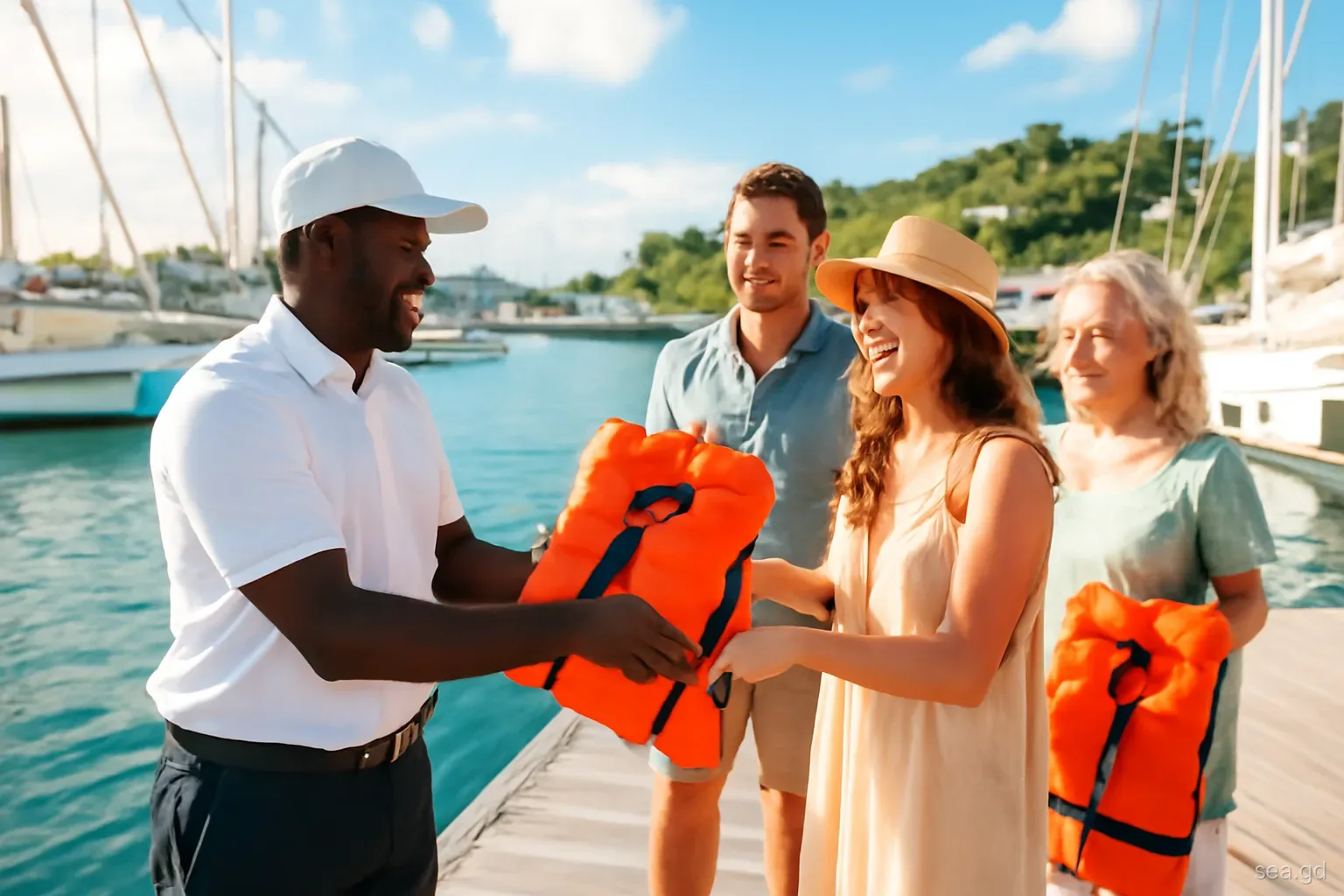
Most boat trips in Grenada run smoothly, crewed by people who have spent their working lives on these waters. But the industry ranges from established companies with large catamarans to individual boatmen with a pirogue and an outboard, and standards are not uniform. A few minutes of checking before you pay can tell you a great deal about how a trip will be run, especially if you are travelling with children, poor swimmers or anyone with health concerns.
This checklist covers what to ask, what to look at on the dock and the warning signs that justify walking away, even if it means losing a deposit. None of it requires technical knowledge of boats, just attention and a willingness to ask direct questions.
Before you book
Most of the useful checking happens before money changes hands. Work through these in order.
- Ask whether the operator is licensed. Tour operators in Grenada are expected to be licensed with the tourism authorities, and commercial vessels are registered and inspected under maritime rules. A professional operator will answer this without hesitation.
- Ask about insurance. Reputable companies carry passenger liability cover and will confirm it. Check your own travel insurance too, since some policies exclude certain water activities.
- Ask how many guests the boat is licensed to carry and how many will be aboard on your trip.
- Ask who the captain is and how much experience the crew have, including whether anyone holds first-aid training.
- Ask how weather decisions are made and what the cancellation policy is.
- Read recent reviews with care, looking for comments on safety, crew attentiveness and how problems were handled, not just the scenery.
- Ask your hotel or guesthouse who they recommend and who they avoid. Local hosts hear about bad days quickly.
What to look for on the dock and aboard
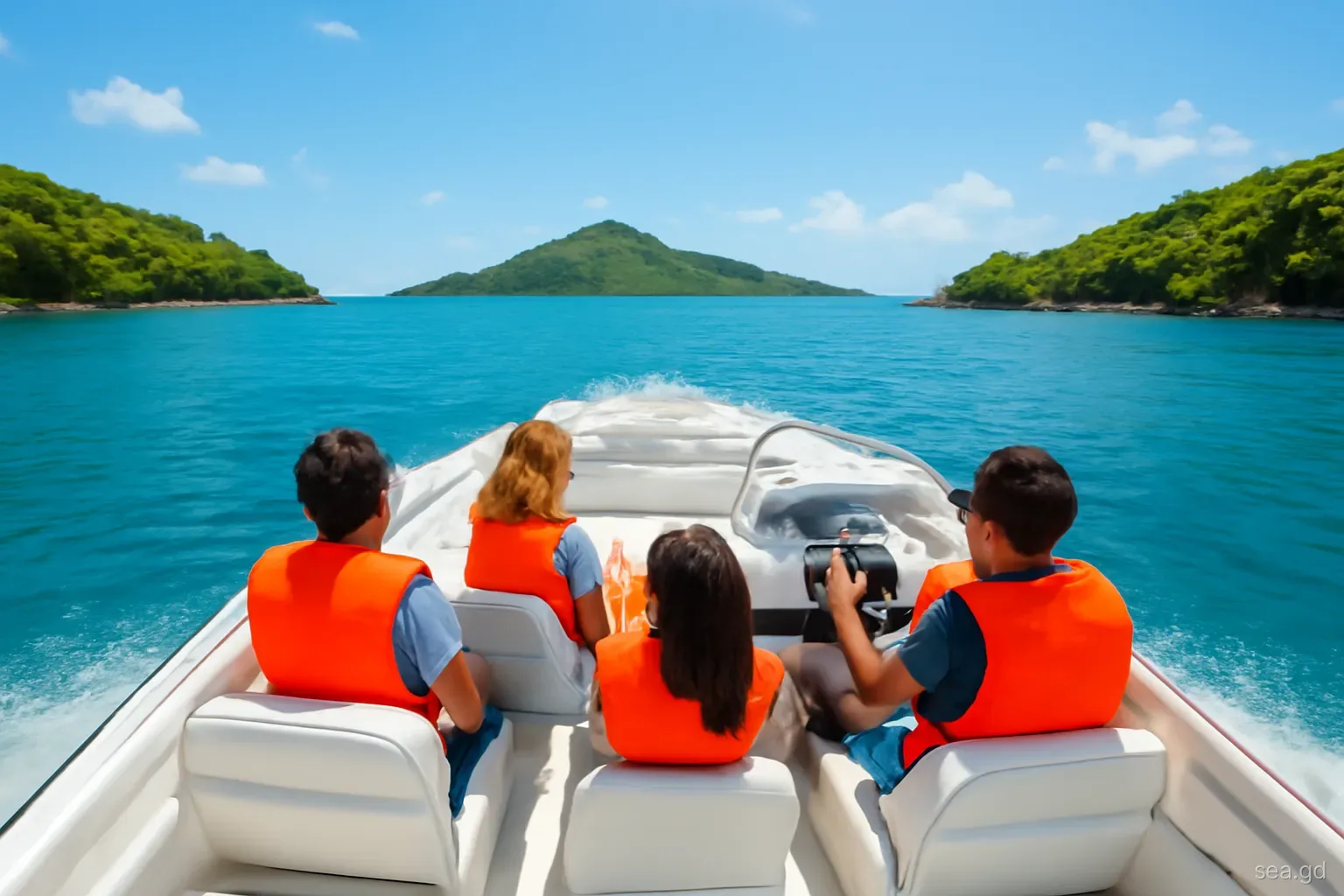
Life jackets. There should be enough for every person, in sizes that fit, including children. They should be visible and accessible, not buried under cushions or locked away.
A safety briefing. Good crews explain where life jackets are, how to board and leave the boat, what to do in the water and where to sit during the passage. If no one says anything, ask.
Communication equipment. A VHF radio and a charged mobile phone are the minimum for a commercial boat. Larger operators may also carry flares and an emergency beacon.
A first-aid kit and fresh water. Small cuts from coral, sea urchin spines and sunstroke are the most common problems. A crew prepared for these is usually prepared for more.
The state of the boat. You do not need to be an engineer to notice frayed lines, a smoky engine, standing water in the hull or loose fittings. A well-maintained boat looks cared for.
Sober crew. Rum punch on the way home is part of many trips. The captain should not be drinking at any stage.
Weather calls: why cancellations are a good sign
Grenada's west coast is sheltered, but the island still sees strong trade winds in the dry season, northerly swells in winter and tropical weather between June and November. Operators who cancel or shorten trips when conditions deteriorate are protecting their guests and their boats. Those who never cancel are either very lucky or taking risks.
The Grenada Meteorological Service issues forecasts and marine warnings, and tropical storm watches and warnings are taken seriously across the island. When one is in force, trips stop and boats head to shelter. Even outside storms, a crew may decide that a particular snorkel site has too much surge, or that the passage to Carriacou is too rough in an open boat.
If your trip is cancelled for weather, expect to be offered a new date or a refund according to the terms you agreed. This is another reason to book early in your stay: a cancellation on your last day leaves no room to reschedule, and pressure to go out in poor weather is how accidents begin.
Warning signs that justify walking away
Losing a deposit is annoying; an accident at sea is far worse. Consider changing your plans if you see any of the following.
- No life jackets, or not enough for everyone aboard.
- More passengers than seats, or a boat sitting visibly low in the water.
- A captain or crew who have been drinking.
- Refusal or vagueness when asked about licensing or insurance.
- Pressure to go out despite a storm warning or obviously rough water.
- A boatman offering to cross into St Vincent and the Grenadines without any clearance formalities.
- A crew who dismiss questions about safety or children with a laugh.
- An engine that will not start reliably at the dock.
- A boat with no shade on a full-day trip in the midday sun, with no fresh water aboard for guests.
- Snorkellers dropped in a busy channel or among moored boats with no lookout left aboard.
Extra checks for children and vulnerable guests
Children need life jackets that fit snugly: too large and they slide off in the water. Many operators carry child sizes, but if your children are very young, consider bringing your own approved jacket from home. Ask whether the boat has shade, because young children overheat quickly on an open deck, and whether there is a toilet on longer trips.
Guests with heart conditions, diabetes, epilepsy or limited mobility should tell the operator before booking, not on the day. A good crew will explain how boarding works, whether it involves wading from a beach, and how they would handle a medical problem at sea. Bring any medication aboard in a waterproof bag and tell a crew member where it is.
Non-swimmers can enjoy a boat trip safely with the right support. Wear a life jacket throughout, stay close to the boat at snorkel stops and let the crew know so someone keeps an eye on you.
If something goes wrong
In an emergency at sea, the crew will use the VHF radio or a phone to call for help. Ashore, 911 is the emergency number for police, fire and ambulance, and the Coast Guard operates as part of the Royal Grenada Police Force. The main hospital on the island is the General Hospital in St George's; on Carriacou, the main hospital is Princess Royal Hospital at Belair.
For minor injuries such as coral cuts or sea urchin spines, clean the wound with fresh water as soon as possible and keep an eye on it for signs of infection over the following days. Coral cuts in particular heal slowly in the tropics. For jellyfish and other stings, follow the crew's advice and seek medical help if symptoms spread or worsen.
Afterwards, if you have concerns about how a trip was run, raise them with the operator first and, if necessary, with the Grenada Tourism Authority, which oversees licensed tourism businesses.
Questions worth asking on the phone or by message
Much of what you need to know can be found out in a short exchange before booking. Ask how long the operator has been running trips in Grenada and whether the captain on your date is the owner or a hired skipper. Neither answer is wrong, but experienced owner-operators often know the coast in detail, while larger companies may have more formal training and procedures.
Ask what happens if a guest feels unwell at sea: can the boat return early, and how quickly? Ask whether snorkellers are counted back aboard at each stop, which sounds obvious but is the routine that prevents people being left in the water. Ask whether the crew includes someone who stays aboard while others swim, so the boat is never unattended at a busy site.
Pay attention to the tone of the replies as well as the content. Operators who answer safety questions patiently and specifically, rather than with a breezy "no problem", usually run their trips the same way.
Frequently asked questions
Are boat tours in Grenada regulated?
Yes. Tour operators are expected to be licensed with the tourism authorities, and commercial vessels are subject to maritime registration and safety rules. Standards still vary in practice, so it is worth checking life jackets, crew and equipment yourself.
What safety equipment should a tour boat carry?
At a minimum, life jackets for everyone in suitable sizes, a first-aid kit, fresh water, and a way to call for help such as a VHF radio and a charged phone. Larger boats often carry flares and emergency beacons as well.
Is it normal for boat trips to be cancelled for weather?
Yes, especially during strong trade-wind spells, northerly swells or tropical storm watches. Cancellation is a sign of a careful operator. Check the policy for refunds or rescheduling when you book.
What is the emergency number in Grenada?
The emergency number is 911, which connects to police, fire and ambulance services. At sea, crews use VHF radio or phone, and the Coast Guard is part of the Royal Grenada Police Force.
Should children wear life jackets on Grenada boat trips?
Yes. Children should wear a properly fitted life jacket whenever the boat is moving and in the water at snorkel stops. If your child is very small, consider bringing an approved jacket from home in case the right size is not available.
How can travellers find a reputable boat operator?
Ask your accommodation for recommendations, read recent reviews focusing on safety and crew, and ask the operator directly about licensing, insurance, group size and weather policy. Clear, confident answers are a good sign.