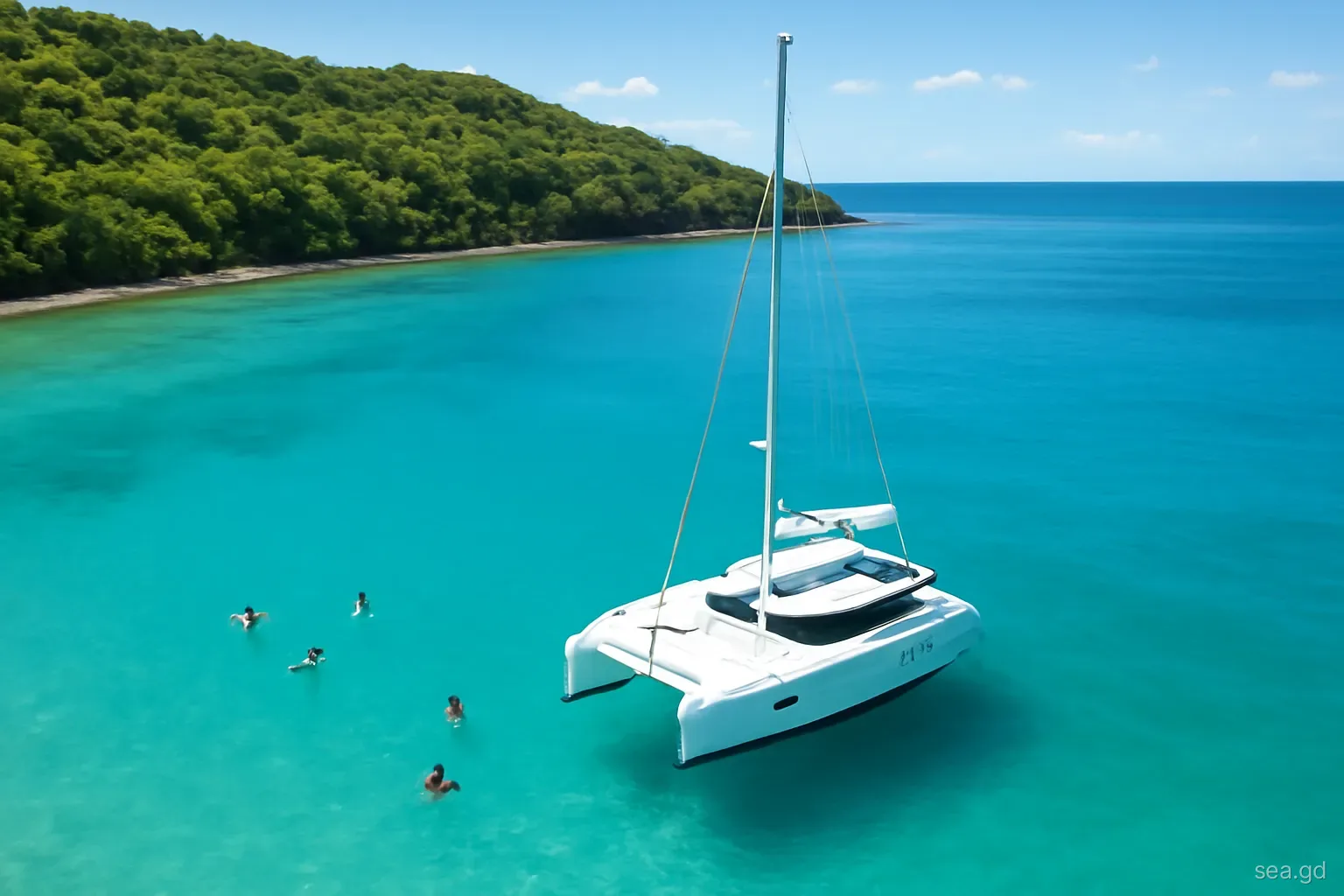
The classic Grenada catamaran trip is a half-day or full-day sail up the sheltered west coast from the Grand Anse and St George's area, with a snorkel stop or two, a swim off the back of the boat, lunch on a full-day trip and rum punch on the way home. On paper most operators sell something similar. In practice the boat, the group size, the crew and the weather make far more difference to your day than the brochure itinerary.
This page walks through how a typical day runs, what is normally included and what usually costs extra, how sea conditions shape the route, and the questions that separate a well-run trip from a crowded one. It is written for first-time visitors who want to book once and book well, and for anyone deciding between a big party boat and a smaller, quieter charter.
How a typical day runs, hour by hour
Most trips gather in the morning, either on Grand Anse Beach, at a marina such as Port Louis in the St George's lagoon, or from a jetty on the south coast. Some operators collect guests from hotels by minibus; others ask you to make your own way to the boarding point. On a beach pickup you wade out or step onto a tender, so expect wet ankles and leave the good shoes behind.
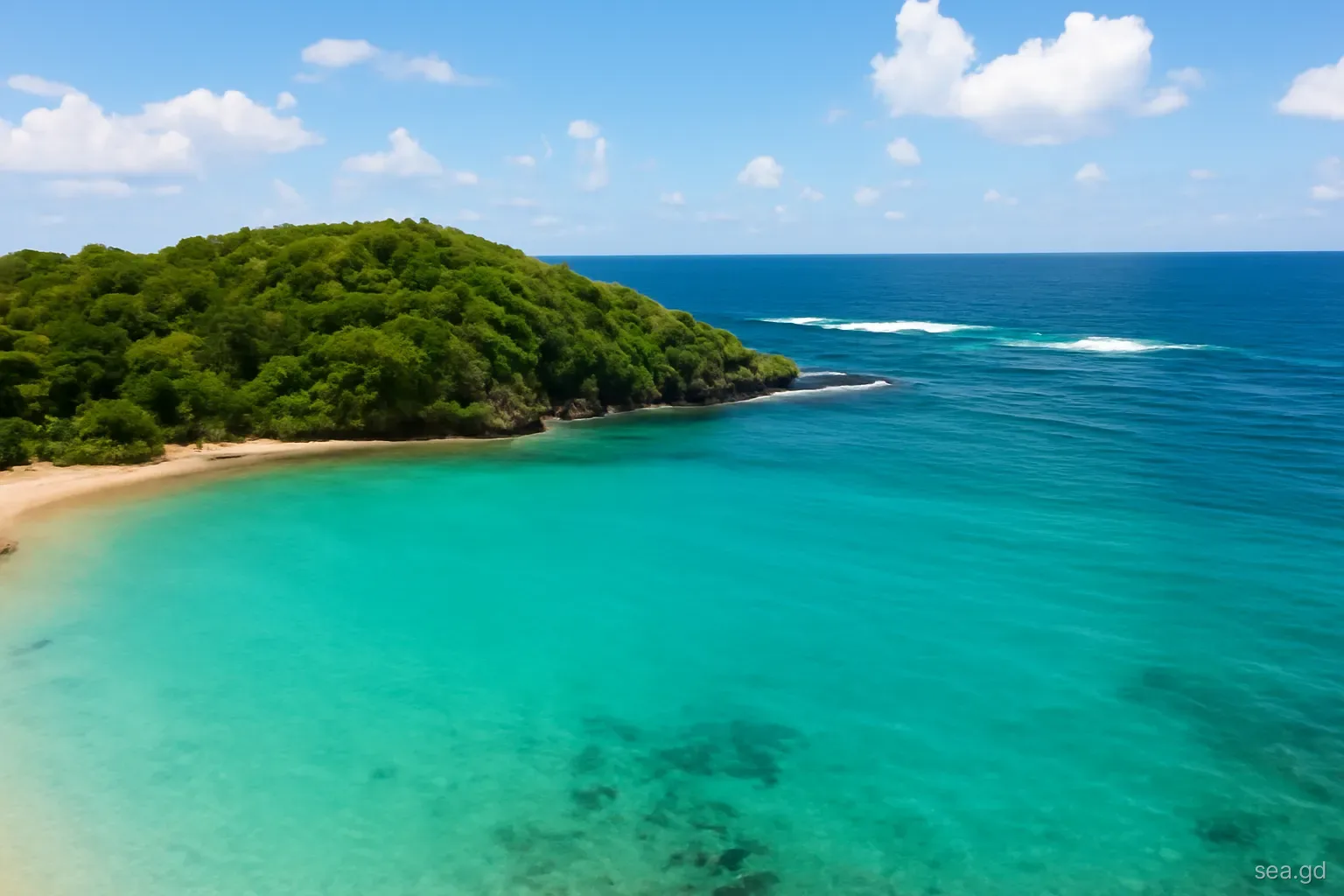
The boat then motors or sails north past the Carenage and Fort George, along a coast of steep green headlands and small bays. The leeward side of Grenada is sheltered from the trade winds by the island's mountains, which is why the water here is usually calm enough for comfortable swimming even when the Atlantic side is rough. The first stop is often in or near Moliniere Bay, where the Underwater Sculpture Park lies inside the Moliniere-Beausejour Marine Protected Area, or at Dragon Bay or Flamingo Bay nearby.
On a full-day trip there is usually a second stop, lunch aboard or ashore, and time to swim before the run home, often under sail with the wind behind or across the boat. Half-day trips cover the first stop and turn back. Sunset add-ons exist, but they are a different product, covered elsewhere on this site. Plan for roughly four hours for a half day and six to seven hours for a full day, including boarding.
What is usually included, and what often is not
Snorkel gear. Masks, snorkels and fins are standard, but quality varies. If you wear prescription lenses or have an unusually shaped face, bring your own mask; a leaking mask spoils a reef stop faster than anything else.
Drinks. Soft drinks, water and rum punch are commonly included, sometimes beer. Many crews serve alcohol only after the last snorkel, which is good practice rather than stinginess.
Lunch. Full-day trips usually include a cooked lunch, often local-style chicken or fish, rice, salad and provisions. Tell the operator about dietary needs when booking, not on the dock.
Marine park user fees. Visitors to the protected areas pay a user fee that supports rangers and moorings. Some operators include it in the price, others add it on the day. Ask, so it is not a surprise.
Transfers and tips. Hotel pickups may be extra. Gratuities are not usually built into the price; tipping the crew in cash at the end is customary if the service was good, and EC dollars or US dollars are both accepted.
Big party boat or small charter: what changes
Grenada's day-trip fleet ranges from large catamarans that take a cruise-day crowd to small boats carrying a dozen people or fewer. The large boats tend to be cheaper per head and livelier, with music and a bar atmosphere, and they suit groups who want a social day. Snorkel stops on a big boat can feel busy, with many swimmers entering the water at once around the same sculptures.
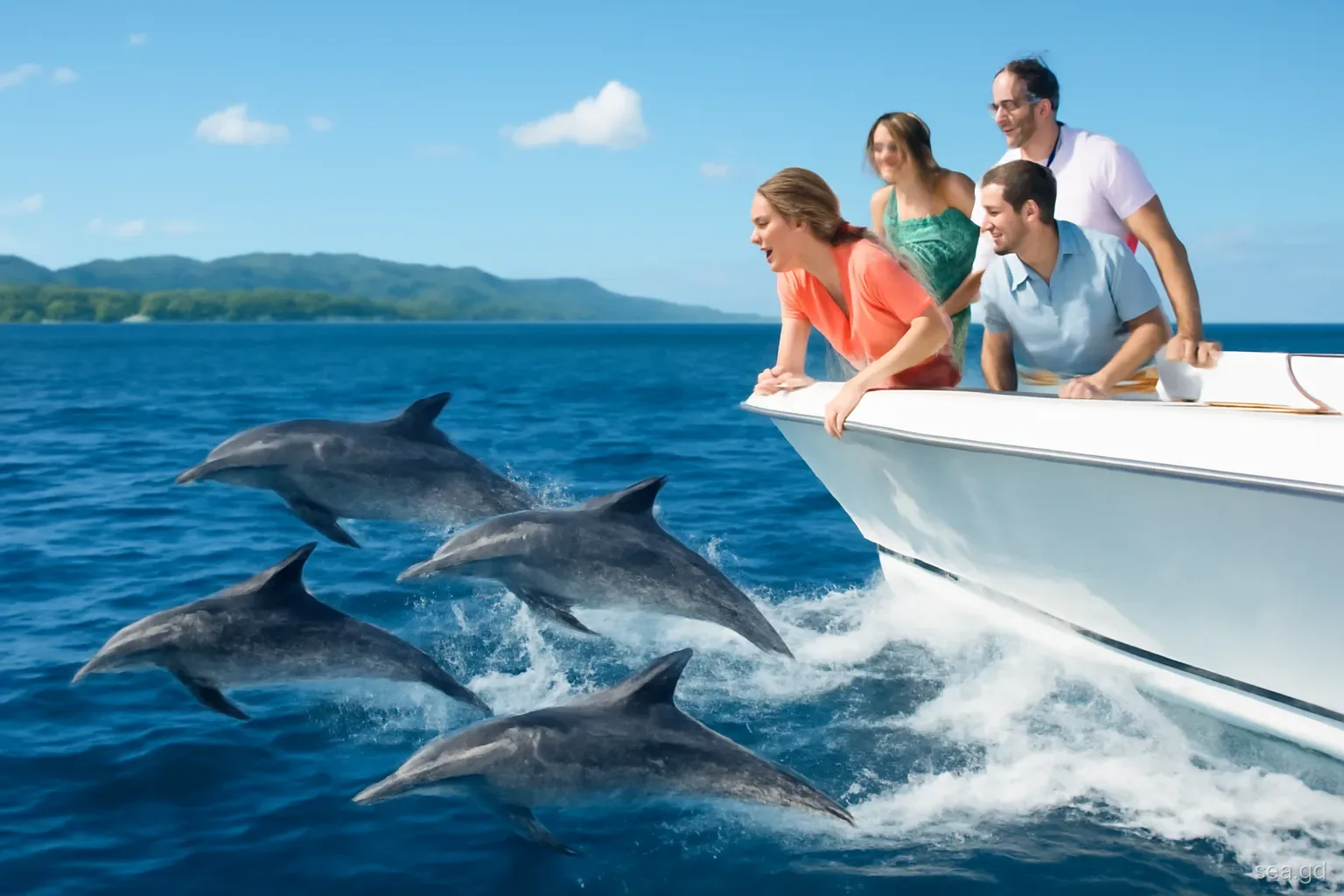
Smaller charters cost more per person but give the crew time to help nervous swimmers, adjust the route to the conditions and stay longer where the fish are. If the main reason for your trip is snorkelling, ask how many guests the boat carries on a normal day and how many crew members go in the water with guests.
Cruise-ship days change the picture. When several ships are in St George's, the sculpture park and the nearest bays can be crowded by mid-morning. Asking the operator which days are quieter, or choosing a trip that visits the sculptures early or late, makes a real difference to what you see underwater.
Mistakes people make on catamaran trips
Most disappointing days come from a few predictable errors, nearly all of them avoidable with a little planning.
- Underestimating the sun. On a catamaran deck there is little shade at midday, and the breeze hides the burn. Wear a long-sleeved rash vest in the water and a hat on deck.
- Drinking before snorkelling. Rum punch and open water do not mix. Save it for the sail home.
- Booking the last day of your holiday. If the trip is cancelled for weather, you have no fallback. Book early in your stay.
- Ignoring seasickness history. The west coast is usually calm, but swell does wrap around headlands. If you are prone, take medication before boarding, not once you feel ill.
- Standing on coral or sculptures. It damages the reef and can earn a firm word from rangers. If you need a rest, float on your back or hold the boat's ladder.
- Leaving valuables loose. Phones go overboard every season. Use a lanyard or a dry bag.
How to book a good trip
A few minutes of questions before paying usually tells you what kind of day you will get.
- Decide what matters most: snorkelling, sailing, socialising or simply a relaxed day on the water.
- Ask how many guests the boat carries, how many crew, and whether a crew member snorkels with guests.
- Ask whether the sculpture park is on the route, at what time, and whether the marine park fee is included.
- Check the pickup point and whether hotel transfers cost extra.
- Ask about the cancellation policy for bad weather and how much notice you will get.
- Confirm what to bring: towel, reef-safe sun protection, cash for tips and any personal snorkel gear.
- Reconfirm the evening before, especially in the rainy season or during strong trade-wind spells.
Season, wind and how the route changes
The dry season, roughly January to May, brings the most reliable sunshine and the clearest water, but also the strongest trade winds. On breezy days the run north is lively and spray comes over the bow, while the bays themselves stay calm because the hills block the wind. Crews sometimes shorten the route or swap a more exposed stop for a sheltered one, which is a sign of good judgement rather than a short-changed trip.
From June to November the wind is often lighter and the sea flatter, which suits snorkelling and nervous sailors, but this is also the hurricane season and the rainy season. Heavy showers usually pass in minutes, yet run-off from rivers can cloud the water near the coast for a day or two after prolonged rain. Tropical storm watches and warnings stop trips altogether, and operators follow the forecasts closely.
Northerly swells, which arrive mainly in the winter months from storms far out in the Atlantic, can wrap around the island and push surge into west-facing bays. On those days a snorkel stop may be moved or cancelled even under a blue sky. If the crew says a site is not safe, it is worth believing them; a bay that looks calm from the deck can have a strong surge over shallow reef.
Visibility also varies with plankton and with the current that flows along the coast. On some days you can see the sculptures from the surface; on others, you need to swim down a little. Neither condition is predictable far in advance, which is one more reason to book early in your stay.
Frequently asked questions
How long does a catamaran day trip in Grenada last?
Half-day trips usually run around four hours including boarding, and full-day trips six to seven hours. The exact time depends on the route, the number of stops and the weather, so ask the operator for the planned departure and return times.
Is the water calm enough for non-swimmers?
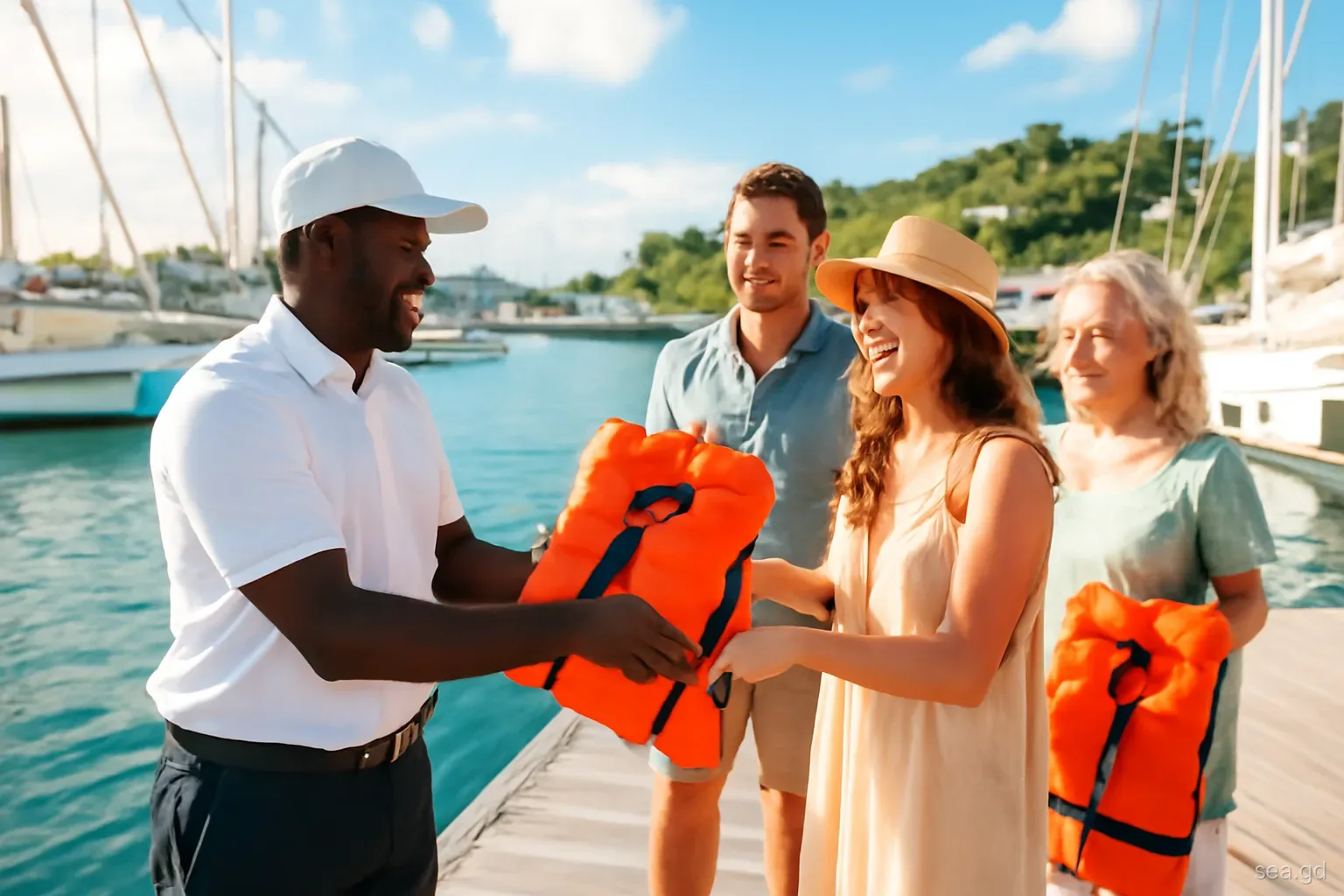
The west coast is sheltered and usually calm, and most boats carry life jackets and flotation aids. Non-swimmers can still enjoy the sail and float with a vest at stops. Tell the crew in advance so someone keeps an eye on you in the water.
Do catamaran trips visit the Underwater Sculpture Park?
Many west coast day trips include a stop in or near Moliniere Bay, but not all do, and conditions sometimes force a change. If the sculptures are the main reason you are booking, confirm before paying that they are on the plan.
What should you bring on a catamaran trip?
A swimsuit, towel, hat, sunglasses with a strap, a rash vest, water-resistant sun protection, a dry bag for phones and some cash for tips or extras. Bring your own mask if you wear prescription lenses or find rental masks uncomfortable.
Are catamaran trips cancelled for weather?
They can be, especially during strong trade-wind spells, tropical storm watches or heavy rain. Operators usually offer a new date or a refund, but policies vary, so check the terms and book early in your stay to leave room for rescheduling.
Is a catamaran trip suitable for children?
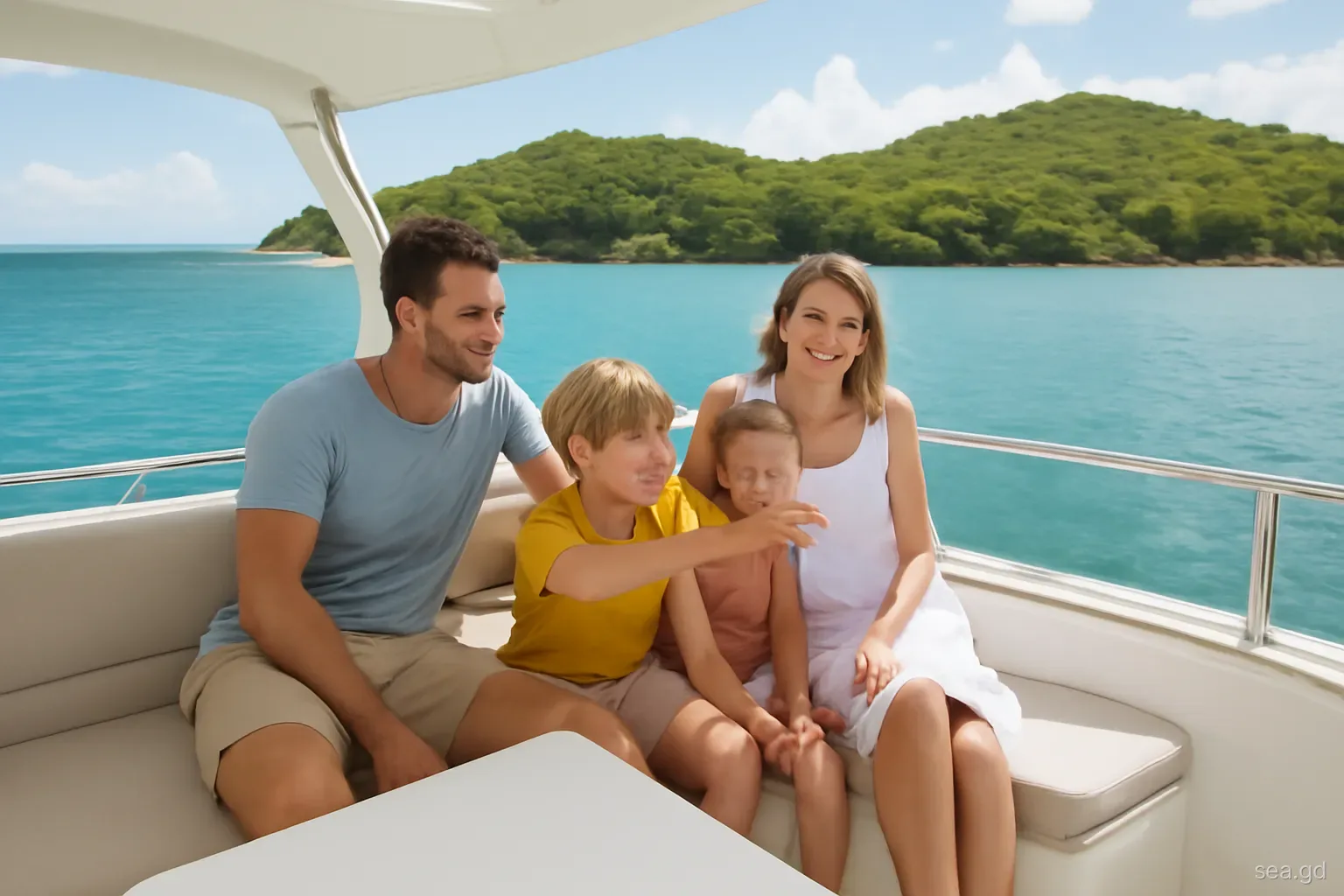
Usually yes, provided the crew have child-size life jackets and the trip is not a party cruise. Smaller charters are easier with young children. Ask about shade on deck, toilet facilities and whether there is a minimum age.