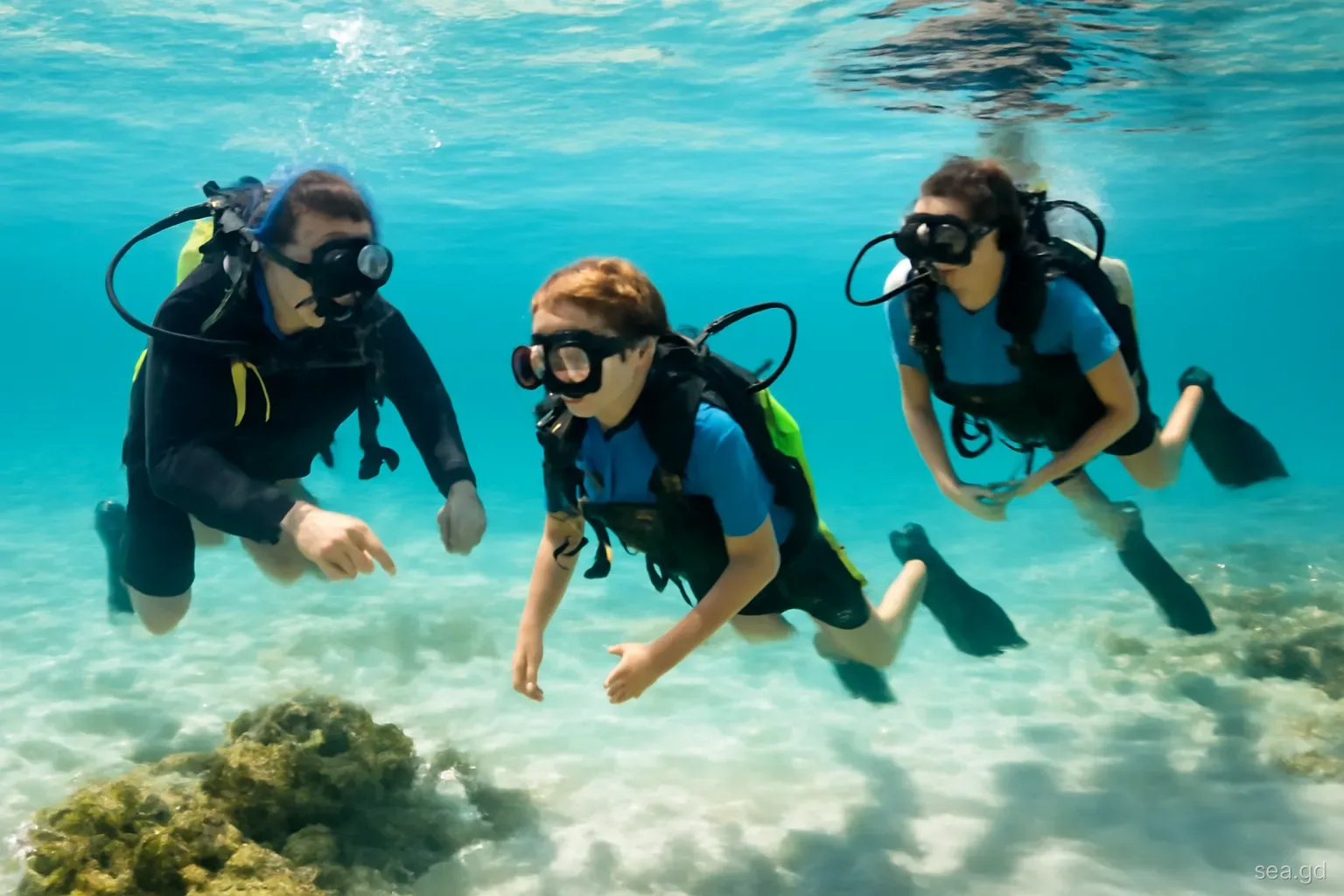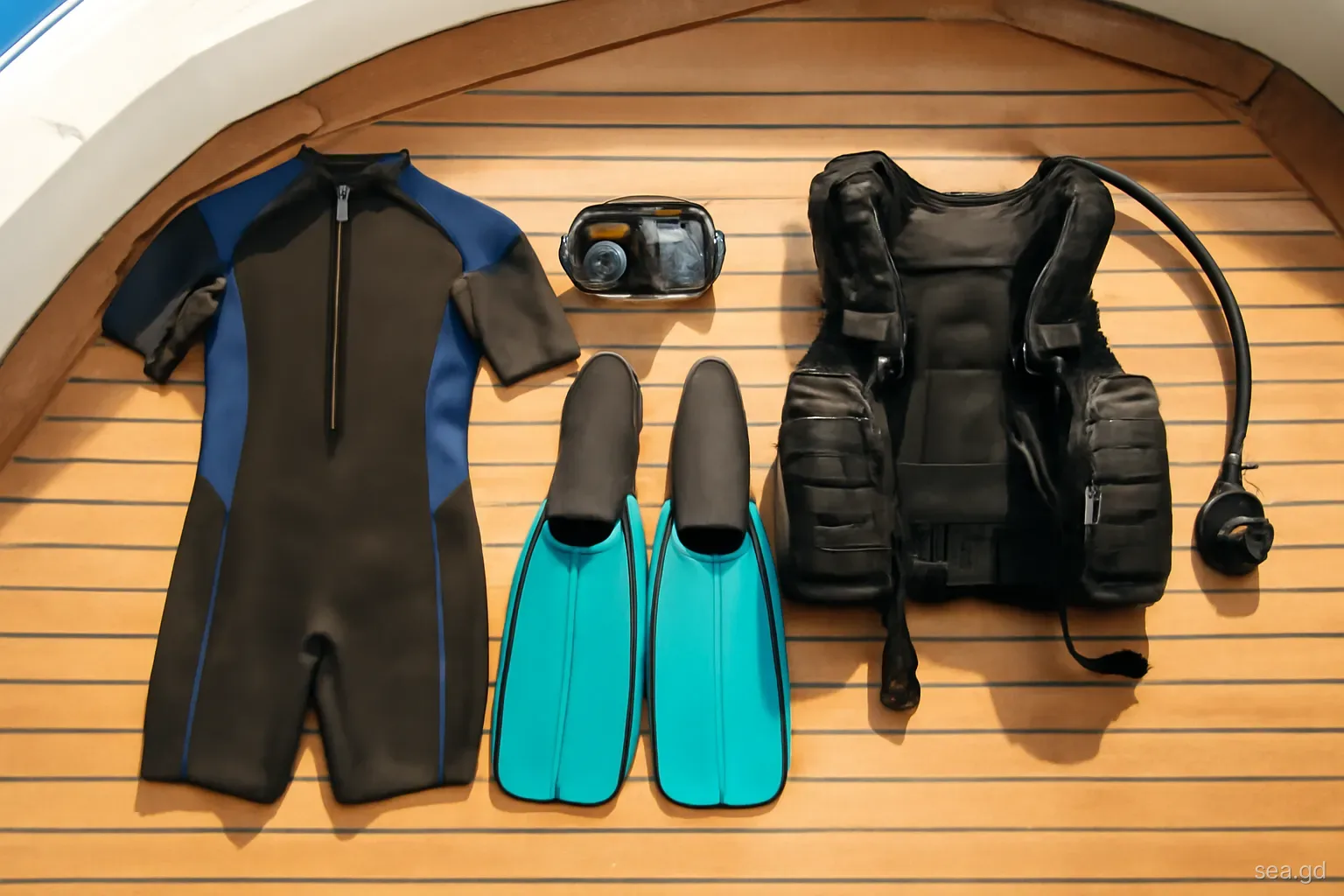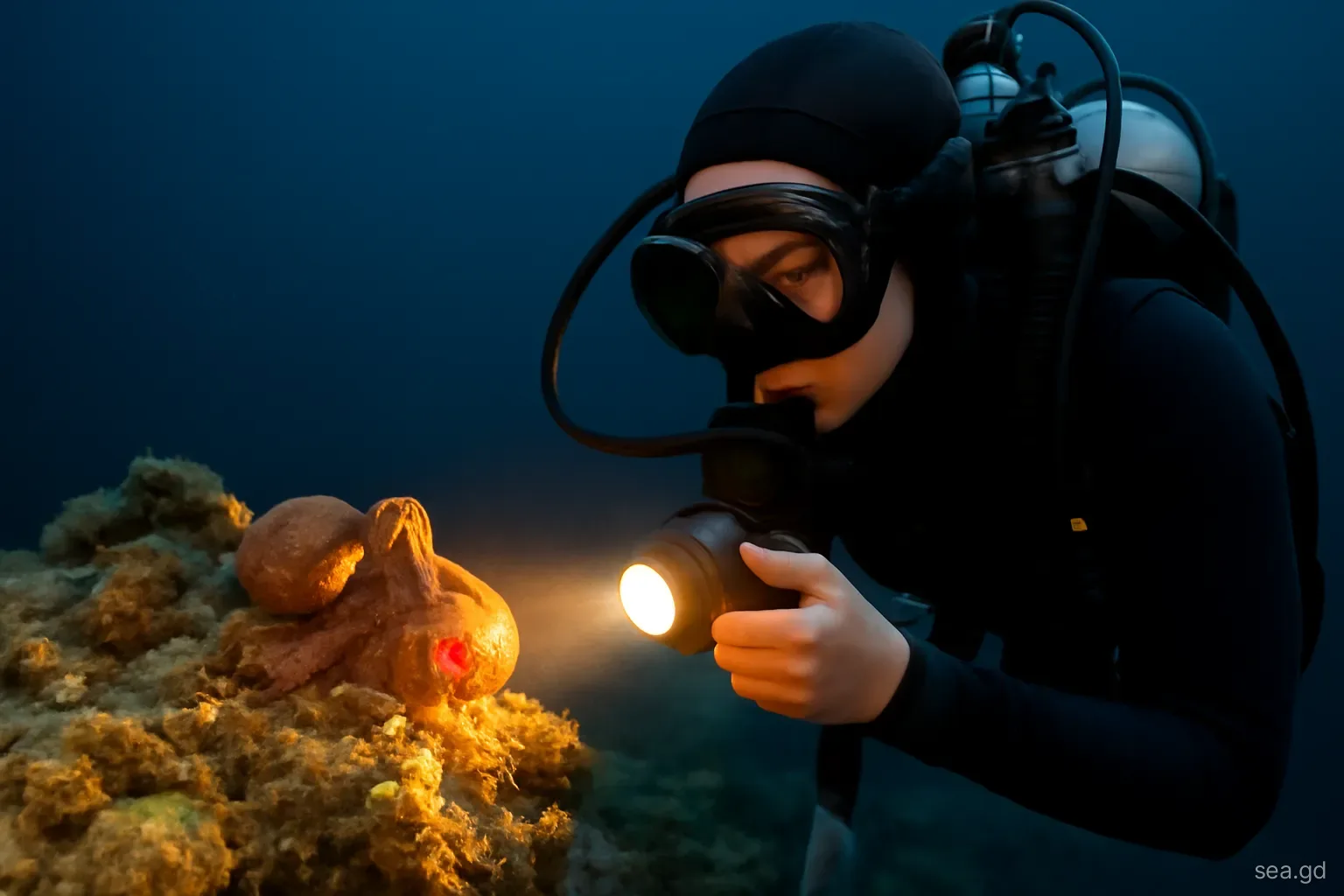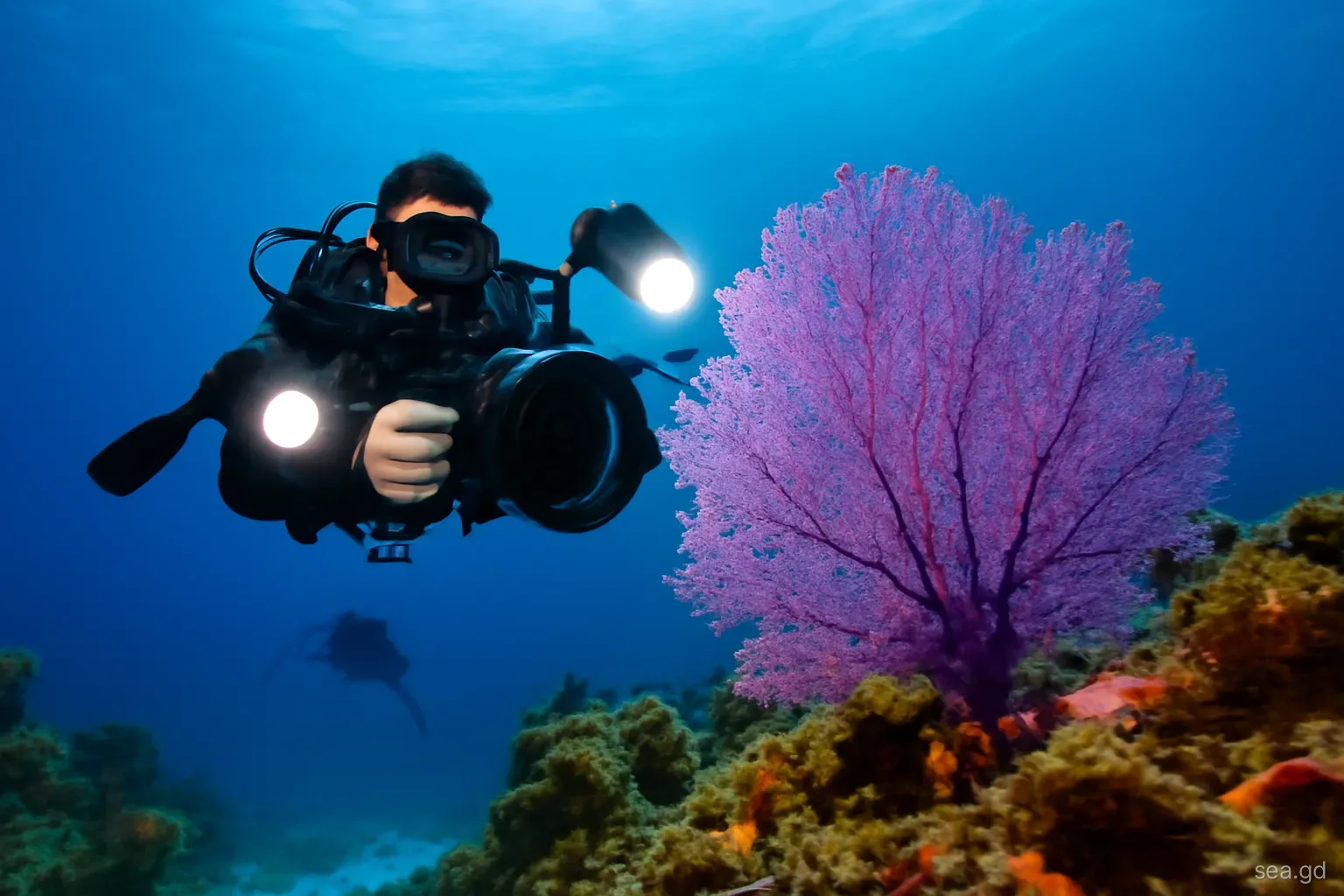
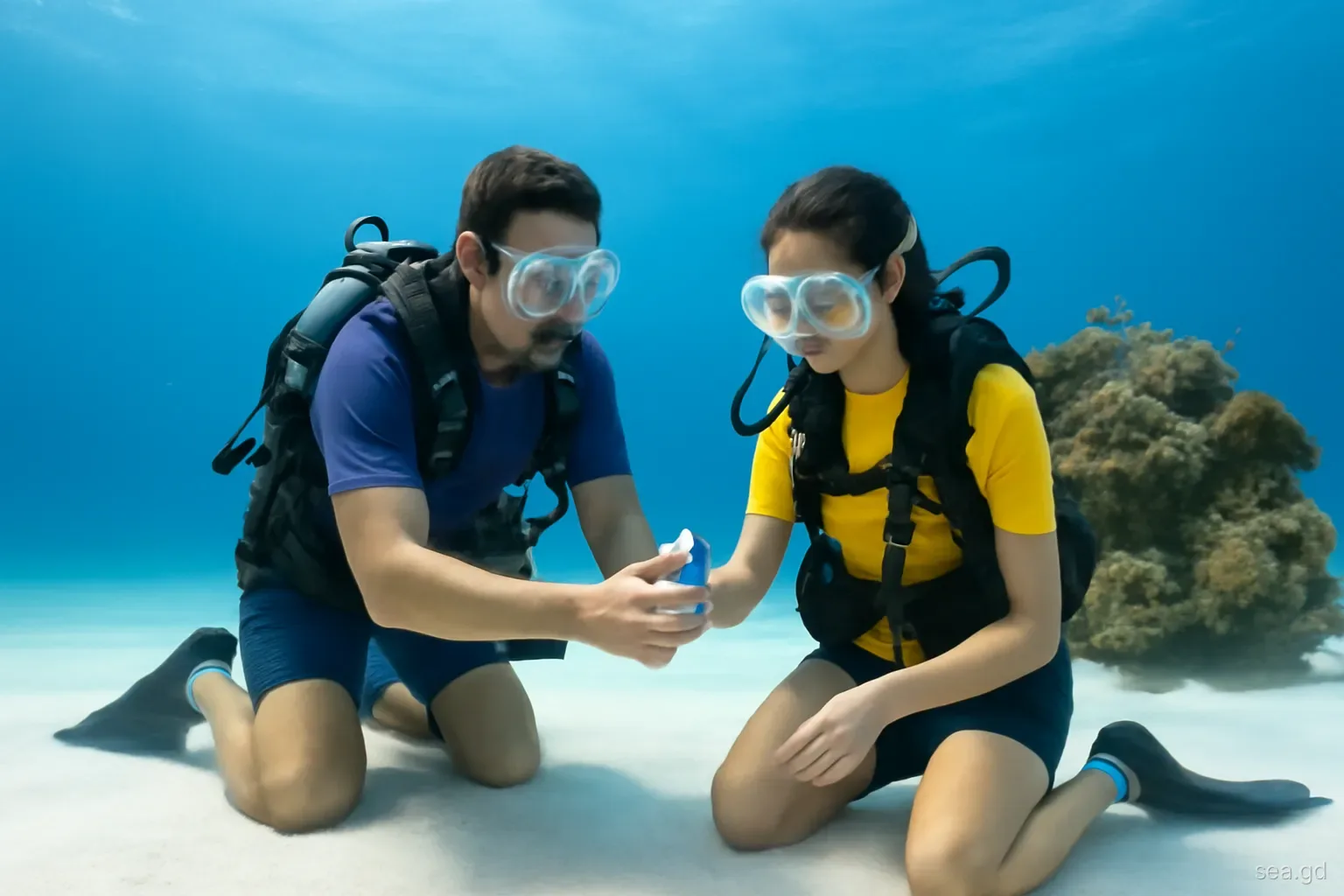
An Open Water certificate opens up a lot of Grenada's diving, from the shallow reefs to the Veronica L and the sculpture park, but not the dives that many people travel here for. The Bianca C, the deeper wrecks and the Atlantic-side sites all call for more training and experience. Grenada's dive centres teach the full range of recreational courses, and a week of diving here can double as a training trip.
The question is which course to take, in what order, and what each one actually lets you do in Grenada. This page compares the common next steps, using the course names of the largest agencies, and explains how to fit training into a holiday without spending all your dives on drills.
Advanced Open Water: the usual next step
What it involves. With the major agencies, the advanced course is a series of adventure or specialty-style dives, typically five, including a deep dive and an underwater navigation dive plus electives. There is little classroom time; much of the theory can be done online beforehand.
What it opens up. The advanced certificate generally qualifies divers to around 30 metres, which brings the upper parts of the Bianca C, the Shakem and other deeper sites within training limits, though operators may still want to see experience and a check dive before taking you to the Bianca C.
How long it takes. Two days is common, often combined with regular fun dives. In Grenada, electives such as wreck, drift, peak performance buoyancy, fish identification or photography make good use of local sites.
Who it suits. Almost every newly certified diver who wants to keep diving. It is less a test of expertise than a guided introduction to different kinds of diving.
Enriched air nitrox: more time at moderate depths
Nitrox, air enriched with extra oxygen, reduces nitrogen absorption and extends no-stop time at moderate depths. A typical mix of around 32 per cent oxygen gives noticeably longer bottom times at depths of roughly 18 to 30 metres, the range of many Grenadian reefs and wrecks. Divers doing several dives a day over a week often feel the benefit in longer dives and a larger safety margin on their computers.
The course is short, largely theory, and focuses on analysing your gas, setting the computer correctly and staying within the maximum operating depth for your mix. That last point matters in Grenada because the deep wrecks can exceed the safe depth for common nitrox mixes; the Bianca C's lower decks, for example, lie below the maximum operating depth of 32 per cent nitrox at the usual oxygen limit.
Availability of nitrox fills varies between dive centres, and there may be an extra charge per tank. Ask in advance whether your operator offers it and at what mixes.
Deep and wreck specialties
Deep-diver specialty training generally extends your limit to 40 metres, the recreational maximum. It covers gas planning at depth, narcosis, emergency decompression procedures and the use of reference lines. For anyone intending to explore the Bianca C beyond its upper structure, deep training is often what operators look for, alongside recent experience.
Wreck-diver specialty training covers wreck mapping, hazards such as entanglement and collapsing structure, and, in some versions, limited penetration with lines and lights. Grenada, with its many wrecks, is a natural place to take it. However, be clear on what it permits: limited penetration under recreational training is not the same as exploring the interior of a deteriorating liner at 40 metres, and most Grenadian wrecks are dived from the outside on recreational trips.
Divers interested in going further, to the seabed around the Bianca C or into more complex penetration, need technical training. That is a separate path involving different equipment and gases, and is offered only by instructors and centres specifically equipped for it.
Rescue Diver: the course people wish they had done sooner
Many divers describe the rescue course as the most valuable they have taken. It teaches self-rescue, recognising and managing stress in other divers, responding to panicked or unresponsive divers at the surface and underwater, and organising an emergency response. Most agencies require current first-aid and CPR training, which can be taken as a separate short course beforehand or alongside.
The course is physically demanding, involving towing, carrying and repeated scenario practice, and is often run over two or three days. Grenada's warm water and sheltered bays make it a comfortable place to do it, and the local context, with boat diving in current and remote sites, makes the lessons especially relevant.
Rescue certification is also the gateway to professional training. For anyone considering working in diving, it is a required step before the divemaster course.
Even for divers with no professional ambitions, the course changes how you dive. Graduates tend to plan more carefully, watch their buddies more closely and carry the small items, such as a whistle and a surface marker buoy, that make a rescue possible. On boat trips to current-swept sites, those habits matter.
Fitting training into a dive holiday
Training dives are still dives, but they are structured around skills rather than sightseeing. A few principles help balance the two:
- Do the theory at home. Most agencies offer online learning for their courses, which saves holiday time for diving.
- Combine courses sensibly. Advanced and nitrox together are a common pairing; rescue is better taken with enough energy to do it properly.
- Choose electives that match local diving. In Grenada, wreck, drift and deep make sense; a cold-water dry-suit specialty does not.
- Leave the deepest dives until training is complete and you have done some fun dives at the new limit.
- Ask whether course dives can be done on the operator's regular trips so you dive interesting sites rather than a training bay.
- Get written confirmation of what the course price includes: learning materials, certification fees, equipment, boat dives and marine park fees.
Divemaster and professional paths
The divemaster course is the first professional level with the major agencies. Entry requirements typically include rescue certification, recent first-aid training, a minimum age of 18 and a minimum number of logged dives to start, with a higher number required to certify. The course covers dive supervision, assisting instructors, dive theory and a range of skills and stamina tests, and usually takes several weeks.
Grenada's mix of reef, wreck and drift diving makes it an attractive place to train, and some centres offer extended internship-style programmes. Before committing, ask exactly what is included, how much time you will spend leading dives under supervision, and whether the programme involves any work. Working in Grenada, paid or otherwise, may require permission from the authorities, and immigration status during a long course should be checked in advance.
Professional certification also brings ongoing obligations, including annual membership fees with the agency and professional liability insurance. Factor these in if diving is a career plan rather than a personal milestone.
Choosing an instructor and avoiding common mistakes
The quality of training depends more on the instructor than on the agency. Ask who will teach you, how many students they take at once and how much time you will spend in the water. Small groups mean more individual feedback, which matters for skills such as buoyancy and rescue scenarios.
A common mistake is collecting certificates faster than experience. Completing advanced, nitrox and deep in a few days can leave a diver qualified on paper for 40 metres with very few dives in total. Operators in Grenada will still assess you before deep or demanding dives, and rightly so. Logging dives between courses builds the judgement that makes training meaningful.
Another mistake is neglecting medical fitness. Training courses require a medical questionnaire, and some answers require a doctor's sign-off before you can dive. Read the form before travelling and see a doctor at home if needed; finding a suitable doctor at short notice on holiday can be difficult.
Frequently asked questions
What course do you need to dive the Bianca C?
Operators commonly require at least advanced certification plus recent deep diving experience, and some prefer deep specialty training. Even with the right card, expect a check dive first. The Bianca C lies at depths where gas planning, buoyancy and narcosis management matter.
Is nitrox worth taking in Grenada?
For divers making several dives a day at 18 to 30 metres, nitrox often gives longer bottom times and a better safety margin. It is a short course. Check that your operator offers nitrox fills and remember that common mixes cannot be used on the deepest parts of wrecks such as the Bianca C.
How long does the Advanced Open Water course take in Grenada?
It usually takes about two days, built around five training dives including a deep and a navigation dive. Online theory before your trip saves time. Many divers combine it with fun dives, and electives such as wreck or drift diving suit local sites.
Can you do a rescue diver course on holiday in Grenada?
Yes, many dive centres offer it. It typically takes two or three days and requires first-aid and CPR training, which can be done beforehand or alongside. It is physically demanding, so plan it for a part of the trip when you have energy.
Is PADI or SSI better for training in Grenada?
Both are widely recognised, and their courses lead to comparable certification levels. What matters more is the instructor, group size, time in the water and the operator's safety standards. Choose the dive centre first, then take the courses it teaches.