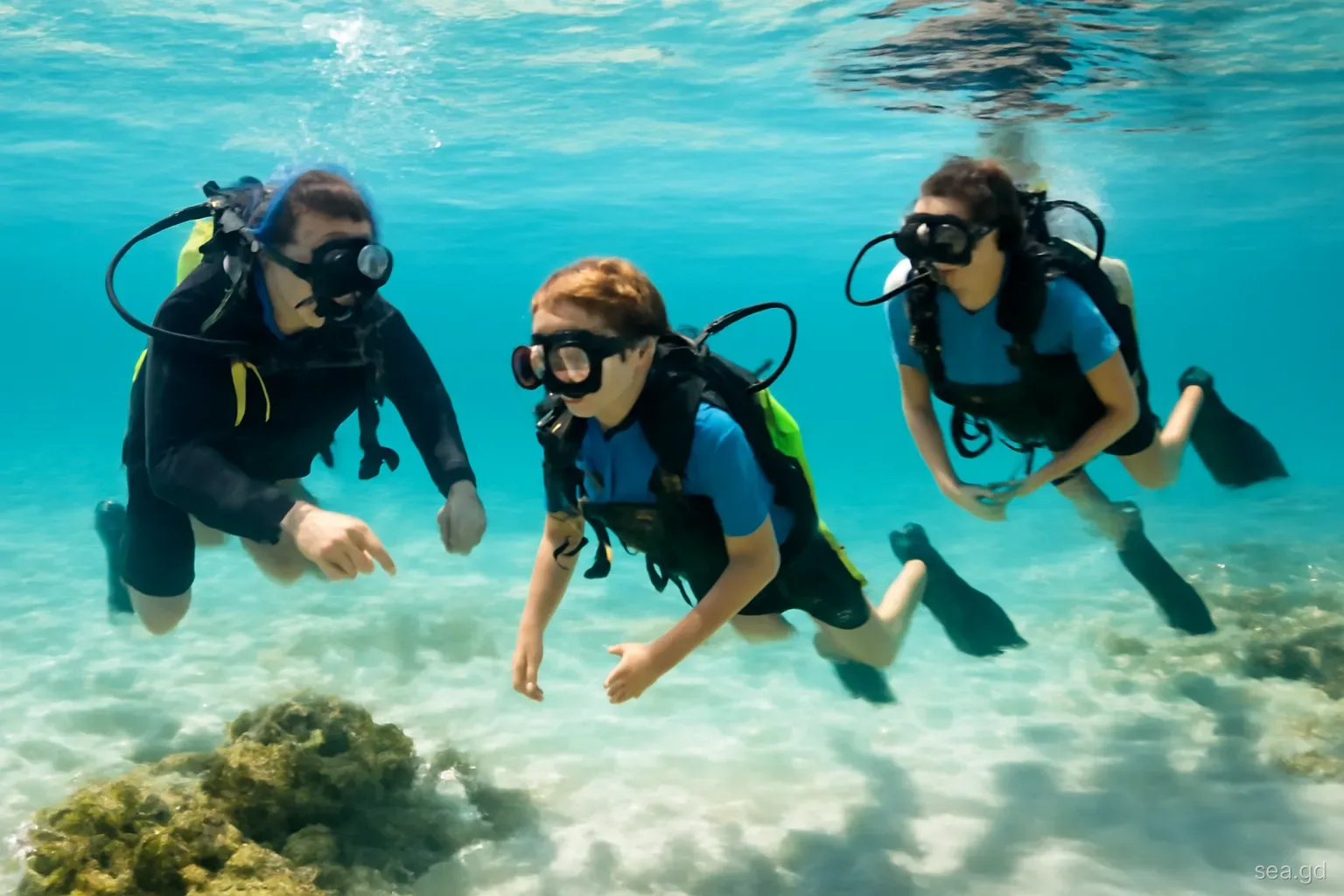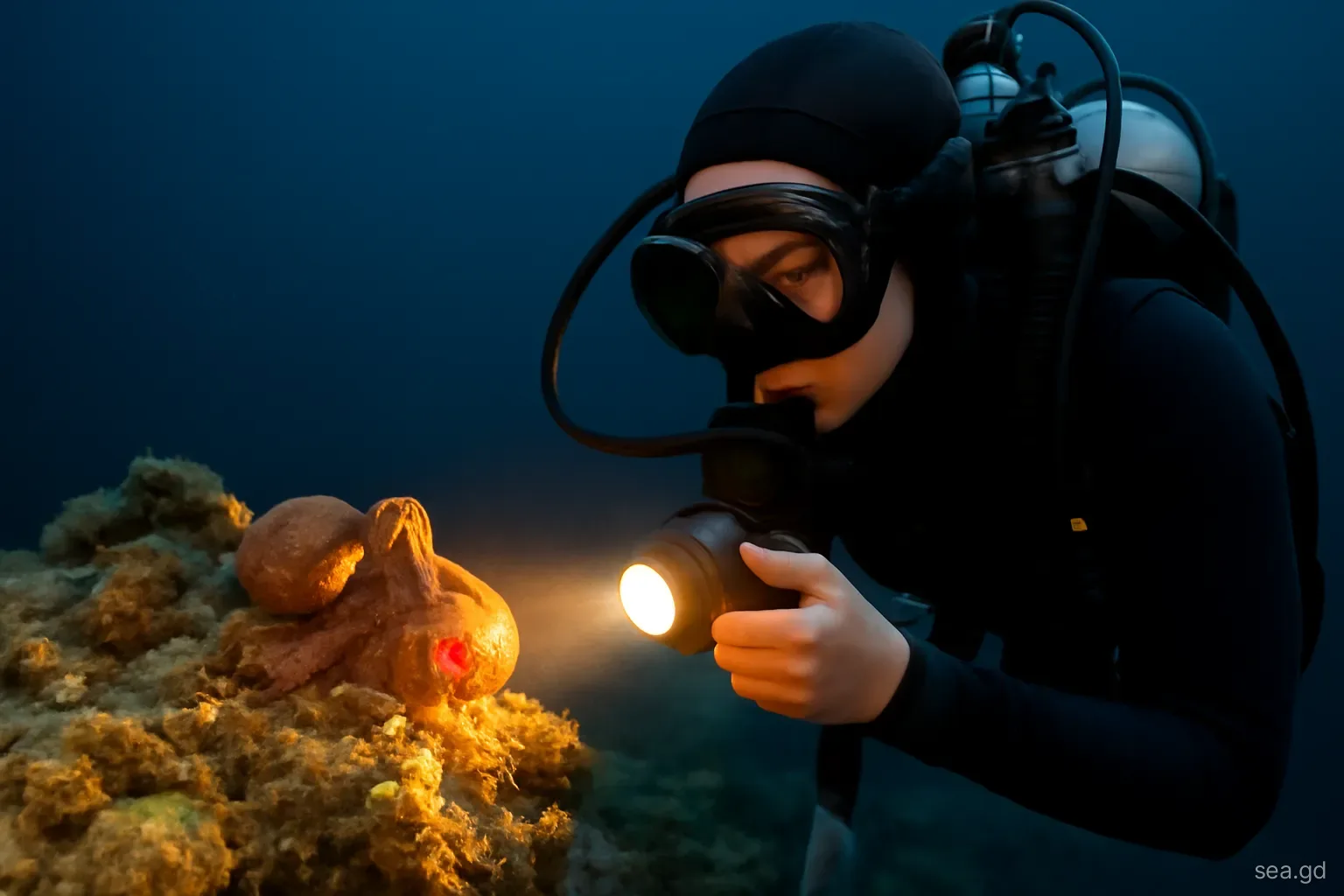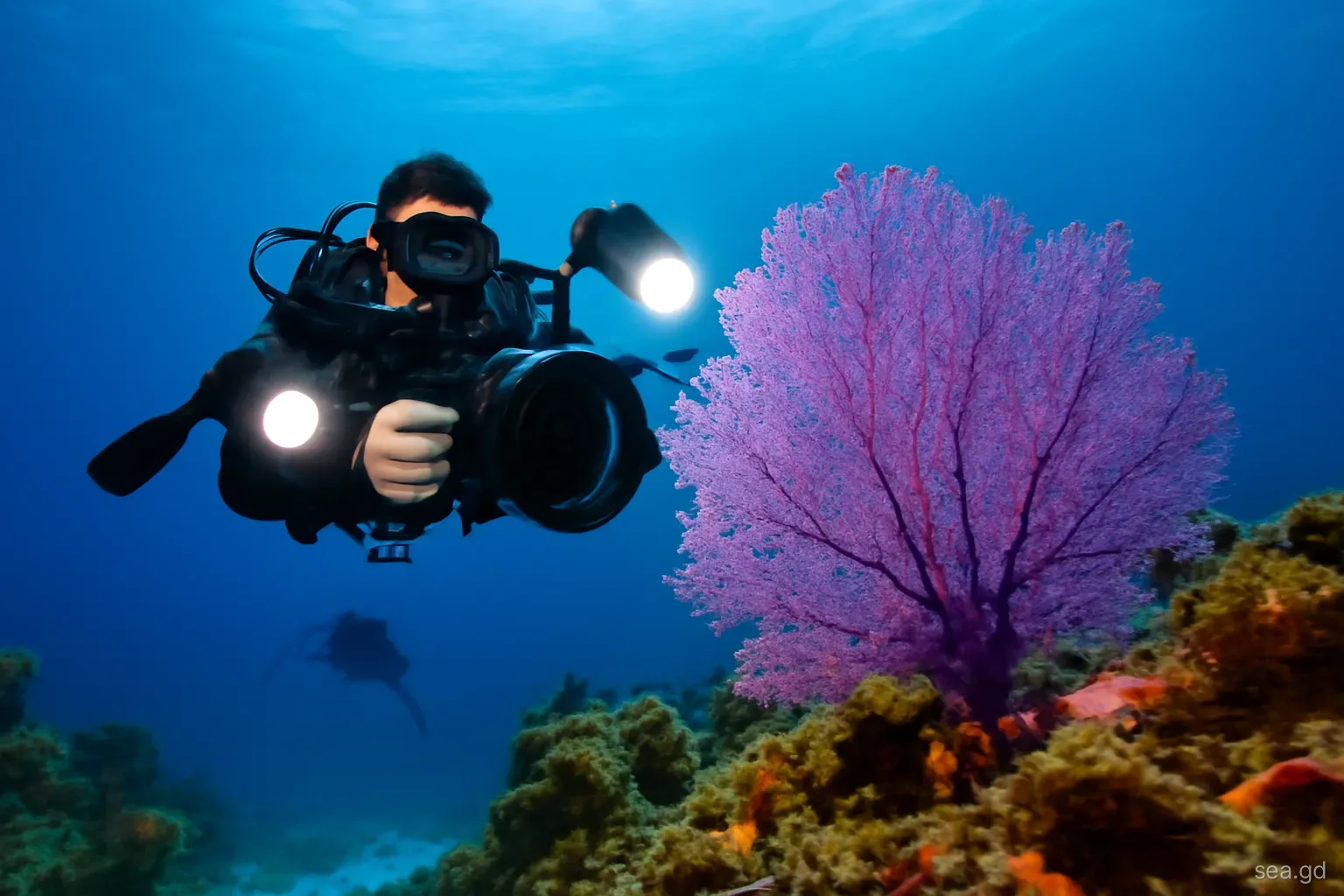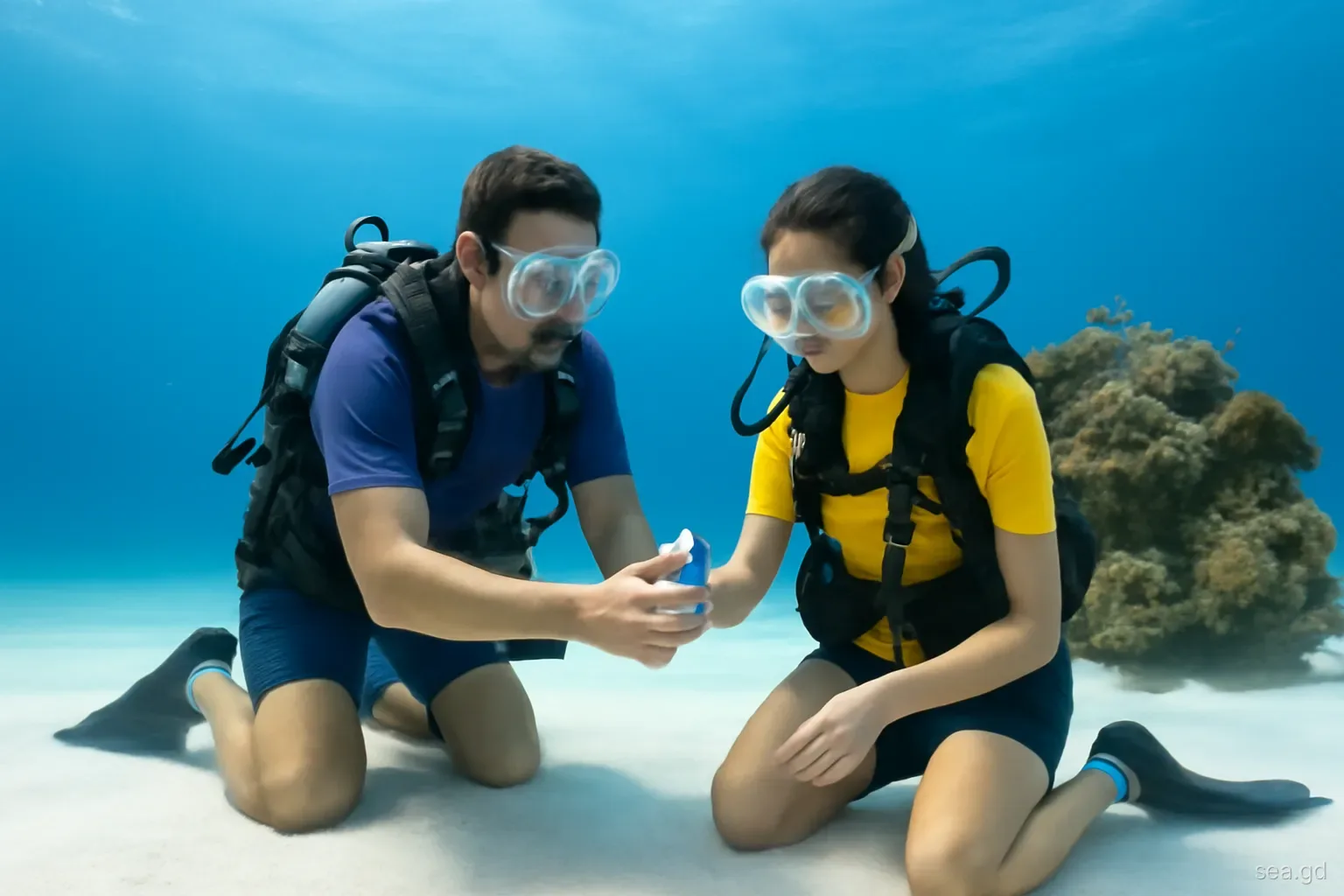
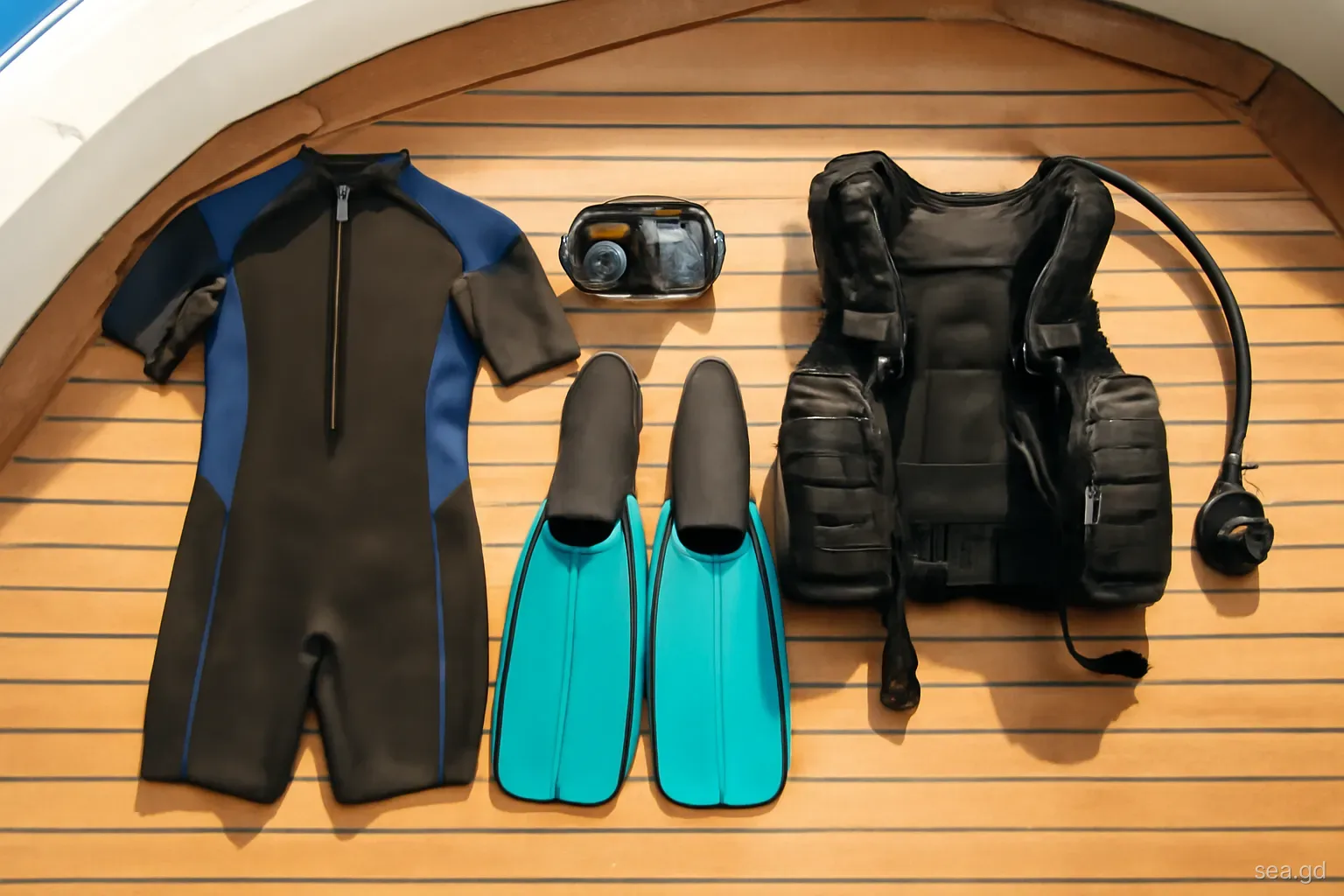
Divers heading to Grenada face the same question as on any dive trip: carry your own equipment or rely on rental. The island's warm water simplifies some decisions, since heavy wetsuits and dry suits are unnecessary, but boat diving, currents and the deeper wrecks make other choices more important. A mask that leaks or a computer you have never used can spoil a dive that cost time and money to reach.
This page goes item by item through what to bring and what to rent, with notes on Grenadian conditions: water temperature, typical tanks and valves, weighting with aluminium cylinders, and packing so that equipment arrives intact.
Water temperature and exposure protection
Sea temperatures around Grenada are warm all year, generally in the mid to high twenties Celsius, slightly cooler in the early months of the year and warmest in late summer and autumn. Even so, multiple dives a day, deeper dives and long safety stops make many divers feel cool by the end of a week.
A 3 mm full-length wetsuit is the most common choice, giving warmth and protection from stings and scrapes. Some divers are comfortable in a shortie or a 1 to 2 mm suit, especially in the warmest months; others who feel the cold choose 5 mm for deep wreck dives. A rash guard or thin hooded vest adds warmth with little bulk.
Divers who chill easily should remember that body heat loss builds through the week rather than on one dive, and that feeling cold increases gas consumption and fatigue. If you are shivering at the safety stop, a thicker suit or hood is worth the extra luggage.
Full-length suits also protect against stinging hydroids, fire coral and jellyfish, and against sunburn on boat rides. Rental wetsuits are widely available, but fit varies; divers who are particularly tall, short or broad may prefer to bring their own.
What to bring yourself
Mask. The single most important personal item. A mask that fits your face and does not leak or fog is worth packing every time. Bring a spare strap.
Dive computer. Using your own computer means you know its displays, alarms and settings, and your dive history stays in one place. On deep dives such as the Bianca C, understanding your computer is part of the safety plan. Some operators rent computers, but it is better to arrive with one you know.
Fins and boots. Open-heel fins with boots suit boat diving and rocky shore entries. Personal fins that fit avoid cramps and blisters, and boots protect your feet on boat decks and ladders.
Surface marker buoy and signalling devices. A delayed surface marker buoy, reel or spool and audible signal are recommended for drift dives. Some operators supply them, but bringing your own ensures you know how to deploy them.
Personal items. Mask defog, prescription lenses if needed, reef-safe sunscreen, seasickness remedies you know work for you and ear drops if you are prone to ear infections.
What is usually fine to rent
Most dive centres in Grenada rent buoyancy compensators, regulators, wetsuits, weights and tanks, and some rent computers and torches. Rental equipment quality varies between operators; ask about service intervals and inspect equipment before the first dive.
Regulators and buoyancy compensators are the main items divers debate. Bringing your own means familiarity and confidence in maintenance, but they are heavy and bulky. Renting saves luggage weight. A good compromise for many is to bring a regulator, which is compact and personal, and rent the buoyancy compensator.
Tanks and weights are always provided. If you plan to use nitrox, check that the operator offers it and whether there is an extra charge.
Rental is often charged per item per day or as a package for the whole kit, and some dive packages include equipment. Prices change and vary between centres, so ask for a written breakdown before booking, and check whether a deposit is required for computers or torches.
Tanks, valves and weighting
A few technical details catch out visiting divers, especially those used to steel cylinders or different valve types:
- Aluminium cylinders, commonly the 80 cubic foot size, are standard in much of the Caribbean. They become more buoyant as they empty, so you may need an extra kilogram or two compared with steel tanks to hold a safety stop at the end of a dive.
- Many tank valves in the region are compatible with yoke (international) regulator fittings, sometimes with removable DIN inserts. If your regulator is DIN, bring an adaptor or confirm the operator can supply DIN-compatible valves.
- Weights are usually provided as hard lead blocks or soft pouches. If you use an integrated weight system, check whether the operator's weights fit your pockets.
- Do a weight check on the first dive, ideally in shallow water. Over-weighting increases gas use and makes buoyancy harder; under-weighting makes safety stops difficult.
- Saltwater is more buoyant than freshwater, so divers used to lakes or quarries need more weight in Grenada.
Packing and travelling with dive gear
A little planning protects your equipment and keeps luggage costs under control:
- Check airline baggage allowances before booking flights; some airlines offer sports equipment allowances, while others charge for extra weight.
- Pack regulators and computers in carry-on baggage if possible, because they are expensive, fragile and hard to replace on the island.
- Carry lithium batteries for torches and cameras in the cabin, following airline rules on capacity.
- Use a padded bag or wrap fragile items in your wetsuit for protection.
- Bring a save-a-dive kit with spare O-rings, a mask strap, fin straps, cable ties and a small multi-tool.
- After the last dive, rinse gear thoroughly in fresh water and let it dry completely before packing, to avoid mould and odour.
Boat diving, sun and the small extras
Almost all diving in Grenada is from boats, which shapes what is useful to carry. A small dry bag keeps a towel, sunglasses, sunscreen, water and seasickness tablets together and dry during the ride. A long-sleeved top or light jacket protects against sun and wind between dives, when wet skin cools quickly on a fast run back to the dock.
Sun protection matters more than many visitors expect. Boat decks reflect light, and surface intervals in full sun add up over a week. Reef-safe sunscreen, a hat and sunglasses with a retaining cord reduce the risk of sunburn and dehydration, both of which can affect how you feel on later dives.
Mark your equipment with your name or a coloured tag. On a busy boat with several divers using similar black fins and masks, mix-ups are common. A mesh bag for your personal items keeps them together and lets them drain and dry between dives.
Mistakes divers make with gear
The most common gear mistake is bringing new, untested equipment on a dive trip. A new computer or buoyancy compensator used for the first time on a deep wreck dive is a recipe for confusion. Test new gear at home or in a pool before travelling.
Another mistake is neglecting servicing. Regulators and computers have service intervals; one that has sat in a cupboard for two years may free-flow or fail at an inconvenient moment. Service equipment before the trip, not after it fails.
A third mistake is packing too little spare capacity. A broken fin strap or mask strap is a small problem with a spare and a lost dive without one, and some specialised parts can take days to obtain on the island.
Finally, many divers forget that sun and salt are hard on equipment. Leaving gear in direct tropical sun degrades rubber, silicone and neoprene. Rinse after every dive, dry in the shade and store properly. Small habits extend the life of expensive gear and prevent failures on later dives.
Frequently asked questions
What wetsuit thickness do you need in Grenada?
A 3 mm full-length wetsuit suits most divers year-round, with water generally in the mid to high twenties Celsius. Some prefer a shortie or thinner suit in the warmest months, while those who feel the cold may choose 5 mm for deep wreck dives or multiple dives a day.
Can you rent dive equipment in Grenada?
Yes, most dive centres rent buoyancy compensators, regulators, wetsuits, weights and tanks, and many rent computers. Quality varies between operators, so inspect equipment before diving. Many divers bring their own mask, computer and fins for comfort and familiarity.
Do Grenada dive shops use DIN or yoke valves?
Many tanks in the region are compatible with yoke regulators, sometimes with removable DIN inserts. If your regulator uses a DIN fitting, bring an adaptor or confirm in advance that your operator can supply suitable valves.
Should you bring your own dive computer to Grenada?
It is strongly recommended. Using your own computer means you know its displays and settings, especially important on deep dives such as the Bianca C. Some operators rent computers, but learning a new one during a trip adds unnecessary risk.
Do you need more weight with aluminium tanks?
Often yes. Aluminium tanks become positively buoyant as they empty, so divers used to steel tanks may need an extra kilogram or two. Do a weight check on the first dive to find the right amount.