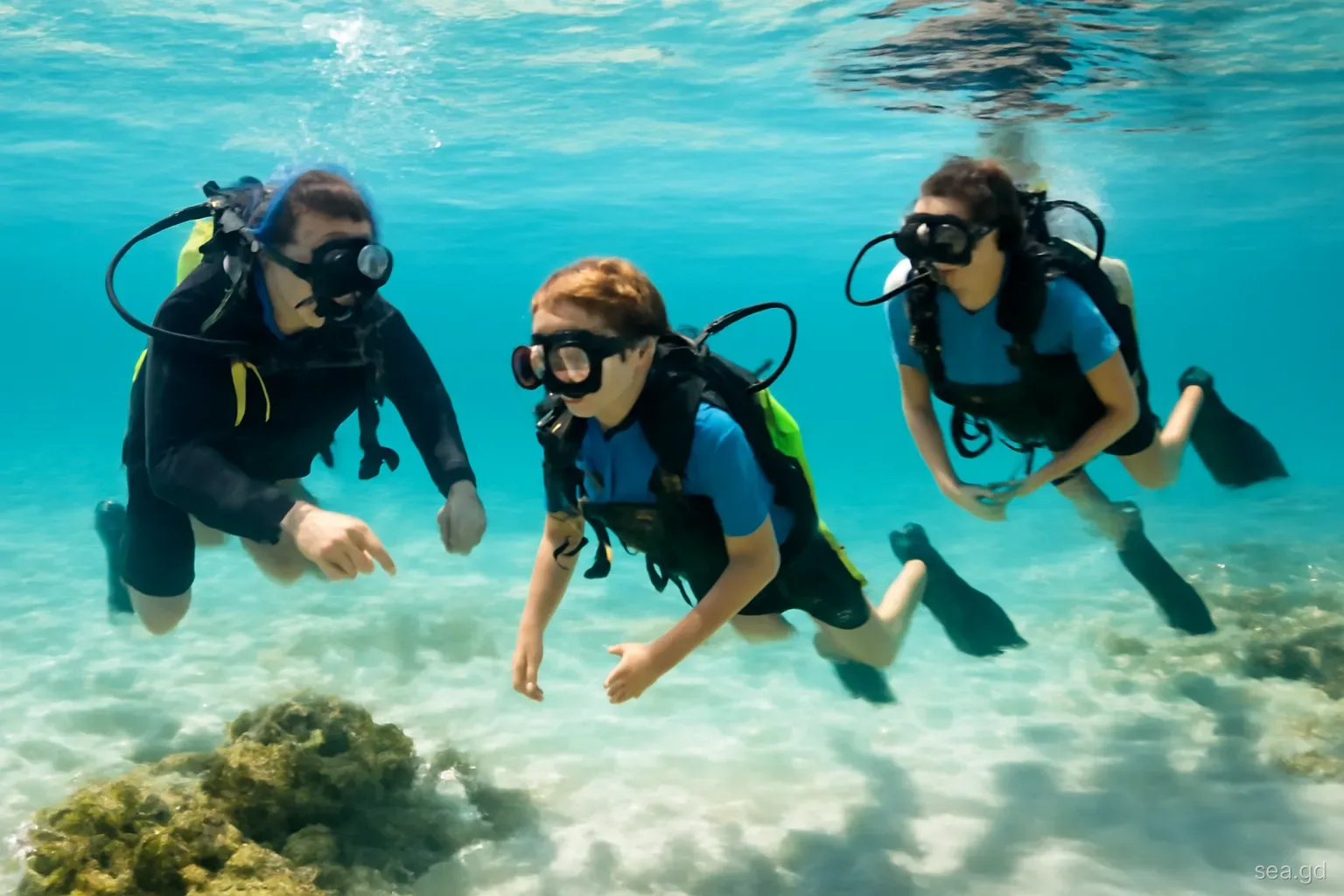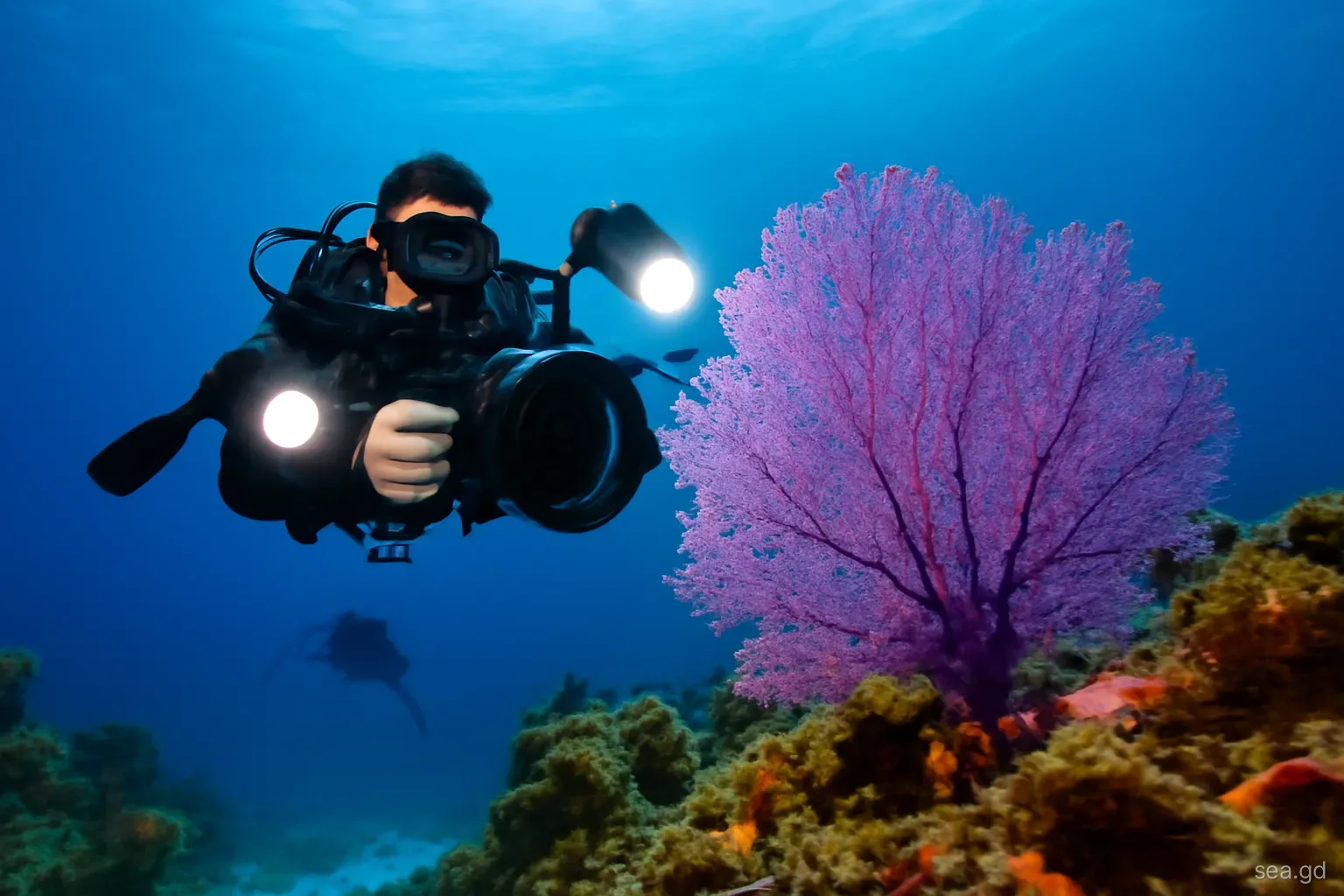
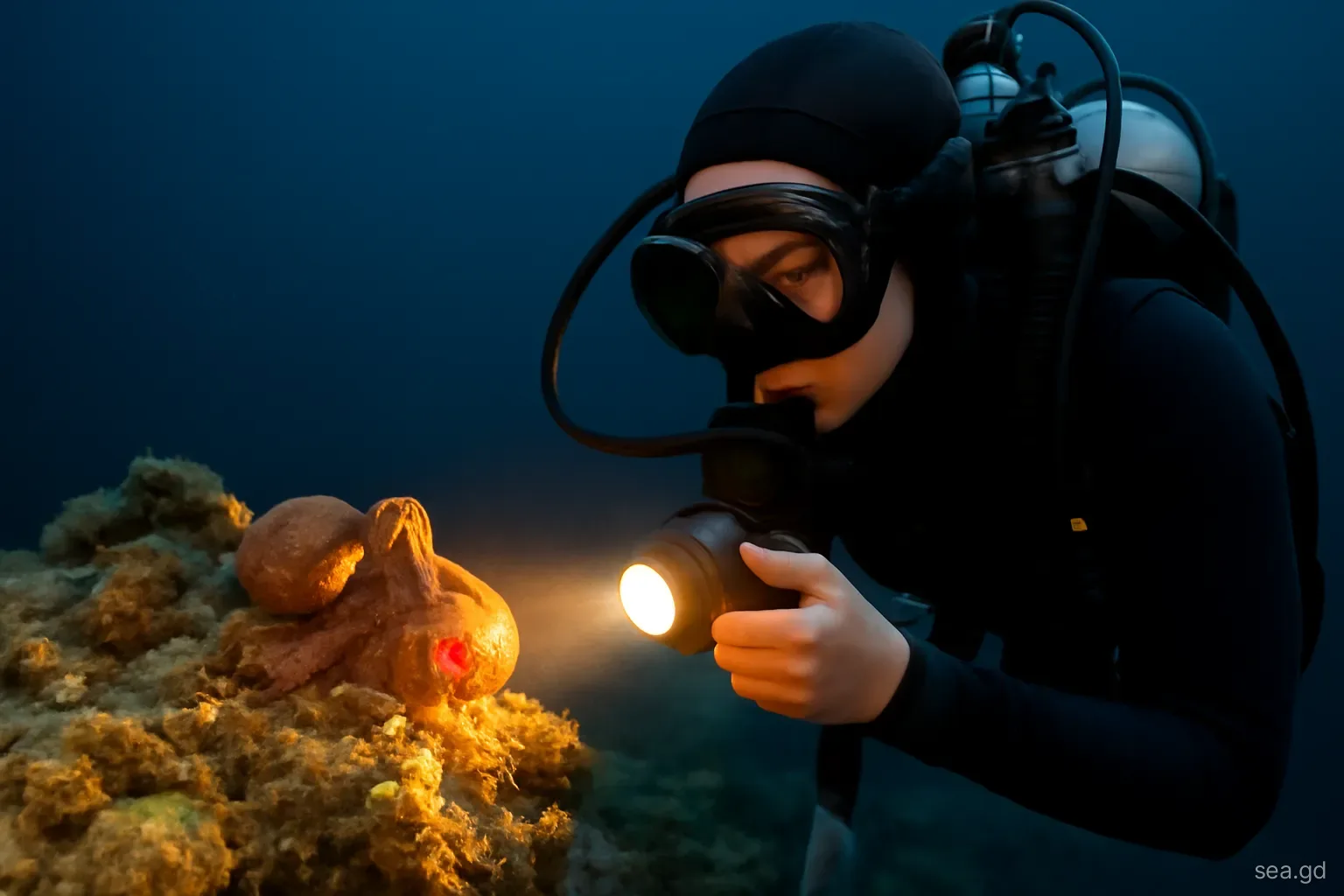
Daylight dives in Grenada are about wrecks, sea fans and schooling fish. Night dives and slow macro dives show a different reef: octopus hunting in the open, spiny lobsters walking across the sand, parrotfish asleep in their mucus cocoons, and small creatures such as shrimps, crabs and gobies that most divers swim past without seeing. Grenada's sheltered south-west reefs, with relatively calm water and short boat rides, are well suited to this kind of diving. Some of the same reefs that are dived as gentle drifts by day become slow, close-focus dives at night, when the guide stays put and lets the reef come to life around the group.
This page explains what to look for, how night dives are usually organised, what equipment you need, the etiquette of using torches and handling encounters, and the mistakes that make night dives stressful rather than rewarding.
Small subjects worth looking for
Frogfish. Masters of camouflage, frogfish sit motionless on sponges or rocks, often looking like part of the reef. They are found on Grenada's reefs and wrecks, and guides sometimes know where individuals have been living. They can stay in one place for some time, but not forever.
Seahorses. Seahorses cling to seagrass, soft corals or sponges with their tails, usually in shallower water. They are delicate, easily stressed and should be viewed from a respectful distance.
Shrimps and crabs. Cleaner shrimps in anemones, banded coral shrimps in crevices and arrow crabs with long spidery legs are all common on Caribbean reefs. Look closely at anemones and sponges.
Nudibranchs and sea slugs. Colourful sea slugs, including the frilly lettuce sea slug, are found on reefs and rubble. They are slow, which makes them ideal for macro photography.
Flamingo tongues and other molluscs. These small snails with patterned mantles graze on sea fans. Admire them where they are; their numbers suffer when people take them.
What changes on the reef at night
As light fades, the reef changes shift. Many daytime fish, including parrotfish, find shelter; some parrotfish secrete a mucus cocoon around themselves before sleeping. Damselfish and wrasse disappear into crevices. In their place, nocturnal hunters come out: moray eels leave their holes to hunt, octopuses move across the reef changing colour and texture, and squid hover in the beam of a torch.
Crustaceans become much more visible. Spiny lobsters, which hide under ledges during the day, walk openly across the reef and sand. Crabs of many kinds emerge to feed. Basket stars, which spend the day curled up, unfurl their branching arms to catch plankton. Corals extend their polyps to feed, giving the reef a soft, fuzzy appearance.
On some nights, turning off torches briefly in a safe spot reveals bioluminescence: tiny flashes of light from plankton when you move your hands. It is one of the most memorable parts of night diving, though it varies from night to night.
How a night dive is usually run
Operators differ, but most night dives in Grenada follow a pattern designed to keep divers together and visible:
- The dive is planned on a site the guide knows well, usually a shallow, sheltered reef or easy wreck with little current.
- The briefing covers torch signals, such as circling a light to mean OK or moving it rapidly to attract attention, how to stay with your buddy and what to do if separated.
- Many operators like divers to do the same site in daylight first, so the layout is familiar.
- Each diver carries a primary torch and a backup; the boat and often each diver display a marker light so they can be located.
- Entry is usually at or shortly after dusk. The group descends together, moves slowly along the reef and keeps depth modest.
- At the end, the group ascends together, makes a safety stop, and returns to the boat or shore, guided by the boat's lights.
Equipment for night and macro dives
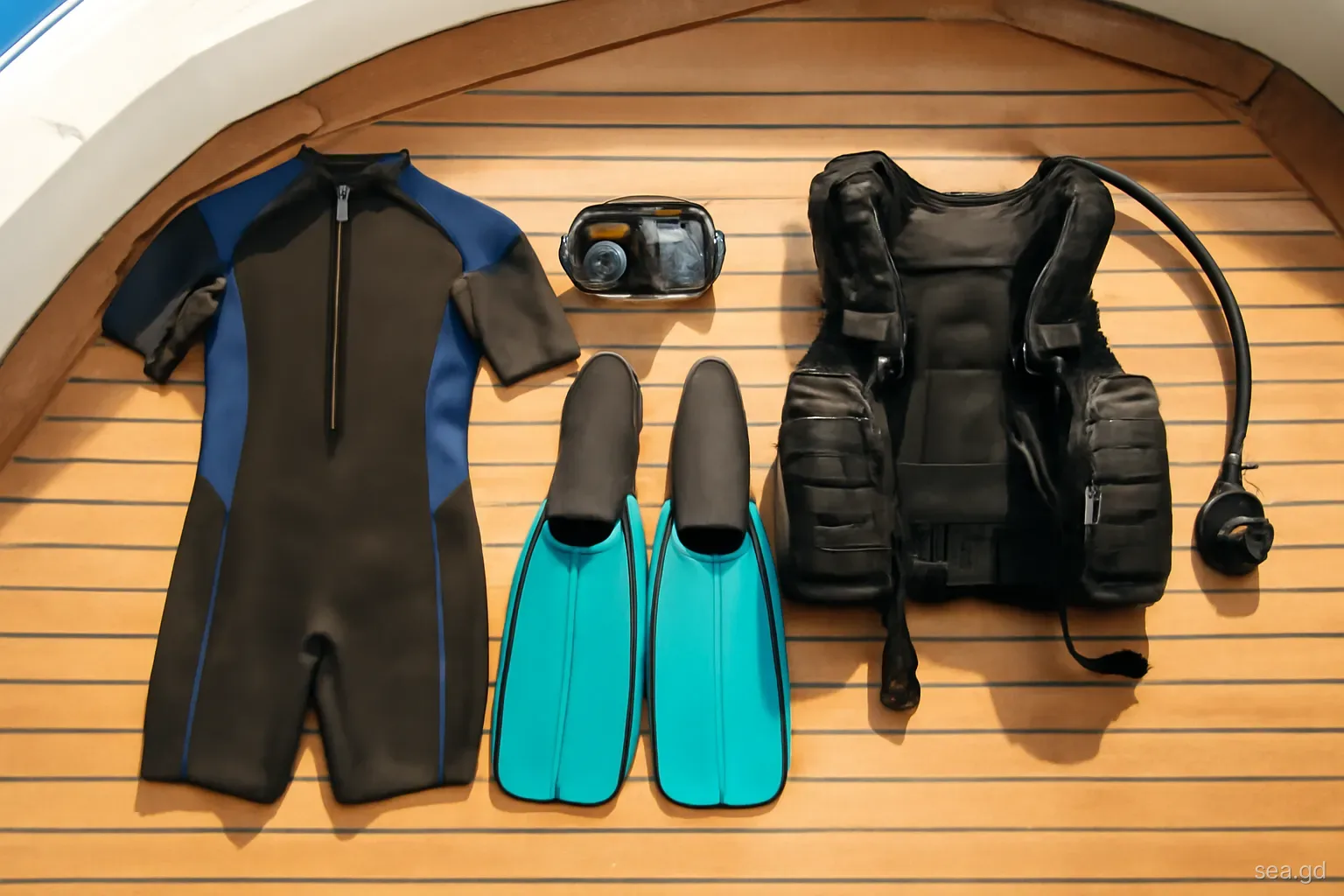
Most of your regular equipment works, but a few additions make a big difference:
- A reliable primary torch with a beam suited to the dive, neither so narrow that it lights only a dot nor so wide that it dazzles other divers.
- A smaller backup torch, carried in a pocket or clipped to the BCD, in case the primary fails.
- A marker light or small strobe on your tank or BCD so your buddy and the boat can see you.
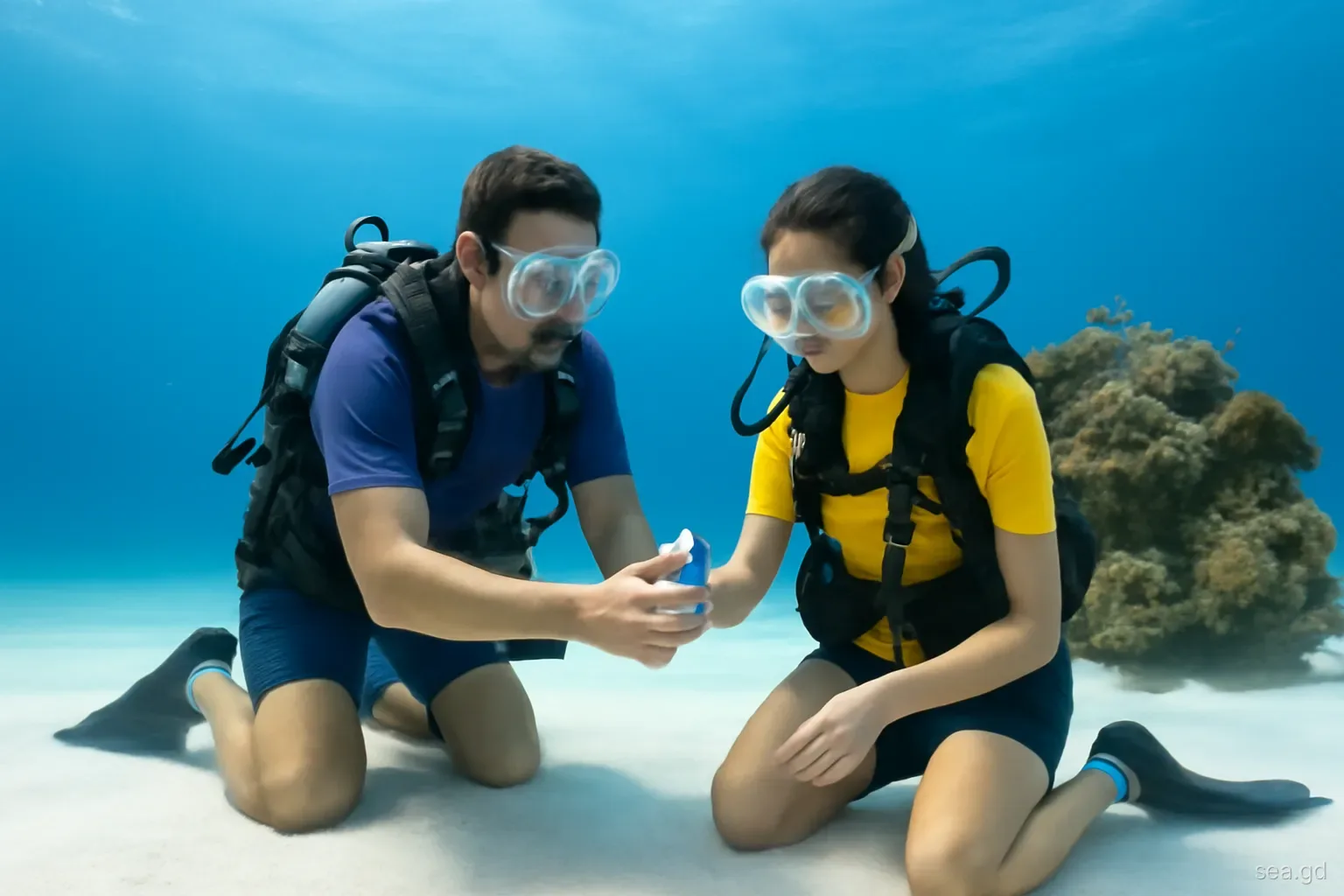
- A magnifying glass or close-focus mask lens if your eyesight makes small subjects hard to see.
- A pointer stick only if used to steady yourself on bare sand or rock, never to touch animals.
- Fully charged batteries and spares, checked before the dive, since a torch that fades midway ends the dive.
Torch etiquette and handling encounters
Torches affect wildlife. Shining a bright beam directly at a fish or octopus for long periods disturbs it and can leave it vulnerable to predators. Light the edge of a subject rather than its eyes, keep observation brief and move on. Some divers use red or dimmer light settings for close observation, which disturbs many animals less.
Turtles encountered at night may be resting on the reef. Do not wake or crowd them, and never block their way to the surface. Sleeping parrotfish should not be disturbed in their cocoons.
Be careful where you put your hands and knees. At night it is harder to see sea urchins, fire coral and scorpionfish, and invasive lionfish, with their venomous spines, are active hunters at dusk. Keep good buoyancy, and if you need to steady yourself, choose bare sand or dead rock.
Lionfish deserve a specific word. Their spines can deliver a very painful sting, and at night they may hover in the torch beam or follow divers to hunt fish lit by the light. Keep your hands clear and do not try to spear or handle them unless you are trained and the operator runs a culling programme.
Fitting night and macro dives into a trip
Night dives are usually scheduled on demand, often on specific evenings when enough divers sign up, so mention your interest when you book or on your first day. A dusk dive, starting while there is still some light, is a gentle introduction: you descend in daylight, watch the reef change and finish in darkness.
Macro dives work best with a guide who knows the reef well and is willing to go slowly. Some operators can arrange a small group or private guide for photographers or naturalists, usually at extra cost. Shallow, sheltered sites mean long no-stop times, so a single macro dive can last well over an hour if air allows.
Plan night dives with your flight in mind. A night dive counts towards your nitrogen loading like any other, so a night dive on the evening before departure may conflict with the recommended interval before flying. Mid-trip evenings are better, and a rest day afterwards suits most divers.
Common mistakes on night dives
Losing a buddy is the most common problem. In darkness, divers separate more easily, and a diver who stops to look at something can find the group has moved on. Agree beforehand to stay side by side, check on each other often and use torch signals.
Waving a torch in another diver's face is a close second. Point your beam at the reef, not at people, and signal by moving your light on the sand or reef in front of them.
Some divers dive at night only on the last day of a trip, tired from earlier dives. Night dives are easier after rest and after doing the same site in daylight. Start with a short, shallow dive, and plan longer or deeper night dives only when comfortable.
Finally, many divers underestimate how much they need to slow down. Night and macro diving reward stillness: the slower you go, the more you see, and the less you disturb.
Frequently asked questions
Can you do night dives in Grenada?
Yes, many dive centres offer night dives, usually on shallow, sheltered reefs or easy wrecks along the south-west coast. Schedules depend on demand and conditions, so ask early in your trip. Some operators prefer divers to dive the site in daylight first.
Do you need special certification for night diving?
Basic certification usually allows guided night dives within your depth limit. A night-diver specialty course, or a night dive as part of advanced training, teaches torch handling, navigation and communication. Some operators may ask about your experience before taking you at night.
Where can you see frogfish and seahorses in Grenada?
They are found on reefs and some wrecks around the south-west coast, often in specific spots known to local guides. Sightings depend on where individuals are living at the time. Tell your guide you are interested, and keep a respectful distance when you find them.
Is night diving in Grenada safe?
Night diving with a reputable operator on a familiar, sheltered site is generally safe for certified divers. Risks include buddy separation, disorientation and contact with venomous creatures. Good torches, clear signals, staying close to your buddy and keeping depth modest reduce those risks.
What is the best time for macro diving in Grenada?
Macro diving can be done at any time of day on calm reefs. Dawn and dusk often bring more activity, while night dives reveal nocturnal creatures. Slow, shallow dives with a knowledgeable guide on sheltered sites produce the best results.