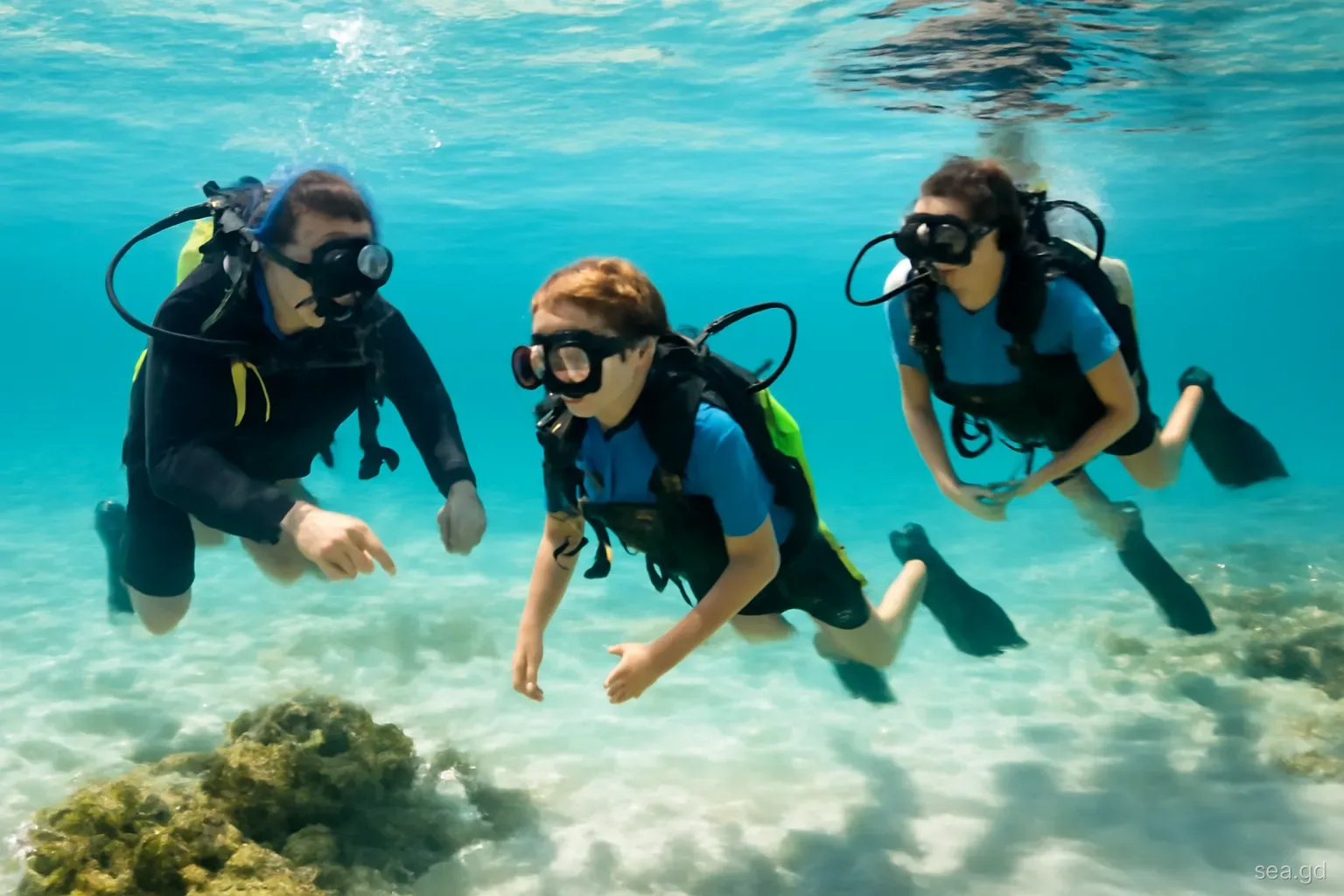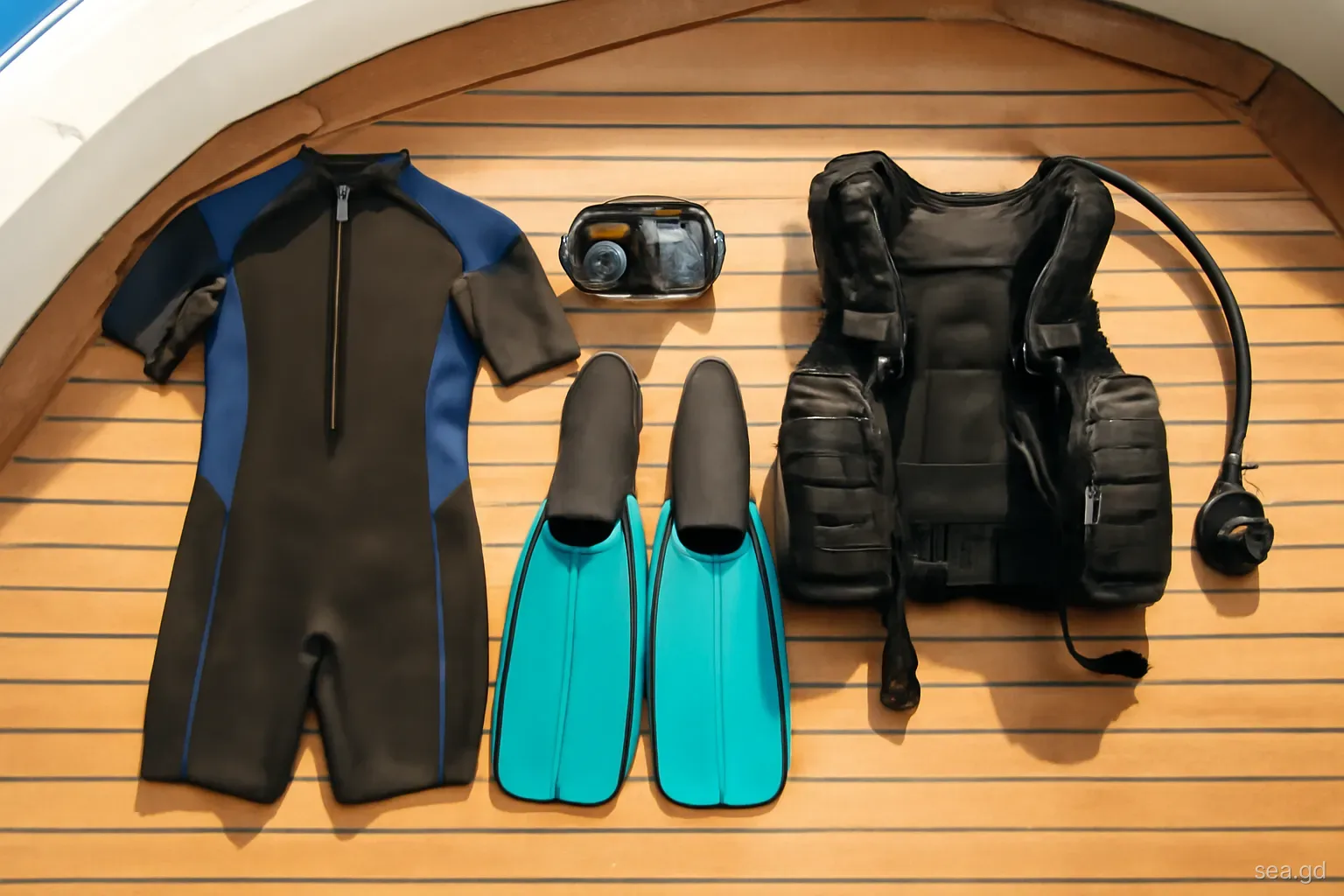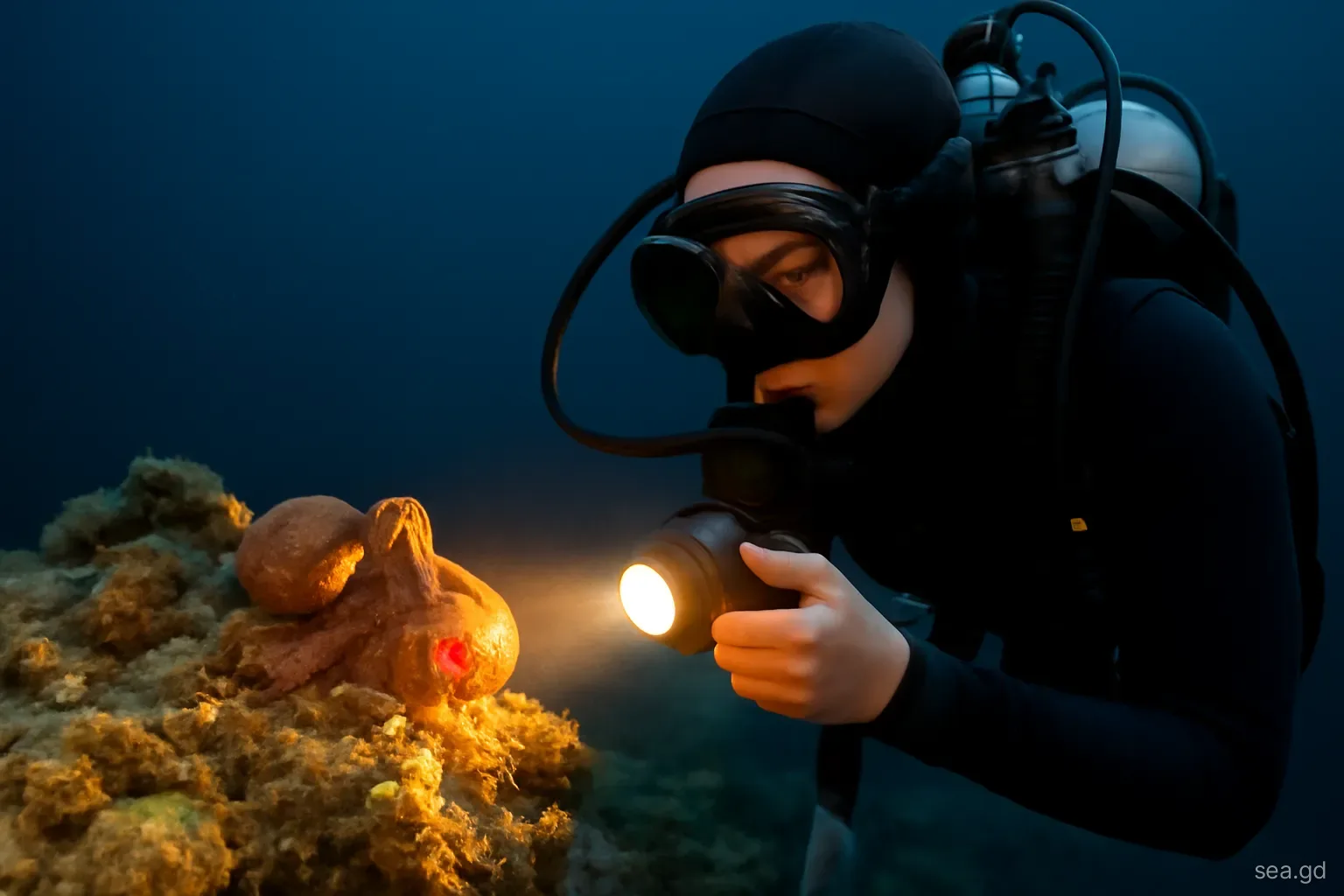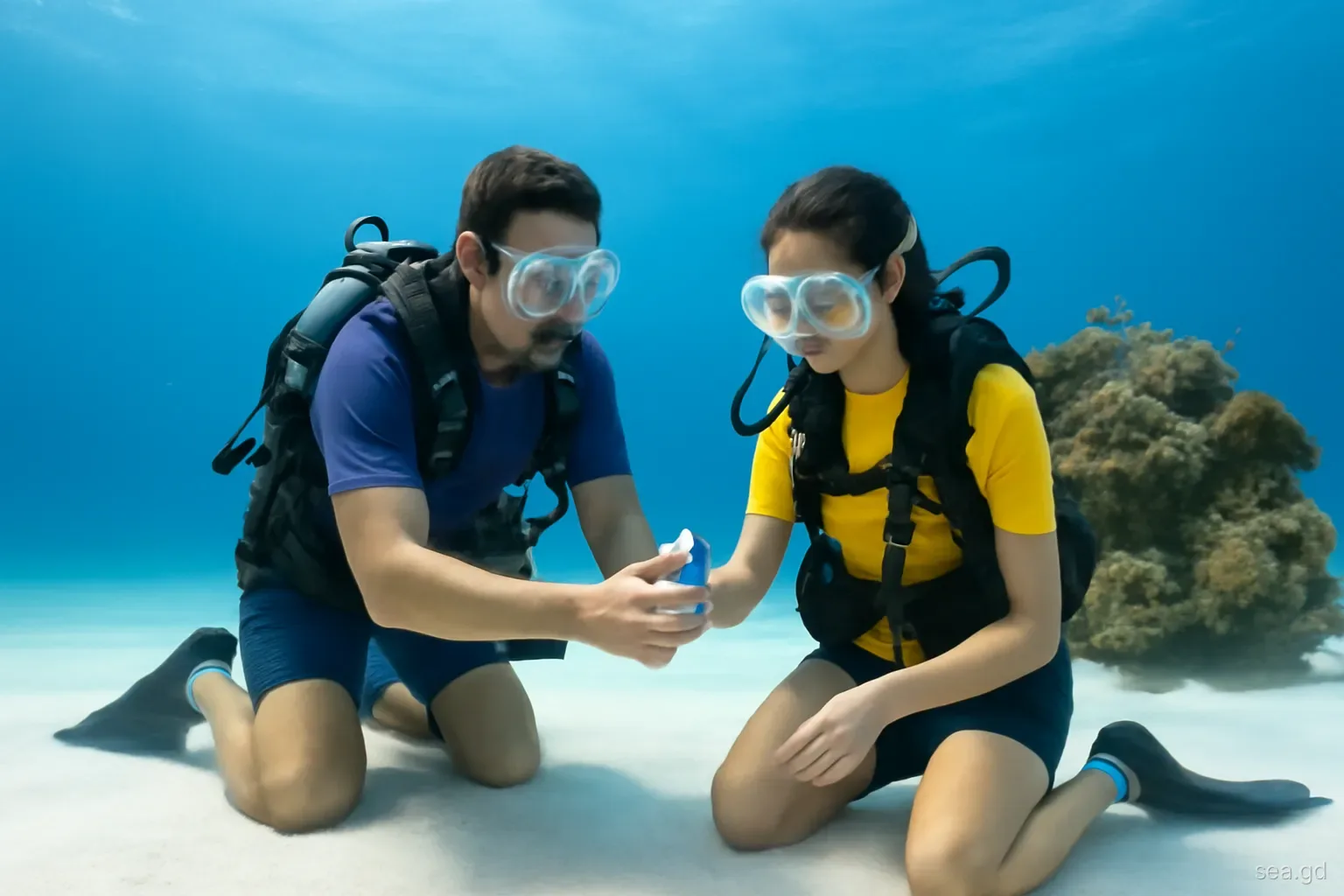
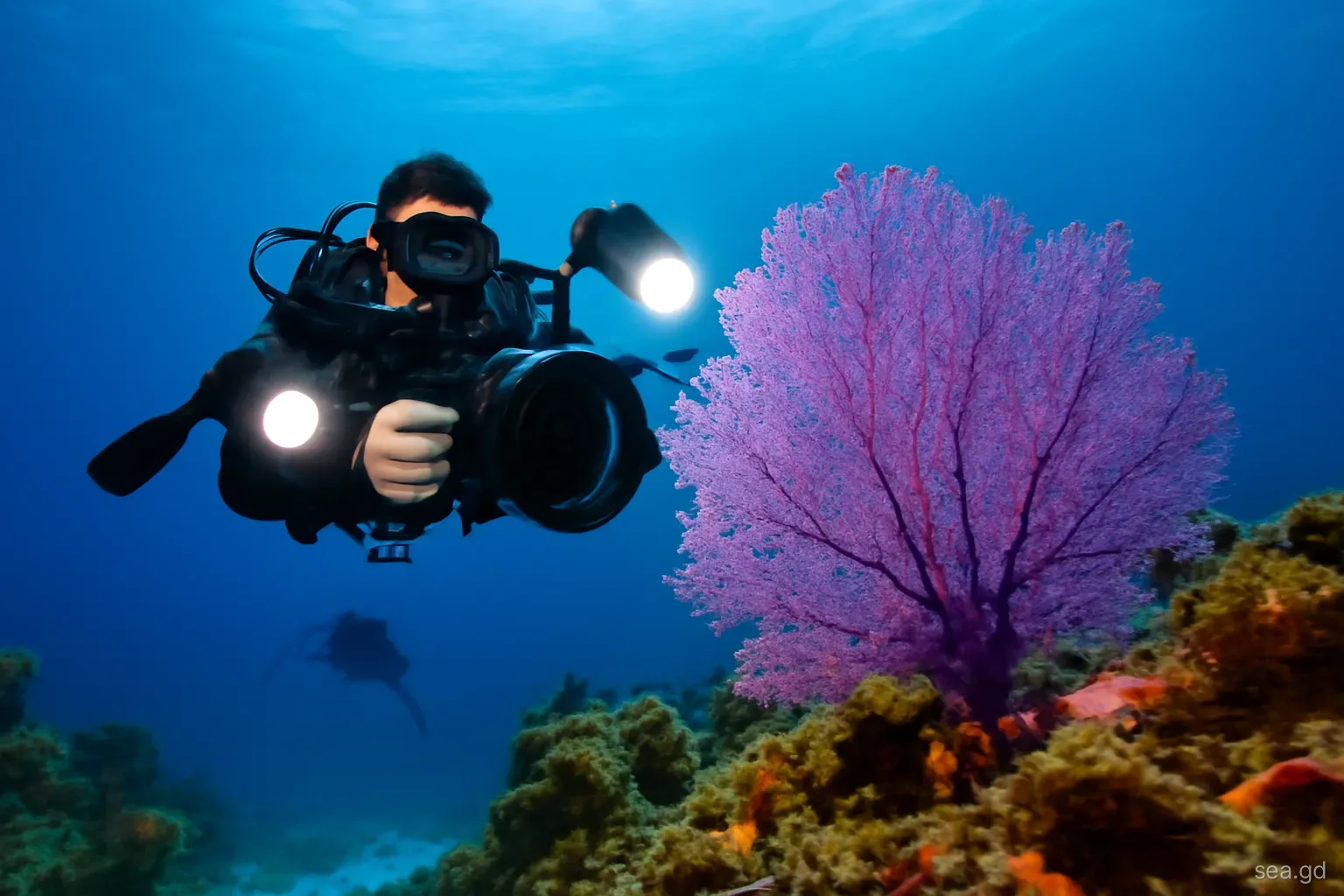
Grenada gives underwater photographers two very different subjects within a short boat ride. Its wrecks, from the shallow Veronica L to the vast Bianca C, call for wide-angle lenses, good light and careful composition in blue water. Its reefs, especially along the south-west coast, are full of small subjects such as shrimps, gobies, seahorses and frogfish that reward patient macro work. Add currents, variable visibility and boats that do not wait, and the island tests both technique and judgement.
This page covers how to choose between wide-angle and macro on a given dive, how depth and water quality affect your images, what to change for drift dives and boat diving, and how to protect both your camera and the reef.
Wide-angle or macro: decide before you descend
Most camera systems commit you to one style per dive. A wide-angle lens or wet lens suits wrecks, large sea fans, sponges, turtles, rays and divers in the frame. A macro lens suits small reef animals and close details. Trying to do both on one dive usually produces mediocre results in each.
In Grenada, wrecks are natural wide-angle dives. The Veronica L, at around 15 metres, offers relatively easy light and time; deeper wrecks such as the Shakem and the Bianca C limit bottom time and demand efficient shooting. Reef drifts in the Moliniere-Beausejour area and along the south-west coast can go either way, but macro is challenging on a fast drift because subjects pass by before you can settle.
Talk to the guide during the briefing. If they know where a seahorse or frogfish has been living on a calm reef, that is a macro dive. If the dive is a drift along a slope with sea fans and the chance of a turtle, choose wide-angle.
How depth and water change your pictures
Colour disappears with depth. Water absorbs red light quickly, then orange and yellow. By around 10 metres, reds look dull and brownish without artificial light, and deeper still the scene turns blue-green. Strobes or video lights restore colour, but only over a short distance.
Distance matters more than depth. Light is absorbed horizontally as well as vertically. A subject a metre away lit by a strobe can be vivid at 30 metres; one three metres away will look flat even in shallow water. Get close, then closer.
Visibility varies. On clear days, especially in the dry season, visibility can be excellent. After heavy rain, runoff from rivers and gullies reduces clarity close to shore, and in some years plumes of greener water from the South American mainland reach the region. Expect variation and plan to work closer when the water is less clear.
Backscatter is the enemy. Particles in the water lit by a strobe appear as white specks. Position strobes out to the sides and slightly behind the lens so they light the subject without lighting the water between it and the camera.
Ambient light, white balance and the sun
For wide-angle scenes too large to light with strobes, such as the outline of a wreck, use ambient light. Shooting with the sun behind you lights the subject; shooting up towards the surface creates silhouettes and sunbursts. Midday gives the strongest light at depth, while early morning and late afternoon produce softer, more angled light that can be beautiful in shallow water.
Custom white balance, set against a white slate or sand at the shooting depth, can restore some natural colour in shallow water without strobes, though it works less well below about 10 to 15 metres. Shooting in raw format, if your camera supports it, gives more room to correct colour later.
On wrecks, a diver placed in the frame gives scale and draws the eye. Agree with your buddy before the dive where they will position themselves and what signals you will use, so you are not chasing them around the structure with limited bottom time.
Shooting on drift and boat dives
Much of Grenada's diving involves current and boat entries, which change how you handle a camera. Adjust your habits accordingly:
- Ask the crew to hand your camera to you after you enter the water, rather than jumping with it, and hand it up before climbing the ladder.
- Use a lanyard or clip so the camera cannot drift away if you need both hands, but avoid long loops that can snag on wreckage.
- On drift dives, shoot what comes past rather than trying to hold position against the current. Swimming back up-current for a second attempt wastes gas and separates you from the group.
- Stay with the guide. Photographers are the divers most often found at the back of the group or missing at the surface.
- Keep strobe arms folded during descents and ascents in current, to reduce drag and the risk of hitting the reef or other divers.
- Watch your computer. Concentrating on a subject makes it easy to drift deeper or exceed planned time, particularly on wrecks.
Ethics: no touching, no moving, no chasing
Good underwater photography begins with buoyancy. Lying on the reef, kneeling on coral or holding on to steady a shot damages living organisms that take years to grow. If you cannot hover still near a subject, choose a different subject or work from a sandy patch.
Never move animals for a better angle, prod them to change position or break off coral or sponge for a cleaner composition. Seahorses and frogfish are particularly vulnerable to stress; limit the number of strobe flashes on any one animal and give it space if it turns away. Turtles should not be chased, ridden or blocked from the surface when they need to breathe.
In marine protected areas, rules forbid touching and collecting, and rangers or operators may stop divers who break them. Beyond the rules, a reef full of photographers who touch it is a reef that will not be worth photographing in a decade.
A photo plan for a week of Grenada diving
A week gives enough dives to work through both styles without forcing either. Many photographers start with a shallow reef or the Veronica L to check buoyancy, strobe positions and housing seals with plenty of time and light. Problems found at 12 metres are easy to fix; problems found on the Bianca C cost a dive.
Mid-week, once your weighting and settings are settled, choose a deeper wreck for wide-angle, ideally on a calm, clear morning when the sun is high. Keep the camera settings simple for deep dives: a pre-set exposure for blue water and strobe power for close subjects, so that narcosis and short bottom time do not leave you fiddling with dials.
Use the calmer reef dives and any night dive for macro. Ask guides early in the week which subjects are around, and be prepared to spend a whole dive with one or two animals rather than chasing a list. Leave the final day free of diving before flying, which also gives time to rinse, dry and pack equipment properly.
Caring for equipment and common mistakes
Warm, salty water is hard on cameras. Rinse the housing in fresh water after every dive, operating each button and dial while submerged to clear salt. Leave it in the shade; a closed housing in direct tropical sun can overheat and fog internally. Open housings only in a cool, dry place, ideally indoors.
O-ring care is where floods begin. Inspect, clean and lightly lubricate seals according to the manufacturer's instructions every time the housing is opened, and check for hair, sand or lint before closing. Many photographers do a short test dunk or use a vacuum check system before each dive.
Travel planning matters too. Lithium batteries for cameras and lights are usually required to travel in cabin baggage, with limits on capacity; check your airline's rules before packing. Bring spare batteries, O-rings and a basic tool kit, because specialised parts may be hard to find on the island at short notice.
Frequently asked questions
Is Grenada good for underwater photography?
Yes. Grenada combines wrecks suited to wide-angle shooting, such as the Veronica L and the Bianca C, with reefs rich in macro subjects along the south-west coast. Conditions vary with current and visibility, so photographers benefit from planning each dive around the lens they bring.
Do you need strobes for underwater photos in Grenada?
Strobes or video lights are needed to restore colour below a few metres, especially for reef close-ups and wreck details. Ambient light works for silhouettes and large scenes. In shallow water, custom white balance can help without strobes, but it is less effective deeper.
What lens is best for diving the Bianca C?
A wide-angle lens is the natural choice because the wreck is huge and visibility in blue water often allows wide scenes. Bottom time is short at the depths involved, so plan your shots, keep settings simple and include a diver for scale.
Can you take photos on drift dives in Grenada?
Yes, but expect to shoot opportunistically as subjects pass. Holding position or swimming back against current is tiring and risks separation from the group. Many photographers prefer wide-angle on drifts and save macro for calmer reef sites.
How do you avoid backscatter in Grenada's water?
Get as close to the subject as possible, angle strobes outwards so they do not light the water directly in front of the lens, and avoid kicking up sand. After heavy rain, when visibility drops, work even closer and use less strobe power.