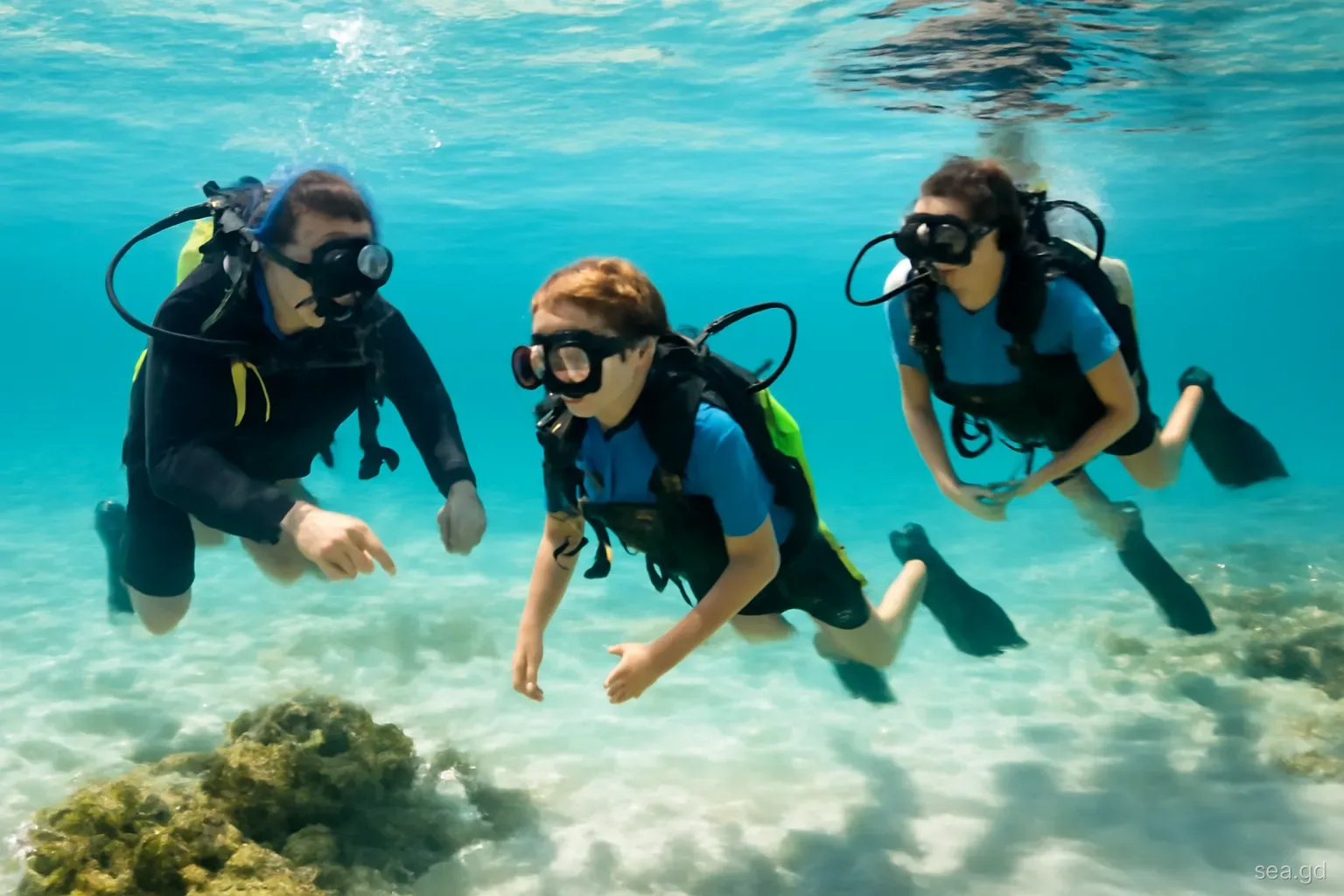
Grenada is a good place for children and teenagers to start diving. The water is warm, many reefs are shallow and sheltered, boat rides to the south-west sites are short, and dive centres are used to families. A child who has been snorkelling the reefs all week is often keen to go deeper, and the major training agencies offer programmes designed for younger divers.
Children are not small adults, however. Age limits, depth limits and supervision rules exist for good reasons, and readiness depends on maturity as much as age. This page explains the main programmes and their limits, which kinds of sites suit young divers in Grenada, and how parents can judge whether a child is ready.
Minimum ages and the main programmes
Age rules come from the training agencies, and dive centres follow the agency they teach for. With PADI, the largest agency, children can try scuba in a pool or very shallow confined water from age 8 through programmes such as Bubblemaker, which limit depth to about 2 metres. Other agencies have similar programmes with their own names.
From age 10, children can take part in a Discover Scuba-style experience in open water, and can begin a Junior Open Water course. Junior divers aged 10 and 11 are usually limited to about 12 metres and must dive with a parent, guardian or dive professional. From 12 to 14, junior divers can generally go to about 18 metres with a certified adult. At 15, a junior certificate typically converts to a standard adult certificate.
Advanced junior courses are available from around 12, with depth limits lower than for adults. Always confirm the exact rules with the dive centre, because agency standards can change and centres may set stricter policies.
Is your child ready? Signs to look for
Comfort in the water. A child who swims confidently, snorkels happily and is not anxious with water on the face is a much better candidate than one who is merely the right age.
Ability to follow instructions. Diving involves rules: equalise early, never hold your breath, stay with your buddy, watch your gauges. A child needs to understand and follow these without constant reminders.
Genuine interest. The best young divers are those who ask to dive, not those pushed by parents. A reluctant child is more likely to panic or suffer ear problems.
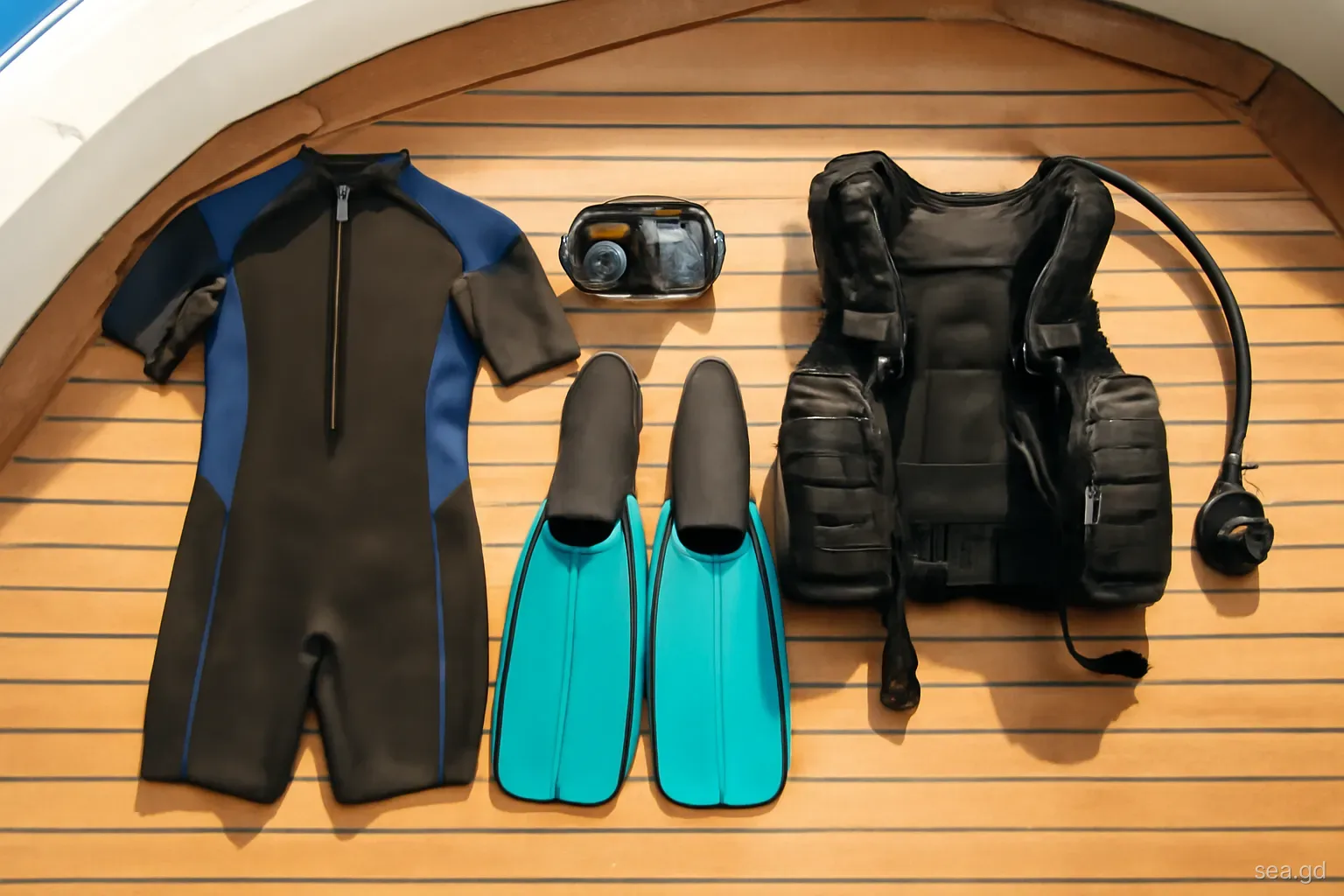
Physical size. Equipment must fit. Very small children can struggle with the weight of tanks and the fit of buoyancy compensators. Ask the centre whether they have suitable child-sized gear.
Ear equalisation. Some children find equalising difficult. If a child struggles with ear pain when swimming down a couple of metres, diving will be uncomfortable or impossible.
Medical considerations
Every diver, child or adult, completes a medical questionnaire before training. Certain conditions, such as asthma, epilepsy, diabetes, heart problems and some ear conditions, require a doctor's assessment, and some may rule diving out. Read the form before travelling and see your family doctor at home if anything on it applies; arranging a medical review on holiday can be difficult.
Children are more susceptible to cold than adults because of their smaller body size, so even in Grenada's warm water they may get chilly over repeated dives. A properly fitting wetsuit and shorter dives help.
Ear and sinus problems are common in children, especially after colds. A child with a blocked nose or recent ear infection should not dive. Swimmer's ear can also develop after repeated days in the water; ear drops recommended by a pharmacist or doctor can help, and rinsing ears with fresh water after swimming is a good habit.
Sites that suit young divers in Grenada
Dive centres choose training and junior sites for calm, shallow water and easy access. Typical features of good sites for young divers include:
- Sheltered bays on the south-west and west coasts, out of the main current, where the reef starts in a few metres of water.
- Sandy areas next to reef, where children can practise skills on the bottom without touching coral.
- Shallow reefs within the Moliniere-Beausejour Marine Protected Area, including the underwater sculpture site, much of which lies in shallow water and is popular with snorkellers and beginner divers.
- Sites with short boat rides, which reduce the risk of seasickness and keep children fresh for the dive.
- For older teens with appropriate certification, the Veronica L wreck, at around 15 metres, is an introduction to wreck diving within junior limits for those aged 12 and over.
- Avoid current-swept sites, deep wrecks such as the Bianca C, and the Atlantic side until young divers are older, certified to the necessary level and experienced.
Choosing a dive centre for children
Not every dive centre is equally good with children. Ask whether instructors regularly teach kids and whether they use child-sized equipment, including small buoyancy compensators, short regulator hoses and small cylinders where appropriate. Ask about ratios; many agencies set smaller instructor-to-student ratios for children, and some centres keep groups even smaller.
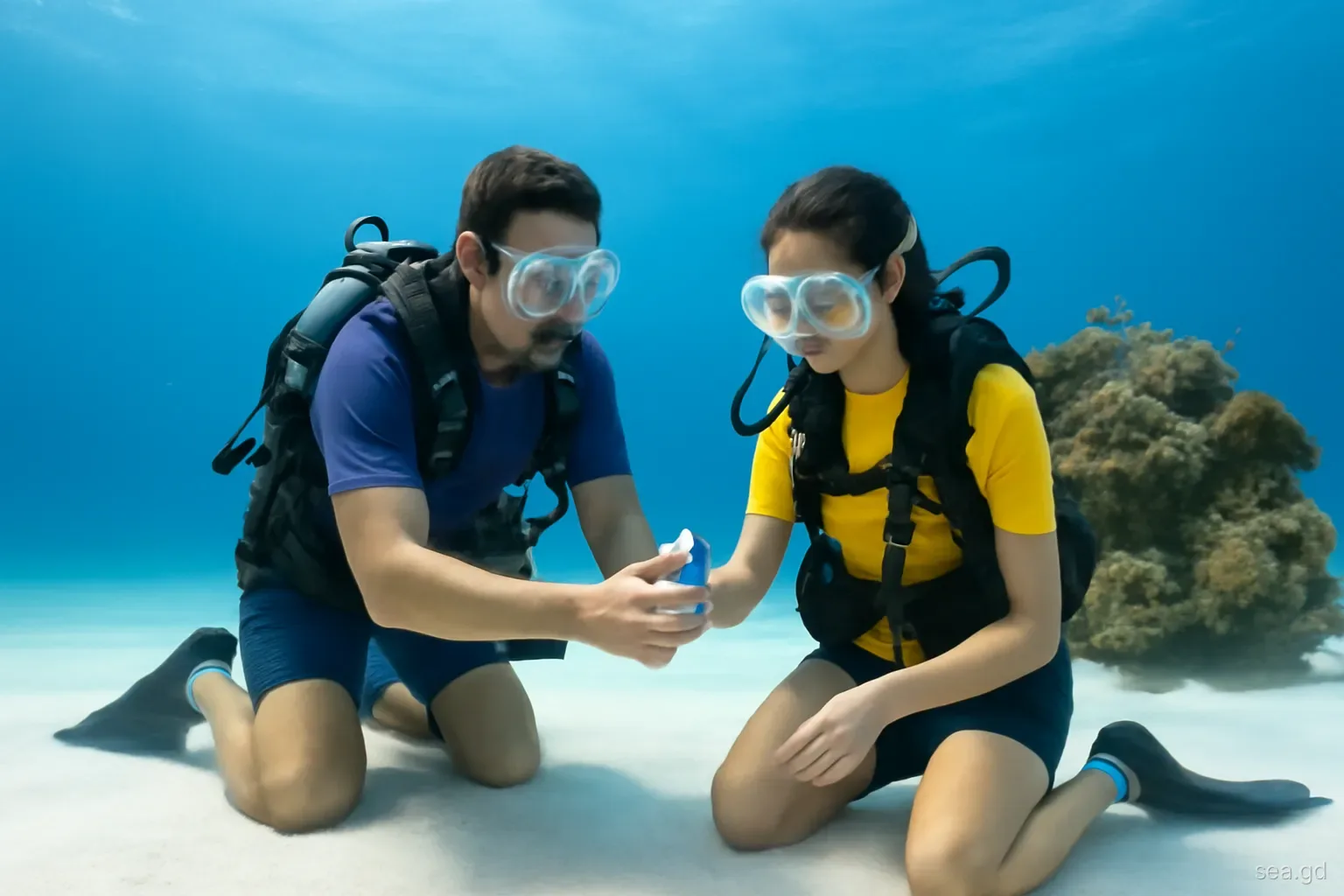
Good instructors adapt the pace, use simple language, check understanding often and stop sessions when a child is tired or anxious. They should be happy to explain the plan to parents and to let parents watch pool or confined-water sessions.
Check whether the centre allows a parent to dive alongside a junior diver, and what certification the parent needs. Some families choose to do a course together, which can be a shared experience; others prefer the child to have the instructor's undivided attention.
A gentle progression for a family dive week
Families get the most from a week when diving builds gradually. A common pattern is to start with snorkelling on the first day or two, so children get used to the boat, the water and seeing reef life. A pool or confined-water session then introduces breathing from a regulator, clearing the mask and equalising, with no pressure to go further if the child is unsure.
If that goes well, a first open-water dive on a sheltered, shallow site follows, kept short and close to the surface. Children who enjoy it can continue towards Junior Open Water certification over several days, with rest days built in, since junior courses involve the same number of training dives as adult courses.
Throughout, keep the schedule light. Children tire faster than adults, and a mix of diving, beach time and rest keeps the experience positive. Ending each day with the child wanting more is a good sign that the pace is right.
Mistakes parents make and how to avoid them
The most common mistake is pushing too fast. A child who completes a course in a few days and then dives on deeper sites with adults may be technically qualified but not ready. Let young divers build experience gradually on shallow, easy dives.
Another mistake is treating junior depth limits as targets. The limits are maximums for ideal conditions, not goals. A 10-year-old does not need to reach 12 metres on every dive to enjoy the reef.
Parents also sometimes ignore signs of fatigue, cold or anxiety in their keenness for a family dive. Watch for shivering, quietness or reluctance, and be ready to call off a dive. A child who ends the week wanting more is better than one who ends it frightened.
Finally, remember that many of Grenada's best underwater experiences, from the sculpture park to shallow reefs, are accessible by snorkelling. Not every child needs to dive to enjoy the sea.
Parents who dive should also resist acting as the child's instructor underwater. Let the professional lead, keep your own buoyancy and air in check, and save the coaching for the debrief, when a calm conversation about what went well helps a young diver more than signals at depth.
Frequently asked questions
What age can children start scuba diving in Grenada?
Children can try scuba in a pool or very shallow water from age 8 through programmes such as PADI Bubblemaker. From 10, they can do supervised open-water try dives and begin a Junior Open Water course. Exact rules depend on the agency and dive centre, so confirm before booking.
How deep can a 10-year-old dive?
Junior divers aged 10 and 11 are generally limited to about 12 metres and must dive with a parent, guardian or dive professional. From 12 to 14, the limit is usually around 18 metres with a certified adult. Dive centres may set stricter limits.
Can teenagers dive the Bianca C?
The Bianca C lies at depths beyond junior certification limits and is generally reserved for experienced adult divers with advanced training. Teenagers can build towards it over time through training and experience, but it is not suitable for young or newly certified divers.
Is the underwater sculpture park suitable for kids?
Much of the sculpture site lies in shallow water within the Moliniere-Beausejour Marine Protected Area, making it popular with snorkellers and beginner divers. Children can often enjoy it by snorkelling, and older children with appropriate training may dive it with a professional.
Do children need a medical certificate to dive?
Every diver completes a medical questionnaire. If any answer indicates a condition that could affect diving, a doctor must sign off before training. Read the questionnaire before travelling and see your family doctor at home if needed, since arranging a review on holiday can be difficult.