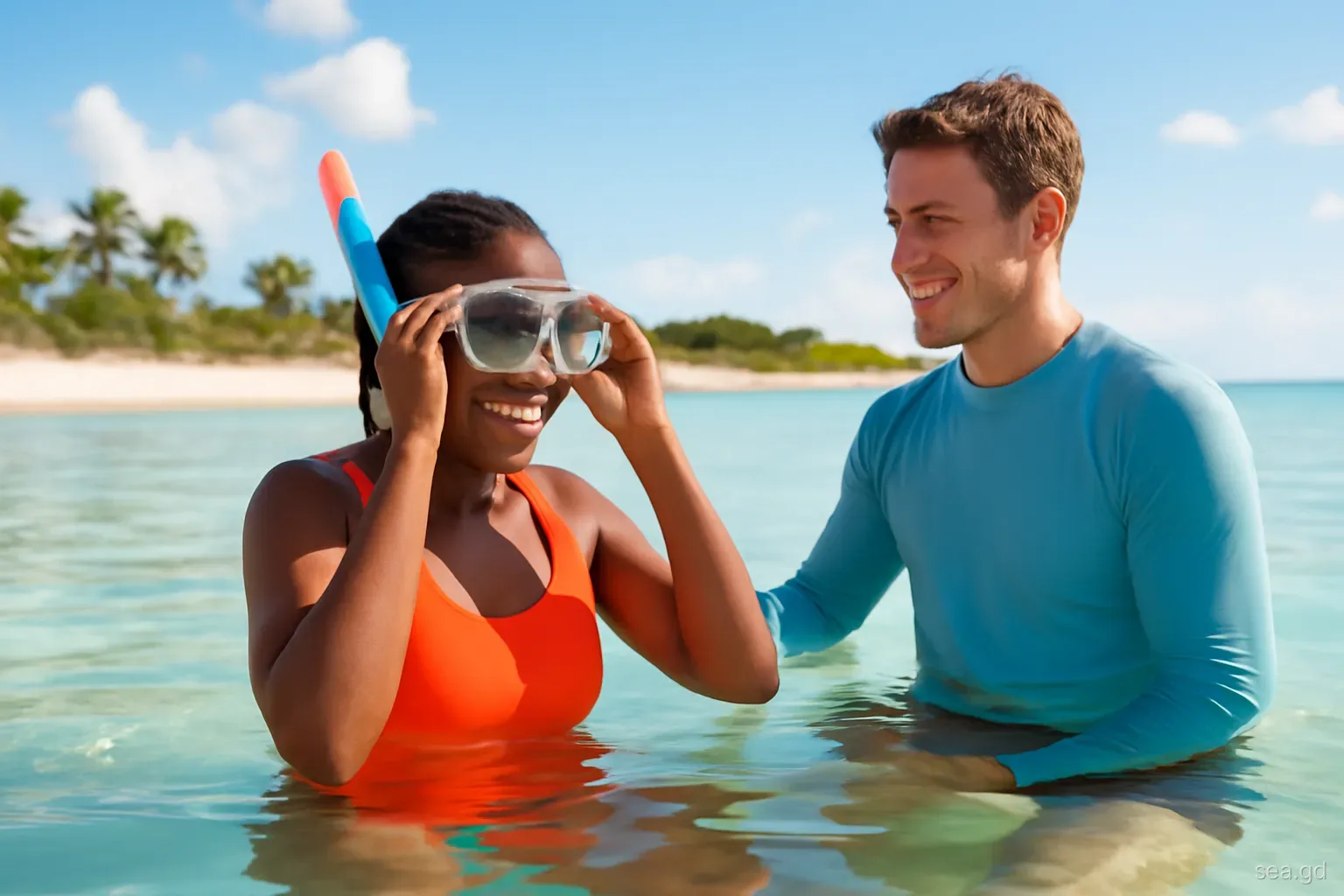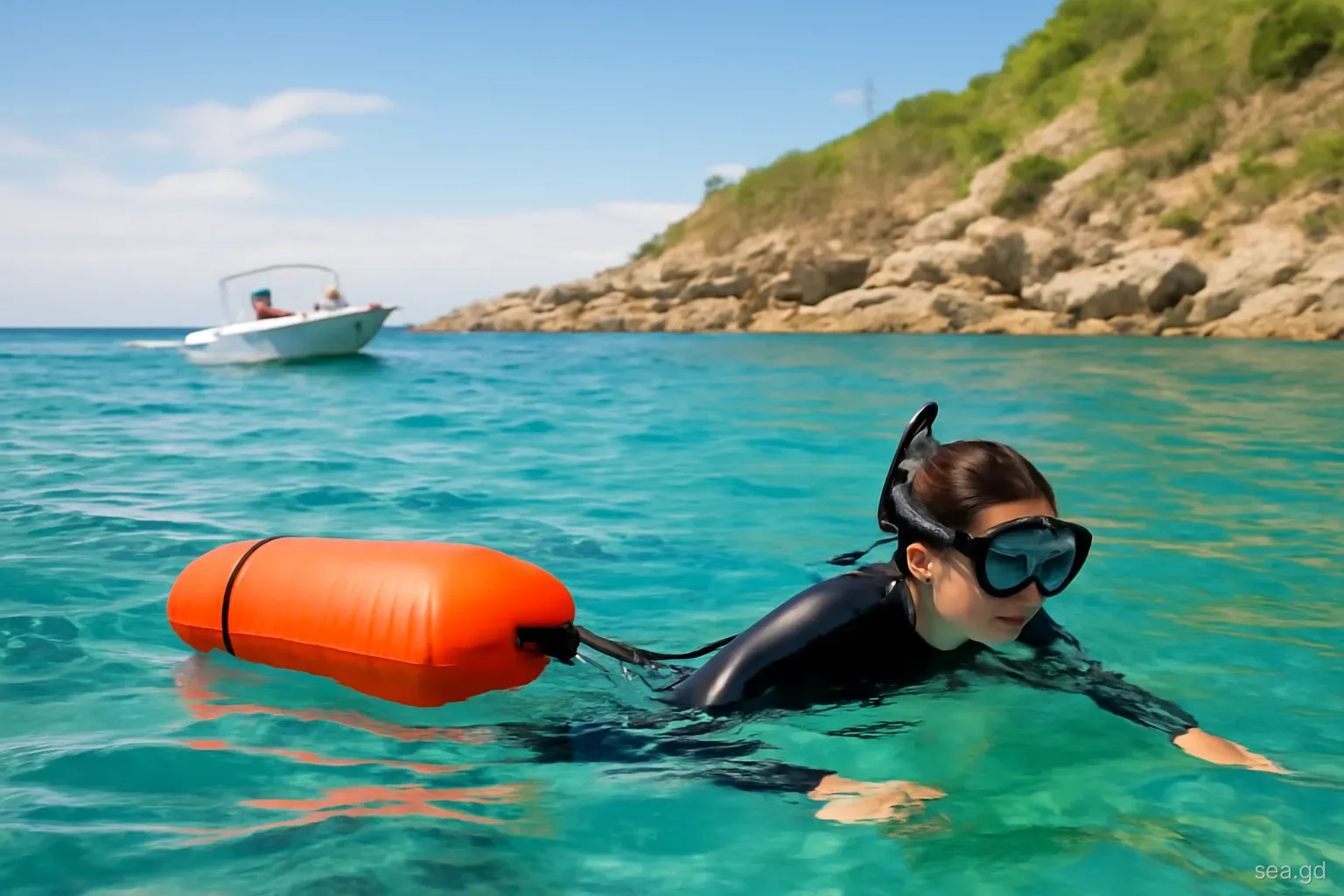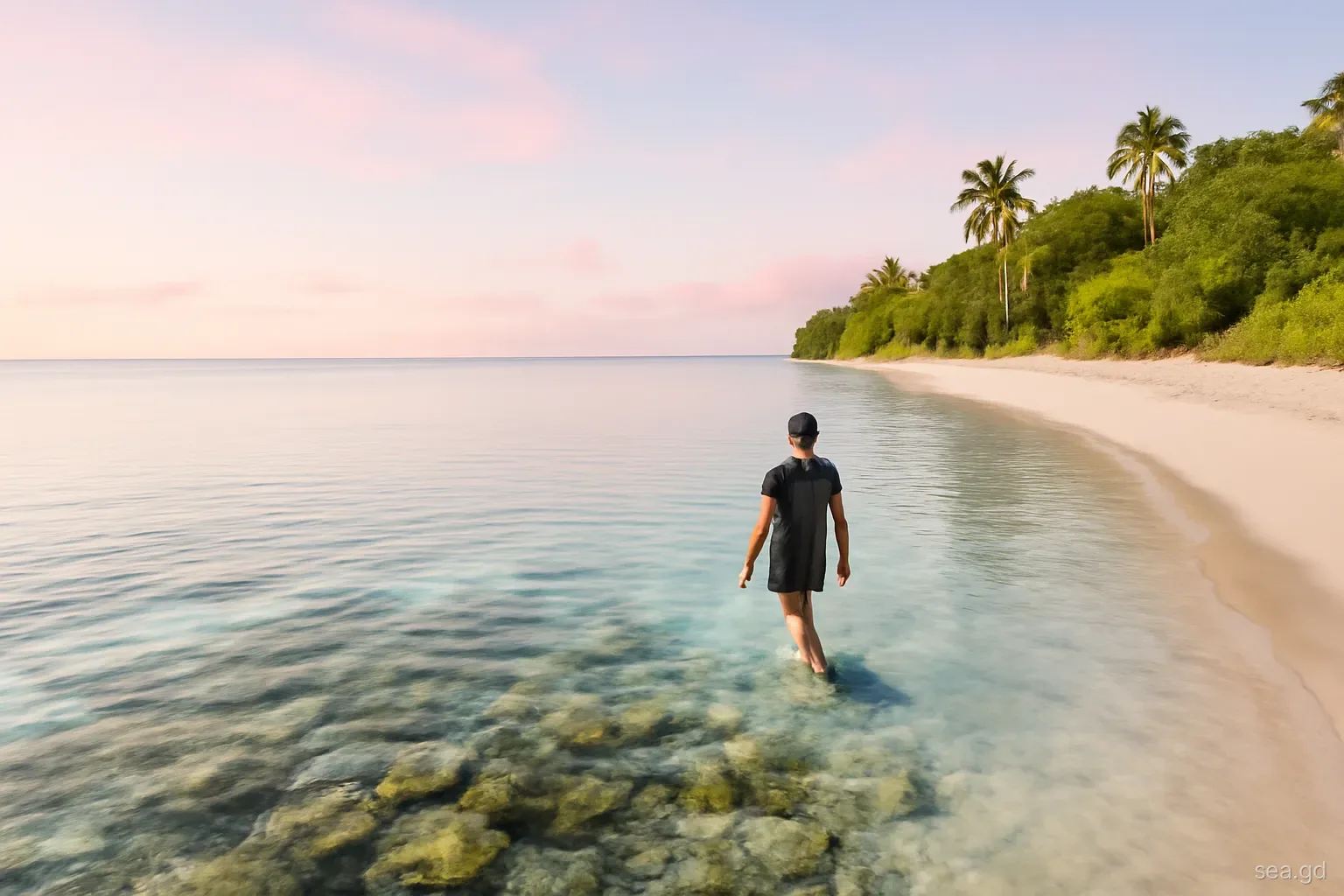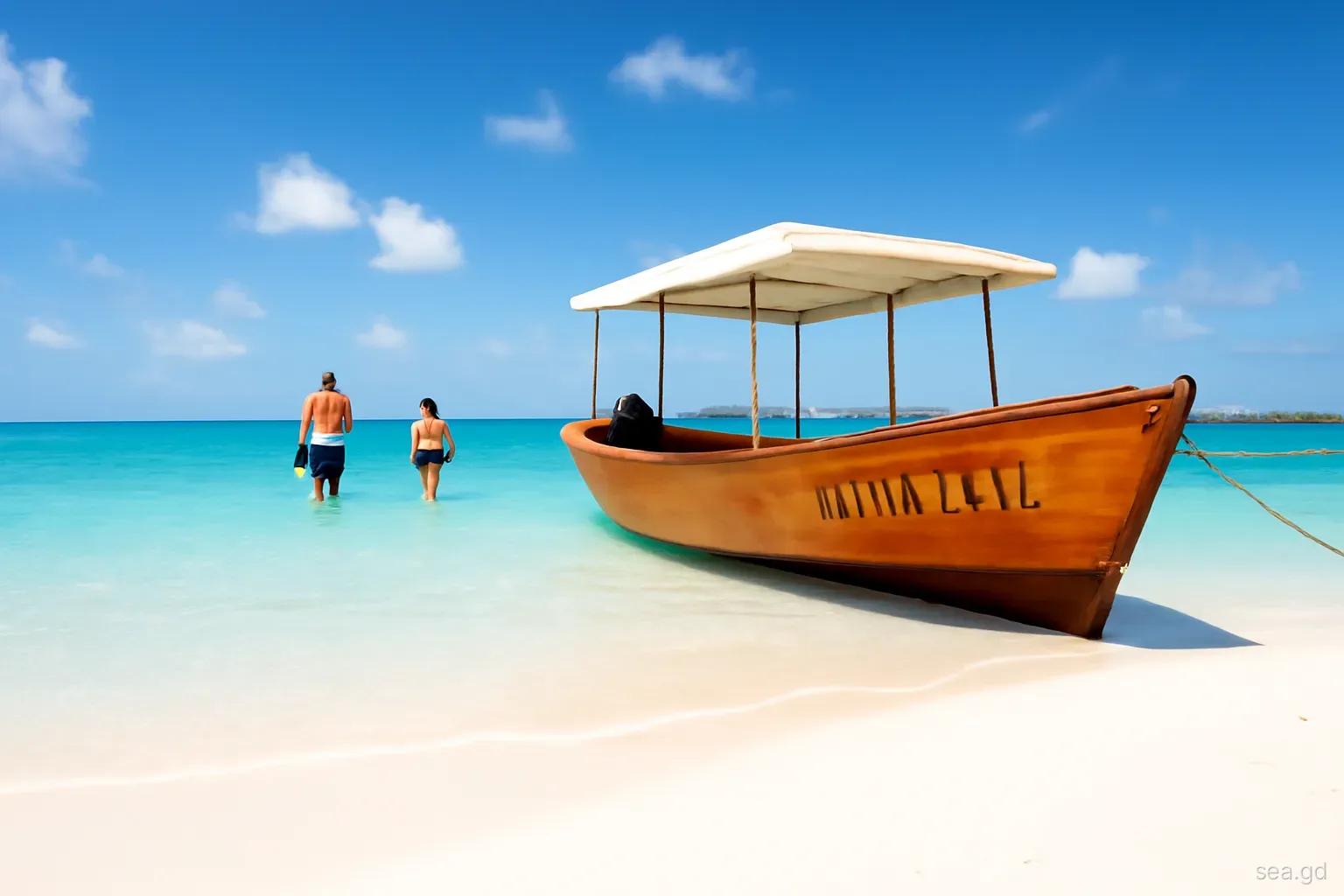
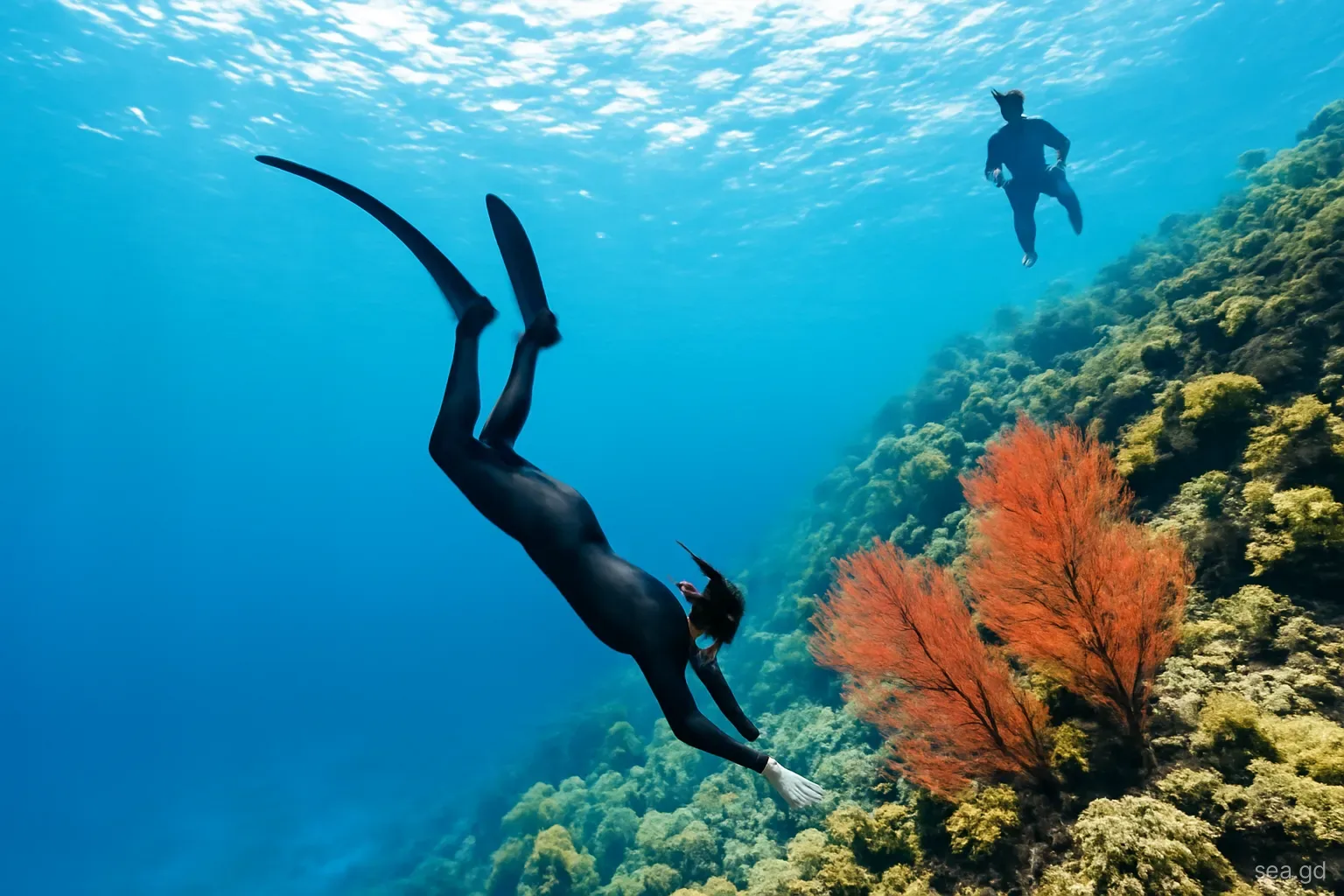
Floating on the surface shows you a reef from above, like looking down on a city from a plane. Dropping a few metres on a single breath shows it at street level: the fish hiding under ledges, the texture of sea fans, the light filtering down from the surface. Around Grenada, where many reefs top out in two to eight metres of water, a confident snorkeller who learns to dive down safely sees far more than one who stays on top.
Breath-hold diving also carries a specific risk that strong swimmers are, if anything, more exposed to: shallow water blackout, a loss of consciousness with no warning, often just below or at the surface. It is preventable with technique and simple buddy rules. This page explains how to dive down well and, more importantly, how not to drown doing it.
Shallow water blackout: understand this before anything else
The urge to breathe is triggered mainly by rising carbon dioxide in the blood, not by falling oxygen. That matters because the two can be separated. Hyperventilating before a dive, taking a series of fast, deep breaths, blows off carbon dioxide and delays the urge to breathe, but barely increases the oxygen you carry. The diver feels comfortable for longer and stays down until oxygen drops low enough for the brain to shut down, without the warning that should have sent them up.
Pressure makes it worse. At depth, water pressure compresses the lungs and raises the partial pressure of oxygen, so oxygen levels can feel adequate. On the way up, as pressure falls, that partial pressure drops sharply. This is why blackouts so often happen in the last few metres of the ascent or within seconds of surfacing.
A blackout is silent. There is no struggle and no shout. A diver who blacks out alone, even in three metres of water, will usually drown. With a buddy watching who can bring their face out of the water and get them breathing, most recover within seconds. That single difference is the reason for every rule in the next section.
A milder warning sign is what freedivers call a samba: brief loss of muscle control after surfacing, with shaking, jerking or a blank stare. It means the diver came very close to blacking out. Anyone who has one should stop diving for the day, and the buddy should hold their face clear of the water until they recover fully.
The rules that keep breath-hold divers alive
Freediving training organisations teach these as non-negotiable, and they apply just as much to a casual dive down to look at a sea fan:
- Never dive alone. Breath-hold diving requires a buddy who is watching you, not snorkelling off to look at something else.
- One up, one down. One person dives while the other floats on the surface directly above, watching for the whole dive and for at least thirty seconds after the diver surfaces.
- No hyperventilation. Breathe slowly and normally before a dive, with a relaxed final breath. Never take a series of rapid breaths to stay down longer.
- Surface with energy to spare. Start the ascent while you still feel comfortable. The aim is to see the reef, not to test your limits.
- Recovery breaths. After surfacing, exhale passively and take a few quick, deep breaths in, while your buddy watches.
- Rest between dives. Take at least twice as long on the surface as you spent underwater, and more after deeper or longer dives.
- Ditch the weight belt if in doubt. If you use weights, wear a quick-release belt and make sure your buddy knows how to drop it.
Technique: duck dive, equalise, fin and ascend
Good technique saves oxygen and makes dives calmer and longer without any extra effort. Practise each part in shallow water first:
- Float face down, relaxed, breathing through the snorkel. Take a slow, full breath and remove the snorkel from your mouth or simply let it flood.
- Duck dive: bend sharply at the waist so your upper body points straight down, then lift your legs vertically above the water. Their weight drives you down without kicking.
- Equalise early and often: pinch your nose through the mask and gently push air into your ears, starting just below the surface and repeating every metre or so. Never force it; if an ear will not clear, stop, rise a little and try again, or abort the dive.
- Fin with long, slow strokes from the hips, keeping knees fairly straight. Look slightly ahead rather than down, keep your arms by your sides or extended, and stay streamlined.
- At the bottom of the dive, stay relaxed. Hover above the reef rather than grabbing it. Neutral buoyancy at a few metres makes this easy.
- Look up before ascending and keep one hand above your head so you do not hit a boat, a swimmer or a rock. Ascend steadily, without rushing, and exhale only at the surface.
- At the surface, give your buddy a clear "OK" signal and start your recovery breaths.
Where in Grenada suits breath-hold snorkelling
The best places combine a reef within reach of the surface, shelter from swell and current, and little boat traffic. The west coast bays north of St George's, around Molinière Point, Dragon Bay and Flamingo Bay, have reef tops in shallow water dropping to deeper slopes, so divers can choose their depth. The sculptures in Molinière Bay sit at depths that confident snorkellers can reach on a breath, and diving down to see them at eye level is a highlight; the marine protected area rules there still apply, so avoid touching the sculptures or stirring up sand around them.
On the south coast, the rocky ends of Morne Rouge and Magazine Beach have shallow reef patches ideal for practice. In Carriacou, the reef edges around Sandy Island and White Island offer clear water over modest depths. Everywhere, look for a sandy patch to practise duck dives and equalising before moving over the reef, so that early mistakes do not end with fins on coral.
Avoid exposed points, channels used by boats and spots with currents strong enough to carry the surface buddy away from the diver. In those places, the buddy system breaks down simply because the two of you drift apart.
Gear, ears and the scuba overlap
Mask. A low-volume mask needs less air to equalise as you descend and is easier to clear. High-volume or full-face masks are unsuitable for any diving below the surface.
Fins. Long-bladed freediving fins are efficient but awkward on boats and rocky entries. Medium-length fins work well for casual breath-hold snorkelling around reefs that rarely exceed eight or ten metres.
Exposure protection. Even in warm Grenada water, a thin wetsuit stops you chilling during long sessions and adds buoyancy, which may require a small amount of weight to offset. Get weighting advice from an instructor.
Ears and sinuses. If you have a cold or blocked sinuses, do not dive down. Forcing equalisation can damage the eardrum, and an ear infection can end the rest of your holiday in the water.
Mixing with scuba. Avoid breath-hold diving after scuba on the same day: the nitrogen absorbed on a scuba dive and the pressure changes of repeated breath-hold descents are a combination freediving and diving agencies advise against. Short, shallow breath-hold sessions are not generally linked to flying restrictions, but the no-fly guidance from any scuba diving still applies.
Courses. Recognised freediving courses from agencies such as AIDA, PADI and SSI teach breathing, equalisation, rescue and blackout response. Some dive centres in the region offer them; check what is available in Grenada when you plan your trip.
Frequently asked questions
How deep can a beginner safely dive on a breath-hold?
For untrained snorkellers, a few metres is plenty, roughly three to five metres, which is enough to see most of Grenada's shallow reefs up close. Depth is not the main risk, though; blackouts can happen in very shallow water. A watching buddy and no hyperventilation matter more than any depth limit.
What is shallow water blackout?
It is a loss of consciousness caused by low oxygen during or just after a breath-hold dive, usually without any warning. It often happens near the surface during the ascent. Hyperventilating beforehand greatly increases the risk. Someone who blacks out alone in the water is likely to drown, which is why a watching buddy is essential.
Is freediving allowed in Grenada's marine protected areas?
Breath-hold snorkelling for observation is generally allowed in the same way as snorkelling, subject to the MPA user fee and rules. Spearfishing, collecting and touching coral are not allowed. Check current regulations with your operator or the MPA management, as rules can be updated.
Can you freedive after scuba diving?
It is best avoided on the same day. Repeated breath-hold descents after scuba diving may increase the risk of decompression problems because your body still carries extra nitrogen. Plan breath-hold sessions for days without scuba, or before scuba rather than after, and seek advice from a dive professional.
Why do ears hurt when diving down?
Water pressure pushes on your eardrums as you descend, and the pain means the air spaces in your middle ear have not been equalised. Pinch your nose and gently blow to equalise from the moment you go under, repeating every metre. If an ear will not clear, ascend slightly and try again, or end the dive.