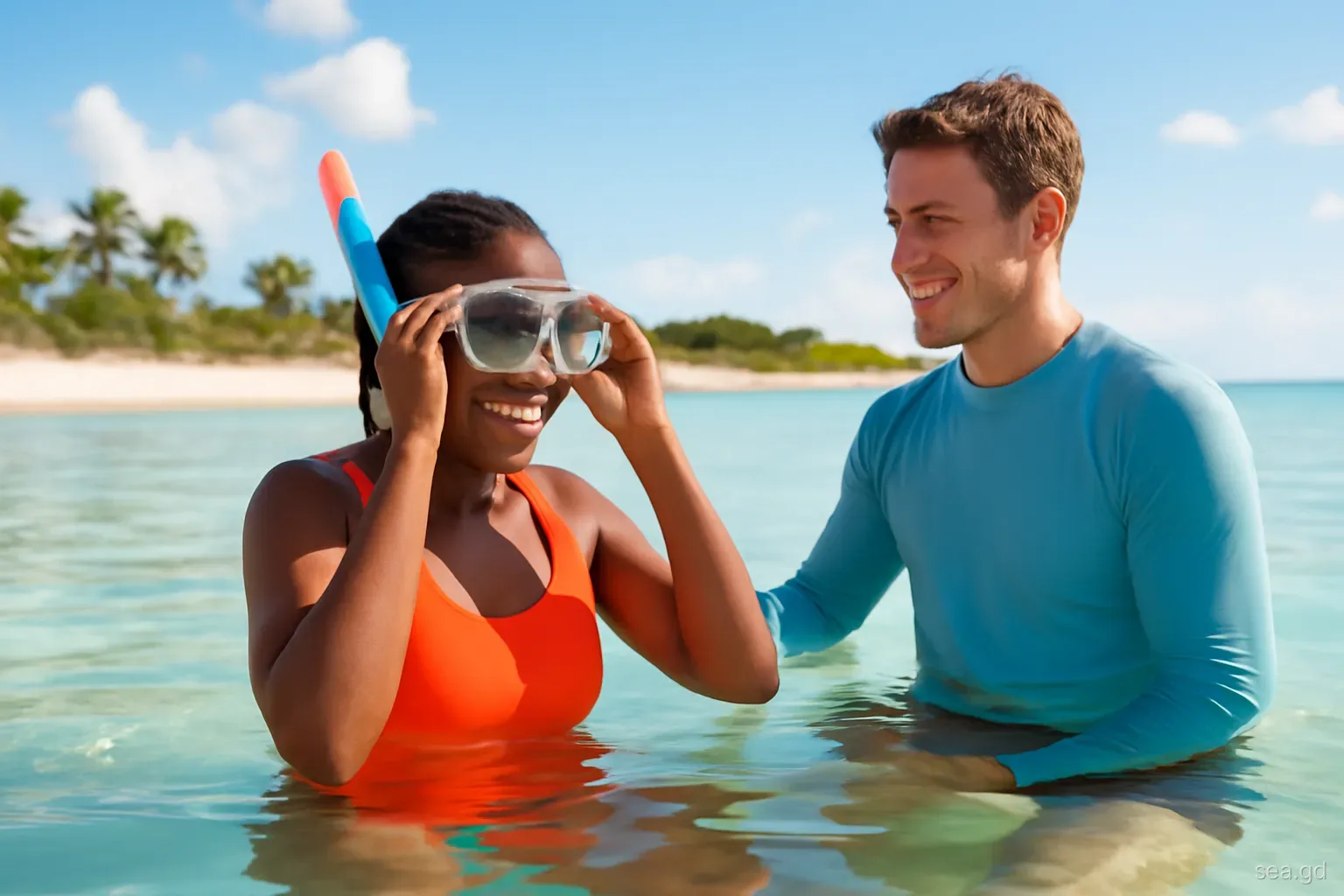
The first five minutes decide whether someone loves snorkelling or gives up on it. Breathing through a tube with your face in the sea feels unnatural, and the instinct when water trickles into a mask is to lift your head, gasp and swallow a mouthful of salt. People who have that experience in deep water off the back of a boat, surrounded by strangers, often never try again. People who learn standing in waist-deep water on a quiet beach usually find it easy within an hour.
Grenada is a good place to learn. Several beaches on the leeward coast have calm, warm, shallow water with sandy bottoms, and there are reef fish to see within a short swim. This page walks through how to learn step by step, where to practise, how to handle the common problems, and how to decide when you are ready for a boat trip over deeper reefs.
Learning in the shallows, step by step
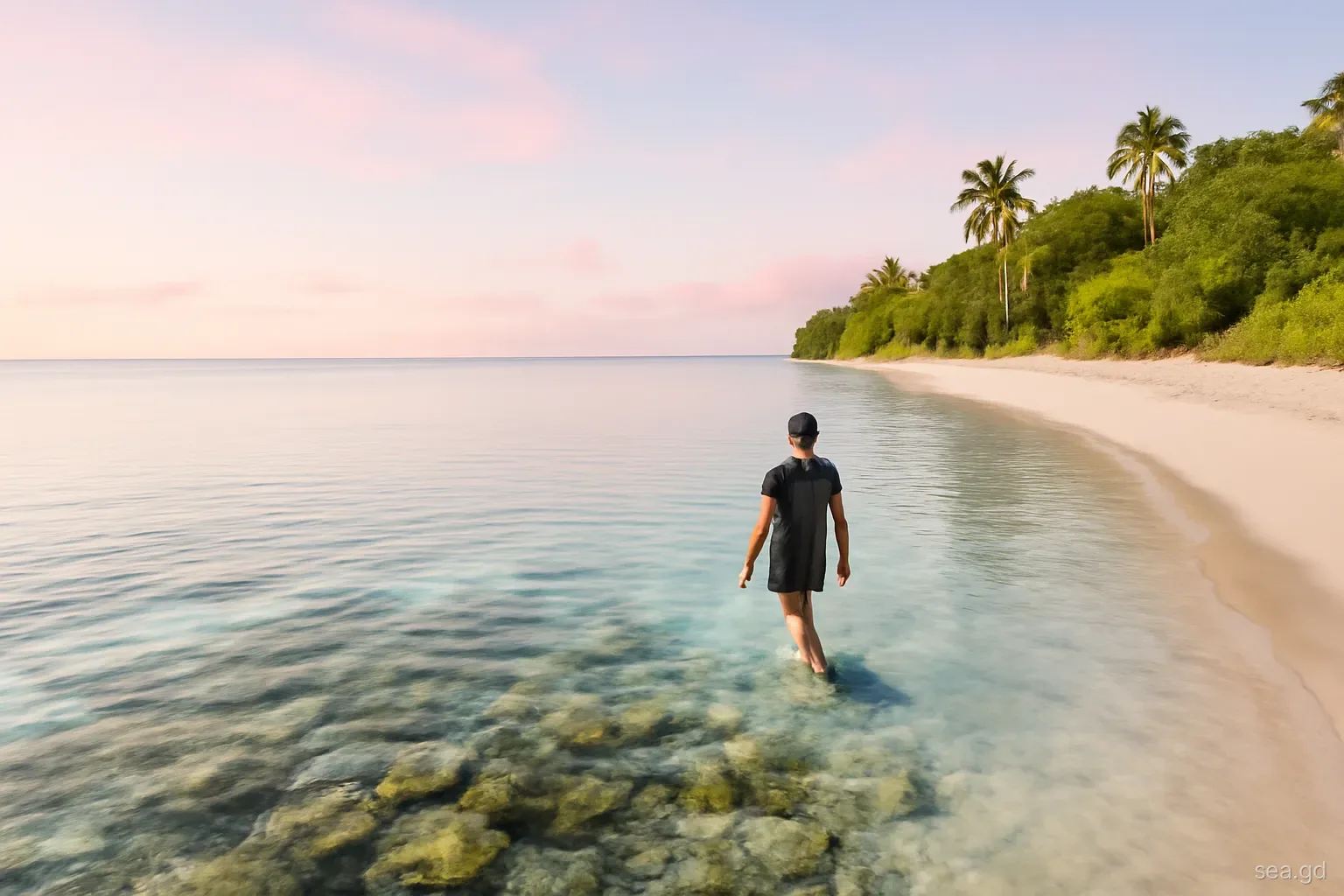
Do this on a calm morning, on a sandy beach, where you can stand with your shoulders out of the water. Allow half an hour and do not rush any step:
- Fit the mask on land. Push hair off your forehead, place the mask on your face and pull the strap so it sits snugly above the ears but not tight. The seal comes from the skirt, not the strap.
- Practise breathing through the snorkel on the sand. Breathe slowly and deeply through your mouth only. A long, relaxed exhale is the key; short, quick breaths are what cause breathlessness and panic.
- Stand in the water and put just your face in, holding your breath. Look at your feet. Lift your head, breathe, repeat. This gets you used to the sensation of water on your face.
- Now put your face in and breathe through the snorkel while standing. Stay there for a minute, listening to your breathing. Most people relax noticeably by the third or fourth try.
- Lean forward and float, keeping one hand able to touch the bottom. Let your legs rise behind you. Kick slowly from the hips with straight legs, not from the knees like cycling.
- Practise clearing the snorkel: dip the end under water so it floods, then blow out sharply to push the water out of the top. Take your first breath after clearing gently, in case a little water is left.
- Practise clearing the mask: let a little water in, then press the top of the frame against your forehead, tilt your head back slightly and breathe out through your nose.
- Only when all of this feels natural, put on fins and swim slowly along the shoreline, staying where you can stand.
The calmest places to learn
Morne Rouge Bay. A small, usually sheltered bay south of Grand Anse with a sandy entry and gentle slope. Once you are comfortable on the sand, the rocks at either end have reef fish in shallow water, so progress happens naturally.
Grand Anse inside the swimming buoys. The water is shallow and the bottom is sand and seagrass. There is not much reef, but the protected area keeps boats away and the chance of spotting juvenile fish, sea stars or a turtle on the seagrass makes practice sessions more than drill.
Magazine Beach on a calm day. Close to the airport and usually quiet, with a sandy entry. The rocks at the north end make a good second step once you can float and breathe comfortably.
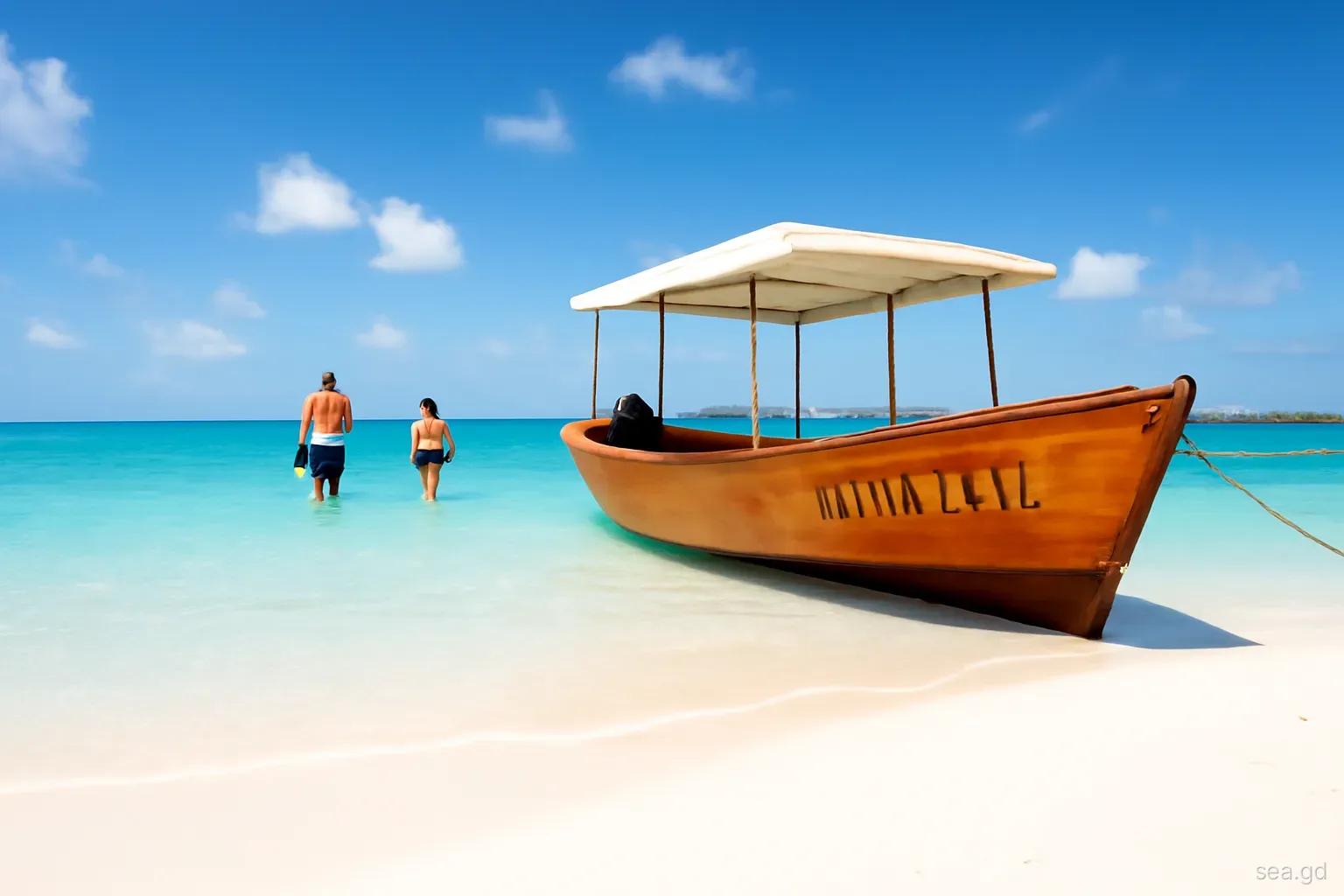
Paradise Beach, Carriacou. If you are visiting Carriacou, the sheltered water at L'Esterre, looking out to Sandy Island, is calm and shallow for a long way out, ideal for children and nervous adults.
Places to avoid for a first lesson. The Atlantic beaches of the east coast, which face the trade winds and often have waves and currents; rocky entries such as Dragon Bay; and the middle of yacht anchorages, where the water is cloudier and there is boat traffic.
Nervous swimmers, non-swimmers and children
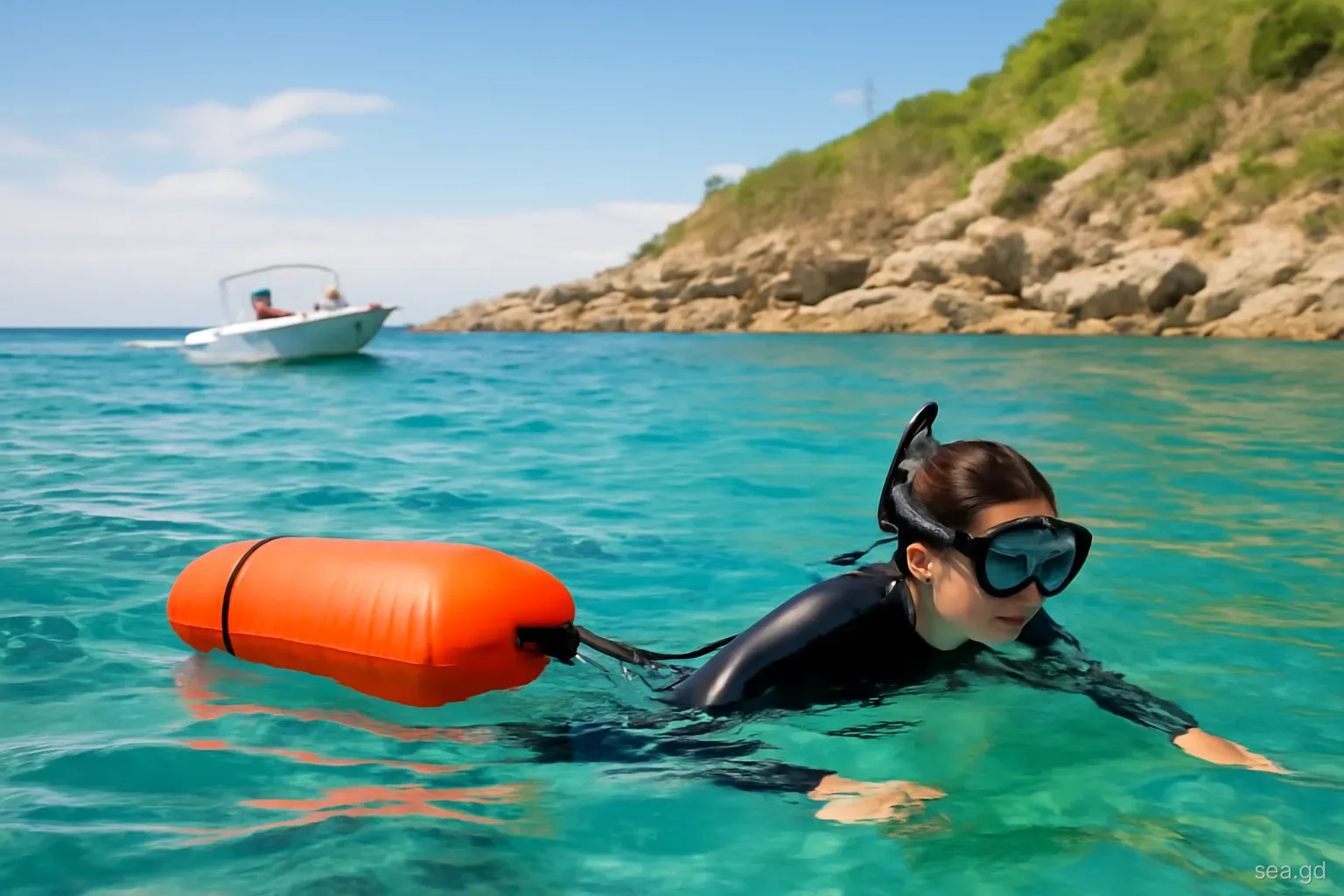
Snorkelling does not require swimming well, but it does require being comfortable in water. A snorkel vest or a buoyancy aid makes an enormous difference to nervous adults. With a vest you float effortlessly, can lift your head at any moment and do not have to think about staying up. Many tour operators provide them, and they are worth asking for even if you can swim.
Non-swimmers can and do snorkel on guided trips, wearing a life jacket and often holding a float or a guide's hand. That is a reasonable way to see a reef, but only with a guide whose attention is on you, in calm water, and never independently from shore. If you cannot swim, learning even basic swimming before a holiday makes snorkelling far more enjoyable and safer.
Children can start as soon as they are happy putting their faces in the water, often around the age of five or six. Child-sized masks matter, because adult masks leak on small faces. Keep early sessions short, practise in a pool or the shallows first, and turn it into a game: counting fish, finding a sea star, spotting the colour of a parrotfish. A child who is cold, tired or frightened will not enjoy it, so end sessions early and on a good note.
Guided options: when a lesson or tour helps
A short lesson or guided snorkel is worth considering for anyone who feels anxious, and for families with several young children. Some dive centres around Grand Anse and the south coast offer introductory snorkel sessions, and guided snorkel trips often include a briefing and a crew member in the water. The value lies in having someone experienced watching you, correcting technique early and choosing water that suits your level.
When comparing trips, ask how many snorkellers each guide looks after, whether a crew member goes in the water with the group, whether vests are provided, how long you will spend in the water at each stop, and which bays the boat will visit. A trip that stops at only one site in deep water is not ideal for a nervous beginner; one that includes a shallow, sheltered stop gives you a chance to settle in.
The common shortcut, jumping off a catamaran into deep water for your first ever snorkel, works for confident swimmers but overwhelms many others. If that is how your first snorkel is likely to happen, practise from a beach a day or two beforehand. Even a short session in the shallows will change how the boat trip feels.
Common beginner problems and quick fixes
Almost every problem in the first session has a simple cause. If something goes wrong, stand up or float on your back, breathe, and work through this list:
- Mask leaking: hair under the skirt, a strap pulled too tight or too loose, or a mask that does not fit your face. Smiling also breaks the seal.
- Mask fogging: clean the lens and use defog, diluted baby shampoo or saliva before each swim.
- Water in the snorkel: usually from tilting the head up to look forward. Keep looking down and slightly ahead, so the tube stays upright.
- Breathlessness: slow down, exhale fully, and rest at the surface with your vest or on your back. Feeling short of breath is usually from breathing too fast.
- Sore jaw: biting the mouthpiece too hard. Hold it gently with your lips sealed around it.
- Cramps in the feet or calves: fins that are too stiff or a kick from the knees. Stretch the foot by pulling the fin tip toward you, and kick from the hips.
- Feeling seasick on a boat trip: look at the horizon, sit near the middle of the boat and get in the water sooner rather than later; most people feel better once swimming.
Ready for deeper water? A simple test
Before joining a boat snorkel over deep reefs or heading for a rocky shore spot, check that you can do four things comfortably: breathe calmly through the snorkel for ten minutes without lifting your head, clear the snorkel without panic, clear a partly flooded mask while floating, and swim a few hundred metres with fins at an easy pace. If all four feel natural, you are ready for reefs where you cannot stand.
On the first deep-water snorkel, stay close to the boat or guide, wear a vest, and take a minute at the surface before swimming off. Looking down into blue water for the first time can be disorienting; focusing on the reef or the bottom, rather than the open blue, settles the mind. And remember that floating quietly over a reef is the point. The best snorkellers move slowly, touch nothing and see far more than those racing around.
Frequently asked questions
Can you snorkel if you cannot swim?
On a guided trip with a life jacket and close supervision, yes, many non-swimmers enjoy it. Independent snorkelling from shore is not advisable for non-swimmers, because currents, waves or a lost vest can quickly become dangerous. Learning basic swimming first makes snorkelling safer and much more enjoyable.
What age can children start snorkelling in Grenada?
Many children are ready from around five or six, once they are relaxed in water and happy to put their faces in. The key is a properly fitting child-sized mask, calm shallow water such as Grand Anse or Morne Rouge, short sessions and an adult within arm's reach at all times.
Why does water keep getting into the snorkel?
Most often because you are lifting your head to look forward, which tilts the tube into the water, or because small waves are washing over the top. Keep your face down and look slightly ahead. Learn to clear the tube with a sharp exhale, and consider a dry-top snorkel for choppy days.
Is a snorkel lesson worth paying for?
For confident swimmers, a short self-guided practice in the shallows is usually enough. For anxious adults, non-swimmers and families with young children, a lesson or a guided trip with a crew member in the water is often worth it, because early guidance prevents bad first experiences that put people off.
Do snorkel vests stop you diving down?
Yes, an inflated vest keeps you at the surface, which is exactly why it suits beginners. Most snorkel vests can be partly deflated as you gain confidence. Diving down below the surface is a separate skill that comes later, once you are fully comfortable snorkelling at the surface.