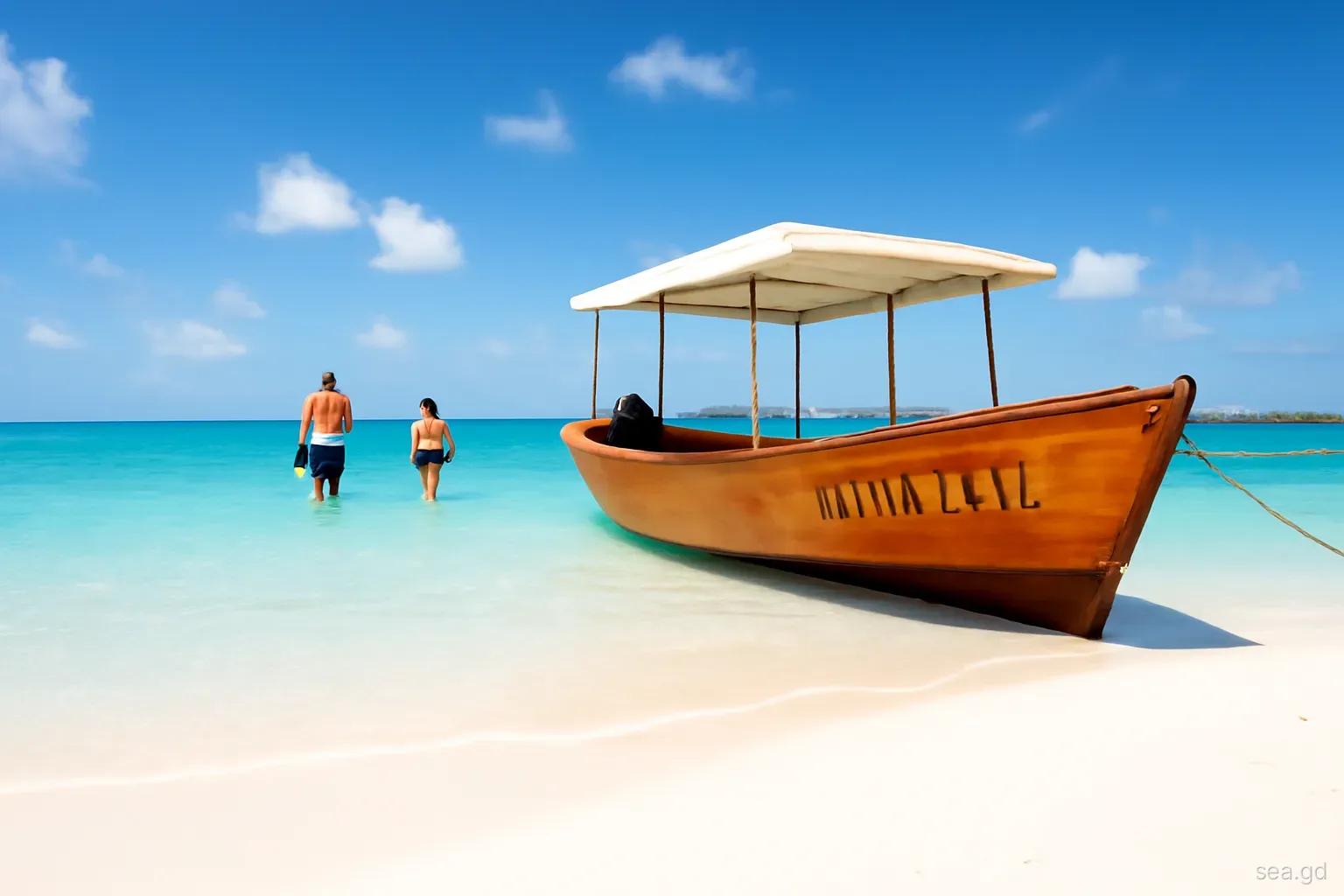
Carriacou sits on a shallow bank north of Grenada, surrounded by small cays, patch reefs and seagrass beds that are a different world from the steep, rocky west coast of the main island. The water is often clearer and paler, the beaches emptier, and snorkelling here is mostly about short boat hops to offshore islets rather than swimming off a busy resort beach.
It is also an island still recovering. Hurricane Beryl struck Carriacou and Petite Martinique as a powerful Category 4 storm on 1 July 2024, destroying or damaging most homes and much of the tourism infrastructure. Some guest houses, water taxi operators and beach bars have rebuilt; others have not. The reefs and beaches described here have survived many storms, but sand, vegetation and services may look different from older guidebooks, so check locally before you set out.
The main snorkel spots
Sandy Island. The postcard islet off Hillsborough: a narrow strip of white sand with a reef on its seaward side and shallow seagrass and sand around it. Snorkelling is best along the reef edge, where you can expect parrotfish, blue tang, sergeant majors, the odd barracuda hanging motionless in mid-water and sometimes turtles or eagle rays passing over the sand. Storms have repeatedly stripped and reshaped the island over the decades, so its vegetation and exact shape change; the surrounding reef is the constant.
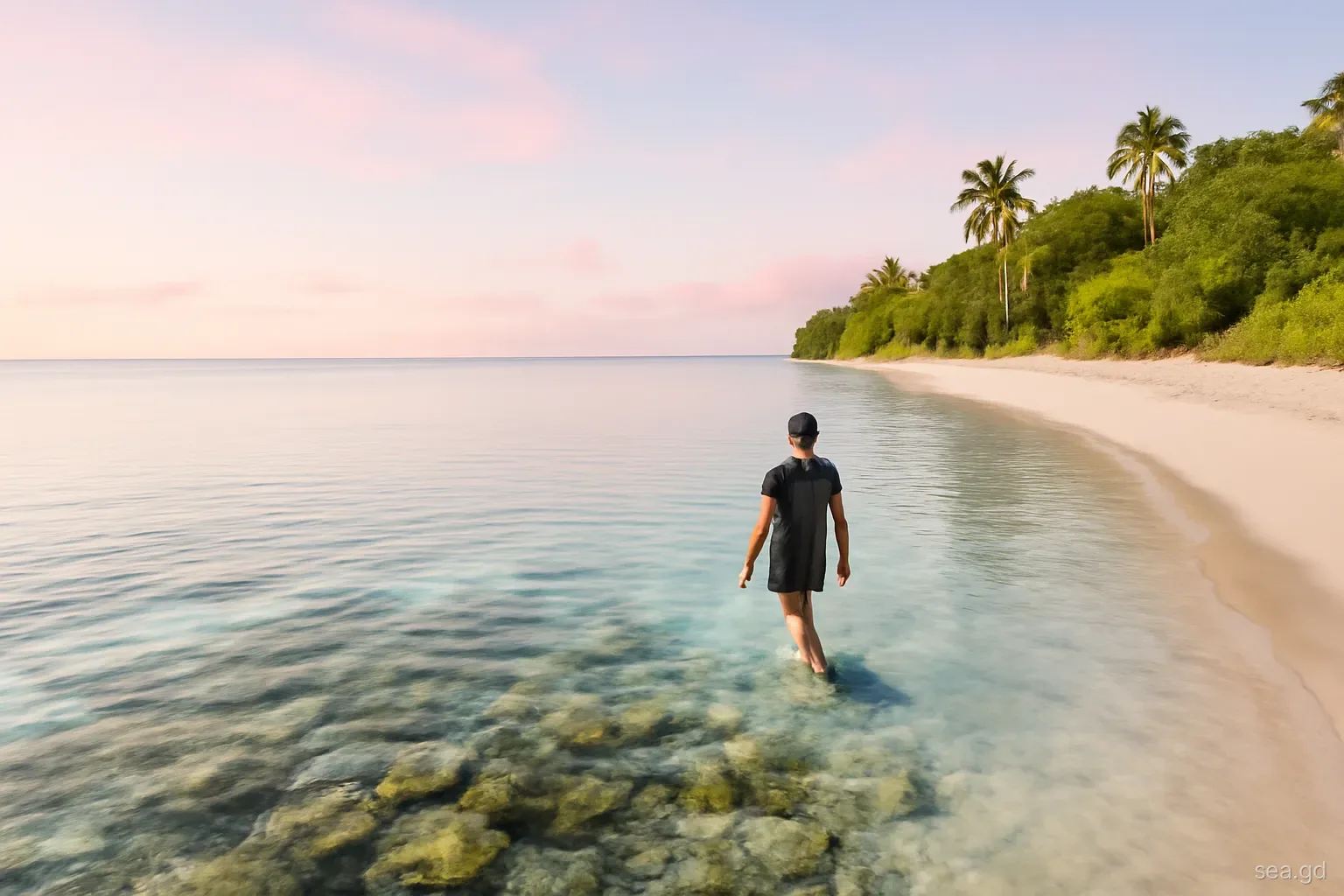
Paradise Beach at L'Esterre. Facing Sandy Island across the bay, this is the easiest shore snorkel on Carriacou. The bottom is sand and seagrass with scattered rocks, good for beginners and children. It is also the most common place to pick up a water taxi to Sandy Island.
White Island. A small islet off the south-west end of Carriacou with a sandy beach and a reef on its leeward side. Its distance from the main island means fewer visitors and often excellent water clarity. It is reached by boat only, and the trip is longer and more exposed than the short hop to Sandy Island.
Anse La Roche. A secluded bay on the north-west coast, framed by rocky headlands with snorkelling along both ends. It is reached by a walking trail through the north of the island or by boat, and has no facilities. The bay is also a turtle nesting beach in season, so keep away from marked nests and avoid lights on the beach at night.
Tyrrel Bay. Carriacou's main yacht anchorage, with mangroves known as the Oyster Bed at its northern end. The anchorage itself is not a snorkelling spot, but sailors use it as a base for dinghy trips to nearby reefs.
The Sandy Island Oyster Bed Marine Protected Area
Sandy Island, Paradise Beach and the Tyrrel Bay mangroves sit within the Sandy Island Oyster Bed Marine Protected Area, usually shortened to SIOBMPA. It was set up to protect the coral reefs, seagrass and mangroves of Carriacou's south-west coast, which together form a linked system: mangroves and seagrass shelter juvenile fish that later move onto the reef.
Rules inside the MPA follow the same lines as on the main island. A user fee applies to visitors, often included by tour and water taxi operators but sometimes collected separately by wardens. Fishing, spearfishing and collecting are prohibited, and boats are expected to use moorings rather than anchoring on the reef or seagrass. Seagrass deserves special care: it looks like an unremarkable green carpet, but anchors and propellers scar it for years, and it is the feeding ground for the turtles snorkellers hope to see.
The details of fees and zoning are set by the MPA management and can change, particularly in the rebuilding period after Hurricane Beryl. Ask your water taxi driver or your guest house what applies before you go.
Getting out to the islets by water taxi
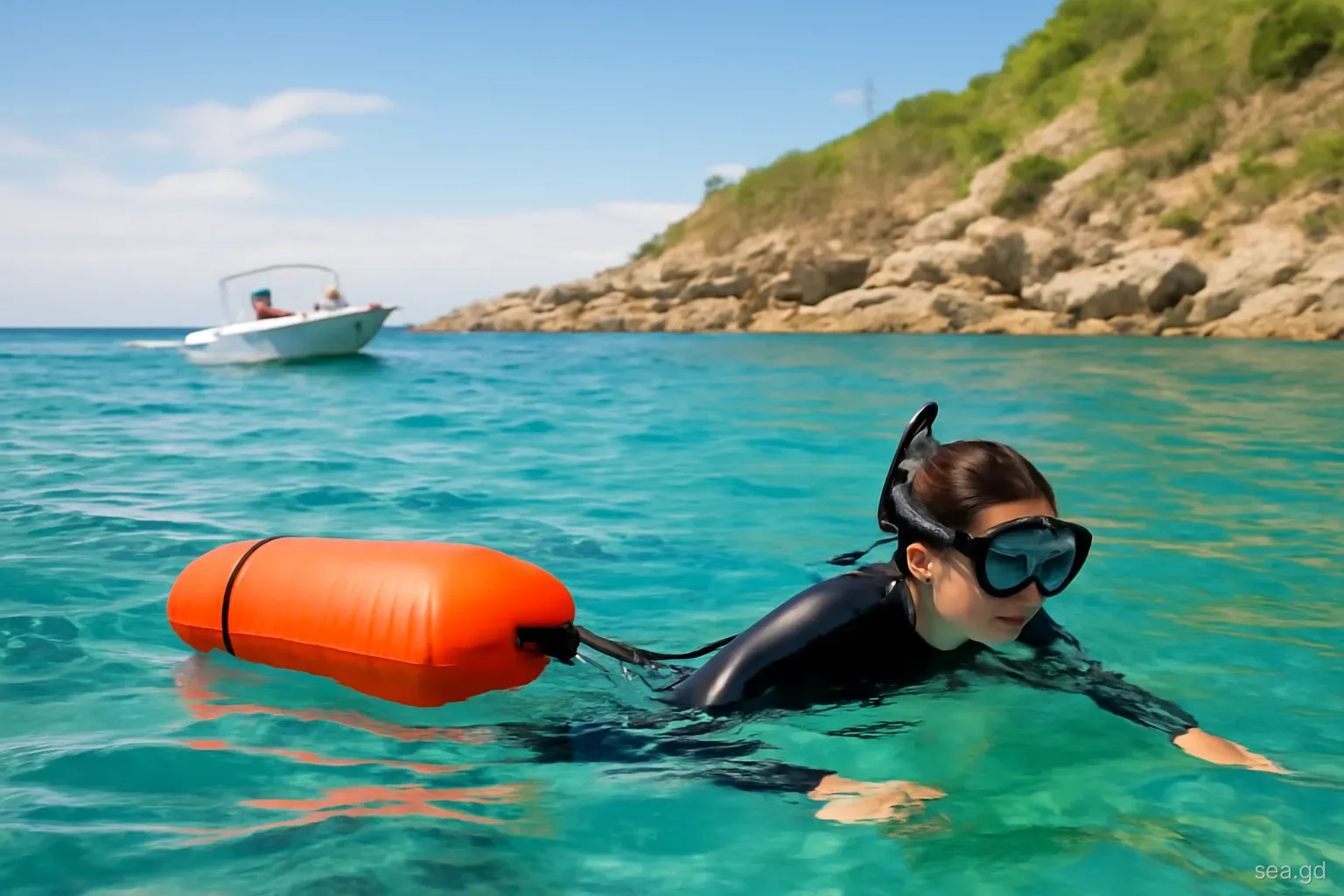
Water taxis on Carriacou are small open boats run by local operators. They are the normal way to reach Sandy Island and White Island and the system is informal, so a little planning avoids misunderstandings:
- Ask at your accommodation or on the waterfront in Hillsborough or at Paradise Beach which operators are running; after Hurricane Beryl, the number of boats has fluctuated.
- Agree the price before you leave, and confirm whether it is per person or per boat and whether it includes the return trip and any MPA fee.
- Set a clear pickup time and place, and make sure the driver knows how many people to collect.
- Take everything you need: water, shade, sun protection and snacks. Sandy Island and White Island have no shops or fresh water.
- Keep the driver's name in mind and pay the full fare only when you are back ashore, which is a common local practice for return trips.
- If the sea looks rough or the driver hesitates about White Island, accept the advice; the crossing can be choppy when the trade winds are strong.
Getting to Carriacou and when to go
Carriacou is reached from Grenada either by fast ferry from St George's (check whether it currently docks at Tyrrel Bay or Hillsborough), a crossing that usually takes around two hours and can be rough in strong trade winds, or by small plane to Lauriston Airport. Schedules and operators change, so check current timetables before planning a tight day. A day trip from Grenada is possible, but staying at least one night gives you calm early mornings on the water and the chance to wait out a windy day.
Carriacou is drier than the main island, with less river runoff, so visibility tends to stay good for much of the year. The strongest trade winds, typically from around December to April, make the windward east coast rough and can chop up crossings to the islets, while the leeward reefs usually remain workable. Summer and early autumn often bring calmer winds and very clear water, but this is also the heart of the hurricane season, and the island's recent experience is a reminder to watch forecasts closely between June and November.
Petite Martinique, a short boat ride to the east, is a small fishing and boatbuilding community rather than a snorkelling destination, but its rocky shoreline and the reefs of the surrounding bank can be explored with a local boat owner who knows them. As with Carriacou, it was badly hit by Beryl, and visitors should arrange transport and any outing in advance rather than counting on finding a boat on arrival. For most snorkellers, Carriacou's south-west coast and its islets remain the focus of a first visit.
Mistakes to avoid in Carriacou
The most common mistake is assuming the shallow bank means easy, current-free water. Currents can run between the islets and over the reef edges, especially around White Island and the outer side of Sandy Island. Snorkel the sheltered side first, stay within sight of your boat, and do not try to swim between islets.
The second is underestimating the sun. Sandy Island and White Island have little or no natural shade, particularly since storms stripped vegetation, and reflection off pale sand and shallow water doubles the exposure. A long-sleeve swim top, hat and plenty of water are not optional for a half day out.
The third is treating the islets as wild and lawless. They are protected areas and community resources. Take all rubbish back, do not light fires, do not collect shells or coral, and do not stand on the reef. After the hurricane, residents are also rebuilding livelihoods that depend on visitors and a healthy sea; paying fees and fares fairly is part of that.
A last practical point: cash matters more here than on the main island. Card payment and cash machines are limited, and after the hurricane some services have worked on cash only. Carry enough Eastern Caribbean dollars for water taxis, fees and food, and keep it in a dry bag on the boat.
Frequently asked questions
Can you snorkel at Sandy Island from the shore of Carriacou?
Not directly. Sandy Island lies offshore from Hillsborough and L'Esterre, so you need a water taxi or a boat. The short trip from Paradise Beach or Hillsborough is the usual way. Paradise Beach itself offers easy shore snorkelling over sand and seagrass while you wait.
Is Carriacou open to visitors after Hurricane Beryl?
Yes, Carriacou welcomes visitors, and tourism is part of its recovery. However, Beryl in July 2024 damaged much of the island's accommodation and infrastructure, and recovery is uneven. Confirm that your guest house, transport and any tour operator are running before you travel, and expect some services to be limited.
Is there a fee to visit Sandy Island?
Sandy Island is inside the Sandy Island Oyster Bed Marine Protected Area, where a user fee applies to visitors. Water taxi and tour operators often include it, but not always. Ask when you agree the fare, and carry some Eastern Caribbean dollars in case a warden collects it on site.
Is White Island worth the trip?
For keen snorkellers, often yes. It is quieter than Sandy Island, the water is frequently very clear, and the reef on the sheltered side is in good shape relative to busier spots. The boat ride is longer and more exposed, so go on a calm day and confirm the pickup time carefully.
Can you see turtles when snorkelling in Carriacou?
Turtles are seen regularly around Carriacou's reefs and seagrass beds, especially around the offshore islets, though nothing is guaranteed. Green turtles graze seagrass and hawksbills feed on sponges on the reef. Keep at least a few metres away, never chase or touch them, and give them a clear path to the surface.