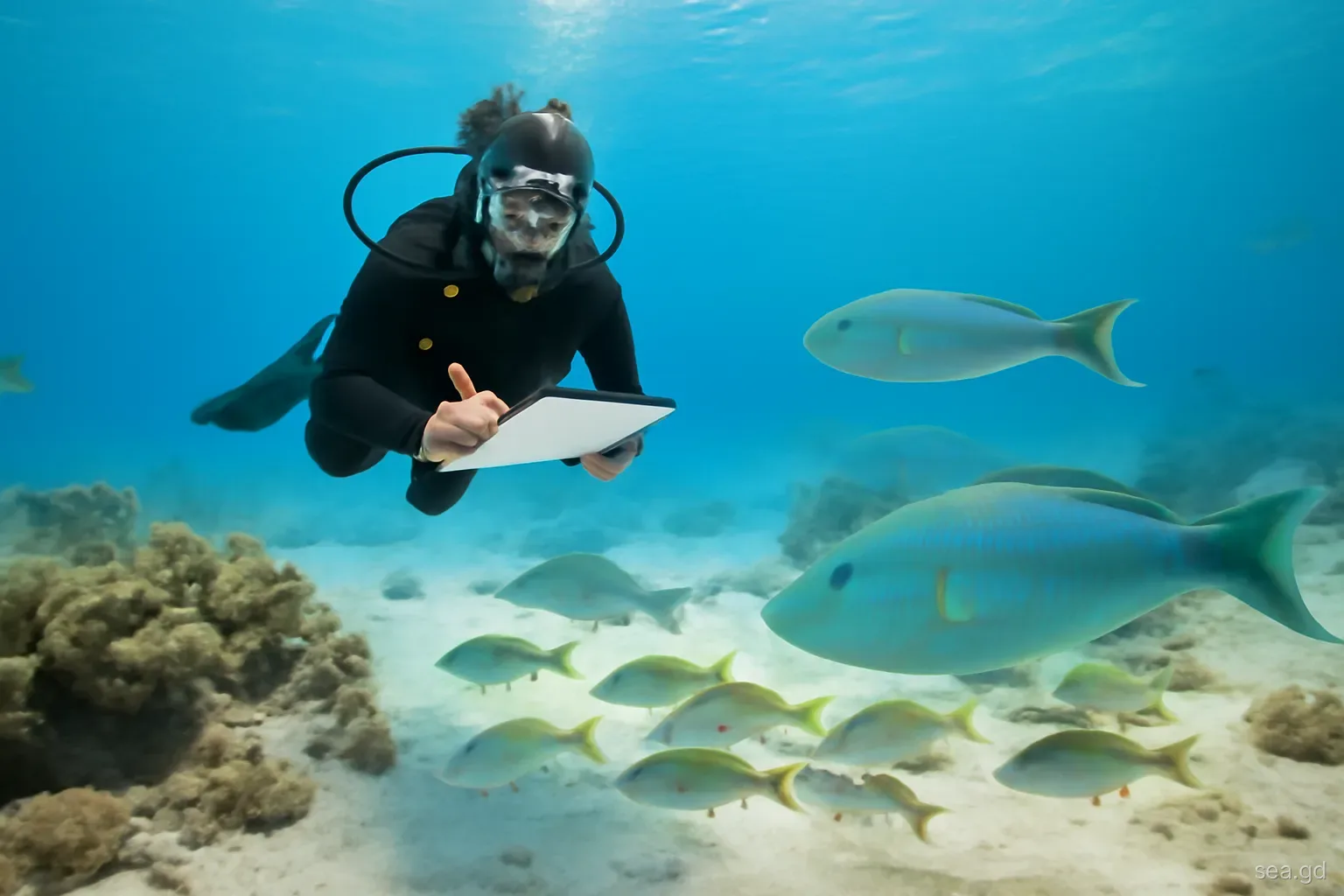
Scientists cannot be underwater on every reef every week, but divers, snorkellers, sailors and beach walkers are. Across the Caribbean, observations collected by trained volunteers fill large gaps in what is known about fish populations, coral health, turtle nesting and marine litter. Grenada and Carriacou are no exception, and both visitors and residents can contribute data that is genuinely used.
This guide outlines the main ways to take part, from structured fish surveys you can do on any dive to turtle-nesting patrols on Grenada's beaches, with notes on what makes data useful, how to avoid harming the animals you are studying and how to tell a real programme from a holiday activity dressed up as science.
Fish and reef surveys you can do on any dive
Roving fish surveys. The Reef Environmental Education Foundation, known as REEF, runs a long-standing volunteer fish survey programme in which divers and snorkellers record every species they can identify during a dive, with an estimate of abundance. Results go into a large public database used by researchers and managers. Volunteers start at a basic level and progress through identification tests, and surveys from Grenada add to a region where data are often thin.
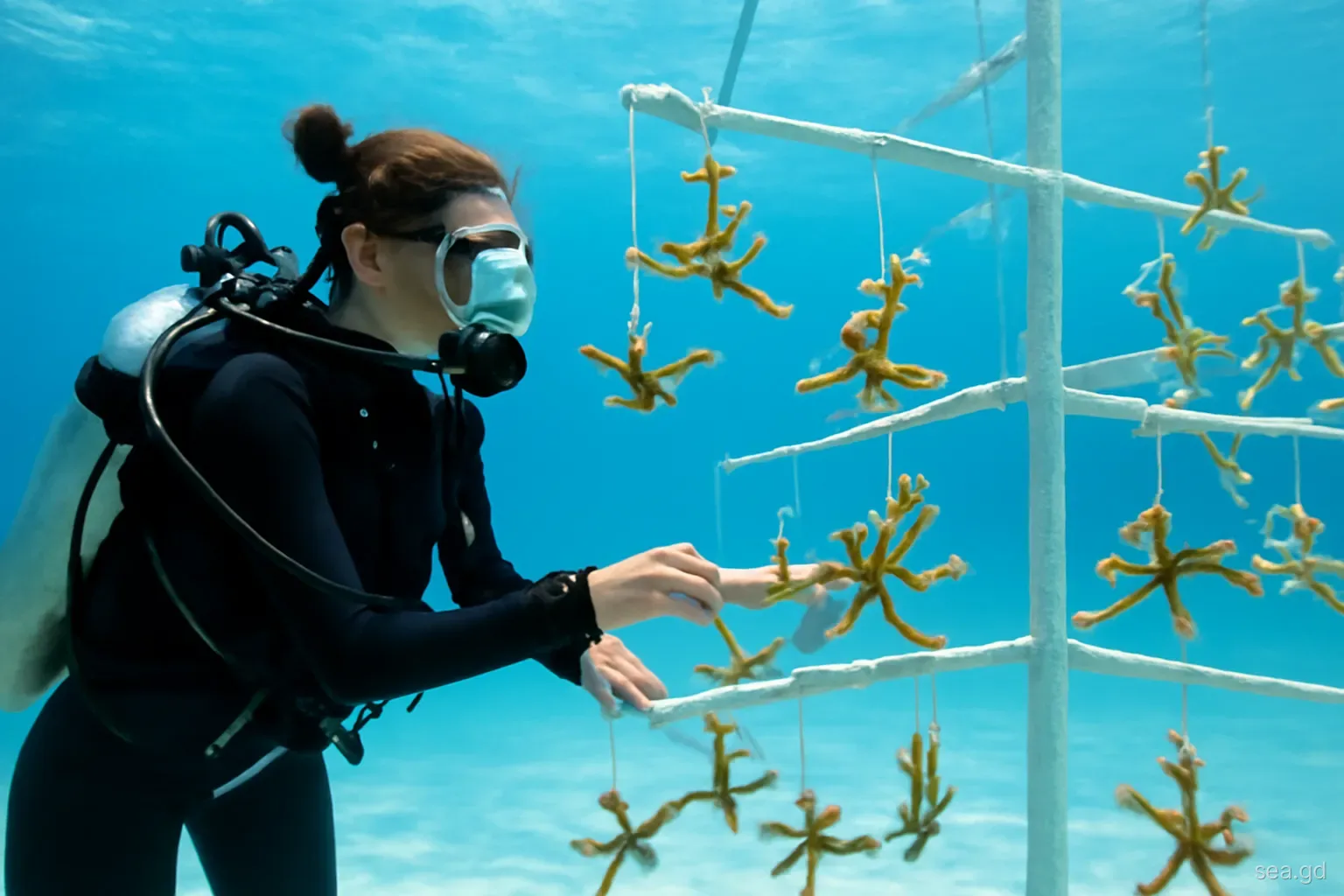
Reef Check surveys. Reef Check trains volunteers as EcoDivers to carry out standardised surveys of indicator fish, invertebrates and the composition of the reef bottom along fixed transects. It requires a training course and works best in teams linked to a local organisation or dive centre.
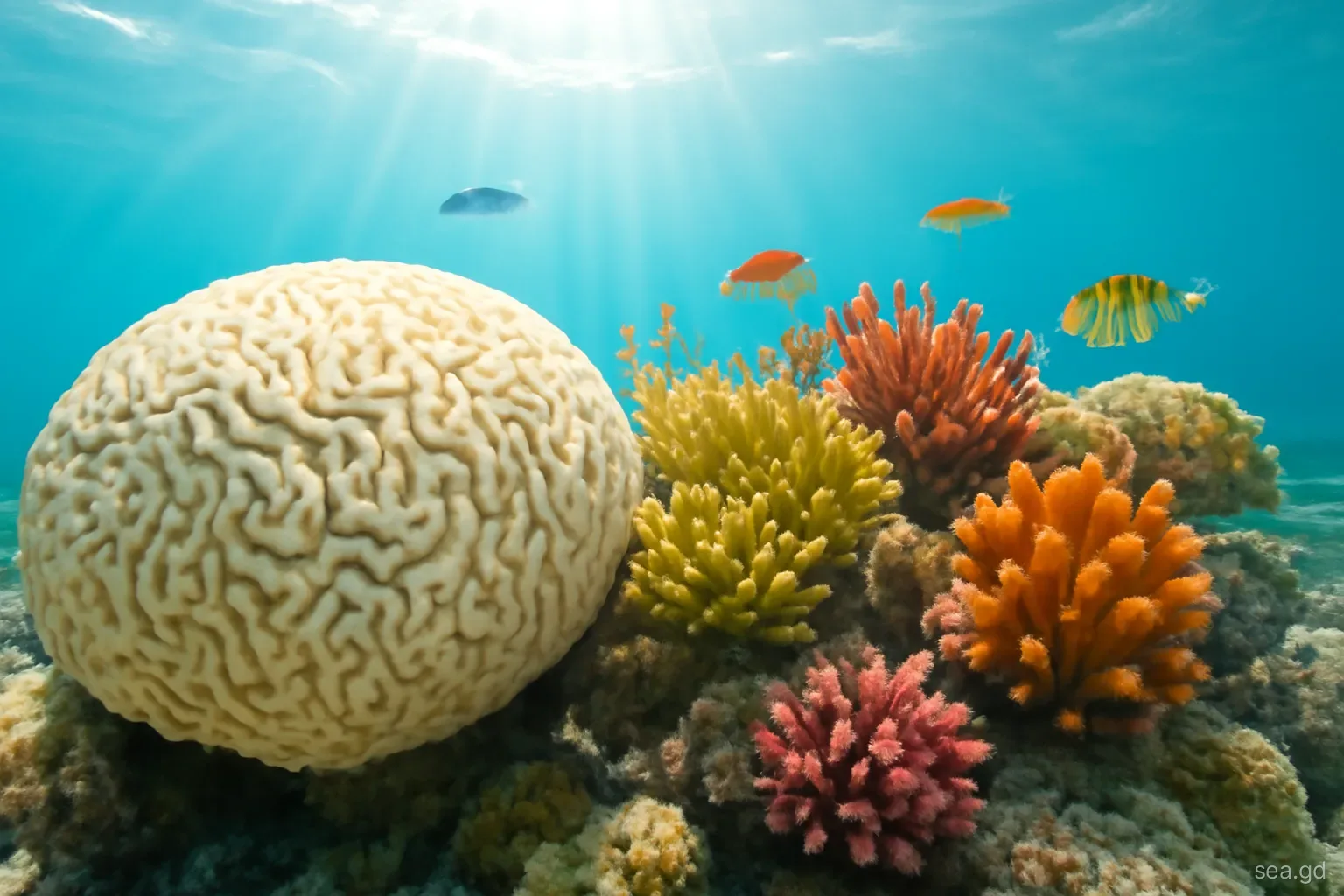
Coral health monitoring. Simple tools such as the CoralWatch colour chart let divers and snorkellers score coral colour, which tracks bleaching. Records made at the same sites over time are particularly valuable during warm-water events.
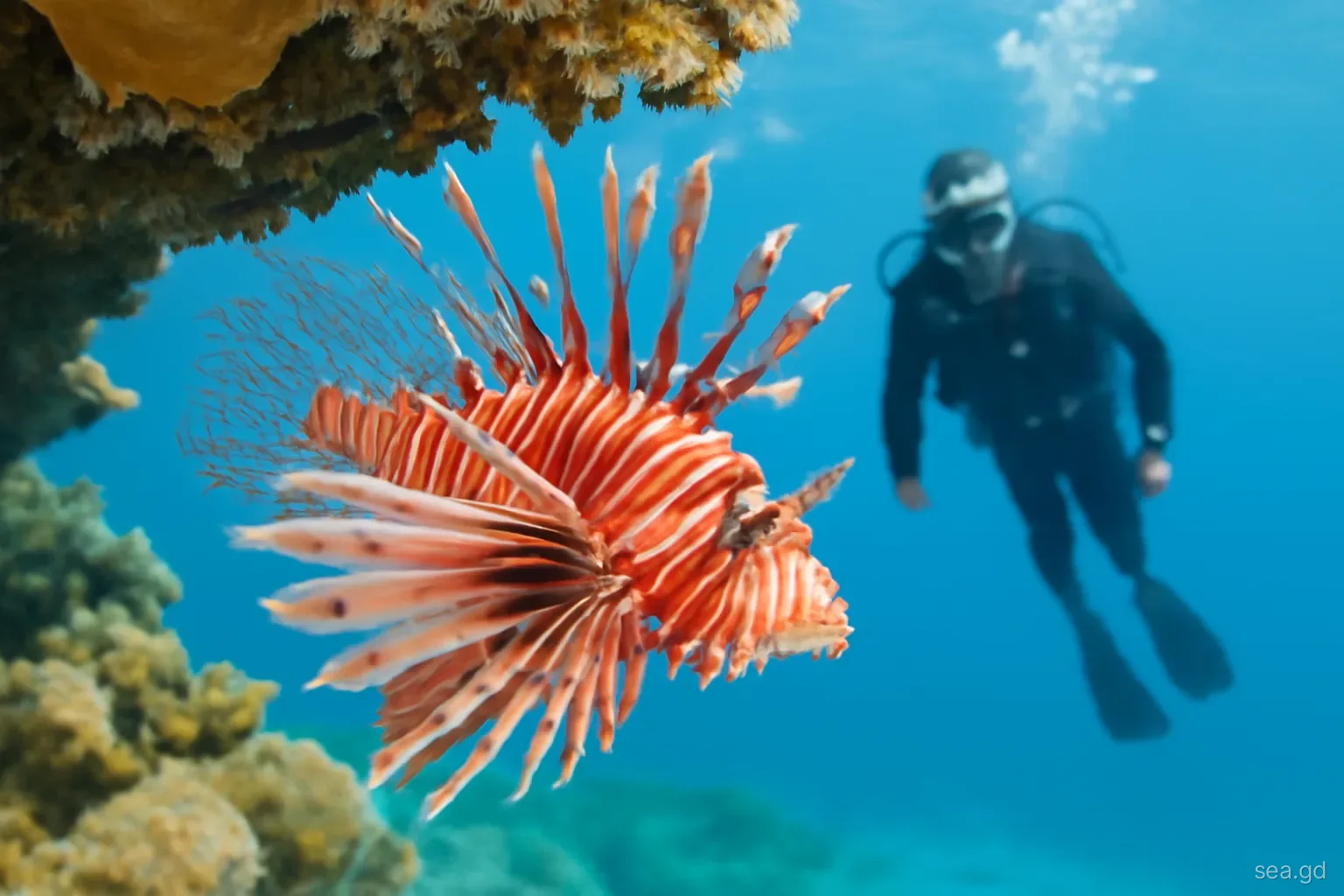
Photo records. Photographs of unusual species, diseased corals, lionfish or other invasive species can be logged on platforms such as iNaturalist, where experts confirm identifications. Note the date, site and depth for each record.
Reporting bleaching, disease and unusual events
When sea temperatures rise, as they did dramatically across the Caribbean in 2023, corals expel the algae that live in their tissues and turn pale or white. Early reports help managers understand which reefs are affected and how badly. If you see widespread pale or white coral, patches of dead tissue spreading across colonies or large numbers of dead sea urchins or fish, note the location, depth and date, take clear photographs and pass the information to your dive operator, the marine protected area rangers or the Fisheries Division.
Coral diseases, including the fast-moving stony coral tissue loss disease that has spread through much of the Caribbean over the past decade, are recognised by bands or blotches of freshly exposed white skeleton next to living tissue. A sudden die-off of long-spined sea urchins was also reported across the eastern Caribbean in 2022. Observations of either from visitors and dive guides can help scientists track their spread.
Accuracy matters more than volume. A single well-documented report, with photographs and precise location, is worth more than many vague ones. If you are not sure what you are seeing, say so.
Timing helps as well. Bleaching usually develops late in the summer and early autumn, so observations from August to November are particularly useful, and repeat visits to the same site a few weeks apart show whether corals are recovering or dying. Many dive guides in Grenada keep informal notes on the sites they visit every day, and pooling those observations with visitor reports gives managers an early picture of a developing event.
Turtle-nesting patrols and turtle watching
Leatherback turtles, the largest of all sea turtles, nest on several of Grenada's beaches, with Levera Beach in the north-east the best known. The main nesting season runs from roughly March to July, with hatchlings emerging into late summer. Hawksbill and green turtles also nest in smaller numbers on Grenada and Carriacou, and hawksbills feed on the reefs year-round.
Ocean Spirits, a Grenadian conservation organisation, has worked on leatherback monitoring at Levera and elsewhere for many years, combining night patrols, tagging, data collection and community education. In Carriacou, the KIDO Foundation has worked on turtle conservation alongside other environmental projects. Both have offered volunteer and visitor opportunities at various times, sometimes requiring a minimum stay. Programmes and arrangements change, especially after Hurricane Beryl in Carriacou, so contact organisations directly well before travelling.
Guided turtle-watching nights let visitors see nesting without joining a full volunteer programme. Go only with an organised group, because nesting beaches are sensitive and unsupervised visits disturb turtles.
Rules for turtle nights
Nesting turtles are easily disturbed, and a turtle that abandons its nesting attempt may return to the sea without laying. Good programmes enforce simple rules:
- No white lights or camera flash. Guides use dim red light, which disturbs turtles less.
- Stay behind the turtle, out of her line of sight, and keep the group quiet.
- Never touch the turtle, sit on her or block her path back to the sea.
- Wait for the guide's signal before approaching; a turtle that is still digging is most easily disturbed.
- Do not handle hatchlings or carry them to the sea; their crawl across the sand matters for orientation.
- Avoid building beach fires or leaving holes in the sand on nesting beaches; both trap or confuse hatchlings.
Beach clean-ups and marine litter data
Litter washes up on Grenada's windward beaches from across the Atlantic, and local rubbish reaches the sea from drains and rivers after heavy rain. Beach clean-ups organised by schools, community groups, dive centres and conservation organisations remove some of it, and when volunteers record what they collect by category, the data help identify sources and support policy.
Many clean-ups follow the methods of the International Coastal Cleanup, held each September worldwide, recording items such as plastic bottles, caps, food wrappers, fishing gear and foam. Grenada has introduced restrictions on some single-use plastics and polystyrene food containers in recent years, and litter data help show whether such measures are working.
If you join a clean-up, wear gloves and closed shoes, take care with broken glass and fishing hooks, and leave natural debris such as seaweed and driftwood, which are part of the beach ecosystem. Sargassum, which arrives in large mats on the east coast in some years, is usually handled separately because of its volume.
Sailors, fishers and boat crews as observers
Not all useful observations come from beneath the surface. Yacht crews crossing between Grenada, Carriacou and the Grenadines regularly see dolphins, whales, turtles and floating sargassum, and simple logs of species, positions, dates and times can contribute to regional marine mammal and sargassum records. Some cruisers keep notes for international sighting databases; others simply share photographs with local conservation groups.
Fishers and boat operators see changes first: shifts in where fish are found, the arrival of sargassum, unusual die-offs or the spread of lionfish into new areas. Several Caribbean research projects now work with fishing communities to record this knowledge systematically, and in Grenada, the Fisheries Division collects landing data that, combined with fishers' observations, paints a picture of the health of the nearshore fishery.
For residents, joining a local environmental group is the most direct way to stay involved over time. Long-term records from the same sites, gathered year after year, are precisely what short-term visitors cannot provide.
Choosing a programme, and pitfalls to avoid
Good citizen science has a clear purpose, a standard method, training and a destination for the data. Before joining any programme, ask who uses the data, how volunteers are trained and how the results have been used. Established international programmes and recognised local organisations can answer these questions easily.
Be cautious of paid "volunteer" experiences that offer close contact with animals, such as holding turtles or hatchlings for photographs. Responsible programmes minimise handling and keep it to trained staff. Also be realistic about what a short visit can contribute: a week of careful fish surveys is useful, while a single dive with a slate is mainly educational.
Finally, respect the people who live with these resources. Fishers, boat operators and coastal residents often know more about local changes than any survey, and the best programmes in Grenada work with them rather than around them.
Frequently asked questions
Can visitors take part in reef surveys in Grenada?
Yes. Divers and snorkellers can record fish sightings through the REEF volunteer survey programme on any dive, and trained volunteers can join structured surveys such as Reef Check where local teams run them. Ask dive centres which programmes they support.
When is turtle nesting season in Grenada?
Leatherbacks nest mainly from around March to July, with hatchlings emerging into late summer. Levera Beach is the best-known nesting site. Hawksbills and green turtles nest in smaller numbers at various times of the year.
How do you join a turtle watch in Grenada?
Contact conservation organisations such as Ocean Spirits on the main island or the KIDO Foundation in Carriacou well before travelling to ask about guided turtle nights or volunteer programmes. Never visit nesting beaches at night without an organised group.
What should be reported if coral looks white?
Note the location, depth and date, take clear photos and pass them to your dive operator, the marine protected area rangers or the Fisheries Division. Widespread white coral can mean bleaching, while sharp white bands next to living tissue may indicate disease.
Are beach clean-ups useful if rubbish keeps washing up?
Yes. Removing litter protects wildlife, and recording what is collected helps identify where it comes from. That information supports measures such as Grenada's restrictions on some single-use plastics and helps target education.