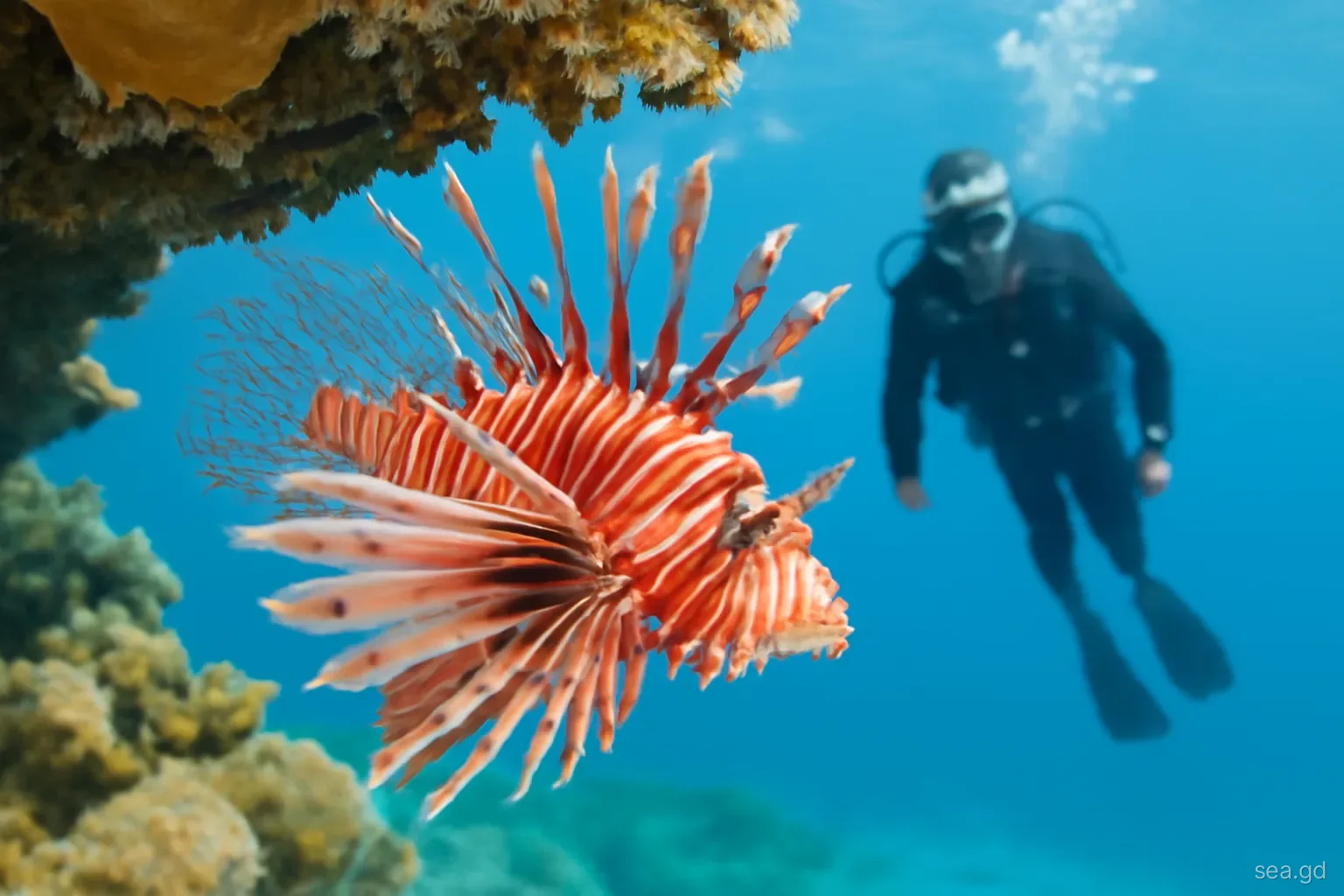
The lionfish is one of the most striking fish on a Grenadian reef, with bold red and white stripes and long, fanned fins. It is also one of the most damaging. Native to the Indian and Pacific oceans, lionfish spread through the Caribbean over a few decades after being introduced off Florida, almost certainly from the aquarium trade, and they have been established in Grenada's waters since the early 2010s.
With few natural predators and an appetite for small reef fish, lionfish can reduce the number of young fish on a reef remarkably quickly. The Caribbean response has been to remove them: culling by trained divers, encouraging fishers to land them and persuading diners to eat them. This guide explains the problem, how control works in Grenada and what divers, snorkellers and diners need to know, including what to do if stung.
How lionfish took over the Caribbean
Lionfish were first reported in the western Atlantic off Florida in the 1980s. By the early 2000s they were established along the south-eastern United States and in the Bahamas, and over the following decade they spread throughout the Caribbean, carried as eggs and larvae by ocean currents. The southern Lesser Antilles, including Grenada, were among the last areas to be reached.
Several features made them so successful. Females spawn frequently, releasing floating egg masses every few days throughout the year, so a single fish can produce very large numbers of eggs. Lionfish tolerate a wide range of depths, from shallow seagrass to deep reef far beyond recreational diving limits. And Caribbean reef fish did not recognise them as predators, so prey did not flee.
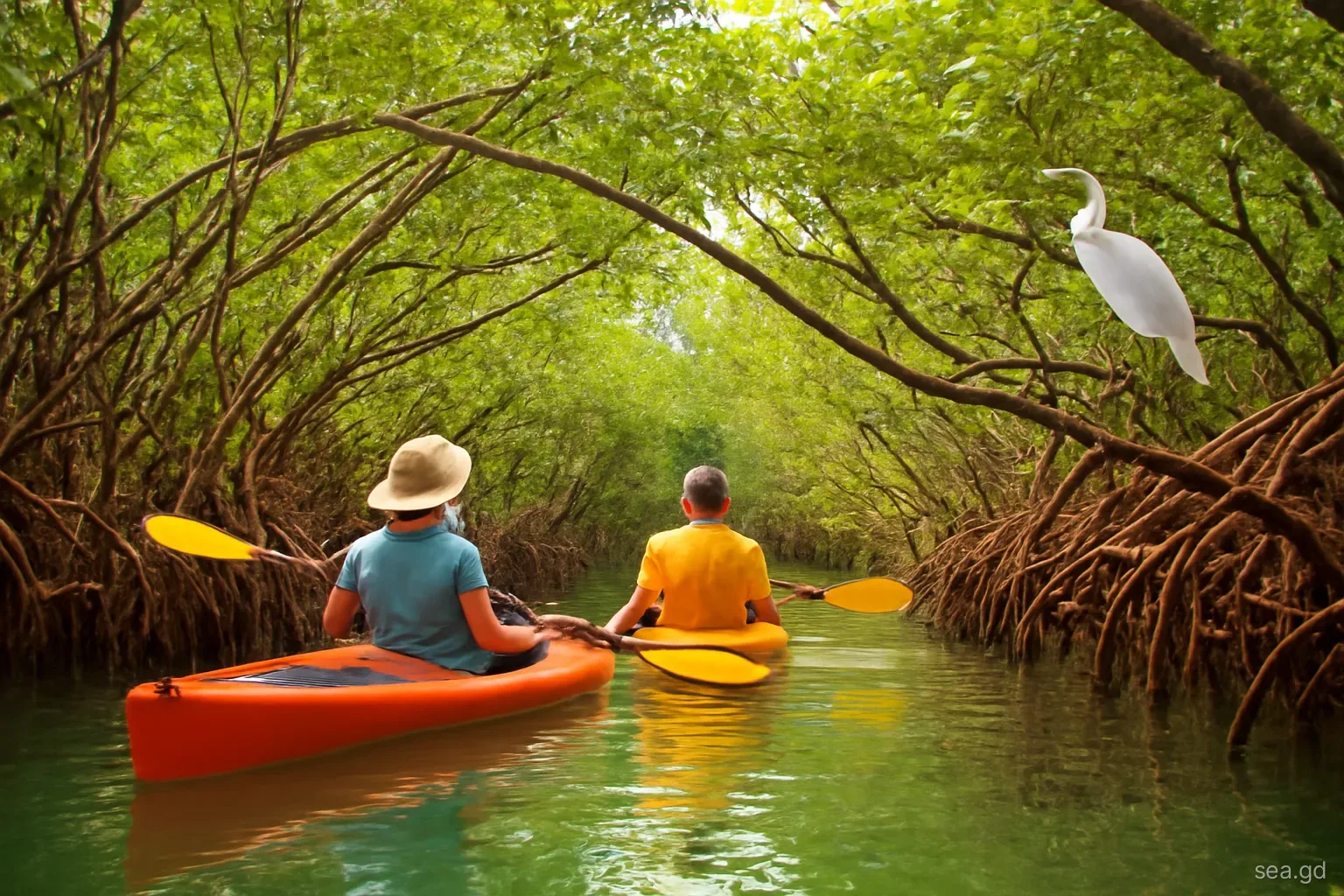
Today lionfish are found on reefs, wrecks, seagrass beds and mangroves around Grenada and Carriacou. Numbers vary from site to site, depending in part on how much culling takes place.
Grenada's location, close to the South American mainland and in the path of westward-flowing currents, means that larvae from elsewhere in the region keep arriving. Even a reef cleared of lionfish by divers will be recolonised over time, which is why control has to be continuous rather than a one-off effort.
Why lionfish are a problem for reefs
Voracious predators. Lionfish eat small fish and crustaceans, including the young of species such as snapper and grouper that are important to fishers. They hunt by cornering prey with their spread fins and swallowing it whole.
Few predators. In their native range, lionfish populations are kept in check by predators, parasites and disease. In the Caribbean, few local predators take them regularly, although groupers and moray eels occasionally do.
Knock-on effects for coral. By eating parrotfish and other grazing fish when young, lionfish can indirectly allow algae to spread over reefs already stressed by bleaching and disease.
Pressure on fisheries. Fewer juvenile reef fish means fewer adults for fishers later, adding to pressure on species that are already heavily fished.
Deep refuges. Because lionfish live well below recreational diving depths, removing them entirely is impossible. Control focuses on keeping numbers low on reefs that matter most.
How culling works in Grenada
Most lionfish control in the Caribbean is done by divers using pole spears, short spears propelled by an elastic band, with a protective container to hold the catch and keep spines away from the diver. Culling requires training, good buoyancy and care, because a poorly aimed spear can damage coral and a careless diver can be stung.
In Grenada, spearfishing is regulated, and rules are stricter in the marine protected areas. Lionfish culling within protected areas is typically carried out by authorised dive centres, rangers and trained volunteers under arrangements with the Fisheries Division, rather than by individual visitors. Some dive centres have offered lionfish awareness or culling specialty training, which teaches safe handling, spear technique and rules. Ask before you go, and never bring your own spear onto a dive without checking that it is permitted.
Fishers also catch lionfish in traps and on lines, and in many Caribbean islands, including Grenada, efforts have been made to build a market so that landing lionfish is worthwhile for them.
Lionfish on the menu
Eating lionfish is one of the few ways diners can directly help a reef. The flesh is white, firm and mild, often compared to snapper or hogfish.
- It is safe to eat when properly prepared. The venom is in the spines, not the flesh. Once spines are removed or the fish is filleted, it is handled like any other fish, and cooking destroys any residual venom.
- Where to find it. Some restaurants and beach bars in Grenada serve lionfish when they can get it, often as fried fillets, ceviche, fish tacos or a catch of the day. Availability depends on catches, so ask.
- Buying from fishers or markets. If you buy whole lionfish to cook yourself, handle with thick gloves or have the seller remove the spines first.
- Ciguatera. Like many reef predators, lionfish in some parts of the Caribbean have occasionally been associated with ciguatera, a form of fish poisoning. Buy from local sources familiar with the fish and the area.
- Choosing it over overfished species. Ordering lionfish instead of grouper or other heavily fished reef species reduces pressure on those fish while removing an invader.
If you are stung by a lionfish
Lionfish stings are extremely painful but rarely dangerous to healthy adults. Most occur when divers or fishers handle the fish, or when someone puts a hand under a ledge without looking. The usual first aid is:
- Get out of the water and remove any visible spine fragments carefully, without squeezing the wound.
- Immerse the affected area in hot water, as hot as the person can tolerate without scalding, for thirty to ninety minutes. Heat breaks down the venom and usually eases the pain. Test the temperature with an unaffected hand, because the injured area may not judge heat accurately.
- Clean the wound with soap and fresh water once the pain eases, and keep an eye on it for signs of infection over the following days.
- Seek medical care if pain is severe or persistent, if there are signs of an allergic reaction, breathing difficulty or dizziness, or if spines remain in the wound. In an emergency, call 911. The General Hospital in St George's and Princess Royal Hospital in Carriacou provide emergency care.
- Tell your dive operator or crew immediately; many boats carry materials for exactly this situation.
What divers and snorkellers should know
Lionfish are not aggressive. They tend to hover still under ledges, in crevices and around wrecks, and they do not attack people. Stings almost always happen through contact: reaching into holes, steadying yourself on the reef without looking or handling a speared fish. Keep hands to yourself, maintain good buoyancy and you are unlikely ever to be stung.
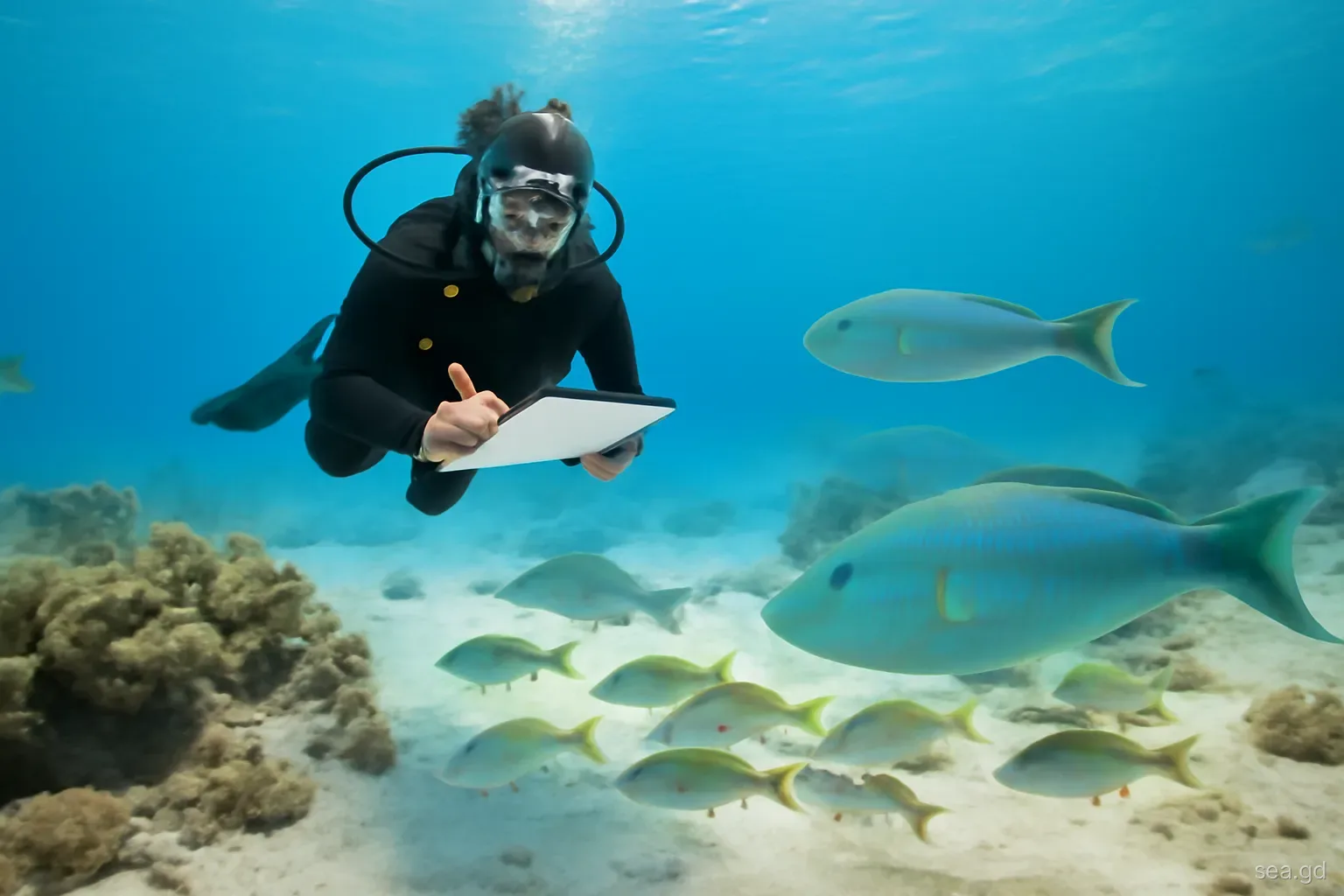
Divers sometimes report lionfish to guides, and on some trips guides log sightings to direct culling effort. Noting the site, depth and approximate number of lionfish seen is a simple contribution to control efforts, and photographs logged on citizen science platforms help track their distribution.
Do not feed lionfish to other fish. Some divers in the region tried feeding speared lionfish to sharks and groupers in the hope of teaching predators to hunt them. The practice made predators bold and pushy around divers without evidence of controlling lionfish, and responsible operators avoid it.
Finally, keep expectations realistic. Culling will not remove lionfish from the Caribbean, because populations in deep water continually resupply shallower reefs. Studies around the region have shown, however, that regular removal on a given reef can keep numbers low enough for native fish to recover. That is why sustained, local effort, repeated month after month on the reefs that matter most for tourism and fisheries, is more useful than occasional large culls.
Frequently asked questions
Are lionfish dangerous to swimmers in Grenada?
Not if left alone. Lionfish are not aggressive and stay near ledges and crevices. Stings happen through contact, usually when someone handles a fish or reaches into a hole without looking. Keep hands off the reef and you are very unlikely to be stung.
Is it safe to eat lionfish?
Yes. The venom is only in the spines, and properly cleaned lionfish is a firm, mild white fish. Buy from local fishers or restaurants familiar with it, and if preparing it yourself, have the spines removed first or use thick gloves.
Can visitors spear lionfish in Grenada?
Spearfishing is regulated, and culling inside marine protected areas is generally carried out by authorised dive centres, rangers and trained volunteers. Ask dive operators whether they offer supervised culling or training rather than bringing your own spear.
What is the first aid for a lionfish sting?
Remove visible spine pieces, then immerse the area in hot water, as hot as tolerable without scalding, for thirty to ninety minutes. Clean the wound and seek medical care if pain persists, symptoms spread or there are signs of an allergic reaction.
When did lionfish arrive in Grenada?
Lionfish reached the southern Lesser Antilles, including Grenada, late in their spread through the Caribbean and have been established in Grenadian waters since the early 2010s. They are now found on reefs, wrecks, seagrass and mangroves around the islands.