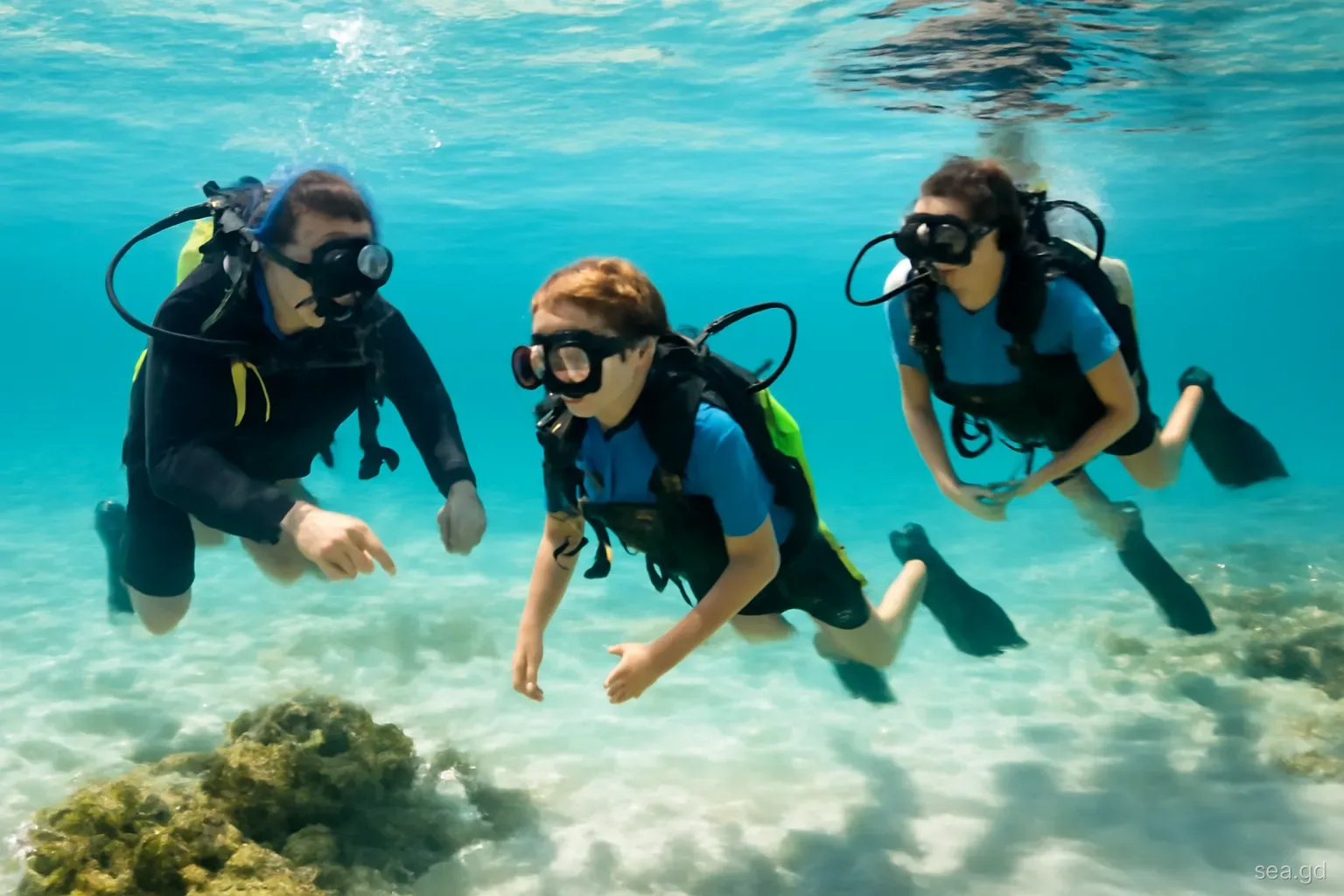
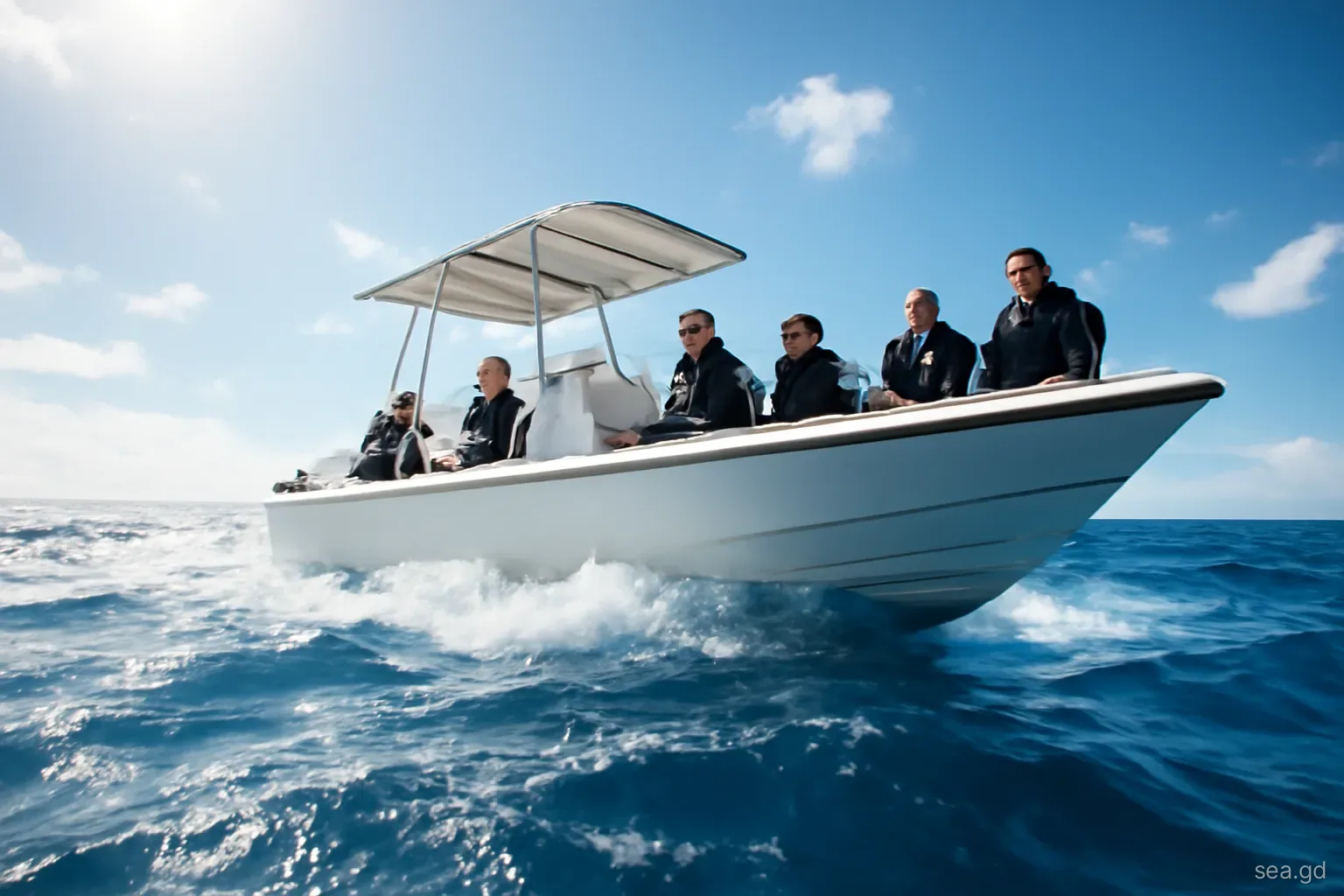
Most diving in Grenada happens on the sheltered Caribbean side, off the south-west and west coasts, where boat rides are short and the sea is usually calm. A smaller set of dives lies on the Atlantic side, off the island's south and south-east, where the ocean swell and stronger currents make conditions more demanding. Among them are wrecks such as the King Mitch, a former minesweeper, and the Hema 1, a freighter, both lying around 30 metres or deeper.
These dives are popular with experienced divers because they often bring more big-animal encounters and a sense of open-ocean diving that the leeward reefs lack. They are also weather-dependent, less frequently scheduled and unforgiving of weak buoyancy or poor current skills. This page explains what makes the Atlantic side different, what operators expect, and how to decide whether it is for you.
Why the Atlantic side is different
The trade winds blow from the east across thousands of miles of ocean, and the swell they build reaches Grenada's eastern and south-eastern shores at full strength. The Caribbean side lies in the lee of the island, protected from that swell. The difference is obvious on the surface: a calm, flat sea off Grand Anse can coincide with whitecaps and a rolling swell a few miles to the south-east.
Below the surface, the open-ocean currents of this part of the Caribbean run past the island's southern points, and they can be strong and changeable on Atlantic-facing sites. Visibility can be excellent on clear days, with blue open water, but it can also drop when the swell stirs up sediment or after heavy rain.
The boat ride is part of the dive. Reaching Atlantic sites typically means a longer run out from the south coast, in a sea that can be choppy. People prone to seasickness should take precautions well before departure, not on the boat.
The main sites
King Mitch. A former minesweeper lying on its side in roughly 30 to 35 metres, the King Mitch is one of the best-known Atlantic-side wrecks. Its exposed position means current is common, and the open water around it can bring eagle rays and other larger species.
Hema 1. A cargo freighter sitting at about 30 metres, the Hema 1 is another Atlantic-side wreck regularly visited by experienced divers. Like the King Mitch, it is usually dived in current and only on days when conditions allow.
Atlantic reefs and drifts. Operators also run reef and drift dives on the Atlantic-facing south coast when the sea permits. Site names and depths vary between operators, and the dives are often planned around the current on the day.
Seasonal availability. Because conditions are the deciding factor, Atlantic dives may be offered only on certain days or grouped into particular trips. Ask early in your stay if you want to do them, and be flexible.
What you might see
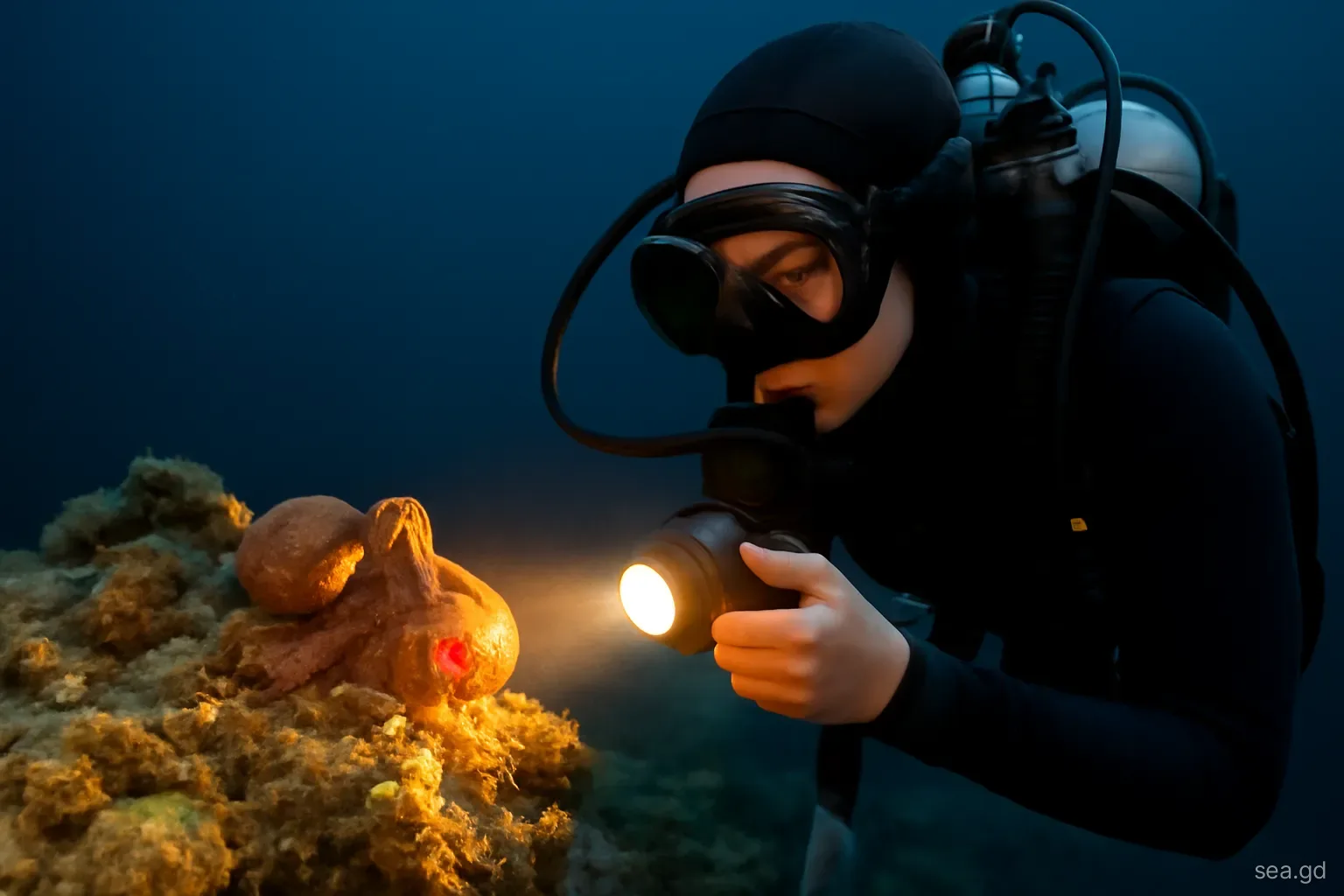
The appeal of Atlantic-side diving is partly the chance of larger animals. Spotted eagle rays are often reported around the exposed wrecks and reefs, cruising the current. Nurse sharks rest on the seabed or under wreckage. Schools of jacks, barracuda and other pelagic fish move through the open water, and turtles are seen on many dives around Grenada, including on this side.
Sharks such as Caribbean reef sharks are encountered occasionally on exposed sites in the region, though sightings are never guaranteed and should not be the reason to book a dive. Animal behaviour varies with season, current and chance.
The wrecks themselves carry sponges, corals and encrusting life, with fish sheltering in the structure. On a current-swept site, much of the attraction is the sense of movement: fish holding position in the flow, rays gliding past, and the feeling of being in open ocean rather than in a sheltered bay.
How a typical Atlantic-side dive runs
Procedures differ between operators and conditions, but the general pattern looks like this:
- A thorough briefing on the boat or at the dock explains the site, the expected current, the entry technique, the descent plan, the maximum depth, the turn pressure and the ascent procedure.
- Divers gear up fully before reaching the site, because a rolling boat makes last-minute adjustments difficult.
- Entry is often a negative entry: divers enter together with little or no air in their BCDs and descend immediately, so that the current does not separate the group at the surface.
- The group descends quickly to the wreck or reef, staying close to the guide, and uses the structure for shelter from the current.
- At the agreed time or pressure the group ascends, often drifting away from the site, and makes a safety stop in open water while one or more divers deploy delayed surface marker buoys.
- The boat follows the buoys and picks up divers, who should be ready to hand up equipment and climb the ladder in a moving sea.
Skills and preparation operators expect
Because conditions leave little margin, operators look for divers who can handle the following without help:
- Advanced certification and recent dives to around 30 metres, with logbook evidence.
- Confident buoyancy control, including quick descents without struggling to equalise and stable safety stops in open water.
- Comfort with drift diving and the ability to stay close to a group in current.
- Your own delayed surface marker buoy, reel or spool and audible signalling device, with the skill to deploy the buoy from depth.
- Good gas management: high consumption in current is common, and you need a plan that accounts for it.
- Physical fitness for boat entries and exits in swell, and resistance to seasickness, or medication taken in good time.
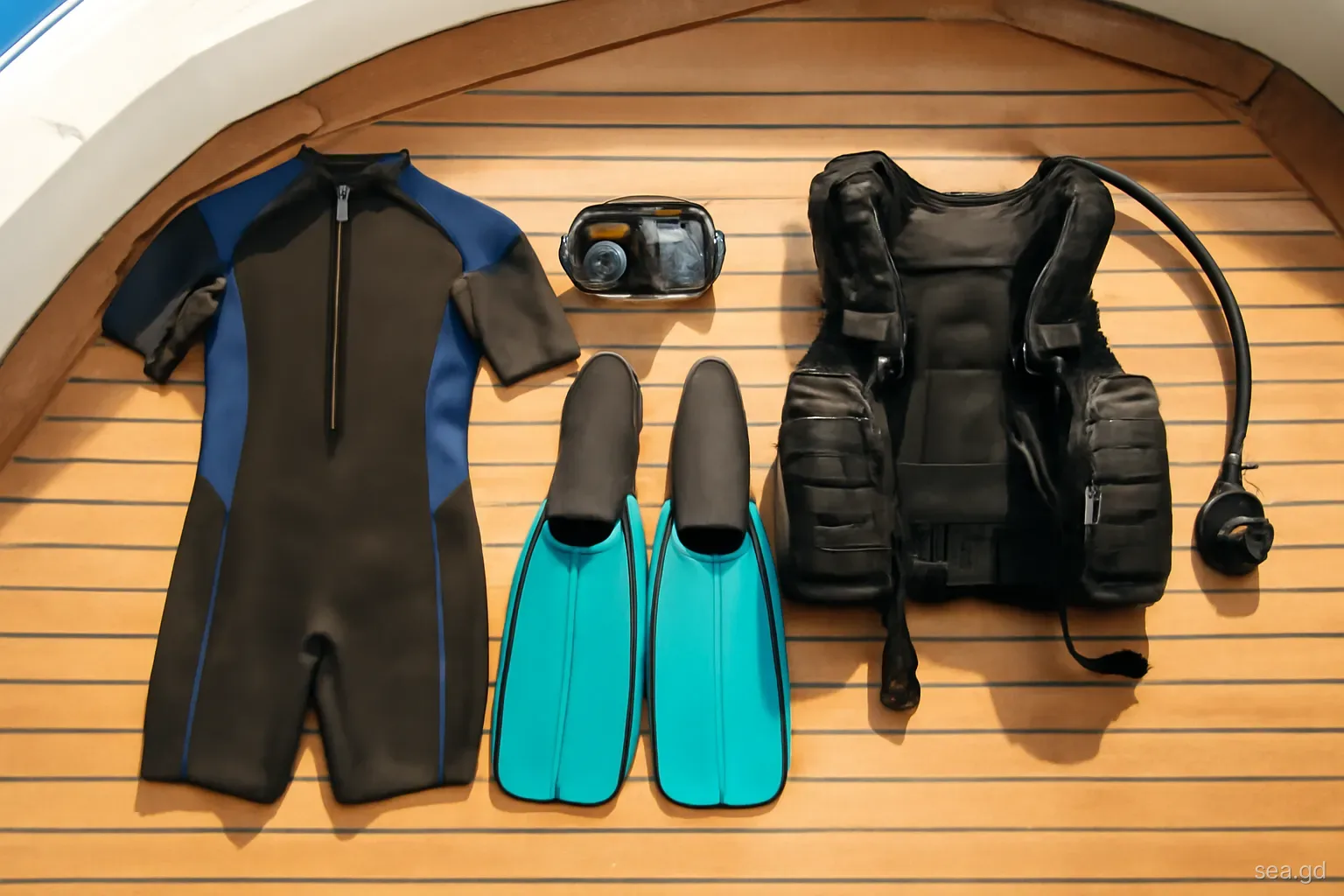
- A properly fitting mask and fins of your own, so that nothing slips or floods during a fast descent in moving water.
Fitting Atlantic dives into a dive week
Because Atlantic trips depend on the weather, they fit best into a week that starts on the Caribbean side. The first dives on sheltered reefs and shallow wrecks let you settle your weighting, check your equipment and show the operator how you dive. By mid-week you are better prepared, and you have several days to catch a suitable weather window.
Tell the operator on your first day that you are interested in the Atlantic sites. Many centres need a minimum number of qualified divers to run a trip, and they will group suitable divers when conditions look right. Being flexible about which day you go makes it far more likely that the trip happens.
Keep the deepest dives earlier in the day and earlier in the week, and leave the final day before your flight for shallow diving or none at all. Combining a deep Atlantic wreck with the Bianca C on consecutive days is a demanding schedule; spacing them out reduces nitrogen loading and fatigue.
Risks, mistakes and when to say no
The most common problem on Atlantic dives is separation. A diver who descends slowly, stops to adjust gear or drifts away from the group can be carried away by the current. The answer is to be ready before entry, descend with the group and stay close to the guide throughout.
The second problem is overexertion. Kicking hard against current at 30 metres raises gas consumption and carbon dioxide levels, increasing the risk of breathlessness and narcosis. Use the wreck or reef for shelter, move with the current where possible, and signal early if you are struggling.
Finally, know when to decline. If you have not dived recently, are new to drift diving, feel unwell or are uneasy about the conditions, choose a Caribbean-side dive instead. Operators will also cancel or switch sites when conditions are unsuitable. Neither is a failure; the Atlantic sites will still be there on a calmer day or another trip.
Frequently asked questions
How deep are the King Mitch and Hema 1 wrecks?
Both lie at around 30 metres or a little deeper, which puts them at the edge of advanced recreational limits. Exact depths vary with the part of the wreck visited. Operators usually require advanced certification and recent deep diving experience before including divers on these trips.
Are Atlantic dives in Grenada suitable for beginners?
No. The combination of depth, swell and strong current makes them suitable for experienced divers with advanced certification, confident buoyancy and drift-diving skills. Beginners and those returning after a long break should build experience on the Caribbean-side reefs and shallow wrecks first.
What is a negative entry in diving?
A negative entry means entering the water with little or no air in the buoyancy compensator so that you start sinking straight away. It is used on current-swept sites so the group descends together quickly instead of drifting apart on the surface. It requires good preparation and equalisation.
Do you see sharks on Grenada's Atlantic side?
Nurse sharks are reported fairly often and reef sharks occasionally, along with eagle rays, turtles and schooling fish. Encounters are never guaranteed and vary with current, season and chance. Shark sightings should be treated as a bonus rather than the reason for choosing a dive.
Why are Atlantic dives cancelled so often?
Swell, wind and current on the Atlantic side can make boat rides, entries and pick-ups unsafe. Operators cancel or switch sites when conditions exceed safe limits. Building flexibility into your trip and asking early about Atlantic dives increases your chances of doing them.