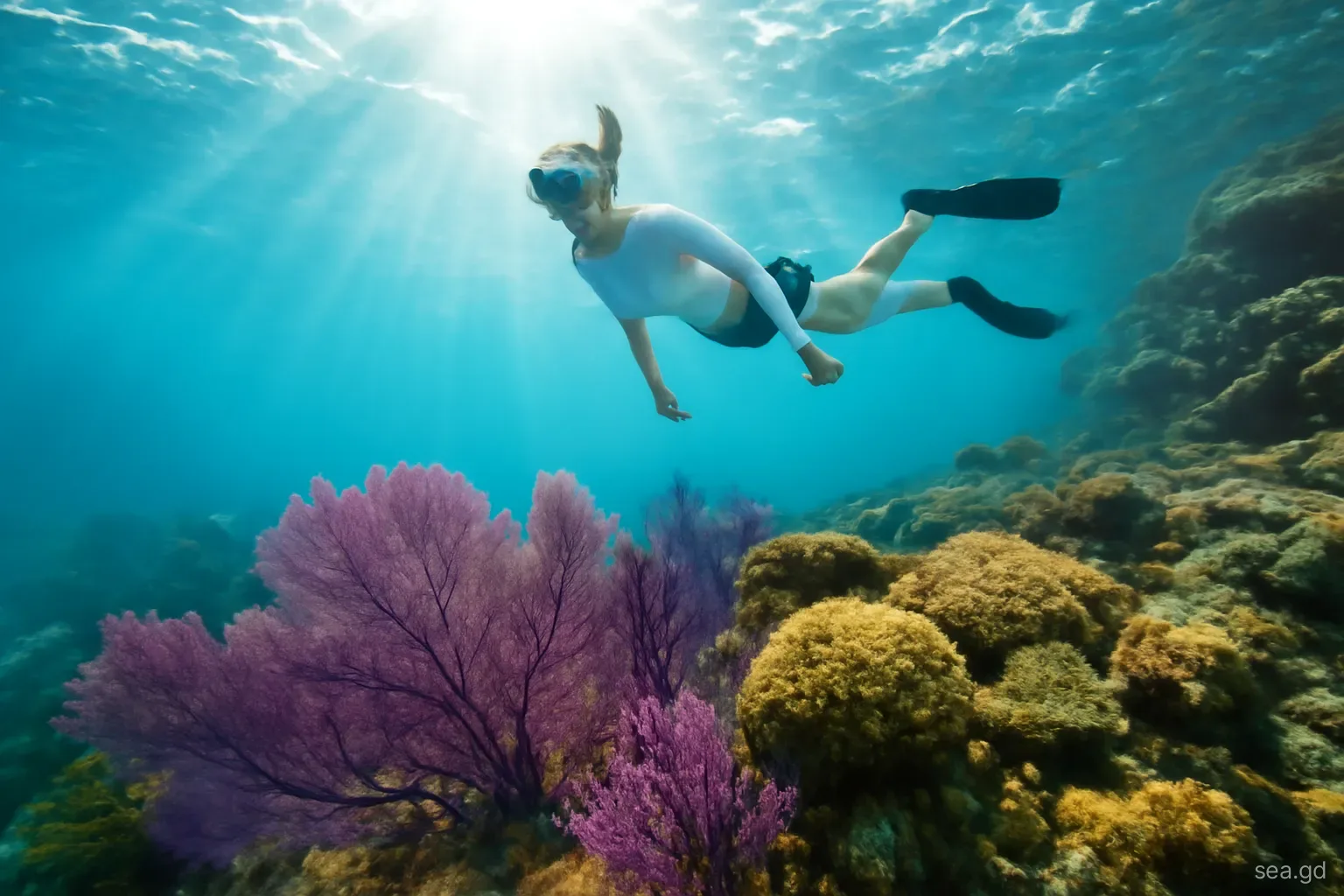
North of St George's, the coast road climbs past Grand Mal and the coastline turns rocky, steep and quiet. This is where Grenada's best reef snorkelling sits: a string of small bays around Molinière Point where the land plunges straight into clear water and the reef starts within a few strokes of the rocks. Most visitors know the area only for the underwater sculptures, but the natural reef in the neighbouring bays is the reason many local guides consider it the island's finest snorkelling.
Dragon Bay and Flamingo Bay lie within the Molinière-Beauséjour Marine Protected Area, established to protect this stretch of coast from overfishing, anchor damage and pollution. That protection shows: fish life is noticeably richer here than on unprotected reefs further south. This page covers what each bay is like underwater, how to get there, and the rules and conditions that shape a good visit.
Why this stretch of coast is different
Grenada's west coast is the leeward side of the island. The north-east trade winds blow across the mountains, so the Caribbean side is usually sheltered from wind waves for most of the year. Around Molinière Point the seabed drops quickly, and the combination of shelter, clear oceanic water and rocky substrate gives corals and sea fans something solid to grow on.
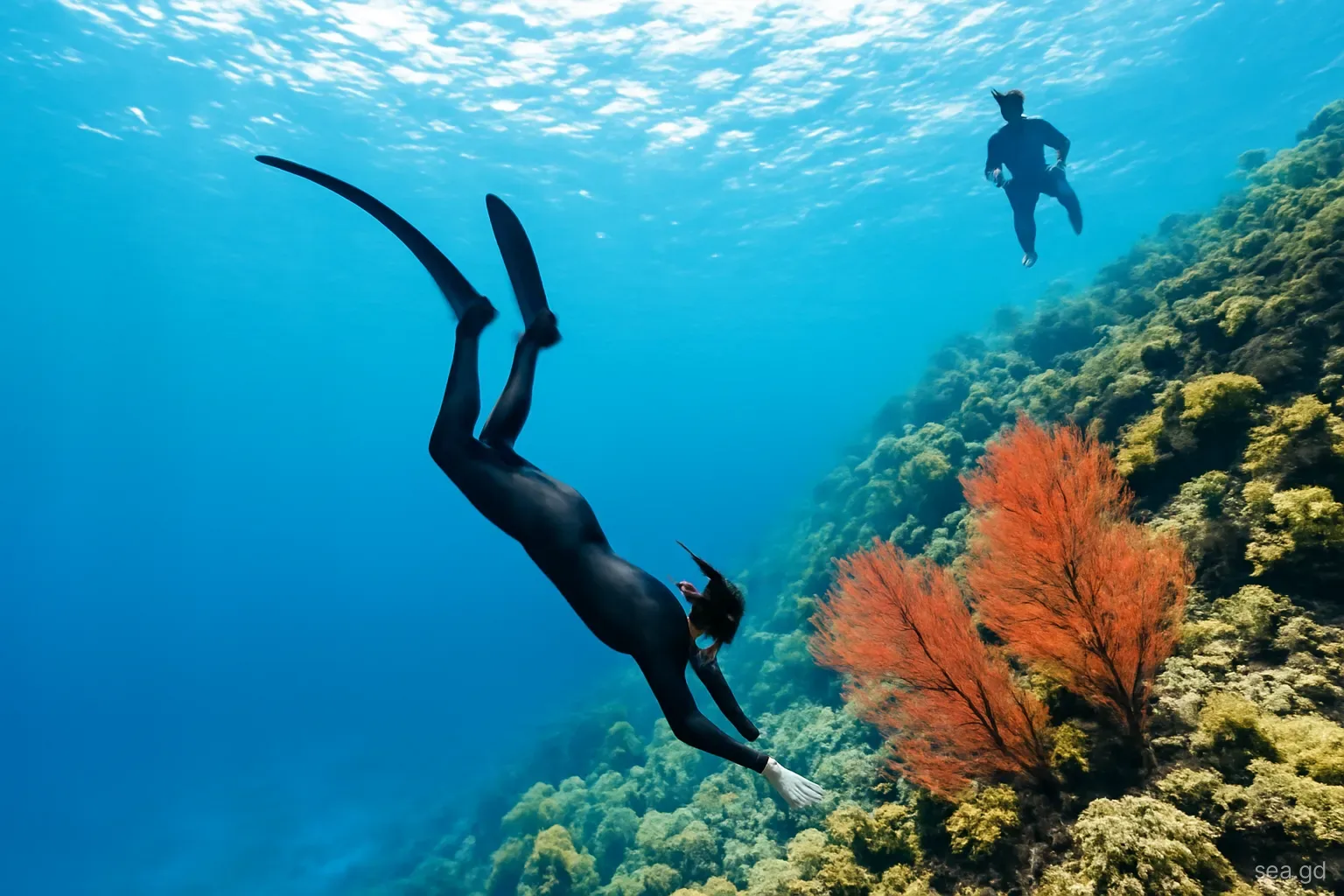
The reefs here are fringing reefs and rocky slopes rather than a classic barrier reef. Expect boulders and ledges covered with brain coral, star coral, encrusting sponges and forests of purple sea fans and sea rods that sway in the surge. Sand channels run between the rocky fingers. In the shallows, schools of blue tang, sergeant majors and chromis are common; with patience you may spot trumpetfish hanging head-down among sea rods, spotted drums under ledges, octopus in crevices and the occasional hawksbill turtle grazing on sponges.
Like most Caribbean reefs, these were hit by Hurricane Ivan in 2004 and Emily in 2005, and by coral bleaching events in warmer years since. Coverage of hard coral is patchy, and honest guides will say so. What makes the area worthwhile is the diversity and the abundance of fish, not pristine coral gardens.
The bays one by one
Grand Mal Bay. The closest to St George's, with a beach reachable from the main road. The bottom is largely sand near the beach, so snorkelling is best along the rocky edges, especially to the north. It is a decent introduction and a convenient stop if you have a car, but visibility can drop after heavy rain because runoff and the nearby harbour influence the water.
Molinière Bay. Home to the Underwater Sculpture Park. The sculptures attract the crowds, but the reef on the rocky point and along the edges of the bay is worth time in its own right. Boats tie up to moorings here, and tour groups can mean several boats at once in the middle of the day.
Dragon Bay. A small cove just north of Molinière, with a narrow beach and rocky walls on both sides. It is one of the few spots in the reserve that people sometimes reach on foot from the coast road, though the path and access can change and are best checked locally. The northern wall is the usual snorkel line: a slope of rocks, sea fans and sponges dropping into deeper blue water. It suits confident swimmers because the bottom falls away fast.
Flamingo Bay. Further north again and generally reached by boat. It is better known as a dive site, with a sloping wall that drops well below snorkelling depth, but the top of the reef in the shallows is excellent for snorkellers. Divers come here for small, cryptic creatures such as seahorses and frogfish, which snorkellers rarely see; what snorkellers do get is clear water over a healthy slope and plenty of reef fish.
Getting there: boat trip, water taxi or your own way
Most people snorkel this coast on an organised trip. Catamaran tours, small snorkel boats and dive centres from Grand Anse and the south coast run trips that combine the sculpture park with one or two of the neighbouring bays. The advantage is that the boat chooses whichever bay is calmest on the day and you enter the water directly over the reef. Ask which bays are on the itinerary; some trips spend most of their time at the sculptures and only briefly stop elsewhere.
Water taxis from the Carenage and Grand Anse can also be hired to drop you at a bay and pick you up later. Agree the price, the pickup time and the exact location before you leave, and make sure the driver knows you will be in the water rather than on the beach.
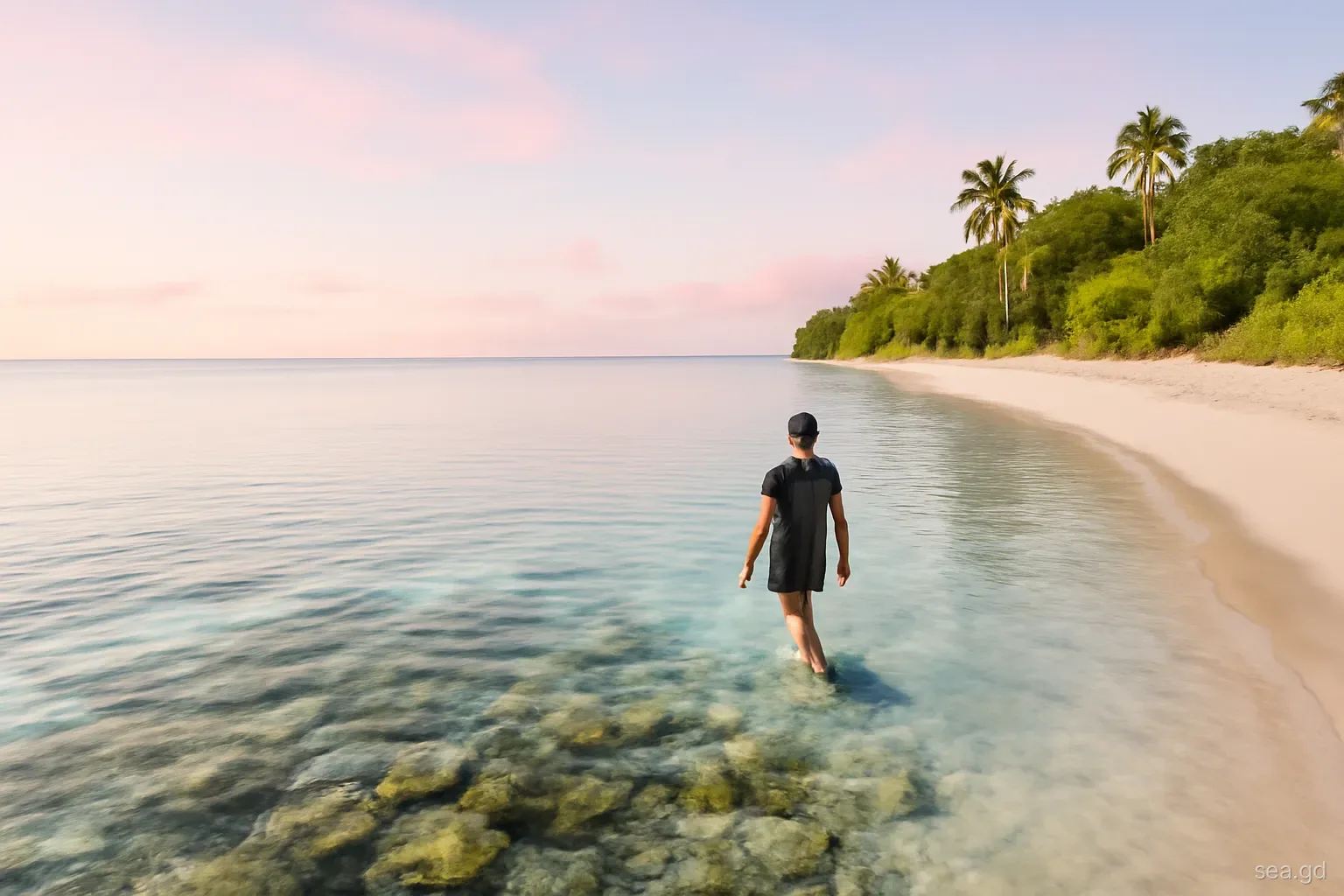
Reaching Dragon Bay or Grand Mal by road is possible with a car or a route bus heading north on the west coast road, but entries are over rocks and there are no facilities. Go with a companion, leave nothing valuable on the shore, and plan to be out of the water well before late afternoon when the light flattens and boat traffic heading home increases.
A practical middle way for keen snorkellers is to book one guided boat trip early in the stay, learn which bays the crew favour and why, and then return independently to the road-accessible spots on calm days. Whatever the method, start early: the bays are calmest and least crowded before the late-morning tour boats arrive, and the light is already high enough by nine o'clock to show colour on the reef.
Rules inside the marine protected area
The Molinière-Beauséjour MPA has its own regulations, enforced by wardens who patrol by boat. The details can be updated, so check with your operator or the MPA management, but the main expectations have been consistent for years:
- A user fee applies to snorkellers and divers. Tour operators normally collect it and include it in the price; independent visitors are expected to pay it too.
- No fishing, spearfishing or collecting of any kind, including shells, coral pieces and sea fans.
- Boats must use the installed moorings rather than dropping anchor on the reef.
- Do not stand on, touch or kick coral; keep fins up and away from the bottom.
- No feeding fish, which changes their behaviour and can harm the reef ecosystem.
- Take all rubbish back with you, including fruit peel and cigarette ends.
Conditions and the mistakes people make here
The west coast is sheltered, not immune. During the winter months a long northerly swell generated by storms far out in the Atlantic can wrap around the north of the island and roll into these bays, making rock entries dangerous and stirring up sand. Swell days are usually forecast in advance and boat crews know them well; if a crew says a bay is not workable, they are almost always right.
Currents can run along this coast, particularly off the points. Snorkel into the current first so that the swim back is with it, and stay close to the shoreline rather than drifting out over deep water. The drop-offs make it easy to lose track of how far from shore you have gone, because the bottom simply disappears into blue.
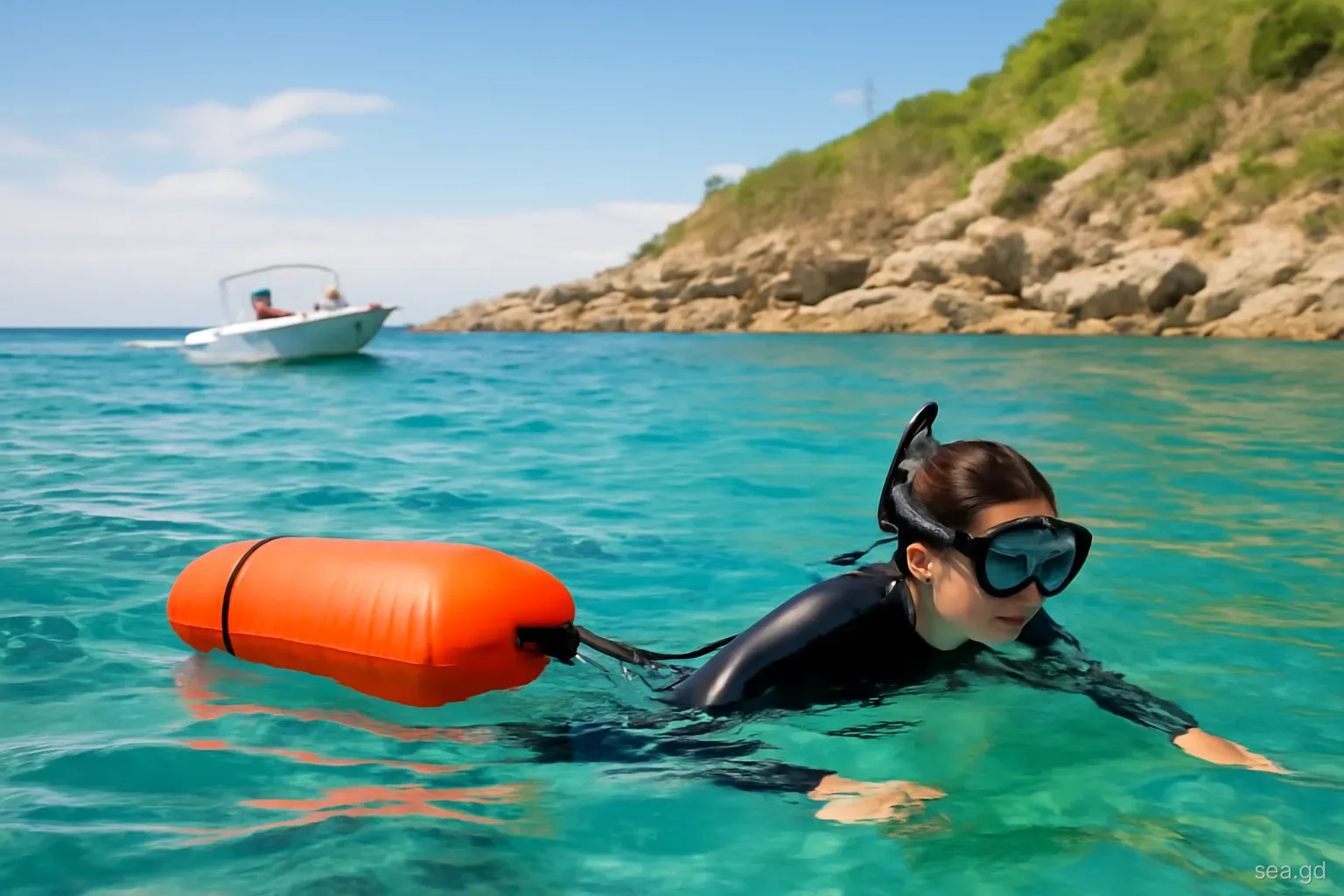
The other common mistake is ignoring boats. Dive boats, tour catamarans and water taxis move in and out of these small bays all day. Stay within the bay rather than crossing open water between bays, wear a bright cap or tow a surface buoy if you are not with a guided group, and look up every minute or so. Finally, the sun on the west coast is fierce after midday, and an hour face down over Flamingo Bay is enough to burn an unprotected back badly.
Frequently asked questions
Can you snorkel Flamingo Bay without a boat?
In practice, rarely. Flamingo Bay is generally accessed by sea, and there is no straightforward public path to the water. A snorkel or dive boat from the south coast, or a water taxi arranged from St George's, is the usual way in. Dragon Bay and Grand Mal are easier to reach by road.
Is Dragon Bay suitable for beginners?
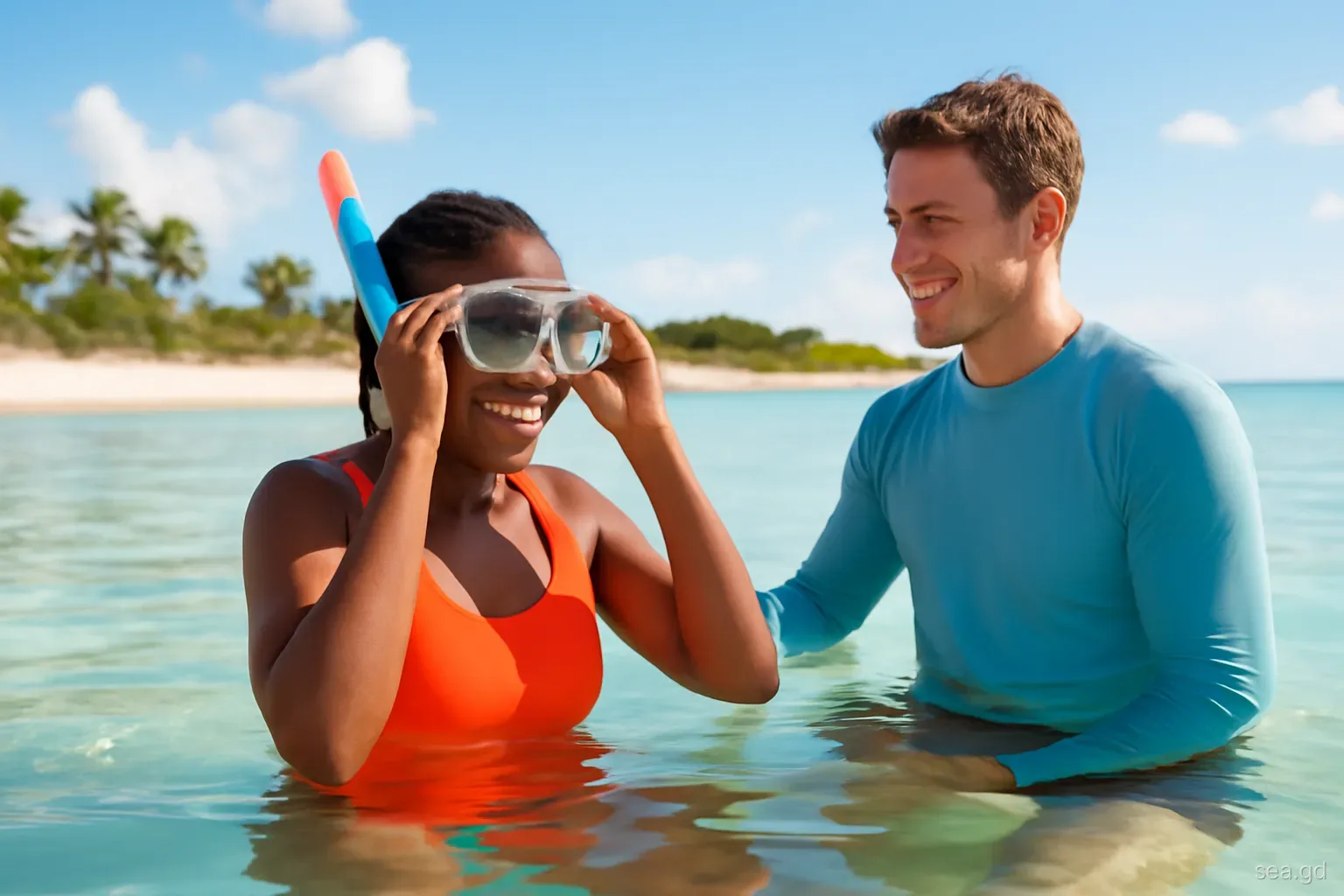
It is better for confident swimmers. The entry from shore is over rocks and the bottom drops away quickly, so you are soon over deep water. Beginners usually enjoy it more from a boat with a guide and a flotation vest, or should practise first in a gentler spot such as Morne Rouge Bay.
How much is the marine protected area fee?
The fee is modest and is set by the MPA authorities, who can change it. Most tour prices already include it, so ask your operator whether it is covered. Independent snorkellers should expect to pay it as well; wardens may approach you in the water or on the beach.
What is the best time of day to snorkel the west coast?
Mid-morning usually gives good light and calm water before afternoon breezes. Around midday the sun is overhead, which lights the reef well but burns skin quickly. Late afternoon light slants and dims, visibility appears lower and boat traffic returning to port picks up.
Are turtles seen at Molinière and Dragon Bay?
Hawksbill and green turtles are seen in the area, but sightings are a matter of luck rather than a guarantee. They are more often spotted by divers on deeper parts of the reef. If you see one, keep a respectful distance, do not chase or touch it, and let it surface to breathe undisturbed.