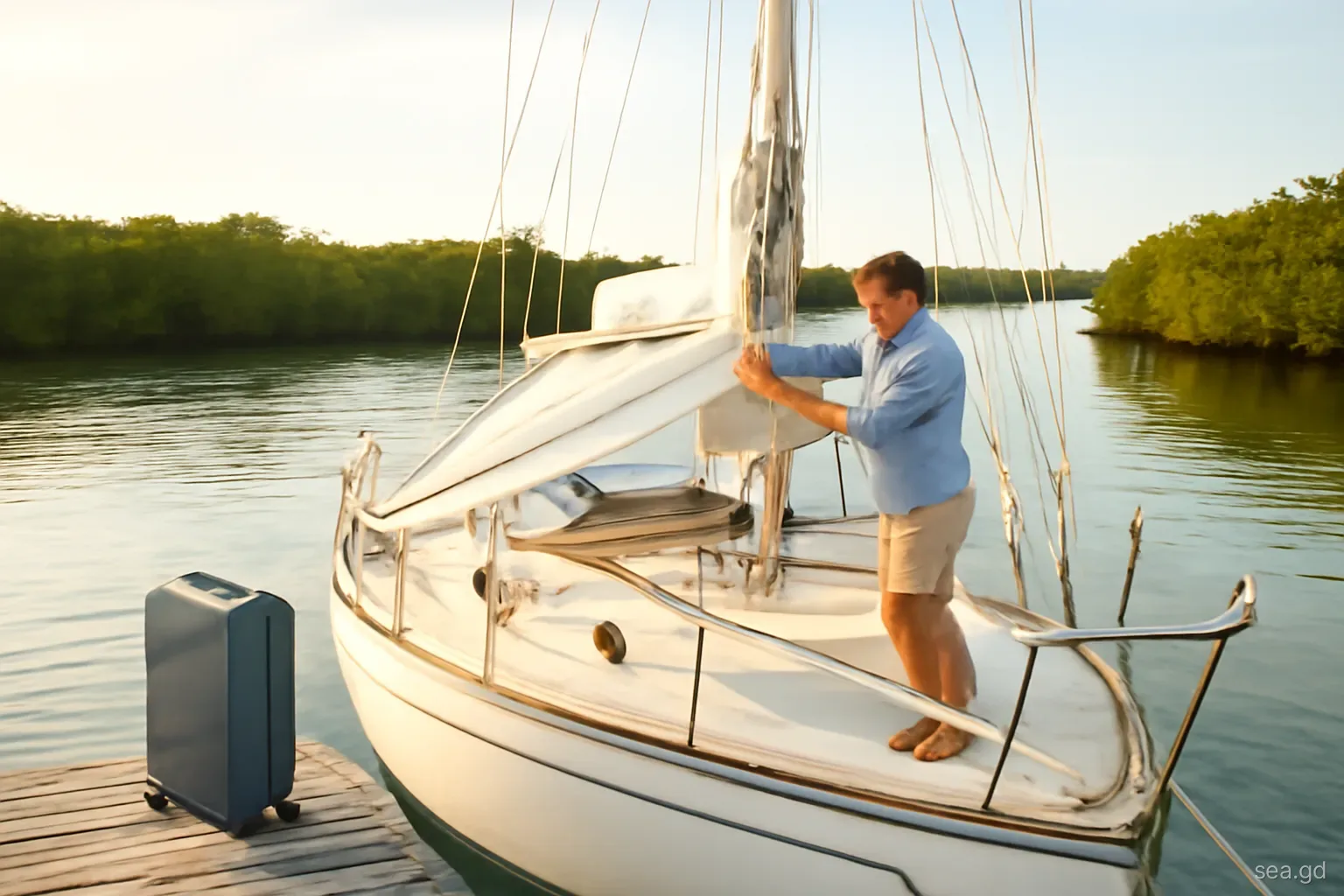
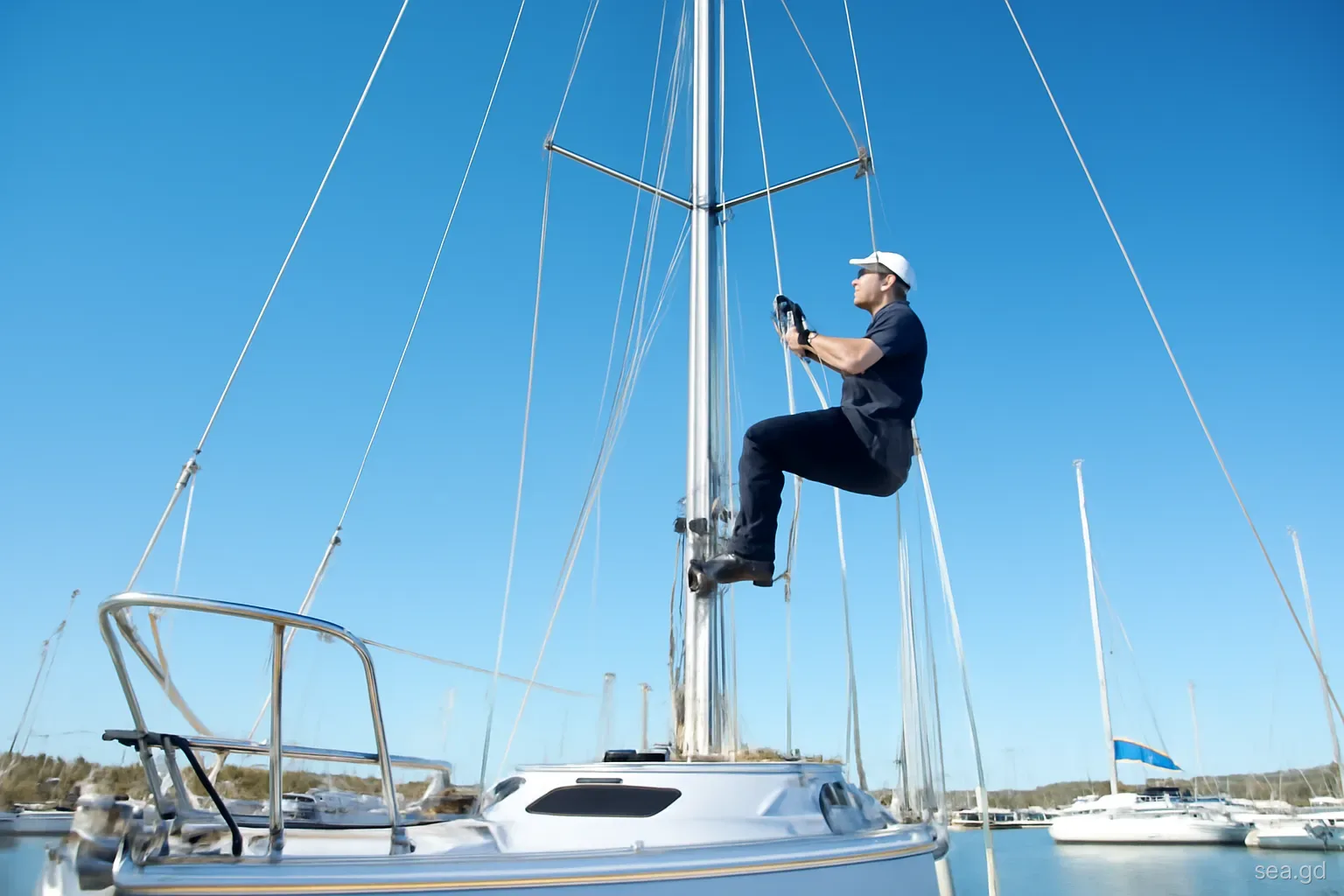
Grenada's yachting industry is deep for an island of its size. Around the south-coast yards and marinas, and on a smaller scale in Carriacou, there are riggers, sailmakers and canvas workers, diesel and outboard mechanics, electricians, refrigeration and watermaker technicians, fibreglass and paint specialists, welders, woodworkers and divers who clean hulls. Many are Grenadians who have worked on yachts for decades; others are foreign specialists who settled after cruising here.
The quality range is wide, and demand peaks at predictable moments: the weeks before the hurricane season, when boats are laid up, and the autumn rush to relaunch. How you choose, brief and pay a contractor decides whether a job goes smoothly. This page sets out how the trade works locally, what the rules are, and the warning signs that save money.
How work is found in Grenada's yachting community
Word of mouth dominates. The morning cruisers' VHF net on the south coast regularly carries requests for recommendations and replies from people who have just had similar work done, and the yard and marina offices keep informal lists of contractors who work on their premises. Long-stay cruisers will usually tell you, frankly, who did good work and who did not.
The larger yards also run in-house departments for common trades, such as engine servicing, painting and fibreglass, and some specialists are based inside or beside the yards. The regional chandlery chains and some suppliers recommend installers for the equipment they sell.
For a significant job, talk to at least two contractors, and ask each for references from recent customers you can contact, ideally boats still in the area. A contractor who is reluctant to name anyone, or who is evasive about where they have worked, is a poor bet however good the price.
The rules that apply to contractors and owners
Work permits. Paid work in Grenada requires a work permit, unless the worker is a Grenadian national or otherwise entitled to work. That applies to foreign cruisers who offer services to other boats. Hiring someone without the right to work can cause trouble for you as well as them, and yards check.
Yard registration. Many yards require outside contractors to register, show proof of insurance or pay a daily or weekly fee before working on site. Some reserve certain jobs, such as spray painting, blasting or major structural work, for their own staff or approved firms. Ask the yard office before you engage anyone.
Environmental rules. Sanding and painting antifouling generate toxic dust. Yards commonly require vacuum sanders, ground sheets and proper disposal of scrapings, solvents and used oil. Contractors who ignore this put your yard tenancy at risk.
Doing it yourself. Owners may work on their own boats in most yards, within the yard's rules. Doing your own work does not require a permit; doing it for other people does.
Taxes. Registered businesses charge VAT at 15 percent on most services. Ask whether quotes include VAT.
Briefing a contractor so the job comes out right
Most disputes over yacht work come from vague briefs. Ten minutes of preparation prevents most of them.
- Describe the problem, not your preferred solution. Let the contractor diagnose before agreeing what to replace.
- Show manuals, wiring diagrams, previous invoices and photographs of the installation. Specialists work faster with history.
- Agree the scope in writing, even by message: what will be done, what will not, and how changes will be priced.
- Agree who supplies parts. If the contractor orders, ask for the part numbers and prices; if you order, confirm exactly what is needed first.
- Agree a price basis: fixed price, day rate or hourly with an estimate and a ceiling beyond which they must ask you.
- Agree timing, including what happens if parts are delayed or the weather stops work.
- Agree payment terms. A deposit for materials is normal on larger jobs; paying the full amount up front is not.
- Inspect the work with the contractor before final payment, and run the system under load where possible.
Trades by type: what to expect
Rigging inspections and replacements are a strength in Grenada, partly because so many boats lay up here and owners use the time for refits. Standing rigging older than about ten years, or of unknown age, is worth inspecting before a long passage, and insurers sometimes require a rig survey. Wire and fittings for common sizes are stocked locally; unusual terminals may need to be imported.
Sail repairs and canvas work, from biminis and dodgers to cushions and sail covers, are widely available, and UV damage in the Caribbean sun keeps canvas makers busy. Turnaround stretches in the peak months, so drop sails off early if you need them back before a departure date.
Diesel and outboard mechanics are plentiful, with dealers or authorised service for several common engine brands. Refrigeration and watermaker technicians are in steady demand because both systems work hard in tropical heat. Electrical and electronics specialists exist, but complex network installations or integration of new systems can take longer than expected while parts arrive. Hull divers who clean bottoms and check anodes are easy to find in the south-coast anchorages.
Comparing quotes and understanding local pricing
Labour in Grenada is quoted in a mix of ways. Some trades work on an hourly or daily rate in EC or US dollars; others give a fixed price for a defined job, such as a rigging replacement or a set of cushions. Yards publish their own labour rates for in-house work. Because the currency is pegged at EC$2.70 to US$1, conversion is simple, but always confirm which currency a figure is in; the same number in the wrong currency is a nearly threefold difference.
When comparing quotes, line them up item by item: labour hours, materials, parts, travel or call-out charges, VAT and any yard fee for outside contractors. A cheaper quote that omits the yard fee or assumes you will buy the parts is not cheaper. For big jobs, ask how long the quote is valid, because imported materials change in price.
Rates are not negotiable in the bazaar sense, but scope is. If the total is too high, discuss what can be dropped, deferred or done by you, rather than pushing for a lower rate on the same work.
Red flags and common mistakes
The same warning signs come up again and again in the yards. None proves bad work, but several together should make you pause.
- Demanding full payment in cash before work starts.
- No references, or only references from boats that have left the region.
- Unwillingness to put scope or price in writing, even informally.
- A quote far below everyone else's, with vague detail about parts.
- Taking on several boats at once in peak season and rotating between them, so no job finishes.
- Not being registered with the yard where your boat sits, which may get the work stopped.
- Replacing parts without asking first and presenting the bill afterwards.
- On the owner's side: changing the brief midway, failing to order parts on time, or disappearing home without leaving clear authority and contact details.
Managing work while you are away
Many owners fly home during the hurricane season and leave a list of jobs. That can work well, but only with a clear structure. Some yards offer project management for absent owners, coordinating contractors, receiving parts and sending photographs; independent project managers and boat-watch services do the same for a fee.
Put the whole job list in writing, with priorities and a budget ceiling for each item, and decide in advance how decisions will be made if a contractor finds something unexpected. Ask for photographs before and after each stage, and pay in instalments against completed stages rather than up front. Leave keys, codes and manuals with one named person, not scattered between contractors.
When you return, allow time to check everything before relaunching or sailing. Problems are easier to fix with the boat on the hard and the contractor still on the island than after you have left for the Grenadines.
Frequently asked questions
How do you find a reliable boat mechanic in Grenada?
Ask your yard or marina office, listen to recommendations on the morning cruisers' VHF net, and talk to boats that have recently had similar work done. Get at least two opinions for a significant job, ask for references you can contact, and check the mechanic is allowed to work at your yard.
Can a foreign cruiser do paid work on other boats in Grenada?
Not without a work permit. Paid work in Grenada, including boat work, deliveries and teaching, requires the right to work. Yards and the authorities take this seriously, and both the worker and the person hiring can face problems. Owners can, however, work on their own boats.
Do Grenada contractors charge VAT?
Registered businesses charge VAT at 15 percent on most services and goods. Smaller sole traders may not be registered. Ask whether a quote includes VAT, and request an invoice, which also helps with insurance claims and the yacht-in-transit status of any parts supplied.
When are marine contractors busiest?
The busiest periods are May and June, when boats prepare for the hurricane season and are laid up, and from October to December, when owners return to relaunch. Book contractors well ahead for those windows, and drop off sails and canvas work early to avoid long waits.
Is it better to fix a problem in Grenada or wait for Trinidad or Martinique?
Most routine and many complex jobs can be done well in Grenada. A few specialist repairs, unusual parts or large structural jobs may be easier where suppliers are closer. Ask the contractor frankly whether the job is within local capability before committing, and weigh the cost of sailing elsewhere.
Should a contractor be paid up front?
A deposit for materials is reasonable on larger jobs, especially when parts must be ordered. Paying everything before work begins removes your leverage if the job drags or goes wrong. Paying in stages against completed, inspected work is the common and safer approach.