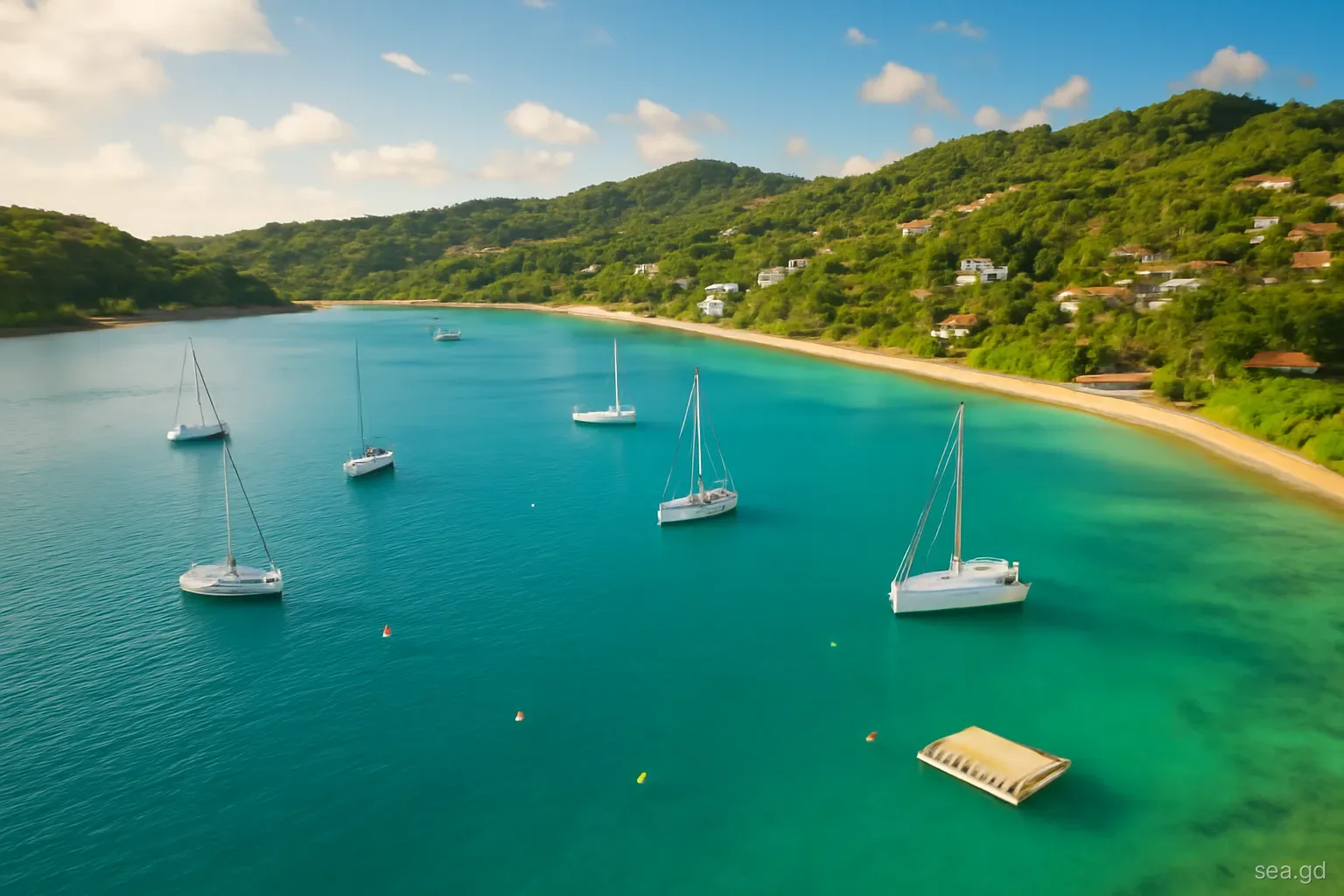
Most yachts in Grenada spend their nights in one of three ways: tied up in a marina, hanging off a mooring ball, or on their own anchor. Each comes with different costs, levels of shelter and daily routines, and the right answer changes with the season, the length of stay and how much you trust your ground tackle. Long-stay cruisers often use all three in a single year.
This page compares them in the Grenada context: what each typically involves, where the trade-offs lie on the south coast and in Carriacou, and the local factors, such as summer swell, squalls and protected areas, that should shape the decision. Marina and mooring rates change by season and operator, so ask for current tariffs rather than relying on old figures.
Anchoring: free, flexible and the default for most cruisers
Anchoring is free in most Grenadian bays, and the south coast offers a choice of anchorages within a few miles: Prickly Bay, Mount Hartman Bay, the waters around Hog Island, Clarkes Court Bay, Woburn Bay, Port Egmont and St David's Harbour, plus Grand Anse and Morne Rouge on the west side of Point Salines for shorter stays. In Carriacou, Tyrrel Bay is the main anchorage, with Hillsborough and smaller bays for settled weather.
Holding is generally reasonable in sand and mud, but patches of weed, coral rubble and old debris exist, and the inner bays are crowded in the hurricane season. Dive or snorkel on your anchor after setting it; in Grenada's clear water this takes a couple of minutes and settles the question of whether it has dug in.
The trade winds blow reliably from the east for much of the year, so boats lie predictably. The catch is the south coast's exposure to swell from the south and south-east, which can make bays such as Prickly Bay roll uncomfortably, especially in the summer months. The deeper, more indented bays further east are calmer, at the cost of a longer dinghy ride or bus trip to shops.
Moorings: convenient, but only as good as the tackle
Who owns them. Moorings in Grenada are laid by marinas, businesses and private individuals, and in some places by the authorities managing marine protected areas. Marina moorings usually come with access to the marina's dinghy dock, showers and wifi, and are billed per night or per month.
What to ask. Ask who maintains the mooring, when it was last inspected, what lies on the seabed, and the maximum boat length and weight it is rated for. A respectable operator will answer readily. A mooring of unknown origin is a gamble, however solid the buoy looks.
Checking it yourself. Snorkel down and look at the chain, shackles and the pennant where it meets the buoy. Use your own lines through the pennant eye or a properly sized bridle with chafe protection, rather than relying on a worn rope pennant.
Protected areas. In the Moliniere and Beausejour area on the west coast, home to the Underwater Sculpture Park, and in the Sandy Island and Oyster Bed protected area around Carriacou, rules restrict anchoring to protect reefs and seagrass, and moorings or designated areas are provided. Fees may apply and are collected by the area managers. Follow the posted rules and ask the managers when in doubt.
Moorings are not storm moorings. Few moorings in Grenada are designed for hurricane conditions. Do not assume one will hold in a named storm.
Marina berths: services and certainty, at a price
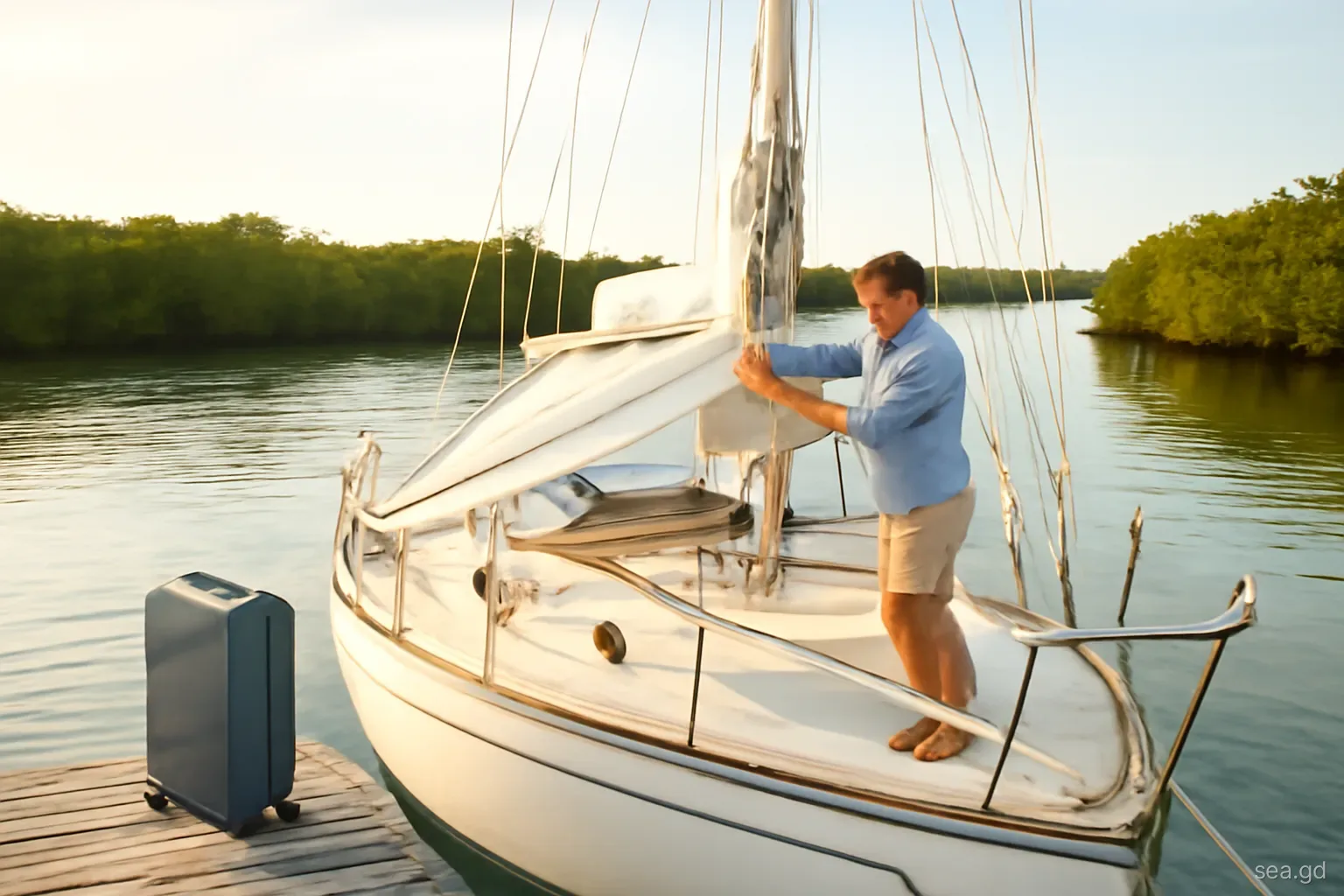
A marina berth gives you shore power, water, security, easy landings and a place to leave the boat; it also removes the night-time worry of dragging. Grenada's marinas range from the large Port Louis Marina in the St George's lagoon to smaller marinas in Mount Hartman Bay, Prickly Bay, Clarkes Court Bay, Woburn Bay and Petite Calivigny Bay. Berthing styles differ: some marinas use finger pontoons, others stern- or bow-to with lazy lines, which takes practice for crews used to alongside berths.
Rates are usually charged per foot per day, with weekly, monthly and long-term discounts, and are commonly higher in the winter high season. Electricity and water are metered extras at most marinas, and VAT may be added. For a short stay, a night or two in a marina is a useful break to fill tanks, do laundry and get the boat clean; for a long stay, a monthly rate can compare well with the cost of running a generator and ferrying water at anchor.
Large catamarans should check berth widths in advance; not every marina can take a wide beam, and multihulls are sometimes charged a supplement.
A quick way to decide
The questions below sort out most situations. Answer them honestly, especially the first two.
- How confident are you in your anchor and rode? If the answer is not very, a mooring or berth is cheaper than a damaged boat.
- Will the boat be left unattended? Then a berth or a well-maintained, checked mooring, not an anchor.
- How long are you staying? Monthly marina and mooring rates change the arithmetic for long stays.
- What is the swell forecast? In southerly swell, choose deeper, more sheltered bays or a marina.
- Do you need shore power? Air conditioning, heavy charging or a dehumidifier point to a berth.
- How will you get ashore? Distance to the dinghy dock and the bus route matters when shopping.
- Is it hurricane season? Your insurer's requirements and the marina's storm plan may decide for you.
Common mistakes in Grenada's anchorages
Anchoring too close in crowded bays. In the hurricane season, popular bays fill up and boats lie closer than is comfortable. Leave room for a wind shift; squalls in summer can swing boats through 180 degrees in minutes.
Too little scope. Depths in the south-coast bays are often modest, but a short scope fails when a squall hits. Allow generous scope and set the anchor properly under reverse.
Anchoring on coral or seagrass. Damaging reef or seagrass is illegal in protected areas and harmful everywhere. Anchor in clear sand, and use moorings where provided.
Blocking channels and fairways. Leave approaches to marinas, boatyards and fuel docks clear. Yard staff and charter boats need to manoeuvre.
Running the dinghy fast through the anchorage. Swimmers and paddleboarders are common. Slow down well before boats at anchor and use a kill cord.
Neglecting the anchor light. Local fishing boats and water taxis move at night, sometimes fast. An anchor light is required and is your best protection.
Getting ashore from each option
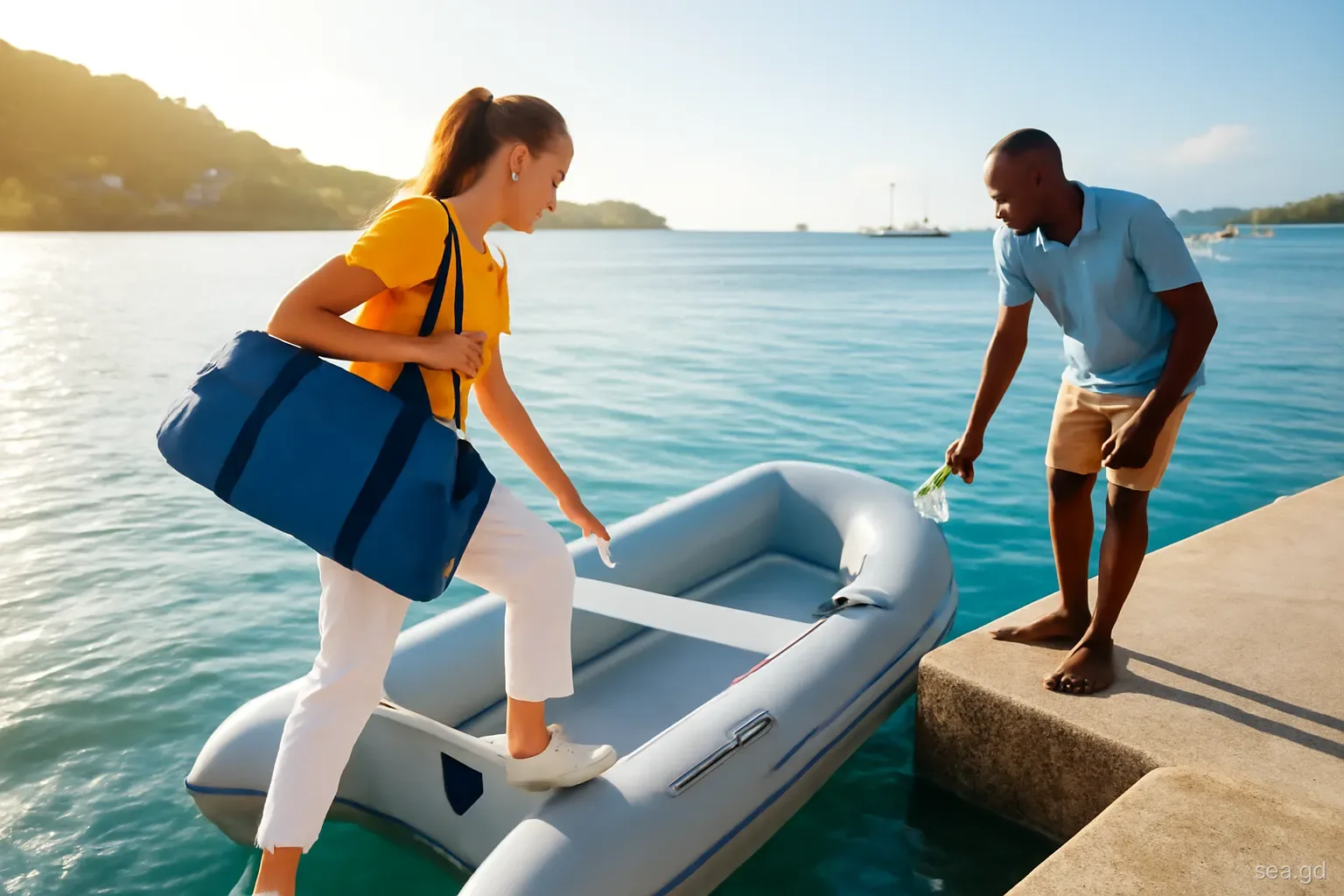
How you get ashore shapes daily life more than people expect. Marinas give step-off access, and most also run dinghy docks that anchored boats can use, sometimes free with a meal or a purchase, sometimes for a daily or weekly fee. Ask before tying up, and lock the dinghy and outboard to the dock with a cable.
In the eastern bays, the dinghy ride to a dock can be long and wet in a fresh trade wind, and the walk from the dock to the bus route can be uphill. Prickly Bay and Mount Hartman Bay are closer to shops, restaurants and the main road, which is one reason they stay popular despite the swell. In Carriacou, the dinghy dock situation in Tyrrel Bay changed after Hurricane Beryl, so ask locally where landings are currently possible.
Costs in context
Comparing costs fairly means counting more than the berth rate. At anchor, the hidden costs are fuel for the generator or engine, a watermaker or water ferried by can, wear on the dinghy and outboard, and taxis or buses from more distant bays. On a mooring, add the nightly fee and any dinghy dock charges. In a marina, add metered electricity and water, VAT and any supplement for multihulls.
For a week or two, anchoring is almost always cheapest. For a season, the gap narrows, particularly for boats with heavy power demands. Many crews strike a balance: anchoring most of the time, then taking a berth for a few days every month or two to wash the boat, fill tanks and do maintenance with power on hand. In Carriacou, with fewer berths and services since Hurricane Beryl, most boats anchor; check on the current state of moorings and docks locally before relying on them.
Frequently asked questions
Is anchoring free in Grenada?
In most bays, yes. Anchoring is generally free outside marina areas and protected zones, though the yacht's monthly cruising permit fee applies regardless. In marine protected areas, anchoring may be restricted and mooring or user fees charged. Follow local rules and ask the area managers or marina staff if unsure.
Which south-coast anchorage is calmest?
The more indented bays further east, such as Mount Hartman Bay, Clarkes Court Bay, Woburn Bay and Port Egmont, are generally calmer than Prickly Bay, which is more exposed to southerly swell. Conditions vary with swell direction, and the calmest bays are also the most crowded in summer.
Are moorings in Grenada safe to use?
Moorings maintained by marinas and protected-area managers are generally inspected, but quality varies, and private moorings of unknown origin are a risk. Ask who maintains the mooring, inspect it yourself, and use your own lines with chafe protection. Do not rely on any mooring in a hurricane unless it is specifically rated.
Can you anchor near the Underwater Sculpture Park?
The Moliniere and Beausejour protected area has rules that restrict anchoring to protect the reef and the sculptures. Use the moorings or designated areas provided, and pay any fees due. Rules and fees are set by the area managers, so check the current arrangements before you go.
How do marinas in Grenada charge?
Most charge per foot per day, with discounted weekly, monthly and long-term rates, and higher prices in the winter high season. Electricity and water are usually metered extras, and VAT may be added. Ask for a written tariff and whether multihulls pay a supplement before you book.
Do you need a marina for a long stay in Grenada?
No. Many long-stay cruisers live at anchor for months, using marina dinghy docks and services for a fee. A berth becomes worthwhile if you need shore power, plan to leave the boat, or face strong swell. Many combine anchoring with occasional marina stays.