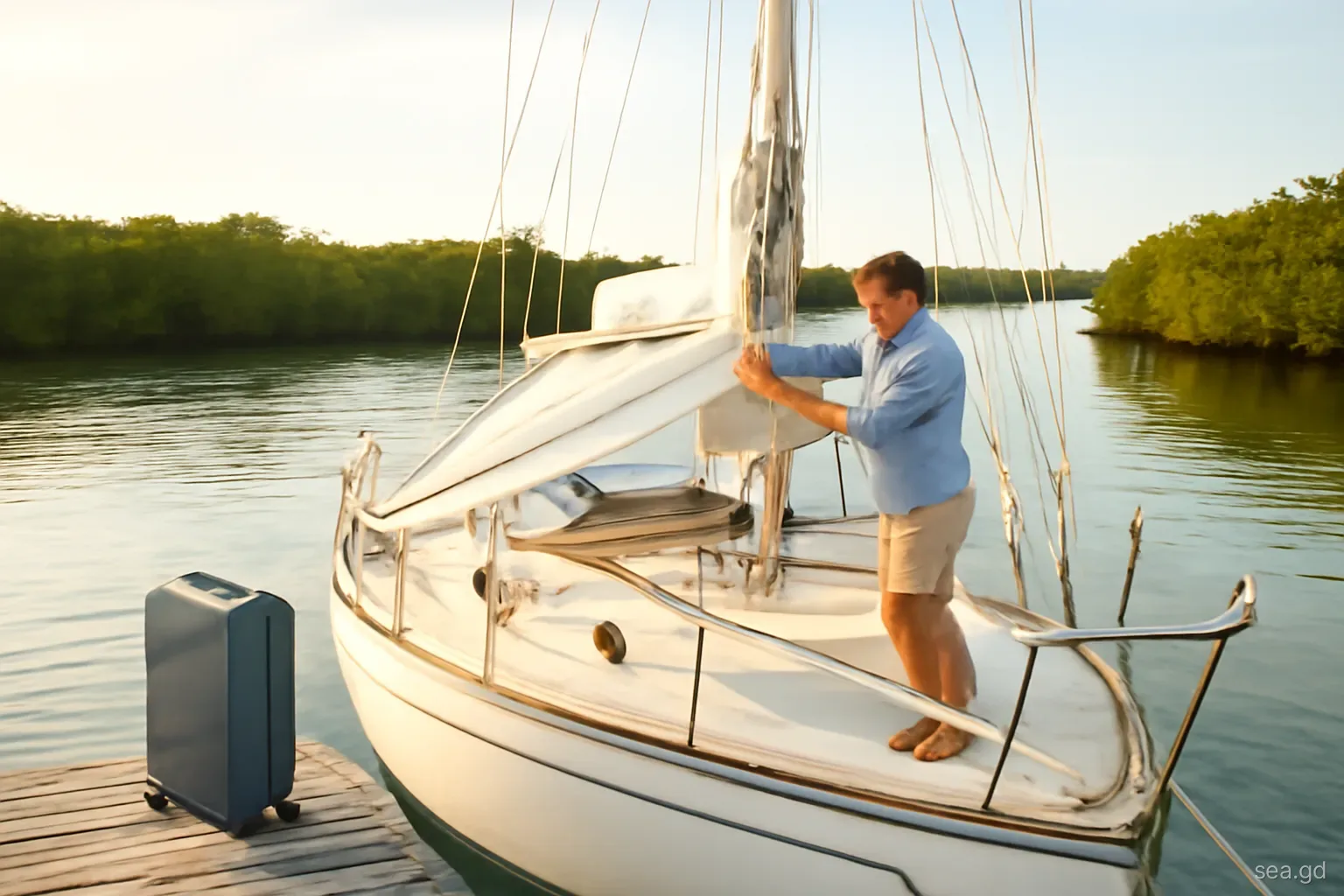
Grenada is one of the commonest places in the Caribbean to leave a yacht while the crew flies home, for a few weeks or for a whole season. The airport at Point Salines is close to every south-coast marina and yard, there are direct flights to North America and Europe, and a whole service industry exists to look after boats whose owners are elsewhere.
A boat left badly prepared, though, can come back covered in mould, with dead batteries, a cockroach population and lines chafed through. This page works through the decision of where to leave the boat, what to arrange with people on the island, and the preparation that makes coming back pleasant. Hurricane season raises its own issues, from insurance to tie-downs; those are covered in the site's hurricane season pages, and the checklist here applies year round.
Afloat or ashore: choosing where to leave the boat
A marina berth. Easiest for short absences. The boat is watched by staff, has shore power for chargers and dehumidifiers, and is easy for a caretaker to reach. Ask whether the marina checks lines and bilges as part of the berth fee or charges extra, and what its policy is in severe weather.
A mooring. Cheaper than a berth, but only as good as the mooring. Ask who installed it, when it was last inspected, what tackle is on the seabed and what boat size it is rated for. Arrange for someone to check the pennants and chafe gear regularly.
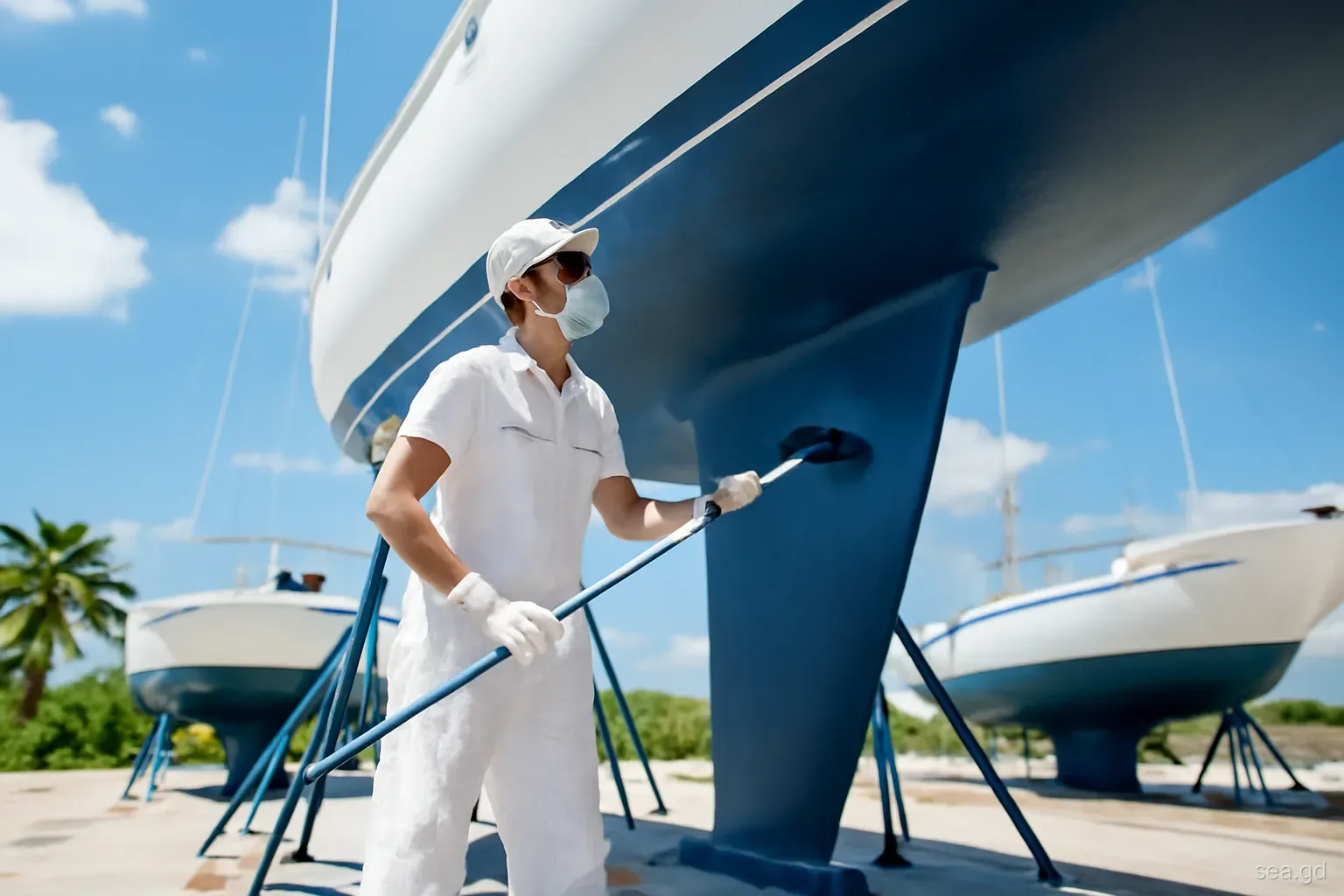
On the hard. Common for longer absences and for the hurricane season. The boat cannot sink at the dock or drag, and yard staff are around, but it is exposed to sun, dust and heat, and rain must drain freely from the deck and cockpit. Ask about stands, cradles, tie-downs and how close other boats will be.
Security. Theft from yachts in Grenada is not common, but unattended boats are the easiest targets. Remove valuables, outboards and portable electronics, lock the companionway with a proper padlock, and ask the marina or yard about gate control and night watchmen. A boat that looks cared for, with tidy lines and covers, attracts less attention.
At anchor. Leaving a boat unattended at anchor for weeks is generally a poor idea anywhere, and many insurers exclude it. Squalls, dragging boats and southerly swell are all risks in Grenada's bays.
Boat-watch services: what to ask for
Several Grenada yards and marinas offer caretaking packages, and there are independent boat-watch businesses and individuals on the south coast who do the same. Services range from a weekly look and a photograph to full management: opening the boat to air it, running the engine, charging batteries, checking bilges and lines, cleaning, and coordinating contractors.
Agree exactly what each visit includes and how often, and get it in writing with a monthly price. Ask how you will receive reports, by message with photographs or by email, and what happens if they find a problem: will they act and bill you, or wait for instructions? Set a spending limit for emergencies so a burst hose does not wait for a reply across time zones.
Insurers sometimes require evidence of regular inspections for an unattended vessel, and some ask for a named caretaker. Read your policy and give the insurer the caretaker's details if required. References matter as much here as with any contractor; ask the marina office and long-stay cruisers who they trust.
Preparing the boat before you leave
Give yourself at least two or three days. Rushing on the last morning before a flight is how things get missed.
- Empty and clean the fridge and freezer, prop the doors open, and remove all food that could attract insects or rodents, including sealed packets in lockers.
- Clean the interior thoroughly with a mild vinegar solution to slow mould, and leave lockers, drawers and cushions open or propped for airflow.
- Fit vents or a solar fan and close all hatches and portlights against rain. If on shore power, a dehumidifier draining into a sink helps greatly.
- Remove sails and canvas, or at least cover them, to protect against UV. Store them dry below or with the yard.
- Set up battery charging: solar with a good controller or shore power with a charger set to maintenance mode. Switch off non-essential loads.
- Close seacocks that are not needed, but leave cockpit drains open. If afloat, confirm the bilge pumps work automatically and on battery.
- Double mooring lines and add chafe protection. Remove or lock the dinghy and outboard ashore, or stow them aboard.
- Photograph the boat inside and out, record meter readings and leave a written list of keys, systems and quirks with the caretaker.
Paperwork: customs, immigration and the cruising permit
A foreign yacht left in Grenada while its captain flies out remains a vessel in transit under customs control, and the authorities need to know who is responsible for it. Tell customs that you are leaving the boat, keep the cruising permit current or arrange a suspension if the boat is hauled out, and ask what documents to leave with the marina or yard. Procedures have changed over the years, so confirm the current requirements with Grenada Customs when you clear in or before you fly.
Immigration treats you as a departing passenger. If you arrived on the boat, your passport shows entry by sea; the immigration officer at the clearance office can sign you off the crew list so that leaving by air is straightforward. When you return, carry evidence that you are rejoining your yacht, such as a letter from the marina or yard, because airlines and immigration may otherwise ask for an onward ticket.
Keep copies of the ship's registration, insurance, cruising permit, marina or yard contract and caretaker agreement with you, and leave copies with the caretaker.
What owners most often regret
Long-stay cruisers and yard staff see the same avoidable problems every season.
- Leaving any food aboard, even tins with paper labels, which cockroaches eat.
- Closing the boat up completely, which turns it into a mould incubator in Grenada's humidity.
- A single bilge pump on a float switch with no alarm and no one checking.
- Batteries left without charging, which can be ruined in a few months.
- A caretaker arrangement with no spending authority, so small problems become large ones.
- Not telling the insurer the boat is unattended, or where it is.
- Forgetting the dinghy, which disappears or fills with rain and sinks.
- Lines without chafe guards, especially where swell surges into a marina.
- Sails left bent on under a cover that tears in the first squall, leaving the sail flogging for days before anyone notices.
- Deck drains and cockpit scuppers blocked by leaves or dust on the hard, so rain pools and finds its way below.
- No spare keys left with anyone, which turns a simple check into a locksmith job when a problem appears.
Coming back: the first day aboard
Plan your return flight to allow a day or two of reopening before you need to sail. Open everything to air the boat, check the bilges, run the engine and the systems one by one, and look for leaks around hatches and deck fittings that the rain may have found. Expect some mould, however well you prepared; a vinegar wash deals with most of it.
Check the waterline and running gear. A boat that has sat afloat for months will need a hull clean before it performs, and the propeller may be heavily fouled. If on the hard, check that stands have not shifted and that the deck drains stayed clear.
Settle any caretaker invoices, update the cruising permit and immigration paperwork, and only then start provisioning. The first shop after a long absence is a pleasure, but it is easier with a clean, dry boat to put it in.
Frequently asked questions
How far are Grenada's marinas from the airport?
Maurice Bishop International Airport at Point Salines is close to the south coast. Prickly Bay, True Blue and Mount Hartman Bay are a short drive, the eastern bays and St George's somewhat longer, generally within about half an hour depending on traffic. Taxis are the usual transfer with luggage.
Is it safe to leave a boat at anchor in Grenada while away?
It is not recommended. Squalls, dragging boats and swell can all cause damage, and many insurance policies exclude unattended boats at anchor. Use a marina berth, a well-maintained mooring with regular checks, or storage ashore, and arrange a caretaker in every case.
What does a boat-watch service usually include?
Packages range from a weekly visual check with photographs to full care: airing the boat, checking bilges and lines, running engines, charging batteries, cleaning and coordinating repairs. Agree visit frequency, reporting, emergency spending limits and monthly price in writing before you leave.
Do you need to tell customs if you leave your yacht in Grenada?
Yes. The yacht remains under customs control as a vessel in transit, and customs will want to know who is responsible for it and how the cruising permit is handled. Requirements change, so confirm the current procedure with Grenada Customs before you fly out.
How do you stop mould on a boat left in Grenada?
Clean with a vinegar solution, remove all food, leave lockers and cushions open for airflow, and keep air moving with solar vents or fans. On shore power, a dehumidifier draining into a sink makes a big difference. Some mould on return is normal in humid months.
Can you fly back to Grenada on a one-way ticket to rejoin a boat?
Often yes, but carry evidence that you are joining your yacht, such as a letter from the marina or yard with the vessel details. Without it, airlines and immigration may ask for proof of onward travel. Check entry requirements for your nationality before booking.