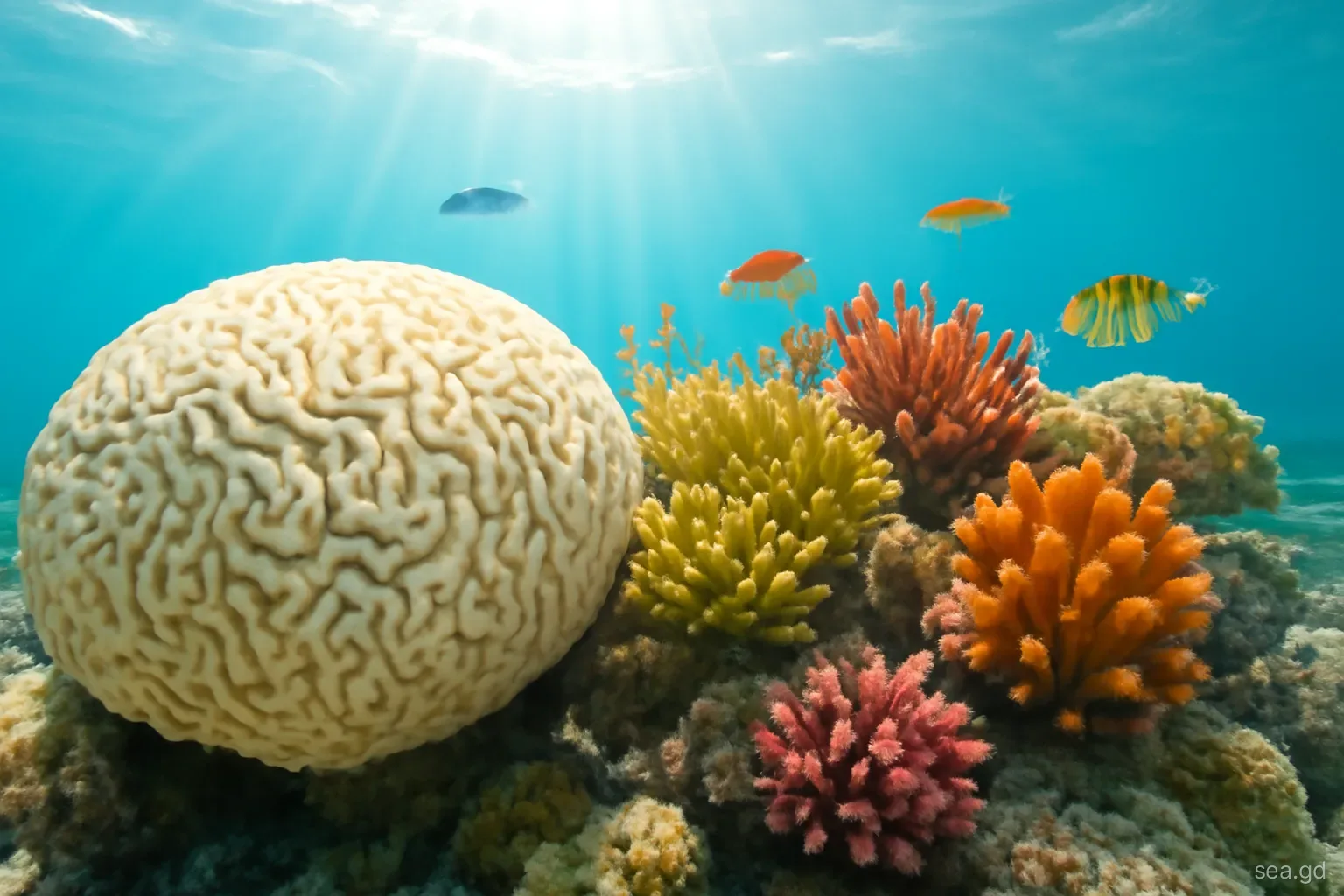
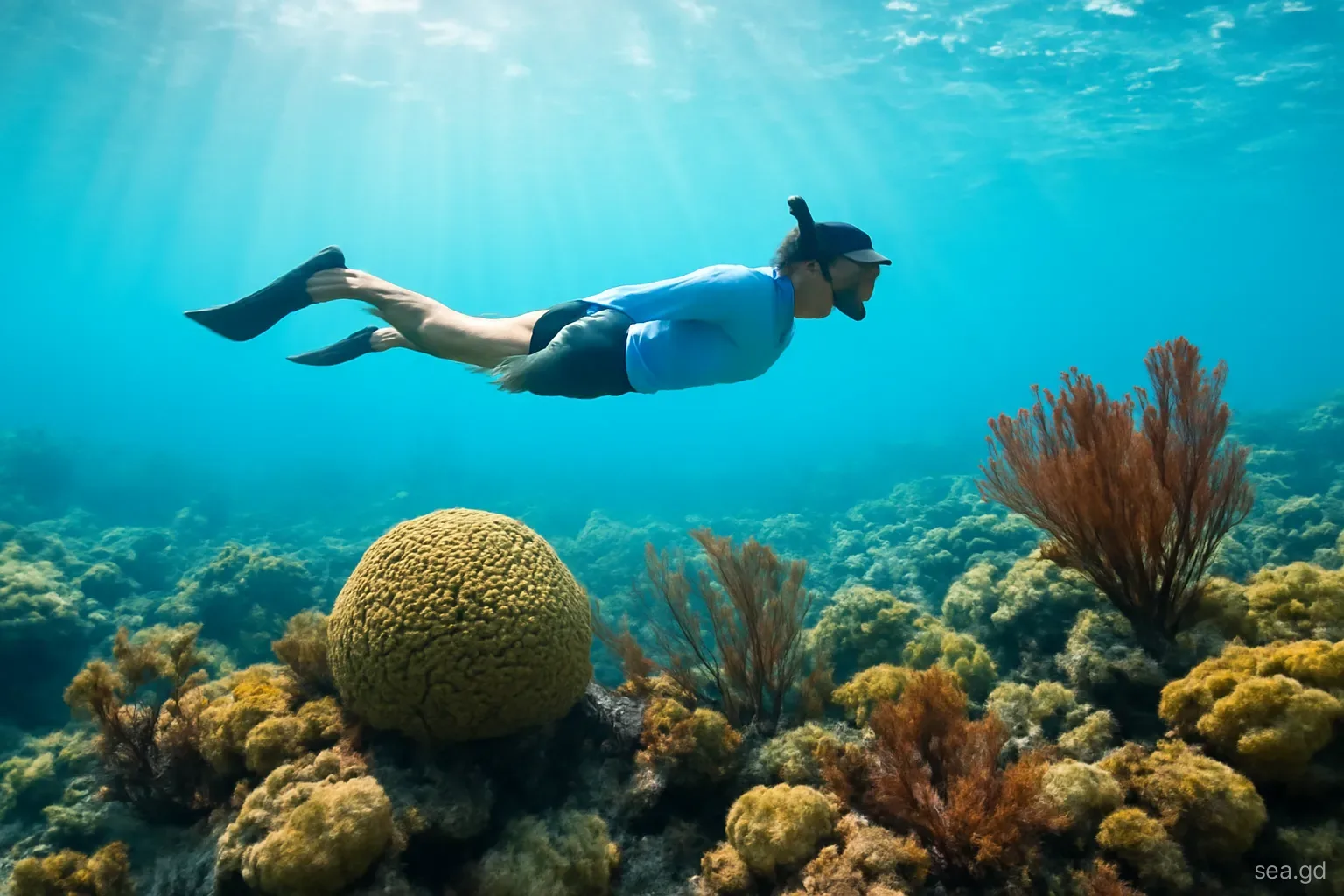
Coral reefs look like rock, but the living surface of a coral colony is a thin layer of tiny animals that can be crushed by a fin, a hand or a knee. Every year, well-meaning visitors damage reefs in Grenada and Carriacou simply by not knowing how fragile they are: standing on a coral head to adjust a mask, kicking up sand onto a colony, grabbing a sea fan to steady a camera. Each touch is small, but on popular sites they add up to thousands.
Good reef etiquette is not complicated, and most of it also makes snorkelling and diving safer and more enjoyable. This checklist covers what to do before you get in, how to move in the water, what not to touch or feed, and the habits that keep Grenada's reefs in good shape for the next visitor.
Before you get in the water
Many reef problems start before anyone enters the water. A few minutes of preparation prevents most of them.
- Practise with your gear. Adjust your mask strap and fins on the boat or the beach, not while standing on the reef.
- Cover up instead of slathering on lotion. A long-sleeved rash vest and leggings protect from sunburn and reduce the amount of sunscreen washing into the water. Use sun protection on exposed skin, apply it well before swimming so it absorbs, and favour mineral formulas without the chemical filters linked to coral harm.
- Know your limits. If you are a weak swimmer or nervous in open water, wear a flotation vest. Tired, panicking snorkellers are the ones who stand on coral.
- Check the conditions. Surge and current push people into the reef. Ask your guide where to enter and exit, and avoid shallow reef flats at low water.
- Divers: check your weighting. Overweighted divers drag along the bottom; underweighted ones grab the reef to stay down. A short buoyancy check in sand at the start pays off.
- Secure dangling equipment. Gauges, octopus regulators and camera straps that hang loose can catch and break coral.
Moving in the water without touching the reef
Stay horizontal. Snorkellers floating flat on the surface cause no harm. Problems begin when people go vertical and start treading water, letting fins sweep the reef below. If you need to rest, roll onto your back or swim to sand.
Watch your fins. Fins extend further behind you than you think. Over shallow reef, use gentle kicks from the hips, or a frog kick if you dive, and keep fins up and away from the bottom.
Keep your distance. Aim to stay at least an arm's length from the reef. In surge, give it even more room, because a wave can push you down onto coral and fire coral stings painfully.
Do not stand on anything. If you must stand, do it on bare sand, and look carefully first: sand may hide stingrays, and what looks like rock is often coral or a sea urchin.
Control your descent. Divers should descend slowly and stop above the reef, not land on it. Snorkellers diving down should look where they will turn and avoid pushing off coral.
What not to touch, take or feed
Touching coral can damage its living tissue and the protective mucus layer that helps it fight disease, and some corals, such as fire coral, sting back. Sea fans, sponges and anemones are equally sensitive. The safest rule is to touch nothing alive at all. Within Grenada's marine protected areas, collecting shells, coral, starfish and other marine life is prohibited, and the same principle applies everywhere around the islands.
Feeding fish may seem harmless, but it changes their behaviour, encourages aggression and favours a few species over others. Bread and processed food are bad for them. Responsible operators in Grenada do not feed fish, and visitors should not bring food into the water.
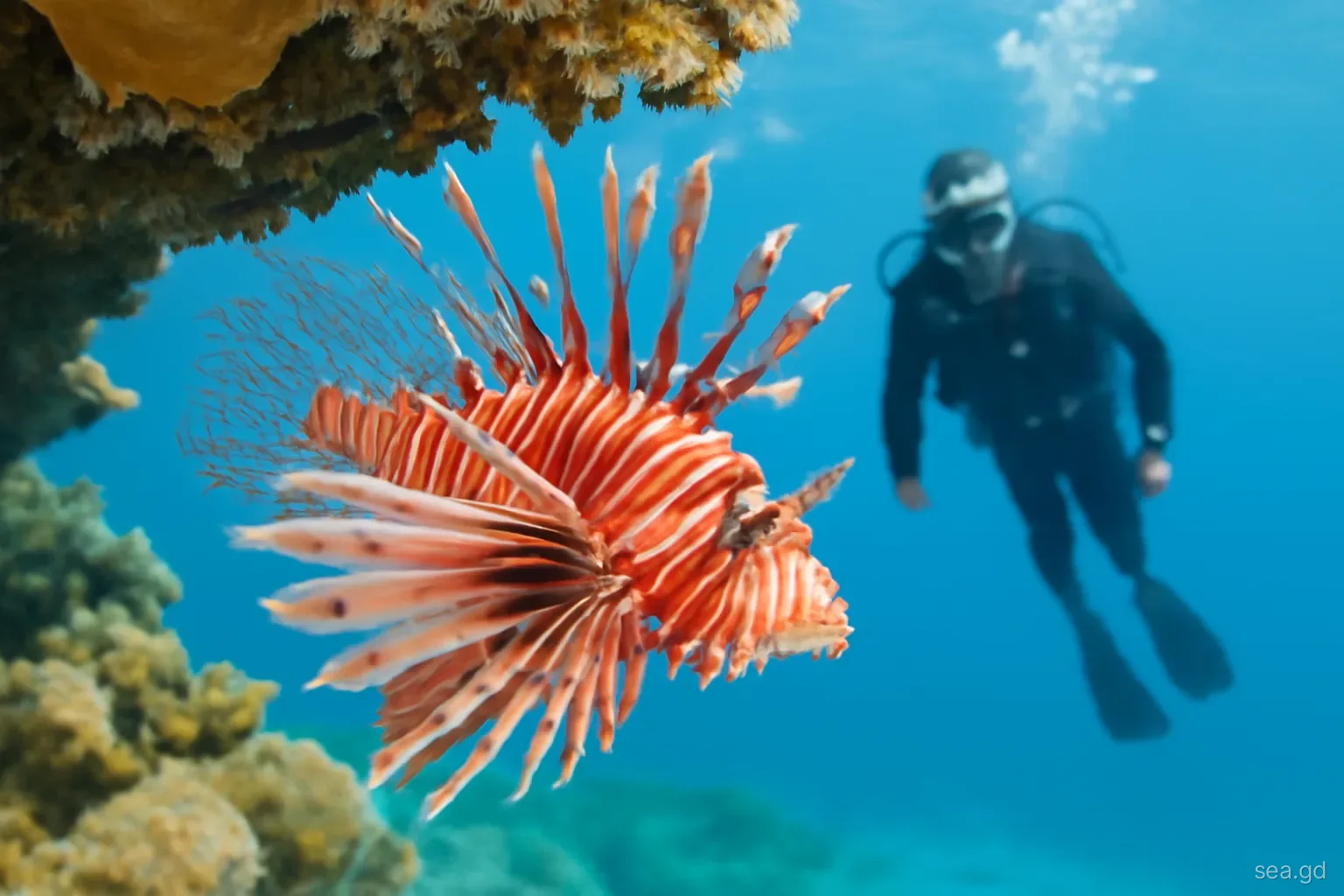
Animals such as turtles, rays and octopus should be watched, not chased or handled. A turtle that is followed too closely may abandon feeding or surface to breathe in a panic. Give it space and let it decide how close to come. Lionfish, an invasive species with venomous spines, should be avoided rather than touched; culling them is done only by trained and authorised divers.
Photography without harming the reef
Buoyancy first, camera second. Most reef damage by photographers comes from kneeling, lying or holding on to get a shot. If you cannot hover still, keep the camera on wide shots from above.
No moving or posing animals. Pushing a seahorse into the open or lifting a starfish for a picture stresses or kills animals. Photograph what you find, where you find it.
Keep strobes and lights considerate. Bright lights in the face of a resting animal repeatedly can disturb it. Take a few shots and move on.
Use a lanyard. Dropped cameras and phones land on coral. A wrist strap or clip keeps them with you and keeps your hands free.
Mind others. At busy sites, such as the sculptures in Moliniere Bay, photographers who crowd one spot cause others to drift into the reef. Take your turn and give way.
Pitfalls specific to Grenada's reefs
Several features of Grenada's underwater environment catch visitors out. The west coast reefs are often shallow close to shore, so snorkellers entering from a beach can find themselves over coral in less than a metre of water within a few strokes. Plan your route out over sand and turn back before the water becomes too shallow.
Surge from northerly swells, mostly in the winter months, can push swimmers around unexpectedly at sites that are calm in summer. Guides will move groups to sheltered spots when necessary. Current, particularly at points and on dives like the Bianca C, demands good buoyancy and calm swimming rather than clinging to the reef.
Finally, many reefs here are still recovering from storms and warm-water bleaching events. Corals under stress are more vulnerable to disease and damage, so the care you take matters more now than it would on a healthy reef.
Sea urchins are another local hazard tied to etiquette. Black long-spined urchins sit in crevices on shallow reef and rock, and their spines break off in skin. Visitors who stand or put hands down on the reef are the ones who meet them, so keeping off the bottom protects both you and the coral. If you are spiked, get out of the water, remove any visible spine fragments carefully and keep the wound clean.
Choosing operators who look after the reef
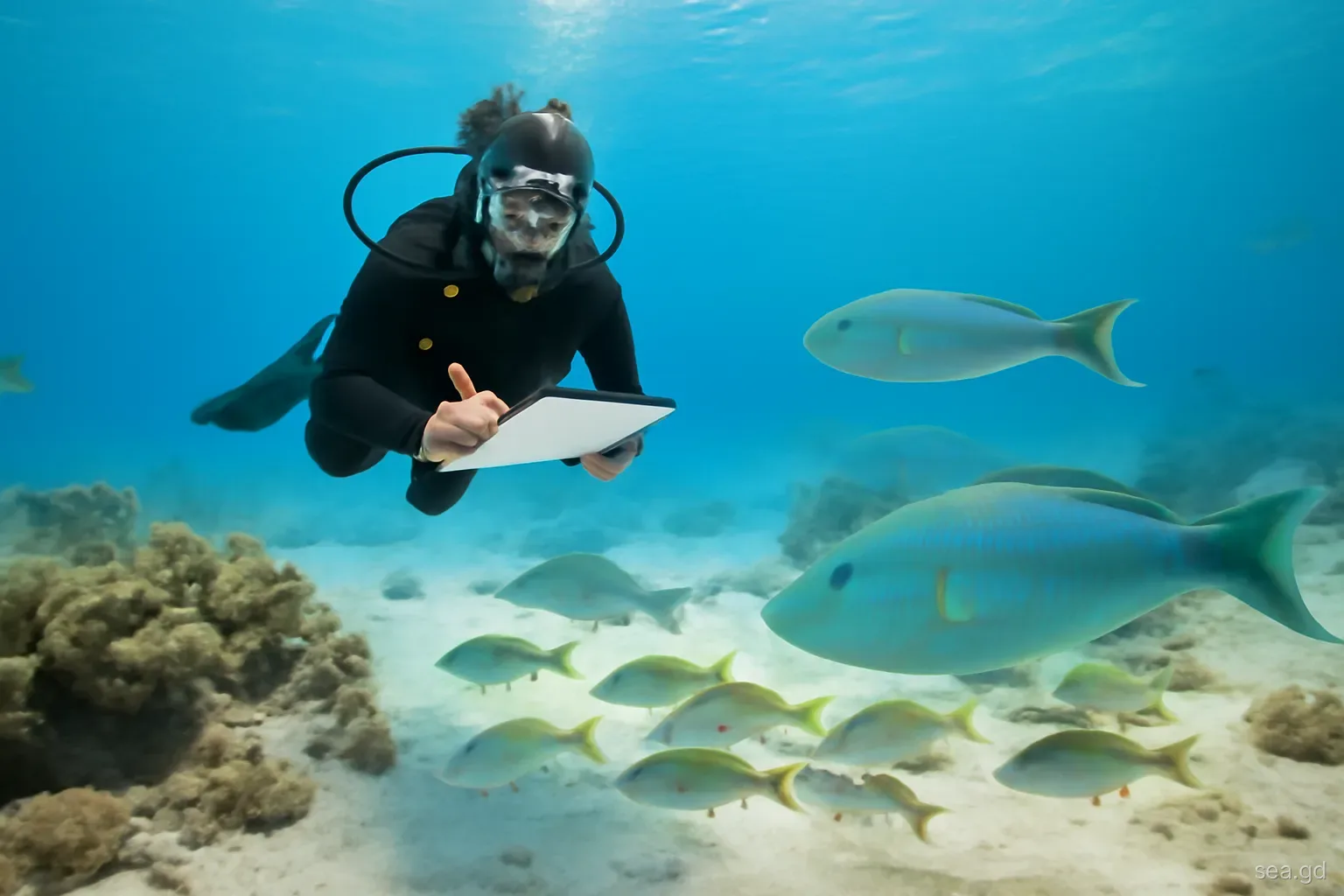
Your choice of dive shop or snorkel boat has a large effect on the reef. Responsible operators in Grenada brief guests on reef etiquette before every trip, use moorings rather than anchors, keep group sizes manageable and put a guide in the water with snorkellers. Divers on their boats are expected to show good buoyancy, and guides will step in, politely, if someone is kicking the bottom or holding on to coral.
Ask before booking how big the groups are, whether a guide snorkels with guests, whether the marine park fee is included and whether the shop takes part in any reef monitoring or restoration work. Operators who answer these questions easily usually treat the reef well.
Be wary of trips that promise to let you hold a starfish, feed fish or touch a turtle. These practices harm animals and are against the spirit, and often the letter, of the rules in the protected areas. A good guide will find you plenty to see without any of them, and the creatures you watch behaving naturally are far more interesting than ones being handled.
Leaving a review that mentions how an operator protected the reef, or failed to, helps other visitors choose well and rewards the businesses doing it right.
Frequently asked questions
Is it really harmful to touch coral?
Yes. Coral colonies are living animals covered by a thin, sensitive layer of tissue and mucus. Touching, standing on or kicking them can damage that layer, open the way for disease and break fragile structures that took years to grow.
What sunscreen should be used on Grenada's reefs?
Covering up with a rash vest and leggings reduces the need for sunscreen. For exposed skin, many guides recommend mineral formulas without chemical filters linked to coral harm, applied well before entering the water so they absorb.
Is feeding fish allowed in Grenada?
It is strongly discouraged and responsible operators do not do it. Feeding alters fish behaviour, can make some species aggressive and is unhealthy for them. Inside marine protected areas, interfering with marine life is against the rules.
Can shells be taken from Grenada's beaches and reefs?
Collecting shells, coral and marine life is prohibited within the marine protected areas, and taking living animals is harmful anywhere. Empty shells on beaches also provide homes for hermit crabs, so it is better to leave them.
What should a snorkeller do if they get tired over a reef?
Roll onto your back and float, or signal the boat or your guide. Wearing a flotation vest makes resting easy. Avoid standing on the reef, which damages coral and risks sea urchin spines and fire coral stings.