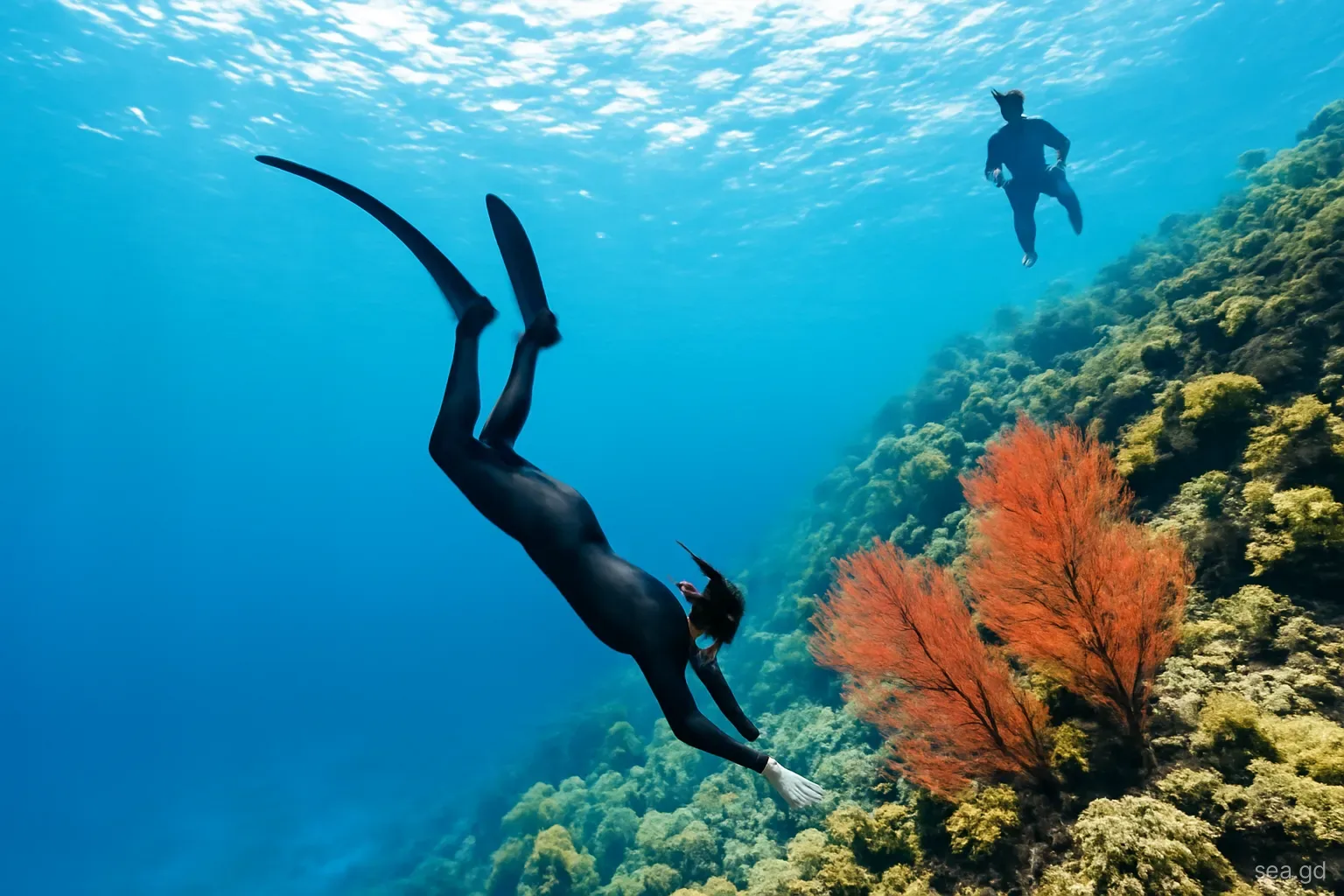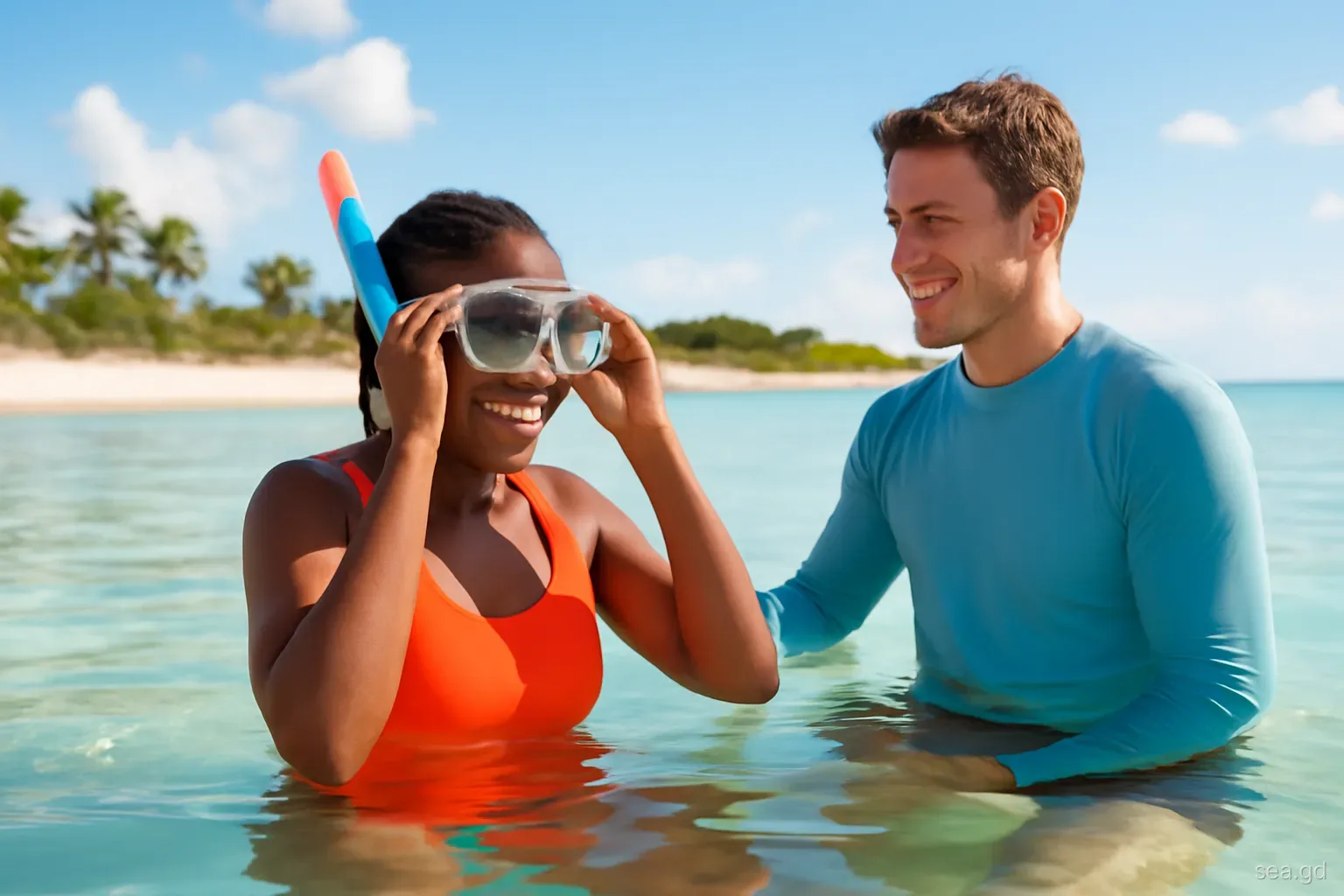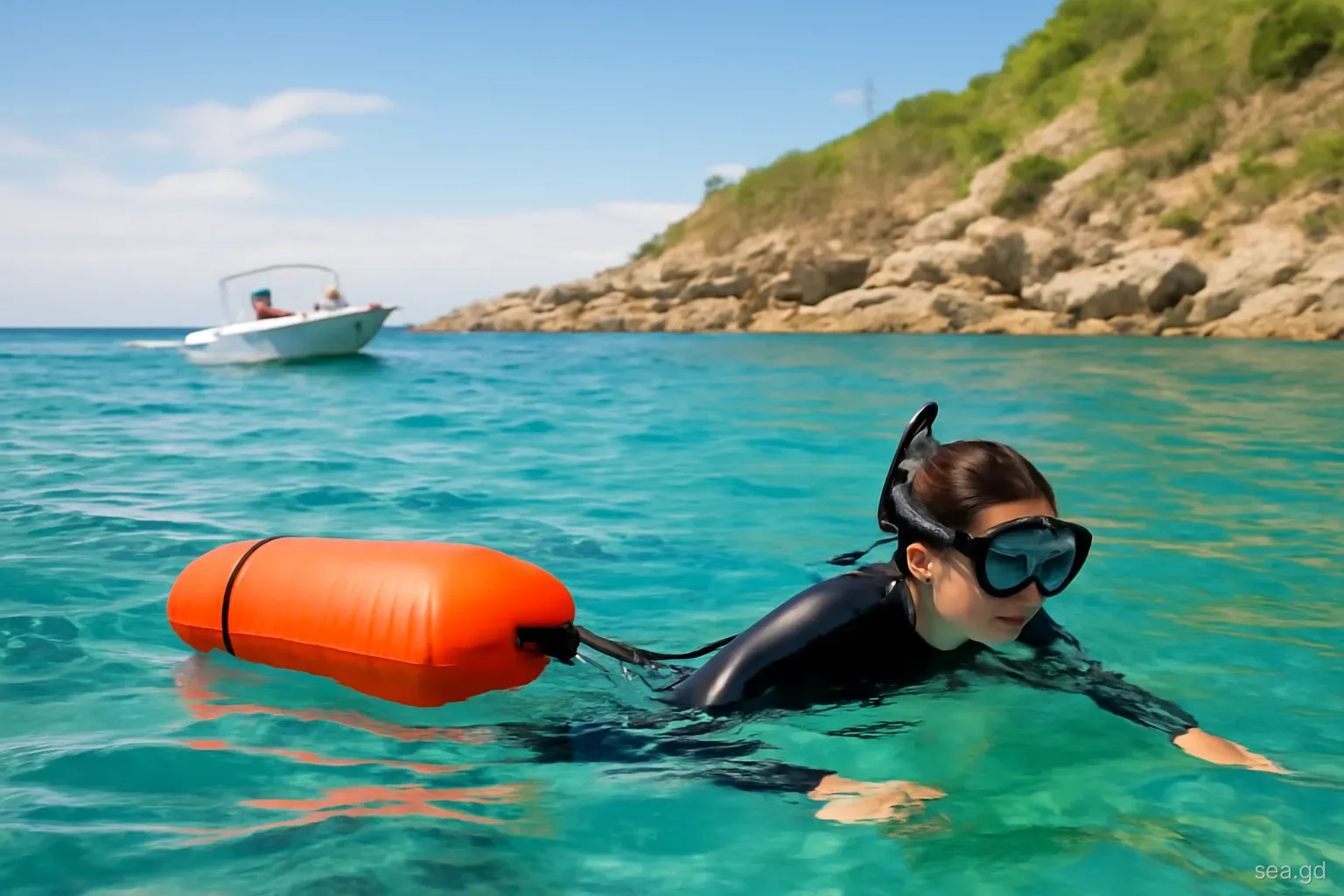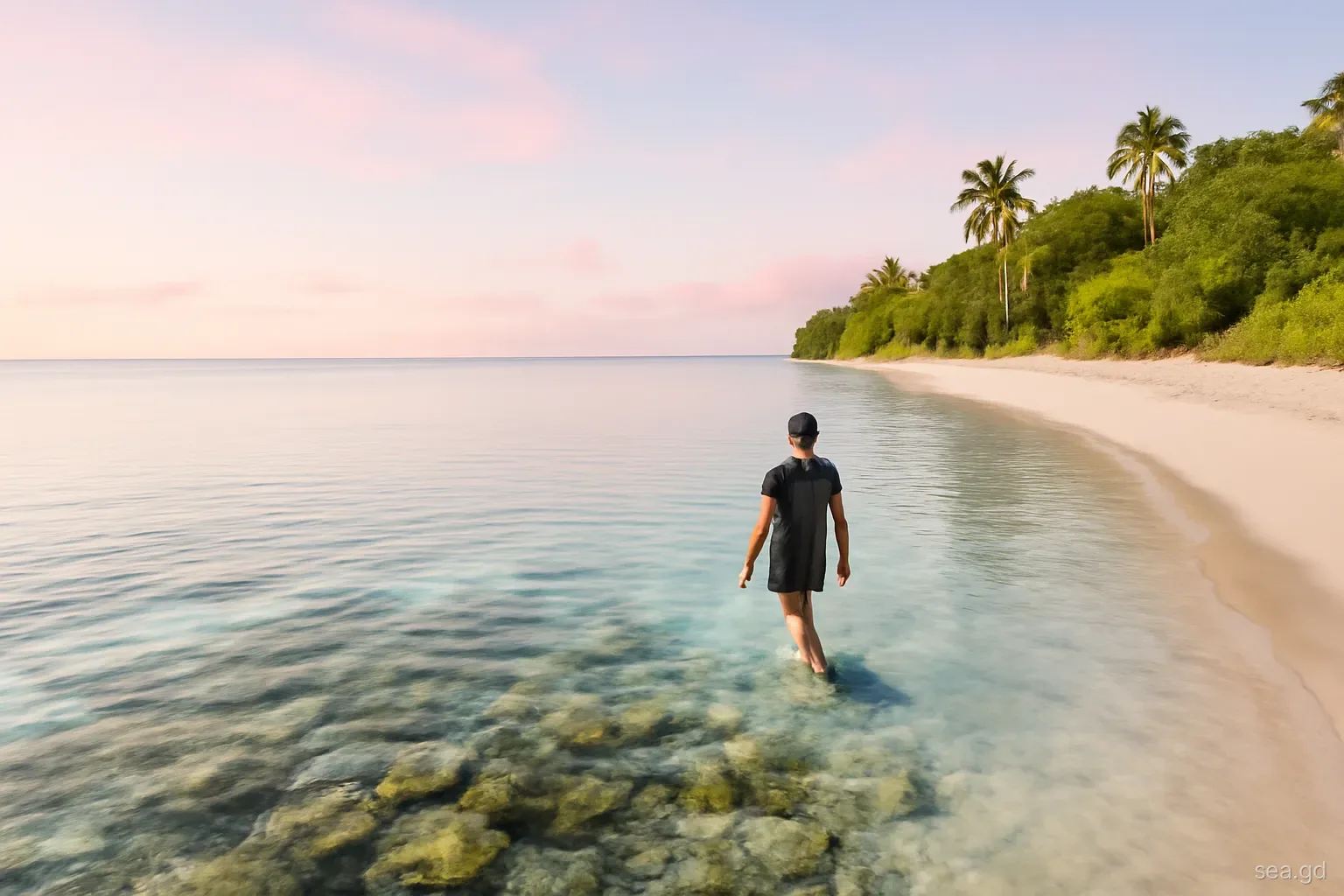
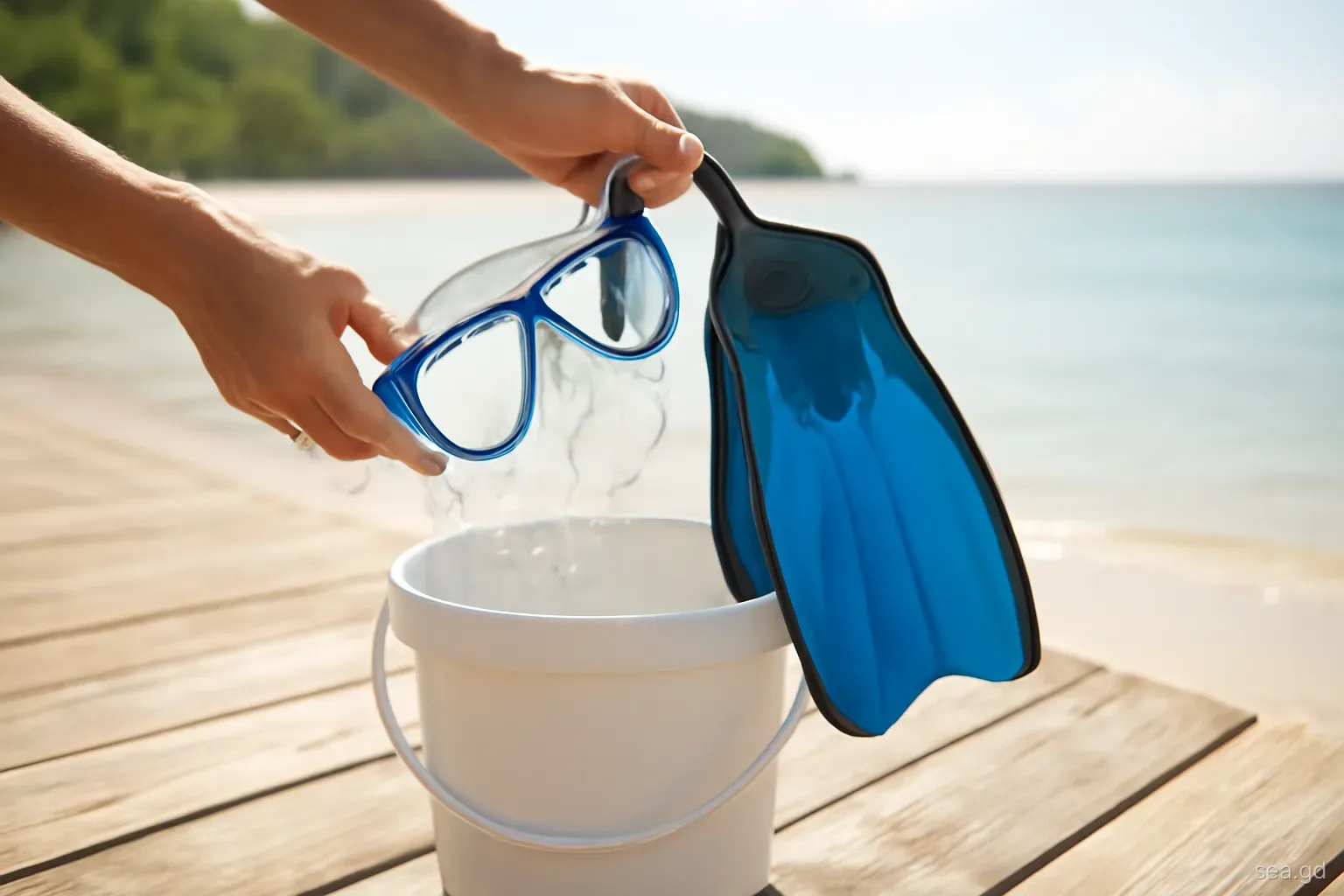
A leaking mask ruins more snorkels in Grenada than rough water does. Rental sets handed out on boat trips are rinsed and reused hundreds of times, and silicone skirts that have been sat on, sun-baked and stretched over every face shape on the boat rarely seal well on yours. If you plan to snorkel more than once or twice, the single best thing you can bring is a mask that fits.
Everything else is a judgement call. Fins are bulky, wetsuits are mostly unnecessary in water that stays around 26 to 29°C, and a snorkel is cheap to replace. This page goes item by item through what earns its space in a suitcase, what is easy to borrow or rent on the island, and the few things worth leaving at home.
The mask: the one item worth buying before you fly
Fit matters more than brand or price. To test a mask, place it on your face without the strap, breathe in gently through your nose and let go. A mask that fits stays put on suction alone; one that falls away will leak in the water no matter how hard you tighten the strap. Over-tightening is the classic beginner fix and it makes things worse, because it creases the skirt and leaves red marks after ten minutes.
Look for tempered glass lenses and a soft silicone skirt. Low-volume masks, the ones that sit close to the face, are easier to clear if water gets in and are the type freedivers prefer. Clear skirts let in more light and feel less closed-in for nervous swimmers; black skirts cut glare, which some people appreciate in bright Caribbean shallows. Men with moustaches can smear a little petroleum-free balm along the top lip to improve the seal.
A new mask arrives with a factory film on the inside of the lens that makes it fog within seconds. Scrub the inside with non-gel toothpaste or a dedicated cleaner a few times before the trip, then use a drop of defog or a little baby shampoo before each swim. Spitting into the mask works too, which is why you will see local boat crews doing it without embarrassment.
Fins, snorkels and the rest: item by item
Fins. Short, full-foot fins pack flat and are enough for the sheltered bays most visitors snorkel in. Open-heel fins with booties suit people who will walk over rocks or coral rubble to reach the water, as at parts of Morne Rouge or the rocky corners of Carriacou beaches. If luggage is tight, fins are the item to rent, since rental fins are rarely the reason a snorkel goes badly.
Snorkel. A simple tube with a comfortable mouthpiece is fine. Dry-top snorkels, with a valve that closes when a wave washes over, help beginners in a light chop but get in the way if you want to duck-dive. A purge valve at the bottom makes clearing easier. Avoid snorkels with long, stiff, heavy tops that pull the mask sideways.
Rash guard or thin long-sleeve top. This earns its place more than sunscreen does. Snorkellers float face down for an hour with their backs exposed to near-vertical sun, and burns on the backs of legs and the neck are routine. A long-sleeve swim top and leggings remove most of the problem and reduce the amount of lotion you put into the water.
Water shoes or booties. Useful for rocky entries and for avoiding sea urchins in the shallows. Not needed for boat trips where you enter from a ladder.
A mesh bag and a small dry bag. The mesh bag lets gear drain and dry; the dry bag protects a phone and car keys on boat trips and on beaches where you leave things on the sand.
Full-face masks: why many Grenada operators turn them away
Full-face snorkel masks, the type that cover the eyes, nose and mouth in one shell, look like the obvious answer for people who dislike a mouthpiece. Several dive and snorkel operators around the Caribbean have stopped allowing them on trips, and it is wise to check with your operator before packing one.
The concerns are practical. Cheap models can let exhaled air mix with fresh air inside the mask, so the wearer slowly breathes in more carbon dioxide than normal and may feel breathless or light-headed without understanding why. They are hard to remove quickly in an emergency, they cannot be equalised for even a shallow dive, and if water gets in the whole volume floods at once. Better-made versions with separate breathing channels reduce some of these risks, but the design still suits flat-calm surface snorkelling only.
If a full-face mask is the only way someone in your group will put their face in the water, use it in very calm, shallow water, close to shore, with a companion nearby, and take it off at the first sign of feeling short of breath. For everyone else, a well-fitting traditional mask and snorkel is the safer kit.
Renting on the island: what to expect
Rental gear is easy to find around Grand Anse, the south coast and in Carriacou, though quality varies a great deal. Dive centres usually keep the best-maintained sets, because their gear is serviced alongside scuba equipment. Before you hand over money, run through a quick check:
- Do the suction test on the mask without the strap, and ask for another size if it falls away.
- Look for cracks or yellowing in the silicone skirt and for a strap that has lost its stretch.
- Check the snorkel mouthpiece is intact; a bitten-through tab is uncomfortable and can come away.
- Try the fins on wet feet, because a fin that is snug when dry can slip off once your foot is wet.
- Ask whether the price is per day, per half day or per trip, and whether a deposit is held.
- Most catamaran and snorkel tours include gear in the price; if you have your own mask, bring it anyway and leave the rental one in the box.
- Daily rental rates often fall roughly in the US$10 to US$25 range for a set, but prices change and vary by provider, so confirm on the spot.
Sun cover, skincare and what not to put in the sea
Sunscreen ingredients such as oxybenzone and octinoxate have been linked in laboratory studies to coral stress, and several Caribbean and Pacific destinations restrict them. Rather than relying on a "reef-safe" label, which is not a regulated term, look for mineral sunscreens based on non-nano zinc oxide or titanium dioxide, apply them at least twenty minutes before you get in, and use covering clothes so you need less of it.
Insect repellent and heavy oils also end up in the water, so put them on after the swim rather than before. On shore snorkels, rinse your gear in fresh water afterwards: salt crystals harden silicone and seize buckles, and sand in a fin pocket will rub your feet raw on the next outing.
Finally, keep your gear simple enough that you are not distracted. Snorkellers fussing with cameras, selfie sticks and buckles are the ones who drift into boat lanes or onto coral without noticing. An action camera on a wrist strap is fine; a pole that needs two hands is not ideal in a current.
A packing list that works for a week of snorkelling
For a typical trip with a mix of shore swims and one or two boat outings, this short list covers most needs without filling a suitcase:
- Your own fitted mask in a hard case, plus defog or baby shampoo.
- A basic snorkel, ideally with a purge valve.
- Short travel fins if you have space; otherwise plan to rent.
- Long-sleeve rash guard and swim leggings for each person.
- Mineral sunscreen, a hat and polarised sunglasses for the boat.
- Water shoes for rocky entries.
- A mesh gear bag, a small dry bag and a reusable water bottle.
- A brightly coloured swim cap or an inflatable surface buoy if you plan to snorkel away from roped swimming areas, so boat drivers can see you.
Frequently asked questions
Is a wetsuit needed to snorkel in Grenada?
Generally no. Sea temperatures around Grenada usually sit in the high twenties Celsius all year. A rash guard is enough for most people. Those who chill easily on long snorkels, or children who lose heat faster, may like a thin 1 to 2 mm shorty, especially on breezy days in the cooler months from December to March.
Can you buy snorkel gear in Grenada?
Yes, basic masks, snorkels and fins are sold in some shops around St George's and Grand Anse, and dive centres often sell better-quality masks. Choice is narrower than at home and prices tend to be higher because most gear is imported, so buying a mask before you travel gives you more options to find one that fits.
Are full-face snorkel masks allowed on Grenada boat trips?
It depends on the operator. Some snorkel and dive companies in the Caribbean no longer allow them because of concerns about carbon dioxide build-up and difficulty removing them in an emergency. Ask when you book. If one is allowed, use it only for calm surface snorkelling and remove it if you feel breathless.
How do you stop a mask fogging up?
Clean a new mask thoroughly with non-gel toothpaste to remove the factory coating, then before each swim rub in a drop of defog, diluted baby shampoo or saliva and rinse lightly. Keep the mask off your forehead between swims, because warm skin and sweat speed up fogging.
Is rental gear on snorkel tours clean?
Reputable operators rinse and disinfect gear between uses, but standards vary. If hygiene worries you, bring your own mask and snorkel, which are the items that touch your face and mouth. Rental fins are usually fine. Ask the crew how gear is cleaned if you are unsure.